What You Need to Know About Mold Remediation in North Andover
Mold remediation in North Andover requires an understanding of local environmental conditions, building styles, and professional protocols. Effective remediation goes far beyond surface cleaning, requiring moisture source identificatio...
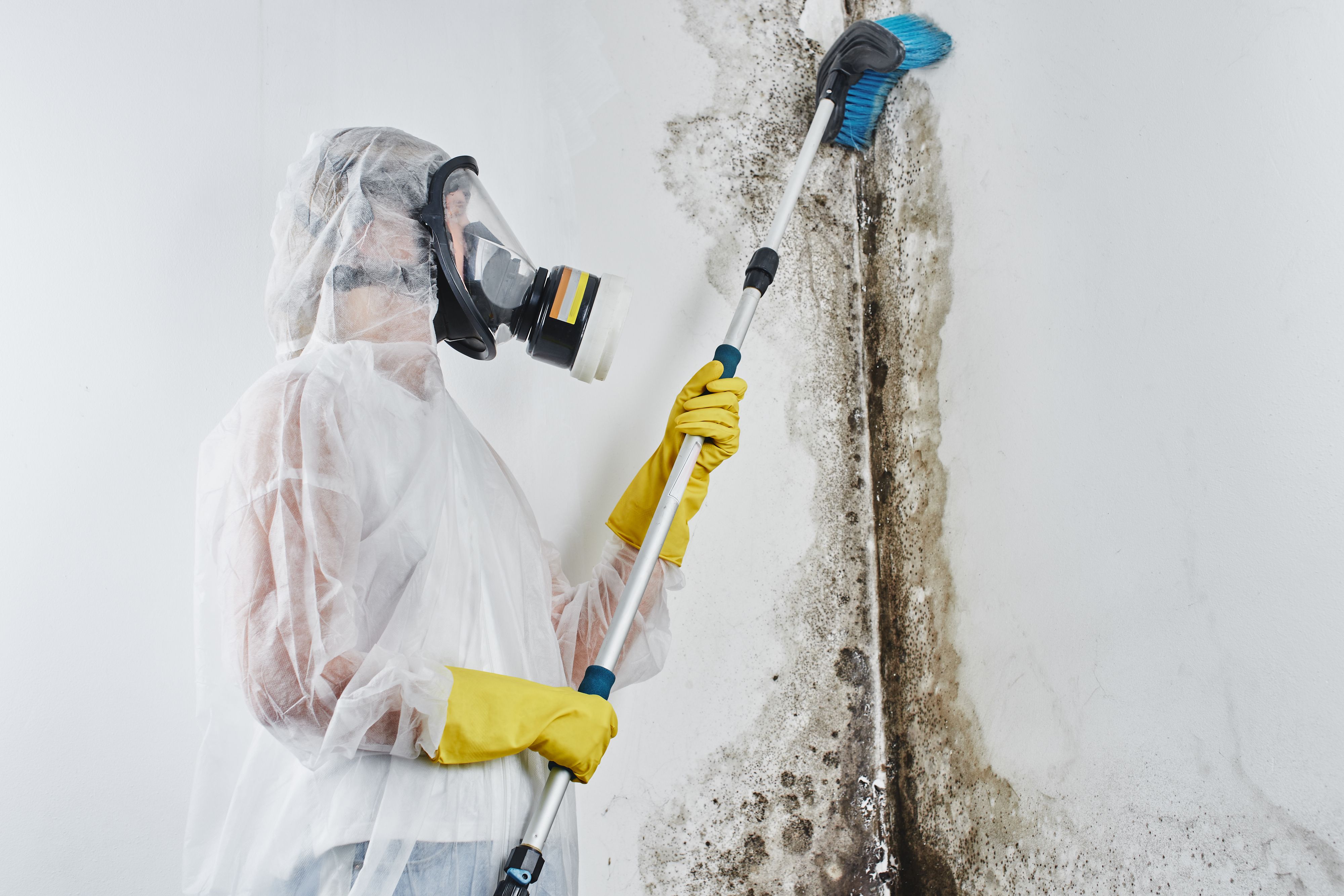
Mold remediation in North Andover requires an understanding of local environmental conditions, building styles, and professional protocols. Effective remediation goes far beyond surface cleaning, requiring moisture source identification, containment, air filtration, and safe disposal of contaminated materials to prevent indoor air quality issues in homes and commercial properties.
Contents
Understanding the Local Environment in North Andover
North Andover, Massachusetts, experiences a classic New England climate characterized by cold, snowy winters and warm, humid summers. These seasonal variations play a direct role in indoor moisture levels, which act as the primary catalyst for mold growth.
During the summer months, high relative humidity combined with warm indoor temperatures creates an ideal breeding ground for spores. Conversely, winter introduces freezing temperatures that can cause pipes to freeze and burst, or create severe ice dams along rooflines. When melting ice penetrates exterior walls and attic spaces, hidden moisture accumulates behind drywall and insulation.
Furthermore, many residential and commercial buildings in the area feature historic architecture, stone foundations, or finished basements. Older fieldstone and brick foundations are naturally porous, allowing ground moisture to seep inward over time. Without proper vapor barriers, grading, and foundation sealing, basements and crawl spaces frequently sustain elevated humidity levels, making mold remediation a common necessity for property owners in the region.
The Difference Between Mold Removal and Mold Remediation
A common misconception among property owners is that mold can be permanently "removed" or eradicated from a structure. In reality, mold spores are a natural part of the outdoor and indoor environment; they float through the air constantly. Because complete eradication is impossible, industry standards—such as those established by the U.S. Environmental Protection Agency (EPA) and the Institute of Inspection Cleaning and Restoration Certification (IICRC)—focus strictly on mold remediation.
Remediation refers to the comprehensive process of returning mold levels to normal, baseline ecological conditions while eliminating the underlying moisture source that allowed the colonization to occur.
- Mold Removal: Often implies simply wiping down or bleaching a surface stain. This approach is generally ineffective because it fails to address roots penetrating porous materials like drywall, wood framing, or carpeting. Furthermore, using liquid bleach on porous surfaces often leaves moisture behind, which can paradoxically encourage further mold growth.
- Mold Remediation: A multi-step technical protocol that involves containment, physical removal of heavily damaged porous materials, specialized cleaning of semi-porous surfaces, high-efficiency particulate air (HEPA) vacuuming, and systemic structural drying.
The Step-by-Step Mold Remediation Process
Professional mold remediation follows a strict sequence of engineering controls and operational guidelines to ensure that spores are not spread to unaffected areas of the building during the cleanup process.
- Moisture Identification
- Containment & Negative Air
- HEPA Filtration
- Removal & Cleaning
- Verification Testing
1. Assessment and Moisture Source Identification
Before any physical work begins, a thorough inspection must take place. Technicians use thermal imaging cameras, moisture meters, and hygrometers to trace the exact boundaries of water intrusion. Addressing the mold without fixing a leaking pipe, a failing roof flashing, or structural condensation guarantees that the infestation will return.
2. Containment and Engineering Controls
To prevent cross-contamination, technicians isolate the work area using heavy-duty polyethylene sheeting. Negative air pressure is established within the containment zone using specialized air scrubbers equipped with HEPA filters. This ensures that air flows inward toward the containment area, trapping airborne spores and preventing them from migrating into living spaces or HVAC systems.
3. Air Filtration and Dust Suppression
Throughout the remediation process, industrial air scrubbers continuously clean the air inside and immediately outside the containment zone. Workers may apply fine water mist to dust-heavy areas to weigh down airborne particles before vacuuming them up.
4. Removal, Discarding, and Cleaning
Porous materials with heavy mold growth—such as insulation, heavily warped drywall, and saturated carpeting—cannot be saved and must be bagged in thick polyethylene and discarded in accordance with local regulations. Non-porous materials (like metal and glass) and semi-porous structural wood framing can usually be cleaned using wire brushes, specialized antimicrobial detergents, and HEPA vacuuming.
5. Drying and Verification
Once cleaning is complete, the area undergoes rapid structural drying using commercial dehumidifiers and high-velocity air movers. A final visual inspection confirms that all surfaces are free of visible dust, debris, and staining before containment barriers are taken down.
Comparison of Mold Types and Severity Levels
Not all mold found in buildings carries the same level of risk or requires identical intervention strategies. Understanding the extent of the contamination helps property owners determine whether a situation can be managed independently or requires certified professional contractors.
| Category | Typical Surface Area | Common Color/Appearance | Primary Health Risks | Recommended Action |
|---|---|---|---|---|
| Minor Surface Mold | Under 10 square feet (e.g., bathroom grout, window sills) | Black, green, or white patches | Mild allergic reactions in sensitive individuals | DIY cleaning with detergent and water; fix local humidity. |
| Moderate Contamination | 10 to 100 square feet (e.g., localized drywall leak) | Dark green, brown, or velvet texture | Respiratory irritation, coughing, nasal congestion | Professional remediation recommended; containment required. |
| Extensive Infestation | Over 100 square feet or HVAC system involvement | Dense black, gray, or multi-colored colonies | Severe allergic responses, asthma flare-ups, chronic fatigue | Mandatory certified remediation; full containment and air scrubbers. |
Health Implications and Indoor Air Quality
Exposure to indoor mold can trigger a range of physiological responses, depending on the individual's sensitivity, the concentration of spores, and the duration of exposure. According to the Centers for Disease Control and Prevention (CDC), mold produces allergens, irritants, and, in some cases, potentially toxic substances known as mycotoxins.
Common symptoms associated with indoor mold exposure include:
- Nasal and sinus congestion
- Throat irritation and persistent coughing
- Eye irritation (burning, watery, or reddened eyes)
- Skin rashes or dermal irritation
- Exacerbation of asthma symptoms in sensitized individuals
Vulnerable populations—including infants, children, the elderly, individuals with chronic respiratory diseases, and those with compromised immune systems—face heightened risks. For these individuals, prolonged exposure to high spore counts can lead to hypersensitivity pneumonitis or severe fungal infections. Consequently, maintaining a dry, well-ventilated indoor environment is a critical public health priority.
Cost Factors and Insurance Coverage
The cost of mold remediation in North Andover varies significantly based on several quantifiable factors. On average, small localized projects may cost a few hundred dollars, while large-scale structural remediation involving multiple rooms or HVAC decontamination can range from several thousand dollars upwards.
Key Cost Drivers
- Square Footage: The total area affected dictates labor hours, disposal fees, and chemical usage.
- Accessibility: Crawl spaces, tight attics, and internal wall cavities require specialized labor and extraction tools, increasing overall project complexity.
- Material Type: Discarding and replacing structural wood versus simply cleaning tile or concrete changes material replacement costs.
- Underlying Repairs: Remediation costs rarely include plumbing repairs, roof fixes, or structural carpentry, which must be budgeted separately.
Insurance Considerations
Standard homeowners insurance policies in Massachusetts typically cover mold remediation only if the mold is the direct result of a sudden, accidental water event—such as a burst pipe or a sudden appliance failure. Damage resulting from long-term, chronic maintenance neglect, slow hidden leaks, or high ambient humidity is generally excluded from coverage. Property owners should review their specific policy endorsements and speak directly with their insurance agent to clarify what water damage scenarios are protected.
Choosing a Qualified Remediation Contractor
Because mold remediation is largely unregulated in terms of mandatory state licensing in Massachusetts, property owners must exercise diligence when selecting a contractor. Hiring an unverified or unqualified operator can lead to improper containment, cross-contamination of clean areas, and incomplete remediation.
When evaluating contractors, look for the following credentials:
- Industry Certifications: Verify that technicians hold valid certifications from accredited bodies such as the IICRC (e.g., Applied Microbial Remediation Technician - AMRT) or the National Air Duct Cleaners Association (NADCA) for HVAC work.
- Third-Party Verification: Reputable remediation firms often recommend or work alongside independent, certified microbial investigators (CIH or CIE) who perform pre- and post-remediation air testing. Avoid companies that perform both the remediation and the clearance testing themselves, as this represents a conflict of interest.
- Detailed Scope of Work: A trustworthy contractor provides a written, itemized protocol detailing containment methods, personal protective equipment (PPE) usage, antimicrobial agents, and disposal procedures before beginning work.
Frequently Asked Questions
Can I handle mold remediation myself using bleach?
For very small, non-porous surfaces under 10 square feet—such as ceramic tile or glass—household cleaning with soap, water, and commercial cleaners is often sufficient. However, using bleach on porous or semi-porous surfaces like drywall or wood is ineffective because chlorine does not penetrate roots. Furthermore, liquid bleach contains water, which can sink into materials and feed new mold growth if not dried completely.
Do I need air testing before and after mold remediation?
Air testing is not always mandatory for minor, visible infestations where the moisture source is obvious. However, professional testing by an independent industrial hygienist is highly recommended if mold is suspected behind walls, if occupants are experiencing unexplained health symptoms, or to verify that post-remediation spore counts have returned to normal baseline levels before rebuilding.
How long does the mold remediation process take?
The timeline depends heavily on the scale of the damage. A localized bathroom remediation may take only a single day, while a multi-room basement or whole-house structural drying project can take anywhere from three to seven days, including structural drying times and clearance verification.
What is the difference between black mold and other molds?
So-called "black mold" often refers to Stachybotrys chartarum, a greenish-black fungus that produces mycotoxins and thrives on high-cellulose materials like paper and drywall dampened for extended periods. However, visual color is not a reliable indicator of toxicity. Many common molds can appear dark green or black, and all unwanted indoor mold should be remediated regardless of its specific species designation.
Conclusion and Next Actions
Addressing mold issues promptly and methodically protects both the structural integrity of your property and the health of its occupants. Begin by identifying and stopping any active moisture intrusion. If the affected area exceeds minor surface dimensions, contact a certified, reputable remediation professional to design a containment and cleaning protocol tailored to your building's specific structural needs.
Image Gallery