TiVo Edge DVR Review: Features, Performance, and Value in the Streaming Era
The TiVo Edge DVR remains a prominent hardware-based digital video recorder designed for cord-cutters and cable subscribers who want unified access to live television, cloud apps, and local recordings without relying solely on propriet...
The TiVo Edge DVR remains a prominent hardware-based digital video recorder designed for cord-cutters and cable subscribers who want unified access to live television, cloud apps, and local recordings without relying solely on proprietary cable box rentals.
Contents
Navigating the modern television landscape often means juggling dozens of separate streaming applications, live TV services, and on-demand libraries. For households that still rely on traditional cable, satellite, or over-the-air (OTA) antennas, hardware digital video recorders fill the gap by offering centralized recording, commercial skipping, and unified program guides. Among the legacy hardware options on the market, the TiVo Edge occupies a distinct niche, serving users who prefer physical storage and a dedicated remote over purely cloud-based streaming solutions.
This comprehensive review examines the design, tuner capabilities, storage options, software ecosystem, and overall value of the TiVo Edge. By looking at how the device handles modern media demands, users can determine whether investing in a dedicated hardware DVR remains a viable choice in an era dominated by smart TVs and streaming sticks.
Understanding the TiVo Edge Identity and Scope
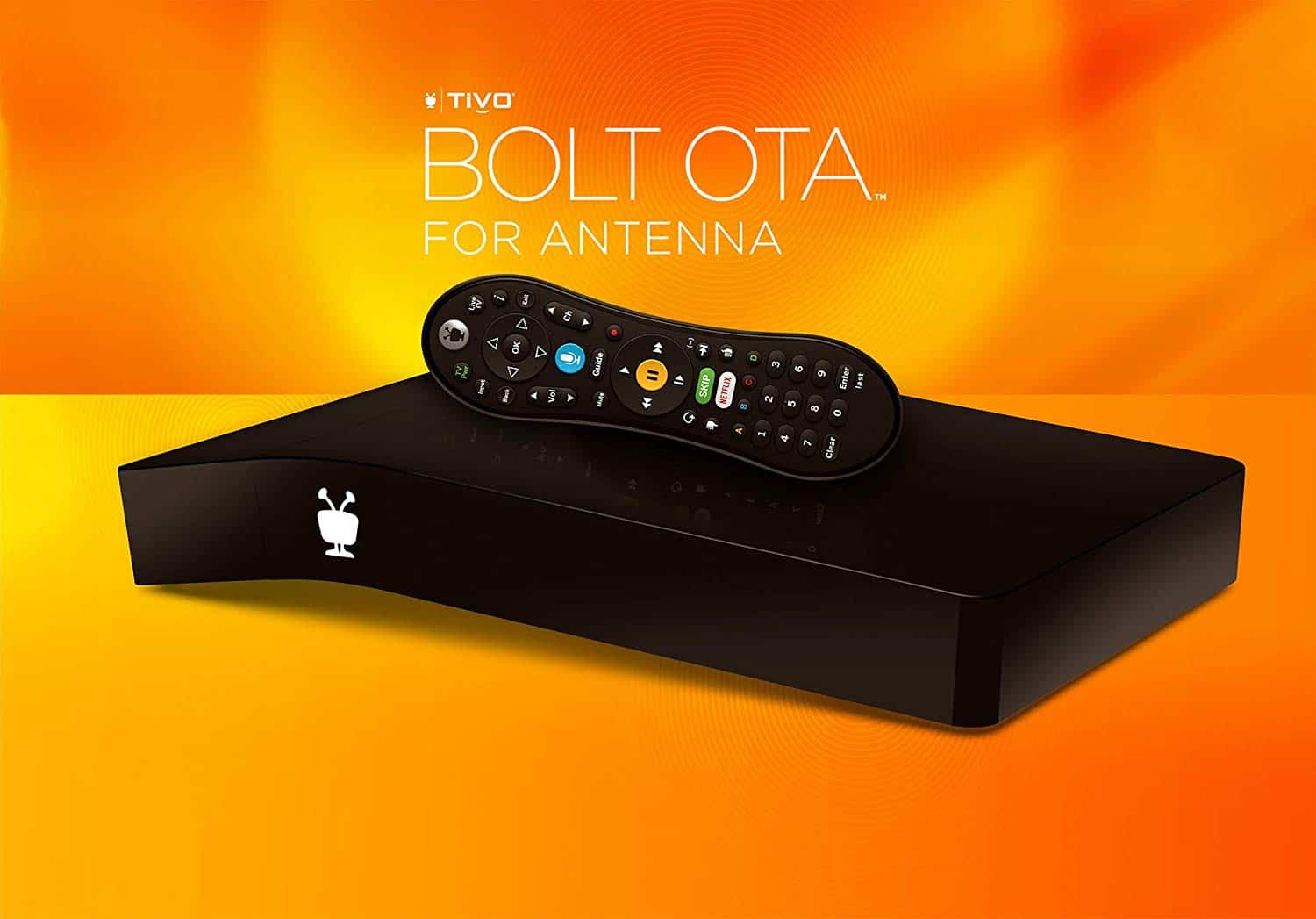
The TiVo Edge is designed to bridge the gap between traditional broadcast television and modern streaming applications. Available in two distinct variants—one tailored for cable subscribers (utilizing a CableCARD) and another built for over-the-air antenna users—the device aims to consolidate entertainment sources into a single interface.
Unlike streaming boxes that rely entirely on cloud storage or on-demand libraries, the TiVo Edge features an internal hard drive. This physical storage allows users to record live broadcasts locally, ensuring that recordings remain accessible even if internet connectivity drops or streaming rights expire. The device supports 4K Ultra HD video playback, Dolby Atmos audio, and high dynamic range (HDR) formats, ensuring compatibility with modern home theater setups.
However, owning a TiVo device involves more than just the upfront hardware purchase. TiVo units require an ongoing service subscription—often referred to as "TiVo Service"—to maintain guide data, use voice search, and enable features like OnePass. Understanding these ongoing costs is essential for evaluating the total cost of ownership.
Key Technical Specifications and Hardware Design
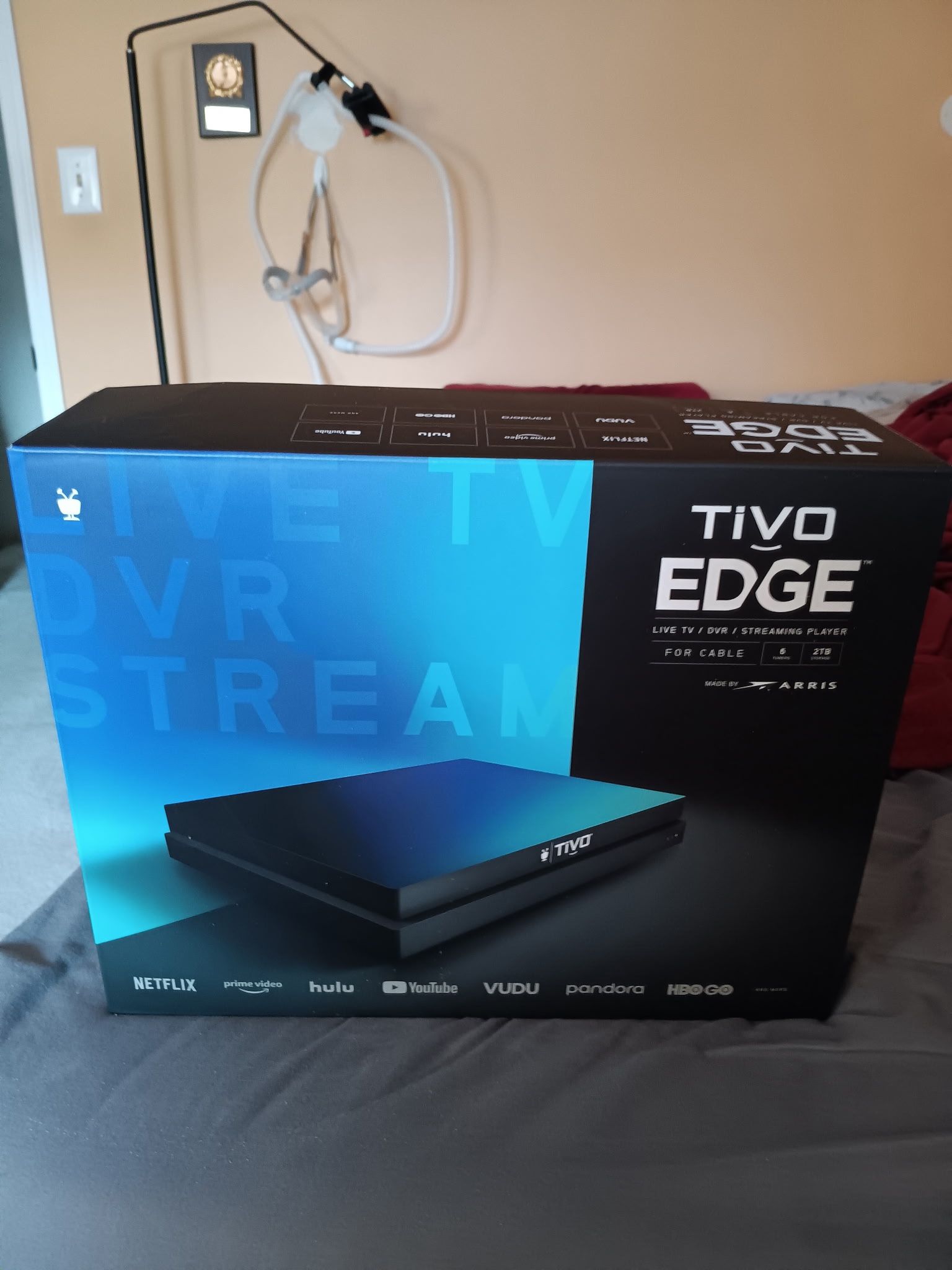
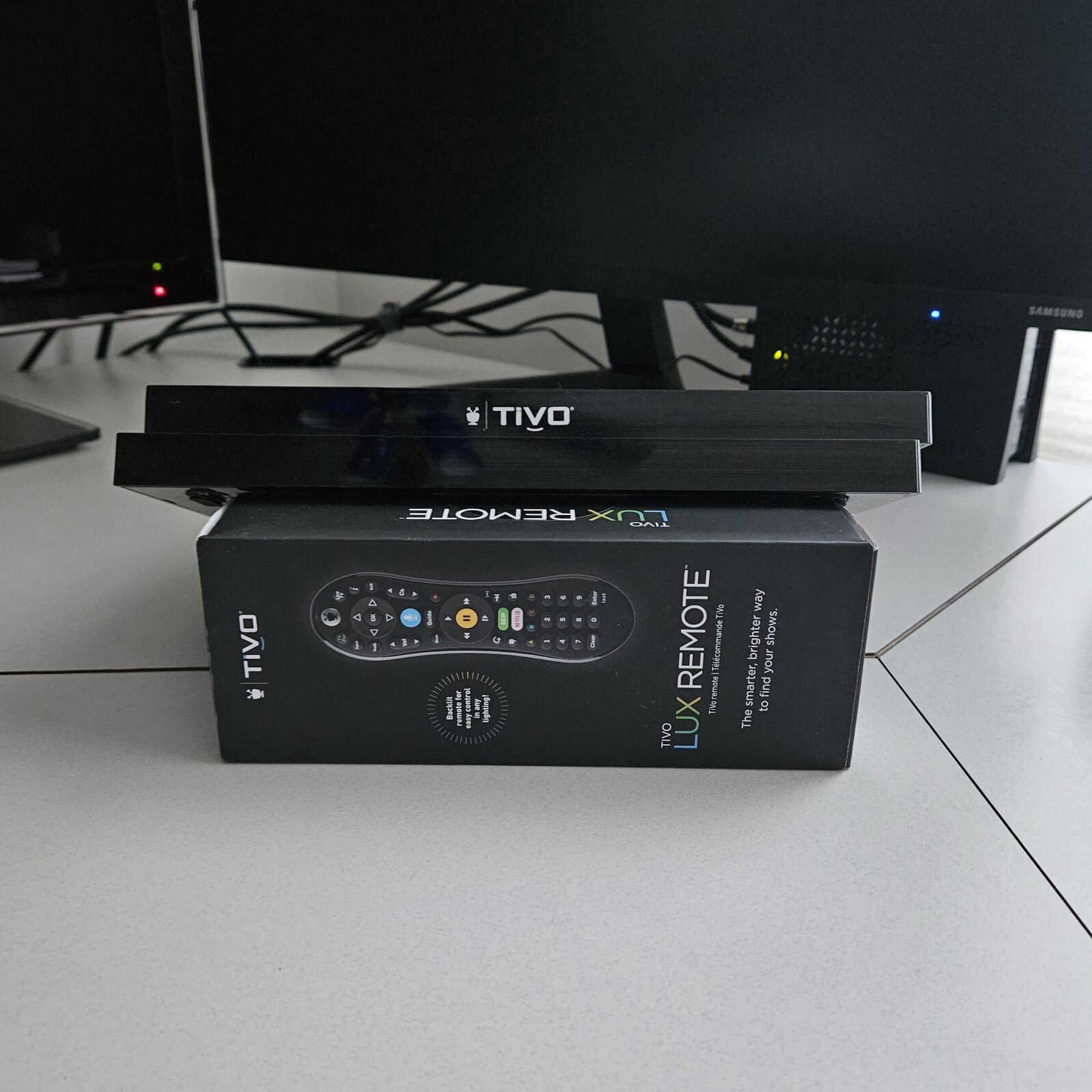
The physical footprint of the TiVo Edge departs from the traditional, bulky VCR-style boxes of the past. It features a compact, triangular chassis with a matte black finish, designed to blend discreetly into an entertainment center.
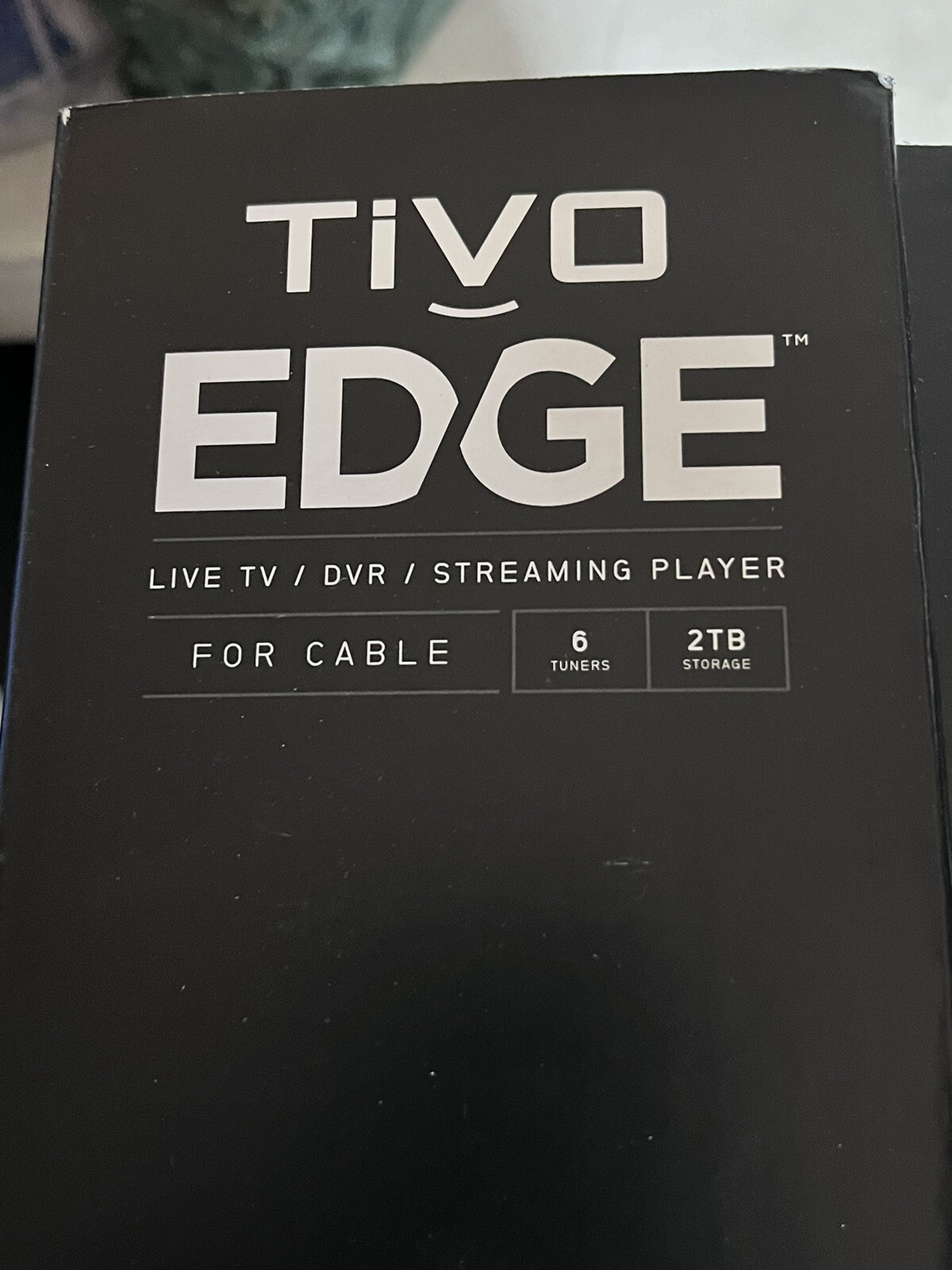
Inside, the hardware configuration varies slightly depending on whether you choose the OTA or cable model. The antenna model includes four built-in tuners, allowing users to record up to four over-the-air programs simultaneously. The cable model increases this capacity to six tuners, accommodating households with heavy recording schedules. Both models feature an internal 2TB hard drive, providing roughly 300 hours of high-definition content storage (or up to 300 hours of HD programming, depending on the broadcast bitrate).
Connectivity options include an HDMI 2.0 output, optical audio, Ethernet port, USB ports for potential future expansion (though functionality is limited by firmware), and a coaxial cable input. Wi-Fi capability is built-in, though a wired Ethernet connection is recommended for optimal streaming performance and guide data downloads.
| Feature / Specification | TiVo Edge for Antenna (OTA) | TiVo Edge for Cable |
|---|---|---|
| Broadcast Source | Digital HD Antenna (ATSC 1.0) | Digital Cable (requires CableCARD) |
| Number of Tuners | 4 Tuners | 6 Tuners |
| Internal Storage | 2TB Hard Drive (approx. 300 HD hours) | 2TB Hard Drive (approx. 300 HD hours) |
| Video Output | Up to 4K Ultra HD with HDR10 | Up to 4K Ultra HD with HDR10 |
| Audio Support | Dolby Atmos, Dolby Digital Plus | Dolby Atmos, Dolby Digital Plus |
| Remote Control | TiVo VOX Remote (Bluetooth/IR) | TiVo VOX Remote (Bluetooth/IR) |
Software Interface, Navigation, and the User Experience
The primary strength of any DVR lies in its software interface. The TiVo Edge runs on the company’s proprietary Hydra user interface, which integrates traditional channel guides with third-party streaming apps like Netflix, Prime Video, Hulu, and YouTube.
The classic TiVo channel guide remains clean, responsive, and easy to read. It allows users to filter channels by favorites, high-definition status, or genre. Furthermore, TiVo’s signature feature, OnePass, acts as an advanced aggregator. When you set up a OnePass for a specific TV show, the system records upcoming episodes from live TV while simultaneously pulling available episodes from integrated streaming services. If a show is missing from your local recordings, OnePass automatically queues it up from a streaming app, creating a seamless viewing experience.
Another fan-favorite feature is SkipMode, which allows viewers to bypass commercial breaks with a single button press on recorded shows on popular networks. While SkipMode relies on human verification and is available on a select list of major channels shortly after broadcast, it significantly reduces the friction of watching recorded television.
Performance Evaluation: Strengths and Limitations
Evaluating the TiVo Edge in daily use reveals a mix of polished media management and minor performance bottlenecks.
Operational Strengths
- Unified Search: The voice-enabled remote allows users to search across both live TV and multiple streaming apps simultaneously, saving time compared to searching within individual applications.
- Reliable Local Storage: With 2TB of internal space, users rarely have to worry about running out of room for standard HD recordings, even with heavy multi-user scheduling.
- Commercial Skipping: SkipMode and QuickMode (which plays recorded shows slightly faster with pitch-corrected audio) enhance the efficiency of watching recorded content.
Operational Limitations
- Subscription Model: The ongoing cost of the TiVo service plan adds up over time, making it less economical than utilizing free cloud DVRs offered by some live TV streaming services.
- App Performance: While the TiVo Edge supports major streaming apps, the hardware is not as snappy as dedicated streaming devices like the Apple TV 4K or Nvidia Shield. App crashes and slower load times can occasionally occur.
- CableCARD Decline: For cable subscribers, finding a provider that still supports and provisions CableCARDs has become increasingly difficult as cable companies transition to digital-only, app-based architectures.
Cost Considerations and Subscription Structure
When analyzing the financial investment required for the TiVo Edge, consumers must look beyond the initial purchase price of the hardware. TiVo structures its pricing around a mandatory service commitment to keep the guide data and smart features active.
Users typically choose between a monthly service fee, an annual subscription, or an All-In (lifetime) service plan tied to the specific unit. Because the hardware relies entirely on this proprietary data service to populate its guide and power its search functions, an inactive unit loses most of its core functionality. Prospective buyers should calculate the total cost of ownership over a multi-year period to determine if the hardware investment aligns with their entertainment budget.
Common Mistakes and Troubleshooting Tips
Getting the most out of a TiVo Edge requires proper setup and ongoing maintenance. Avoid these common pitfalls to ensure smooth operation:
- Ignoring Network Stability: Because the device downloads continuous guide updates and streams app content, an unstable Wi-Fi connection can cause guide gaps or stuttering playback. Use a wired Ethernet cable whenever possible.
- Failing to Verify CableCARD Support: Cable users must check with their local television provider before purchasing the cable variant. Many providers are phasing out CableCARD support, which will leave the hardware unable to tune encrypted channels.
- Overlooking Antenna Placement: For OTA users, the 4-tuner capacity is only as good as the antenna signal. Ensure your over-the-air antenna is properly positioned to capture maximum signal strength before scheduling multiple simultaneous recordings.
Frequently Asked Questions
Does the TiVo Edge require a monthly subscription to function?
Yes. The TiVo Edge requires an active TiVo service subscription to download program guide data, enable voice search, and operate features like OnePass. Without a subscription, the unit cannot function as an interactive DVR.
Can I upgrade the hard drive inside the TiVo Edge?
Unlike older TiVo models, the TiVo Edge features an internal hard drive that is not designed for easy consumer replacement. Opening the chassis to replace or upgrade the drive voids the warranty and can cause software initialization errors.
Does the TiVo Edge support 4K streaming apps?
Yes, the device supports 4K Ultra HD playback and HDR on compatible streaming applications such as Netflix and Prime Video, provided you have a high-speed internet connection and a 4K television.
Is CableCARD still widely available from cable providers?
CableCARD availability varies significantly by region and provider. While federal regulations historically required major cable companies to support them, many smaller or localized providers have discontinued issuing new cards as they transition to digital streaming apps.
How many shows can I record at once?
The antenna (OTA) model features four tuners, allowing you to record up to four shows simultaneously. The cable model features six tuners, enabling up to six simultaneous recordings.
Final Recommendation and Suitability
The TiVo Edge is a robust, feature-rich hardware DVR that excels at consolidating live broadcast television and streaming apps into a single, intuitive interface. It is best suited for television enthusiasts, cord-cutters utilizing a robust outdoor antenna, and traditional cable subscribers who prefer physical, reliable local storage over cloud-based alternatives.
However, due to ongoing service subscription fees, the gradual phase-out of CableCARDs by cable operators, and the increasing dominance of app-based streaming platforms, the TiVo Edge appeals to a specialized audience. If you value physical recording ownership, commercial skipping tools, and a unified channel guide, the TiVo Edge remains a capable centerpiece for a traditional home theater setup. If you rely entirely on modern streaming services, a dedicated streaming media player will likely better serve your needs.
Image Gallery