Understanding Blood Spots Under Skin on Face: Causes, Identification, and Solutions
Blood spots under the skin on the face, medically categorized as petechiae, purpura, or ecchymosis, occur when small blood vessels (capillaries) rupture and leak blood into the surrounding tissue. Unlike a typical surface rash, these s...
Blood spots under the skin on the face, medically categorized as petechiae, purpura, or ecchymosis, occur when small blood vessels (capillaries) rupture and leak blood into the surrounding tissue. Unlike a typical surface rash, these spots do not blanch or fade when pressed because the blood is trapped beneath the epidermal layer.
Contents
While many instances of facial blood spots result from minor physical trauma or temporary straining, they can also serve as a clinical indicator of underlying systemic issues, ranging from nutritional deficiencies to hematological disorders. In 2026, diagnostic protocols emphasize a combination of visual "diascopy" (the glass test) and comprehensive blood panels to distinguish between benign occurrences and those requiring urgent medical intervention.
Categorizing Blood Spots: Petechiae, Purpura, and Ecchymosis
To address blood spots effectively, it is essential to understand the terminology used by dermatologists to describe the extent of the bleeding. These terms are primarily differentiated by size and the underlying mechanism of the hemorrhage.
Petechiae
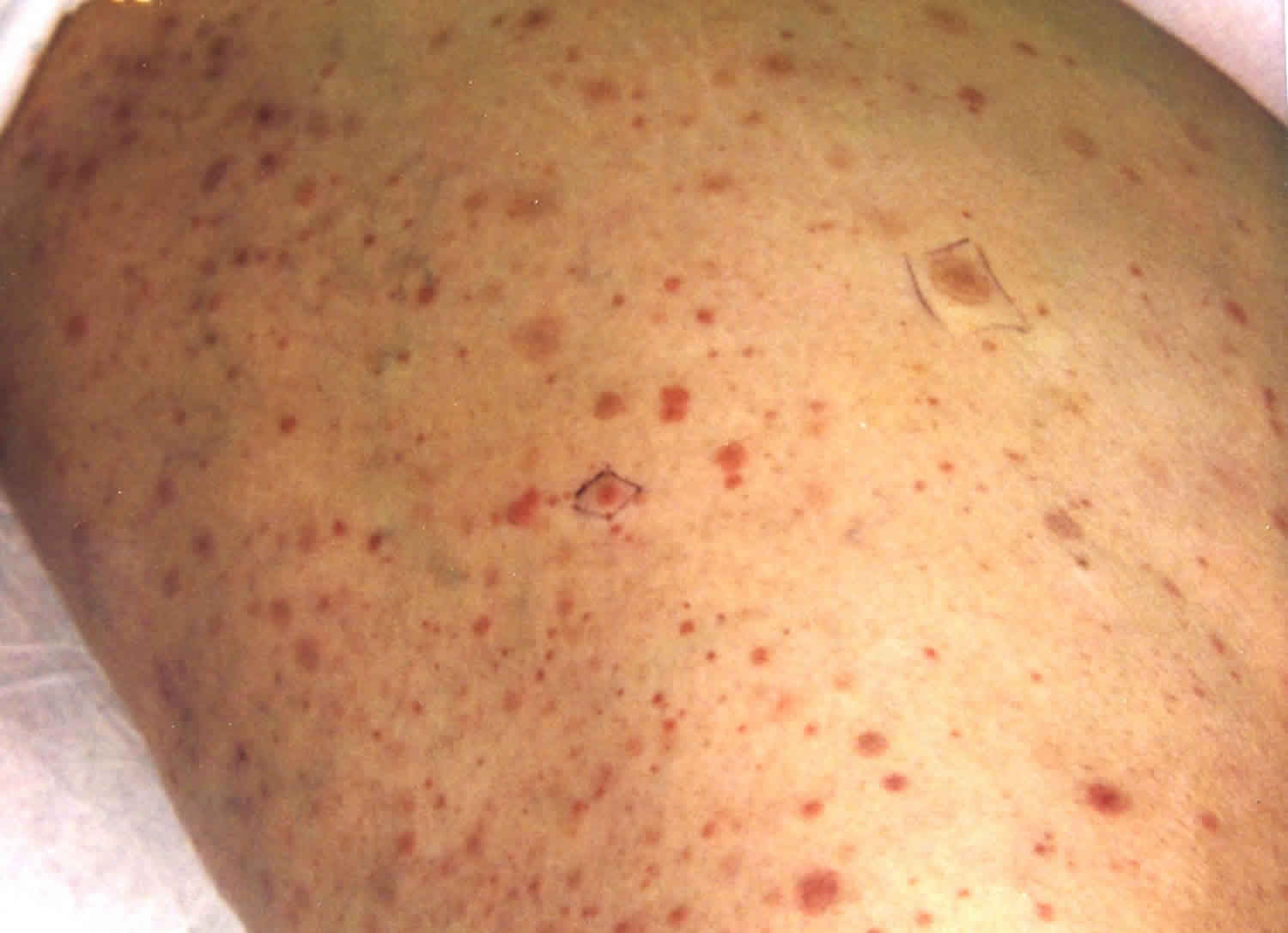
Petechiae are the smallest form of blood spots, typically measuring less than 2 millimeters in diameter. On the face, they often appear as tiny, flat, red, or purple pinpoints. They usually occur in clusters and may resemble a tiny rash. Because petechiae result from the rupture of the smallest capillaries, they are frequently associated with localized pressure or minor infections.
Purpura
Purpura refers to larger spots, generally between 3 millimeters and 1 centimeter. These spots are often more distinct than petechiae and may have a slightly raised or "palpable" texture if caused by inflammation of the blood vessels (vasculitis). Purpura can indicate a more significant leakage of blood into the dermis and often suggests a more complex underlying cause, such as a reaction to medication or an immune system response.
Ecchymosis
Commonly known as a bruise, ecchymosis involves blood spots larger than 1 centimeter. While we typically associate bruising with blunt force trauma, ecchymosis on the face can occur with very little impact if the skin is thin or if the individual is taking blood-thinning medications. As the body reabsorbs the blood, these spots transition through a spectrum of colors, including purple, blue, green, and yellow, due to the breakdown of hemoglobin into bilirubin and biliverdin.
Common Causes of Facial Blood Spots
The face is uniquely susceptible to blood spots because the skin is thinner and the vascular network is dense and close to the surface. Understanding the "why" behind these spots is the first step toward resolution.
Physical Straining and the Valsalva Maneuver
One of the most common causes of petechiae on the face—particularly around the eyes and on the forehead—is intense physical straining. When you cough violently, vomit, lift extremely heavy weights, or even give birth, the pressure in the veins of the head and neck spikes sharply. This sudden pressure can cause the fragile capillaries in the facial skin to burst. This is often referred to as the Valsalva maneuver effect. These spots are usually harmless and resolve on their own within a few days.
Medication Side Effects
In 2026, a wide array of medications is known to influence blood clotting and vascular integrity.
- Anticoagulants and Antiplatelets: Drugs like warfarin, heparin, or even daily aspirin reduce the blood's ability to clot, making it easier for minor leaks to occur.
- Corticosteroids: Long-term use of oral or topical steroids can thin the skin and weaken the connective tissue supporting the blood vessels, leading to a condition known as "steroid purpura."
- NSAIDs: Frequent use of ibuprofen or naproxen can interfere with platelet function.
Nutritional Deficiencies
The structural integrity of blood vessel walls depends heavily on specific vitamins.
- Vitamin C (Ascorbic Acid): Vitamin C is critical for collagen synthesis. Without sufficient collagen, capillary walls become brittle. While scurvy is rare in 2026, subclinical deficiencies can still manifest as easy bruising or petechiae.
- Vitamin K: This vitamin is essential for the coagulation cascade. A deficiency can lead to spontaneous bleeding under the skin.
Ultraviolet (UV) Damage and Aging
Chronic sun exposure leads to "actinic purpura" or "solar purpura." Over decades, UV radiation breaks down the collagen and elastin that cushion the dermal blood vessels. In older adults, even a slight rub or minor contact can cause significant blood spots on the face or forearms because the vessels have lost their protective support structures.
Clinical Comparison Table: Identifying Blood Spots
The following table provides a quick reference for distinguishing between different types of blood spots and their typical presentations.
| Type | Size | Physical Profile | Common Causes | Blanching (Fades when pressed)? |
|---|---|---|---|---|
| Petechiae | < 2mm | Tiny pinpoints, red/purple, flat | Straining, viral infections, low platelets | No |
| Purpura | 3mm - 10mm | Larger spots, may be slightly raised | Vasculitis, drug reactions, scurvy | No |
| Ecchymosis | > 10mm | Classic bruise, flat, color-changing | Trauma, blood thinners, aging skin | No |
| Telangiectasia | Varies | Spider-like visible veins | Rosacea, sun damage, genetics | Yes (Note: Not a blood spot) |
When to Seek Medical Attention
While many blood spots are benign, they can sometimes be a "canary in the coal mine" for serious medical conditions. You should consult a healthcare provider if the spots are accompanied by any of the following:
- Fever and Chills: This combination can indicate a systemic infection, such as meningococcemia or endocarditis, which are medical emergencies.
- Rapid Spread: If petechiae are spreading quickly across the face and body, it may suggest an acute drop in platelet count (thrombocytopenia).
- Unexplained Bleeding: Bleeding from the gums, nosebleeds, or blood in the stool alongside facial spots suggests a systemic coagulation issue.
- Palpable Texture: If the purpura feels like a bump or a welt, it may indicate vasculitis (inflammation of the blood vessels), which requires specific diagnostic testing.
- Pain or Swelling: Benign petechiae are usually painless. Significant pain may indicate tissue ischemia or severe trauma.
Diagnostic Procedures in 2026
When you visit a clinician for blood spots under the skin on your face, the diagnostic process usually follows a specific progression to rule out high-risk factors.
The Glass Test (Diascopy)
The first step is often a simple diascopy. The doctor presses a clear glass slide or a finger against the spots. If the spots turn white (blanch), they are likely dilated blood vessels (like an inflammatory rash or rosacea). If they remain red or purple, it confirms that blood has leaked into the tissue, verifying petechiae or purpura.
Blood Laboratory Analysis
A Complete Blood Count (CBC) is the gold standard for assessing blood spots. It allows the doctor to check your platelet levels. Low platelets (thrombocytopenia) are a primary cause of unexplained bleeding. Additionally, a Coagulation Profile (including PT and PTT tests) measures how quickly your blood clots.
Skin Biopsy
In cases of "palpable purpura" where vasculitis is suspected, a small punch biopsy may be performed. A pathologist examines the tissue under a microscope to look for signs of inflammation in the vessel walls or immune system deposits.
Treatment and Management Options
Treatment for blood spots under the skin on the face is entirely dependent on the underlying cause. There is no single "cure" for the spots themselves, as they are a symptom rather than a disease.
Addressing the Root Cause
- Infection: If a bacterial infection is present, antibiotics are prescribed.
- Medication Adjustment: If blood thinners are the culprit, a doctor may adjust the dosage or switch medications.
- Nutritional Supplementation: Correcting Vitamin C or K deficiencies usually stops the formation of new spots within weeks.
Cosmetic Interventions
For persistent blood spots or those caused by sun damage (actinic purpura), dermatological procedures can help speed up the clearance of the marks or strengthen the skin.
- Laser Therapy: Pulsed Dye Lasers (PDL) or KTP lasers specifically target the hemoglobin in the blood spots, breaking it down so the body can reabsorb it faster.
- Topical Vitamin K: Some specialized creams containing Vitamin K oxide can help reduce the appearance of bruising and purpura more quickly than natural healing.
Home Care and Prevention
For spots caused by minor straining or trauma:
- Cold Compresses: Applying a cold pack immediately after an injury can constrict vessels and limit the amount of blood that leaks out.
- Elevation: Keeping the head elevated can reduce the venous pressure in the face.
- Sun Protection: Using broad-spectrum SPF 50+ daily helps preserve the collagen support around facial capillaries, preventing age-related purpura.
Frequently Asked Questions
Are blood spots on the face a sign of leukemia?
While petechiae can be a symptom of leukemia due to the resulting low platelet count, they are far more commonly caused by minor issues like coughing, vomiting, or local trauma. However, if the spots appear without explanation and are accompanied by extreme fatigue, night sweats, or weight loss, a blood test is necessary to rule out serious hematological conditions.
How long does it take for facial blood spots to disappear?
Most minor petechiae caused by straining will fade within 3 to 7 days as the body reabsorbs the leaked red blood cells. Larger bruises (ecchymosis) may take 2 to 3 weeks to fully resolve, changing colors as the hemoglobin breaks down.
Can I cover petechiae with makeup?
Yes. Since petechiae are flat and under the skin, they can be easily concealed with high-coverage, color-correcting makeup. Use a green or yellow-toned concealer to neutralize the red or purple hues before applying a skin-toned foundation.
Do blood spots on the face itch?
Generally, no. Petechiae and purpura themselves are not itchy because they are not a surface-level inflammatory response like an allergy or hives. If the area is itchy, it is more likely a rash or a different dermatological condition.
Can high blood pressure cause blood spots on the face?
Chronic high blood pressure (hypertension) usually does not cause petechiae on its own. However, a sudden, acute spike in blood pressure—often during physical exertion or severe stress—can cause the small capillaries in the face to rupture.
Next Steps for Recovery
If you have discovered new blood spots under the skin on your face, the first step is to assess your recent activity. Have you had a severe coughing fit, started a new medication, or spent excessive time in the sun? If the cause is not immediately obvious, or if the spots are spreading, schedule an appointment with a healthcare provider for a CBC test.
In the meantime, avoid taking aspirin or other blood-thinning NSAIDs unless prescribed, and focus on gentle skin care. Monitoring the spots for changes in size or color can provide valuable information for your doctor.
Image Gallery