Exploring Ed Sheeran’s No. 6 Collaborations Project: A Definitive Guide
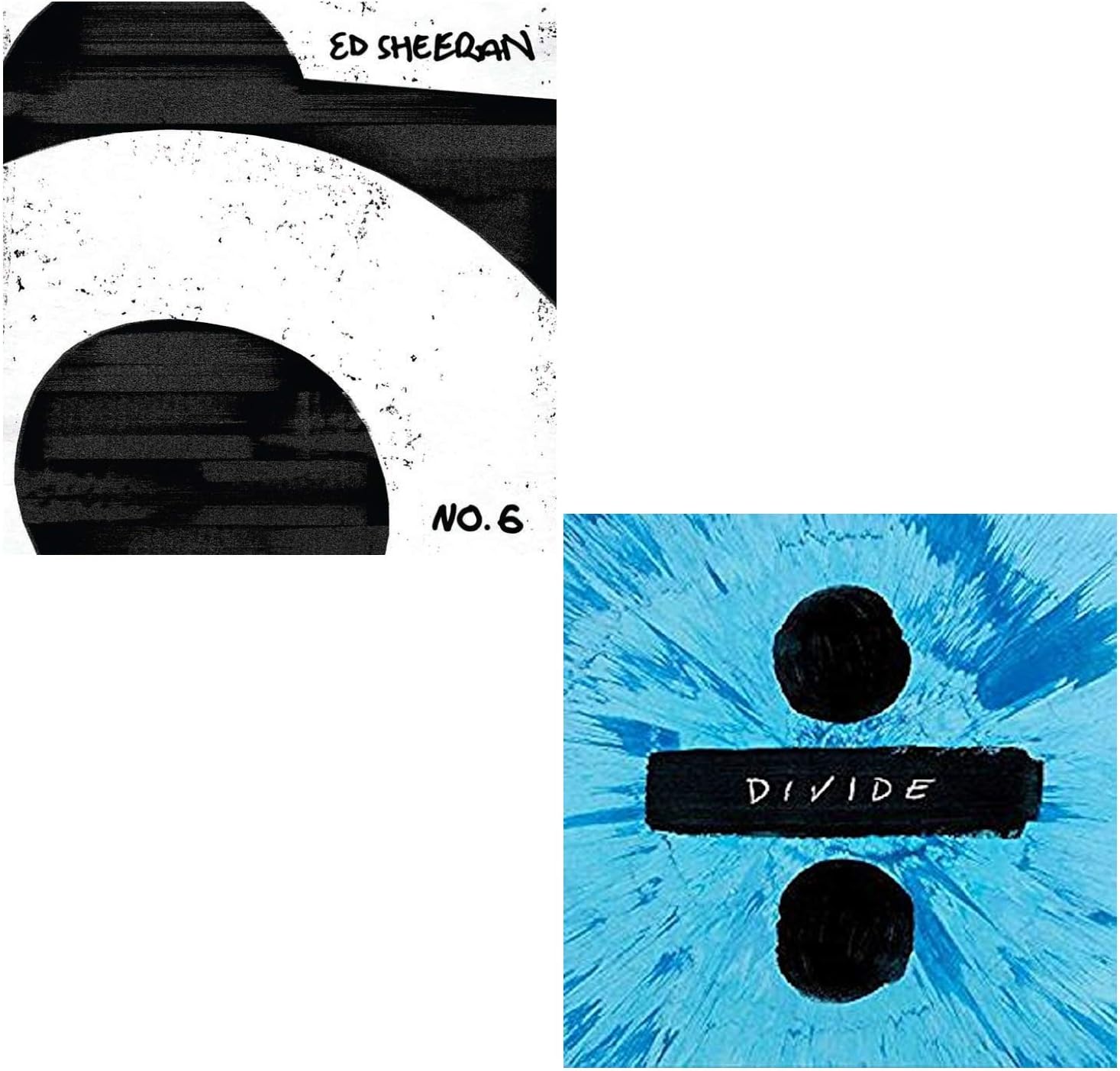
No.6 Collaborations Project is the fourth studio album by English singer-songwriter Ed Sheeran, released on July 12, 2019. Diverging from his mathematical solo album series, this project features a guest artist on every track, spanning...
No.6 Collaborations Project is the fourth studio album by English singer-songwriter Ed Sheeran, released on July 12, 2019. Diverging from his mathematical solo album series, this project features a guest artist on every track, spanning genres such as hip-hop, R&B, grime, and rock, serving as a high-profile successor to his 2011 EP.
Contents
The Genesis of the No. 6 Collaborations Project
To understand the No. 6 Collaborations Project, one must look back to Sheeran's early career in the London indie scene. In 2011, before he became a household name with his debut album + (Plus), Sheeran released an eight-track EP titled No. 5 Collaborations Project. That underground release featured prominent UK grime artists like Devlin, Wiley, and P Money, showcasing Sheeran’s ability to weave folk-pop sensibilities into urban landscapes.
By 2019, Sheeran had reached the pinnacle of global superstardom. Following the record-breaking success of the ÷ (Divide) Tour, he felt the creative urge to return to the collaborative format, but this time on a global scale. As of 2026, music historians view this album as the moment Sheeran transitioned from a solo acoustic performer into a versatile "musical curator," capable of holding his own alongside the world's biggest rappers and pop icons.
The project was recorded largely in secret while Sheeran was traveling. Unlike his more introspective solo albums, No. 6 was designed to be a "playlist-style" album, reflecting the modern streaming era's preference for diverse sounds and high-profile features. It allowed Sheeran to experiment with styles—such as the hard rock found in "Blow"—that might have felt out of place on a standard solo record like Subtract or Equals.
Tracklist and Key Collaborators
The primary appeal of the No. 6 Collaborations Project lies in its massive guest list. Sheeran leveraged his industry connections to pair himself with legends like Eminem and 50 Cent, as well as rising stars who have since become industry titans by 2026.
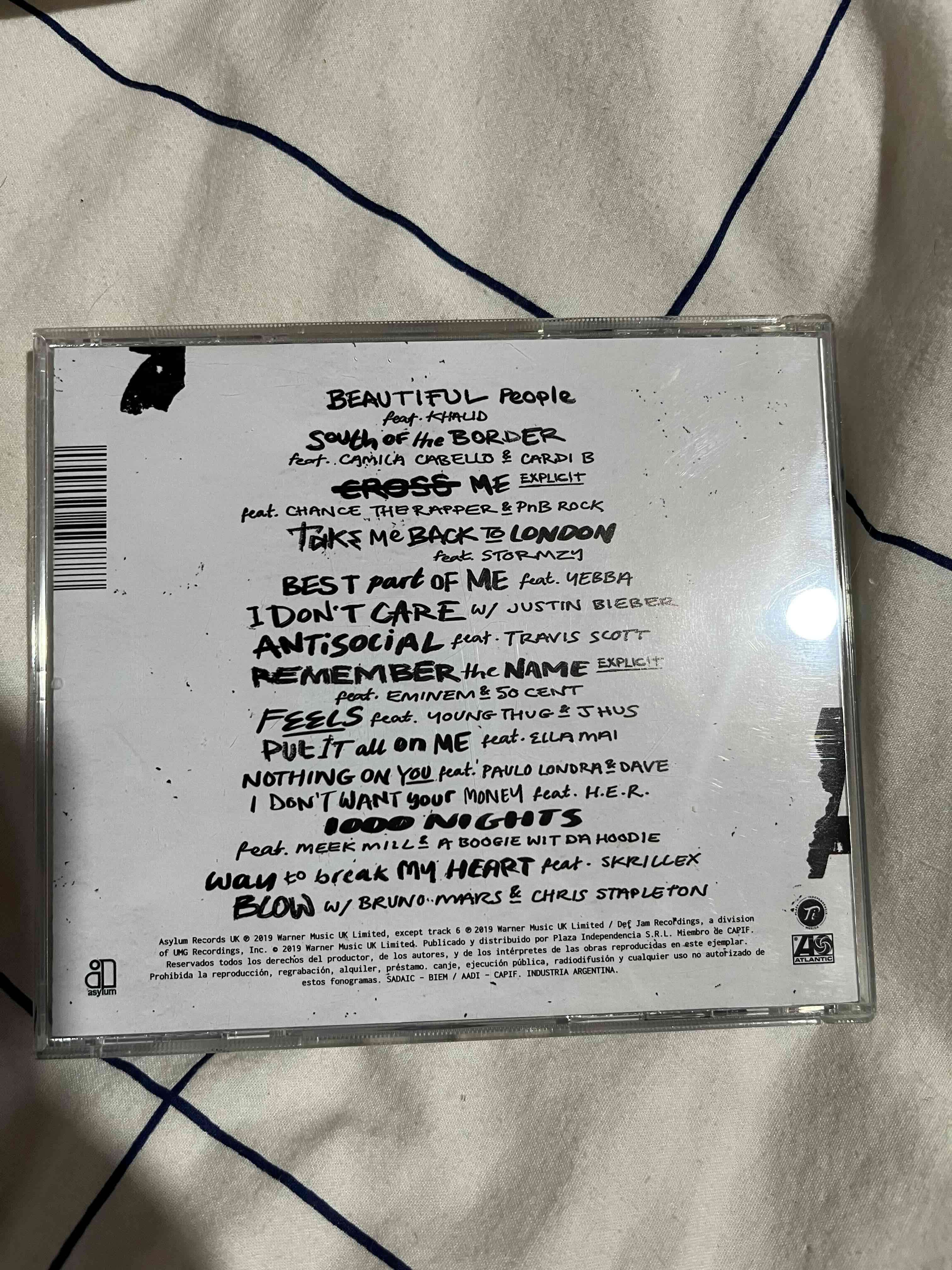
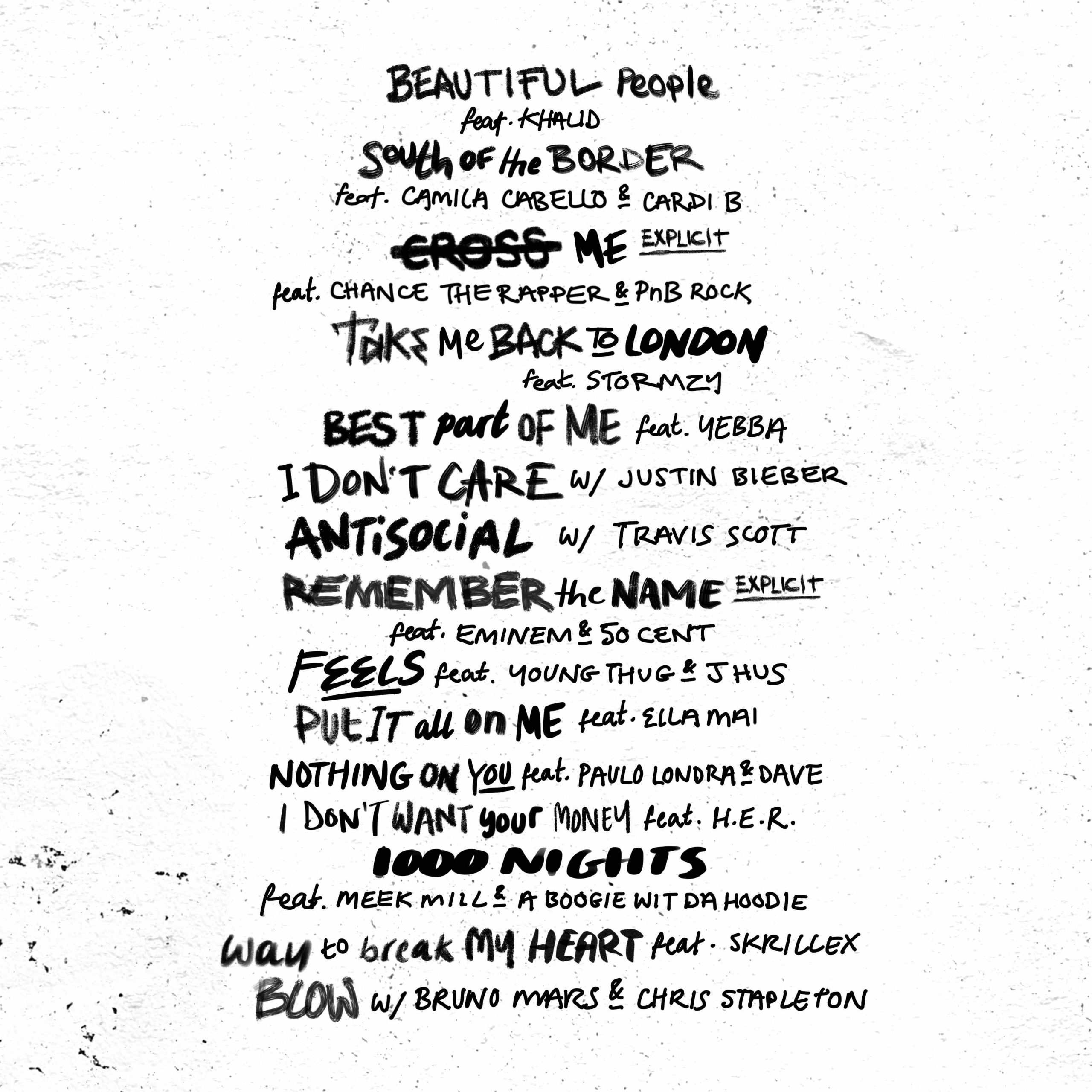
The album consists of 15 tracks, each featuring at least one guest. The lead single, "I Don't Care" with Justin Bieber, set the tone for the album’s commercial dominance, reaching number one in 26 countries. Other notable tracks included "Beautiful People" with Khalid, which addressed the pressures of fame, and "South of the Border," a multilingual hit featuring Camila Cabello and Cardi B.
| Track # | Song Title | Featured Artists | Primary Genre |
|---|---|---|---|
| 1 | Beautiful People | Khalid | Pop / R&B |
| 2 | South of the Border | Camila Cabello & Cardi B | Latin Pop |
| 3 | Cross Me | Chance the Rapper & PnB Rock | Hip-Hop |
| 4 | Take Me Back to London | Stormzy | Grime |
| 5 | Best Part of Me | Yebba | Acoustic / Soul |
| 6 | I Don't Care | Justin Bieber | Dance-Pop |
| 7 | Antisocial | Travis Scott | Trap / Hip-Hop |
| 8 | Remember the Name | Eminem & 50 Cent | Hip-Hop |
| 9 | Feels | Young Thug & J Hus | Afro-swing |
| 10 | Put It All on Me | Ella Mai | R&B |
| 11 | Nothing on You | Paulo Londra & Dave | Latin Trap / Grime |
| 12 | I Don't Want Your Money | H.E.R. | Funk / Soul |
| 13 | 1000 Nights | Meek Mill & A Boogie wit da Hoodie | Hip-Hop |
| 14 | Way to Break My Heart | Skrillex | Electronic / Pop |
| 15 | Blow | Chris Stapleton & Bruno Mars | Hard Rock |
Genre Versatility and Creative Direction
One of the most technically impressive aspects of the No. 6 Collaborations Project is its genre-hopping nature. Sheeran did not simply invite artists to join his world; he often stepped into theirs. This required a sophisticated production team to ensure the album felt cohesive despite its varied sonic palette.
Hip-Hop and Grime Influence
Sheeran has never hidden his love for hip-hop, often citing Eminem as a primary influence. "Remember the Name" fulfilled a lifelong dream for Sheeran, featuring both Eminem and 50 Cent on a track that celebrates their respective rises to fame. Additionally, Sheeran honored his UK roots with "Take Me Back to London" featuring Stormzy. Produced by Skrillex and Kenny Beats, the track is a masterclass in UK grime-pop crossover, emphasizing Sheeran’s comfort with double-time flows and urban slang.
Acoustic Soul and R&B
In contrast to the high-energy rap tracks, songs like "Best Part of Me" featuring Yebba showcase the stripped-back, emotional songwriting that originally made Sheeran famous. The track relies on a simple guitar melody and powerful vocal harmonies. Similarly, "Put It All on Me" with Ella Mai captures a smooth, late-90s R&B vibe that was highly praised by critics for its understated production.
The Rock Experiment
The album’s closing track, "Blow," remains one of the most surprising entries in Sheeran’s discography. Featuring country star Chris Stapleton and pop powerhouse Bruno Mars, the song is a heavy, riff-driven rock anthem. It demonstrated that Sheeran could transcend the "guy with a guitar" trope and successfully front a stadium-rock production. As of 2026, this track is often cited as a fan-favorite during his live retrospective sets.
Production Credits and Technical Execution
While Sheeran’s name is on the cover, the technical brilliance of the album is shared with a legendary team of producers. Max Martin and Shellback, the Swedish hitmakers, were instrumental in the polished sound of "I Don't Care." Their involvement ensured that the album maintained a high commercial floor, optimized for radio play and digital streaming algorithms.
Another key figure in the project was Fred again.. (Frederick Gibson). Before he became a global electronic music phenomenon in the early 2020s, Fred again.. was a core collaborator on No. 6, receiving production and songwriting credits on nearly every track. His ability to blend organic instruments with modern electronic textures provided the "glue" that prevented the album from sounding like a disjointed compilation.
The album was mixed and mastered with an emphasis on "loudness" and clarity, designed to compete in a landscape dominated by hip-hop-influenced pop. According to Billboard, the album's success was partly due to its "playlist-first" construction, which allowed various tracks to be slotted into different genre-specific curated lists on platforms like Spotify and Apple Music.
Commercial Performance and Global Impact
Upon its release, the No. 6 Collaborations Project was a commercial juggernaut. It debuted at number one on the Billboard 200 in the United States and the Official Albums Chart in the UK. In the UK specifically, it achieved the feat of having three tracks in the top five of the singles chart simultaneously.
From a 2026 perspective, the album's longevity is evident in its streaming numbers. It has surpassed several billion streams, with "I Don't Care" and "Beautiful People" remaining staples on recurrent radio playlists. The album was eventually certified 3x Platinum by the RIAA in the United States, cementing its status as one of the defining pop records of the late 2010s.
The album also had a significant impact on how collaborations are handled in the industry. It moved away from the "remix" culture—where a guest is added to a pre-existing song—and moved toward intentional, ground-up collaborative songwriting. This paved the way for other "curator" albums from artists like DJ Khaled and Metro Boomin, who followed similar star-studded blueprints.
Critical Reception: Then and Now
Critically, the album received a "mixed to positive" reception. Some critics, such as those at Rolling Stone, praised the album as a fun, low-stakes celebration of Sheeran's fame and his ability to work with any artist. They noted that the project didn't need the thematic weight of his mathematical albums because its primary goal was entertainment.
However, other outlets like Pitchfork were more critical, suggesting that the sheer number of guests occasionally overshadowed Sheeran’s own identity. Some felt the album was a corporate product designed to maximize streaming numbers through "feature baiting."
In the years since—now looking back from 2026—public opinion has softened. Fans view the album as a vital bridge in Sheeran’s career. It allowed him to "get the pop-star energy out of his system" before returning to more personal, folk-driven projects. It is now appreciated as a time capsule of 2019's musical landscape, capturing a moment when hip-hop and pop were becoming indistinguishable.
Frequently Asked Questions
Is the No. 6 Collaborations Project considered a studio album?
Yes, despite its title and collaborative nature, it is officially categorized as Ed Sheeran's fourth studio album. While it shares a naming convention with his 2011 EP, the scale, production, and distribution were those of a full-length major-label studio release.
Why did Ed Sheeran decide to do a collaboration-only album?
Sheeran has stated in interviews that he is a "fan first." After the grueling three-year cycle for the Divide album, he wanted to do something that felt like "fun" rather than "work." The project allowed him to collaborate with artists he admired without the pressure of maintaining a specific solo narrative.
Which song from the album was the most successful?
"I Don't Care" with Justin Bieber was the most commercially successful single, topping charts worldwide and breaking the single-day streaming record on Spotify at the time of its release. "Beautiful People" and "South of the Border" also achieved multi-platinum status.
How does this album relate to his "mathematical" albums (+, x, ÷, =, -)?
The No. 6 Collaborations Project sits outside the mathematical series. While those albums focus on Sheeran’s personal growth, life stages, and solo artistry, No. 6 is a standalone project focused on musical community and genre exploration.
Will there be a No. 7 Collaborations Project?
As of 2026, Sheeran has not officially announced a "No. 7" project. However, he has frequently mentioned that he enjoys the collaborative format. Given his history of returning to old concepts, fans remain hopeful that he will eventually release a third installment in the collaborations series.
Summary of Actionable Next Steps for Listeners
If you are exploring the No. 6 Collaborations Project for the first time or revisiting it in 2026, here are some recommendations:
- Listen for the Production: Pay close attention to the drum patterns and synth work by Fred again.. and Max Martin; it represents the pinnacle of 2019 pop production.
- Compare to No. 5: If you enjoy the grime-heavy tracks like "Take Me Back to London," go back and listen to the No. 5 Collaborations Project (2011) to see how Sheeran’s approach to the genre has evolved.
- Watch the Music Videos: Many of the tracks, such as "Antisocial" and "Cross Me," feature high-budget, creative music videos that add a layer of visual storytelling to the songs.
- Check the Credits: Use a platform like Discogs or Spotify's "Song Credits" feature to see the songwriters involved; many tracks feature uncredited backing vocals and writing from other famous artists.
Image Gallery