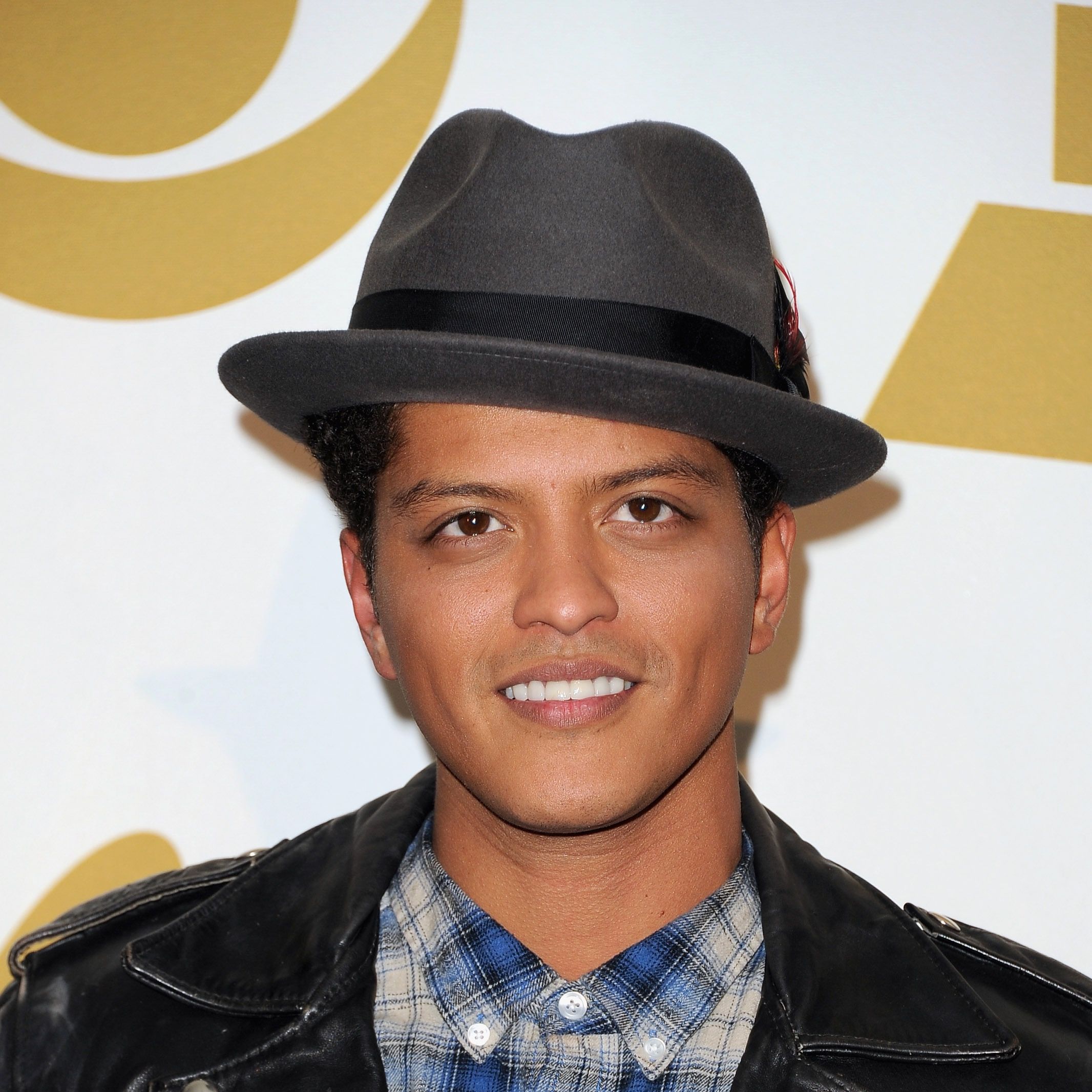
Bruno Mars Nationality: Cultural Heritage, Ethnicity, and Background Explained
Bruno Mars holds American nationality, having been born and raised in Honolulu, Hawaii, while possessing a rich multicultural and multi-ethnic ancestry deeply rooted in Puerto Rican, Jewish, Filipino, and Spanish heritage. This unique...
Bruno Mars holds American nationality, having been born and raised in Honolulu, Hawaii, while possessing a rich multicultural and multi-ethnic ancestry deeply rooted in Puerto Rican, Jewish, Filipino, and Spanish heritage. This unique global background heavily influences his artistic identity, musical versatility, and genre-bending sound.
Contents
Understanding Bruno Mars' National Identity and Place of Birth
The question of Bruno Mars' nationality often arises due to his diverse physical appearance, international appeal, and the global nature of his musical style. To clarify his legal status and geographic origins, it is essential to separate nationality from ethnicity and cultural heritage.
- Legal Nationality: American. Bruno Mars was born in the United States, specifically in Honolulu, Hawaii, making him a native-born U.S. citizen from birth.
- Birthplace: Honolulu, Hawaii, United States. He grew up in the Waikiki neighborhood, where he began performing music at a very young age within his family's musical revue.
- Legal Name: Peter Gene Hernandez. He adopted the stage name "Bruno Mars" during his early teenage years to avoid industry stereotyping and to forge a distinct persona.
The Distinction Between Nationality and Ethnicity in Pop Culture
In modern entertainment analysis, audiences frequently conflate the passport a celebrity holds with their ancestral lineage. While Bruno Mars is unequivocally American by nationality, his genetic and cultural makeup spans multiple continents. This blending of backgrounds is a cornerstone of his identity, allowing him to navigate diverse musical traditions—ranging from classic soul and funk to R&D and reggae—with authentic reverence.
Exploring the Multi-Ethnic Heritage of Peter Gene Hernandez
Bruno Mars' multicultural background comes directly from his parents, who both immigrated to Hawaii from different parts of the world, bringing distinct cultural traditions and musical influences into his household.
Maternal Roots: The Philippines
His mother, Bernadette "Bernie" San Pedro Bayot, immigrated to the United States from the Philippines as a child.
- Filipino heritage forms a significant part of his maternal lineage.
- His mother was a hula dancer and singer, introducing him to performing arts and diverse rhythmic styles early in life.
- The Filipino community in Hawaii provided a supportive environment that celebrated cross-cultural arts and entertainment.
Paternal Roots: Puerto Rico and Ukraine/Hungary
His father, Peter Hernandez, is of Puerto Rican and Jewish descent (with ancestral roots tracing back to Ukraine and Hungary via Jewish migration to Brooklyn, New York).
- Puerto Rican ancestry contributes heavily to the rhythmic, percussion-driven elements found in many of Bruno's live performances and uptempo tracks.
- Eastern European Jewish ancestry via his paternal grandparents adds another layer to his complex genealogical makeup.
- His father worked as a Latin percussionist, performing Little Richard and Frankie Lymon cover songs, which exposed young Peter to 1950s rock and roll, doo-wop, and salsa.
Geographic and Cultural Breakdown of Ancestry
To better understand the various cultural threads that form Bruno Mars' background, the following breakdown outlines his ancestral origins, geographic regions, and their primary cultural contributions to his life and artistry.
| Ancestral Origin | Geographic Region | Cultural & Artistic Influence |
|---|---|---|
| American (Native) | Honolulu, Hawaii, USA | Lifelong upbringing, exposure to diverse Pacific Island cultures, and American pop radio. |
| Puerto Rican | Caribbean / Latin America | Appreciation for percussion, Latin rhythms, groove-oriented basslines, and dance-heavy stage presence. |
| Filipino | Southeast Asia | Strong family values, early exposure to community performance, and maternal artistic encouragement. |
| Jewish (Ashkenazi) | Eastern Europe (Ukraine / Hungary) | Historical lineage through paternal grandparents originating from Brooklyn and Eastern Europe. |
How His Upbringing in Hawaii Shaped His Global Identity
Growing up in Hawaii played a pivotal role in shaping Bruno Mars' worldview. Unlike the mainland United States, where racial demographics can sometimes be intensely polarized, Hawaii offers a unique melting pot of Asian, Pacific Islander, European, and Latin American cultures.
- Musical Melting Pot: In Honolulu, local radio stations played everything from reggae and slack-key guitar music to American R&B and classic rock. This constant immersion prevented him from being confined to a single genre.
- Family Band Environment: His father formed a Las Vegas-style variety show called "The Love Notes," where family members performed impersonations of Elvis Presley, Michael Jackson, and The Isley Brothers. Bruno performed as a young Elvis impersonator, earning local fame and mastering stage presence before moving to Los Angeles at age 17.
- Multicultural Normalcy: Because Hawaii is naturally diverse, Mars experienced a childhood where having a mixed ethnic background was entirely normal, fostering a comfort level that later translated into his global appeal as an artist transcending traditional demographic boxes.
Addressing Common Misconceptions Regarding His Background
Because of his ambiguous features and global persona, fans frequently search for his background, leading to several persistent myths online.
- Is Bruno Mars Hispanic? Yes, partially. Through his father, he has Puerto Rican heritage, though he is not a native Spanish speaker and grew up primarily within American culture in Hawaii.
- Is Bruno Mars Black or African American? No. While his music heavily draws from historically Black genres such as funk, soul, R&B, and motown, and he has frequently faced discussions about cultural appropriation and influence, his genetic ancestry is a mix of Puerto Rican, Jewish, and Filipino.
- Did He Change His Nationality? No. He remains a U.S. citizen, though his career has taken him across the globe, establishing him as a truly international superstar with massive fanbases in Asia, Europe, and the Americas.
Frequently Asked Questions About Bruno Mars
What is Bruno Mars' official nationality?
Bruno Mars is an American citizen by birth, having been born and raised in Honolulu, Hawaii. His legal nationality is strictly United States American.
Where was Bruno Mars born?
He was born in Honolulu, Hawaii, on October 8, 1985, where he spent his formative childhood years before relocating to Los Angeles to pursue a professional music career.
What is Bruno Mars' ethnicity?
His ethnicity is a diverse mix of Puerto Rican and Jewish (paternal) and Filipino (maternal). This multi-ethnic background forms the foundation of his unique physical appearance and cultural identity.
Why is he named Bruno Mars?
He was given the nickname "Bruno" by his father because he resembled professional wrestler Bruno Sammartino as a baby. He added "Mars" later in his teens because girls told him he was "out of this world," effectively creating the moniker Bruno Mars.
Does Bruno Mars speak other languages?
While he grew up surrounded by various cultures in Hawaii and incorporates Latin rhythms into his music, English is his primary and native language. He does not claim fluency in Tagalog or Spanish.
Conclusion and Artistic Legacy
Bruno Mars' nationality is unequivocally American, but his identity is defined by a rich tapestry of global ethnicities. By embracing his Puerto Rican, Filipino, and Jewish roots alongside his Hawaiian upbringing, he has crafted a universal musical style that resonates across international borders. Understanding his background highlights how multicultural heritage can enrich modern pop culture, producing artists who speak to global audiences with authenticity and historical reverence.
Image Gallery