Understanding Wishbone Suspension: Design, Function, and Performance
A wishbone suspension is an independent automotive suspension system that utilizes two A-shaped arms—known as wishbones or control arms—to locate the wheel. Each wishbone has two mounting points to the vehicle chassis and a single join...
A wishbone suspension is an independent automotive suspension system that utilizes two A-shaped arms—known as wishbones or control arms—to locate the wheel. Each wishbone has two mounting points to the vehicle chassis and a single joint at the wheel hub. This configuration allows for precise control over wheel motion, maintaining optimal tire contact with the road during cornering and vertical travel.
Contents
In the landscape of automotive engineering in 2026, the wishbone suspension remains the benchmark for high-performance handling and ride quality. While simpler systems like the MacPherson strut dominate the economy car market due to their low cost and compact size, the double wishbone design is the preferred choice for sports cars, luxury sedans, and heavy-duty off-road vehicles. Its ability to decouple various suspension forces allows engineers to tune a vehicle's handling characteristics with a level of granularity that simpler systems cannot match.
The Anatomy of a Wishbone Suspension
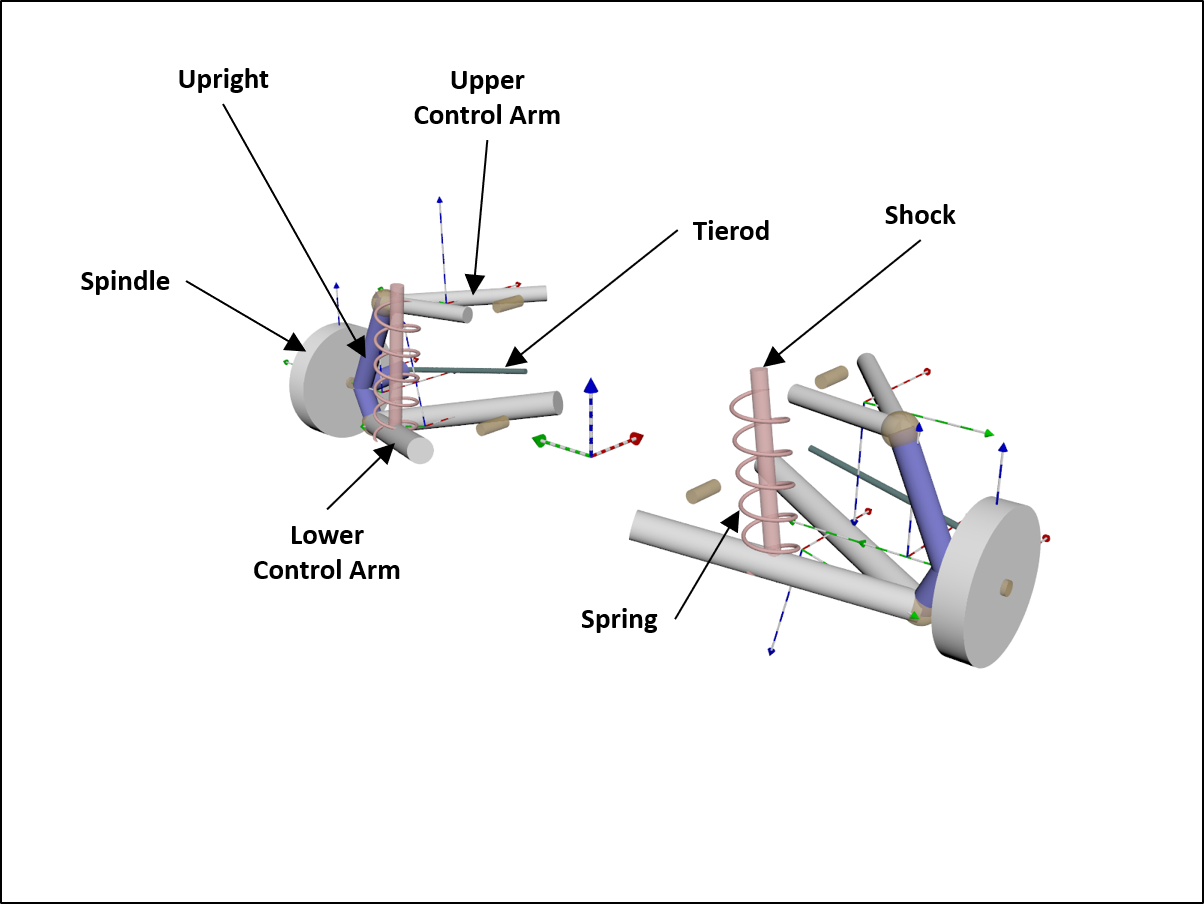
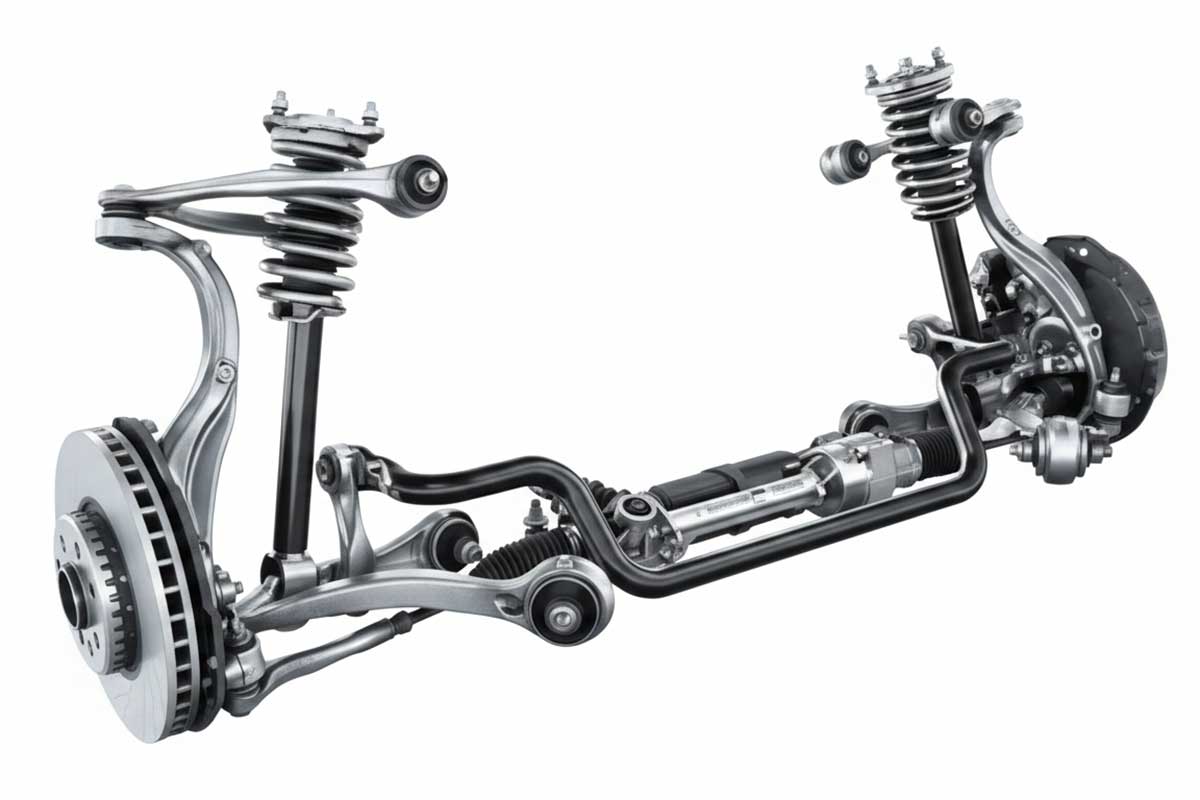
To understand how a wishbone suspension functions, one must first look at its primary components. The system is often referred to as a "double wishbone" because it almost always employs a pair of arms: an upper control arm and a lower control arm.
Control Arms (Wishbones)
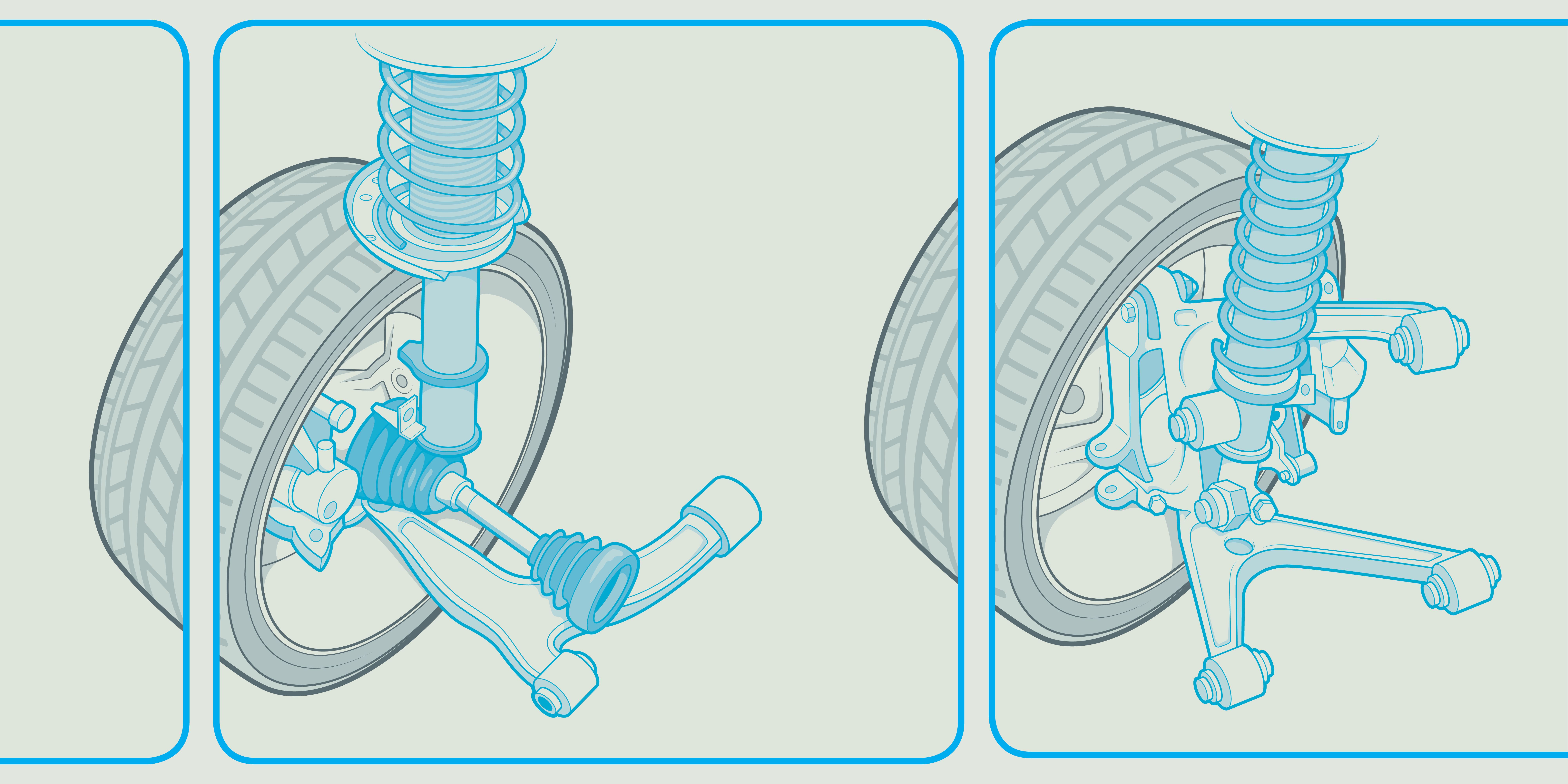
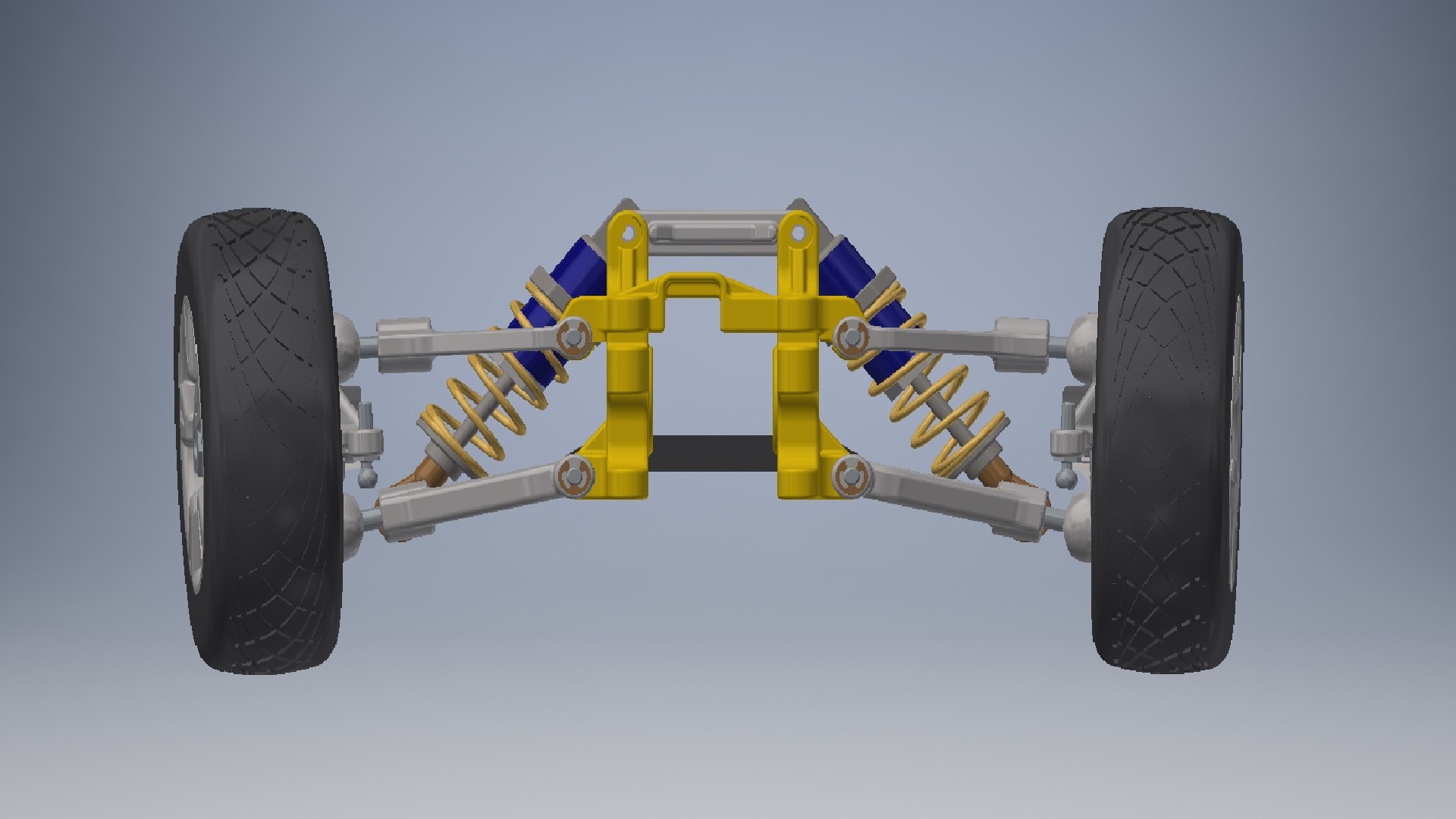
The "wishbone" itself is a triangular or A-shaped component. The wide end of the "A" is attached to the vehicle's frame or subframe via rubber or polyurethane bushings. These bushings allow the arm to pivot up and down while resisting fore-and-aft movement. The narrow end of the "A" connects to the steering knuckle (or upright) via a ball joint. This three-point mounting system provides excellent lateral (side-to-side) rigidity, ensuring the wheel stays in its intended position even under high cornering loads.
The Steering Knuckle and Ball Joints
The steering knuckle is the component that holds the wheel hub, bearings, and brake assembly. In a wishbone setup, the knuckle is sandwiched between the upper and lower arms. The ball joints at the ends of the wishbones allow the knuckle to pivot for steering and to move vertically as the suspension compresses and rebounds. Because the knuckle is supported at two distinct points (top and bottom), it is much more stable than systems that use the shock absorber as a structural member.
Spring and Damper Assembly
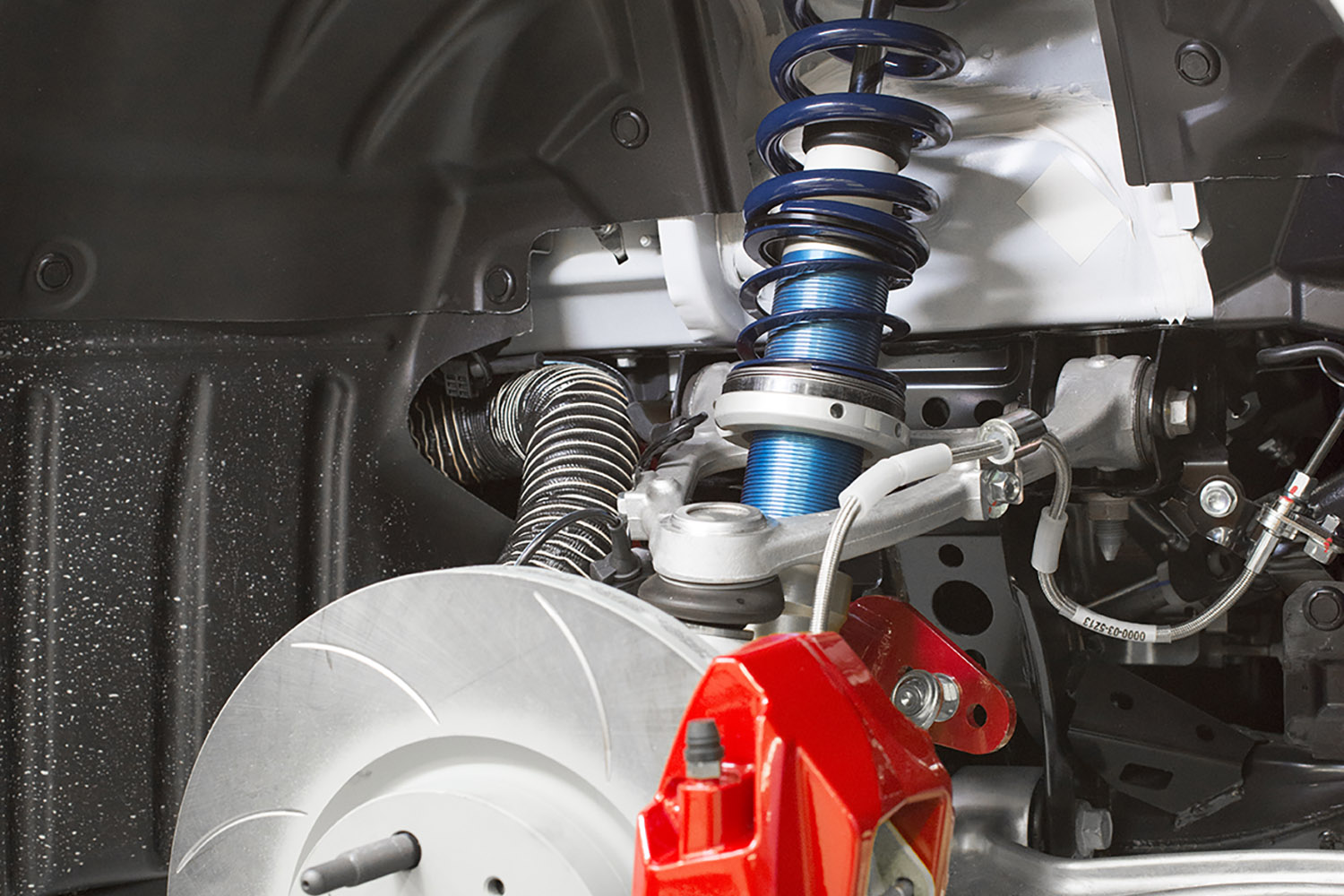
In a typical double wishbone configuration, the coil spring and shock absorber (damper) are packaged together. They usually attach to the lower control arm and extend upward to the chassis. Unlike a MacPherson strut, the damper in a wishbone system does not have to resist lateral forces; its sole job is to control the vertical movement of the wheel and the energy of the spring. This specialization allows for more sensitive damping and a more comfortable ride.
How Wishbone Suspension Works: The Kinematics
The primary advantage of the wishbone suspension lies in its kinematics—the geometry of how the parts move relative to one another. The most critical aspect of this is camber control.
Camber is the angle of the wheel relative to the ground when viewed from the front of the vehicle. For maximum grip, you want the tire to remain as flat as possible against the road surface. When a car turns, the body rolls. In a simple suspension, this body roll causes the tires to lean with the car, reducing the contact patch.
Engineers design wishbone systems with unequal arm lengths—specifically, a shorter upper arm and a longer lower arm. This is often called a Short-Long Arm (SLA) suspension. As the wheel moves upward (compression), the shorter upper arm pulls the top of the wheel inward more aggressively than the lower arm. This creates "negative camber gain," which counteracts the leaning effect of body roll. Consequently, the tire stays perpendicular to the road, maximizing traction exactly when the driver needs it most.
Beyond camber, the wishbone design allows for precise management of:
- Caster: The forward or backward tilt of the steering axis, which affects straight-line stability and steering feel.
- Toe: The inward or outward angle of the wheels when viewed from above, which influences turn-in response and tire wear.
- Anti-dive and Anti-squat: By angling the mounting points of the wishbones on the chassis, engineers can prevent the front of the car from "diving" under hard braking or the rear from "squatting" under hard acceleration.
Comparing Suspension Systems
When selecting a vehicle or upgrading a chassis, it is helpful to compare the wishbone design against its most common rival: the MacPherson strut.
| Feature | Double Wishbone Suspension | MacPherson Strut Suspension |
|---|---|---|
| Handling Precision | Exceptional; maintains optimal tire contact. | Good; but geometry changes under load. |
| Camber Control | Highly tunable; minimizes contact patch loss. | Limited; camber changes significantly with travel. |
| Space Required | Wide; requires significant lateral space. | Compact; allows for narrower engine bays. |
| Cost | Higher; more parts, joints, and bushings. | Lower; simpler design, fewer components. |
| Ride Quality | Superior; separates steering and damping forces. | Moderate; friction in the strut can affect comfort. |
| Common Use Cases | Performance cars, SUVs, Luxury vehicles. | Economy cars, Small crossovers. |
Why Manufacturers Choose Wishbone Designs
Despite the increased cost and complexity, the wishbone suspension remains a staple for several key reasons:
- Tunability: Because the upper and lower arms can be adjusted independently in terms of length and mounting angle, engineers can fine-tune the suspension for specific use cases. A track-focused car might have aggressive camber gain, while a luxury cruiser might prioritize a design that isolates road vibration.
- Lower Hood Lines: Because the shock absorber doesn't need to be as tall as a MacPherson strut (which must reach the top of the wheel well to provide structural support), designers can create cars with lower, more aerodynamic hood lines.
- Durability in Heavy Applications: In 2026, many electric vehicles (EVs) utilize double wishbone front suspensions to manage the immense weight of large battery packs. The dual-arm design distributes the load more effectively across the chassis than a single-strut system.
- Steering Feel: Since the steering axis is defined by two ball joints rather than a strut mount and a single joint, the steering tends to be more precise and less prone to "torque steer" in powerful front-wheel-drive or all-wheel-drive applications.
Potential Drawbacks and Limitations
No mechanical system is without its trade-offs. The wishbone suspension has three primary disadvantages:
- Packaging Constraints: The "A" shape of the arms requires significant width. This can make it difficult to package large engines or complex drive systems in small cars. This is why you rarely see double wishbones in the "subcompact" or "city car" segments.
- Maintenance Complexity: With more ball joints and bushings than a strut system, there are more points of failure. A double wishbone front end has four ball joints (two per side) compared to the two found in a strut system. As these wear out over time, they can lead to clunking noises and imprecise handling.
- Unsprung Weight: While modern materials like forged aluminum have reduced the weight of these components, a wishbone system generally has more "unsprung mass" (weight not supported by the springs) than a MacPherson setup. This can make it slightly harder for the suspension to react to very high-frequency road bumps.
Maintenance and Troubleshooting in 2026
If you own a vehicle with a wishbone suspension, maintaining the integrity of the bushings and ball joints is paramount. In the current 2026 automotive market, many high-end systems use electronic sensors to monitor bushing deflection, but manual inspection is still the gold standard.
Common Signs of Wear
- Uneven Tire Wear: If the inner or outer edges of your tires are wearing faster than the center, your camber or toe settings may have drifted due to worn bushings.
- Steering Wander: If the car feels "darty" or requires constant corrections to stay straight, the ball joints may have developed "play."
- Audible Clunks: A sharp "pop" or "clunk" when driving over speed bumps or turning the wheel usually indicates a dry or failing ball joint.
The Importance of Alignment
Whenever a component of a wishbone suspension is replaced—even a single bushing—a professional four-wheel alignment is mandatory. Because the geometry is so precise, even a millimeter of variance in the mounting position can significantly alter the vehicle's handling and safety.
FAQ
Is a wishbone suspension better for off-roading?
Yes, it is highly valued in independent front suspension (IFS) off-road vehicles. The dual-arm design provides great strength and allows for significant wheel travel while keeping the tire's contact patch stable on uneven terrain. This is why many high-performance off-road trucks and SUVs utilize heavy-duty wishbone setups.
Can I convert a MacPherson strut car to a wishbone?
In theory, yes, but in practice, it is an extremely complex engineering task. It requires fabricating new mounting points on the chassis, which often involves significant welding and structural reinforcement. For most enthusiasts, it is more cost-effective to optimize the existing strut system with high-quality dampers and adjustable plates.
What is a "Multi-Link" suspension?
A multi-link suspension is essentially an evolution of the double wishbone. Instead of two solid A-shaped arms, it uses three or more independent "links." This allows engineers even greater control over the wheel's movement, but it adds even more cost and complexity.
Do wishbone suspensions require special shocks?
While they don't necessarily require "special" technology, the shocks used in wishbone systems are usually shorter and do not have the integrated steering knuckle mounts found on MacPherson struts. They are often referred to as "coil-overs" when the spring is mounted directly on the shock body.
Why do Formula 1 cars use wishbone suspension?
F1 cars use wishbones primarily for aerodynamic efficiency and geometry control. The arms can be shaped like airfoils to help direct air to the radiators or rear wing, and the unequal-length design ensures the massive racing slicks stay perfectly flat against the track during high-speed cornering.
Final Recommendation
If you are evaluating a vehicle purchase or a project build in 2026 and prioritize handling precision and ride refinement, a double wishbone suspension is a feature worth seeking out. For daily commuting in a compact car, the MacPherson strut is sufficient and easier on the wallet. However, for those who value the mechanical "purity" of a car that maintains its grip regardless of how hard it is pushed into a corner, the wishbone remains the gold standard of chassis engineering. Ensure you perform regular inspections of the ball joints every 30,000 miles to keep the system performing as intended.
Image Gallery