How to Create My Will Online: A Step-by-Step Guide
Creating a last will and testament online is a streamlined, cost-effective method for establishing a legally binding document that dictates how your assets are distributed and who manages your affairs after your death. By utilizing dig...
Creating a last will and testament online is a streamlined, cost-effective method for establishing a legally binding document that dictates how your assets are distributed and who manages your affairs after your death. By utilizing digital estate planning platforms, individuals can generate state-compliant legal forms by answering a series of guided, plain-English questions, often saving significantly on traditional legal fees while ensuring essential instructions are properly documented.
Contents
Understanding the Role of Online Will Services
Online will services are software-driven platforms designed to simplify the estate planning process. Unlike generic legal templates found in stationery stores, these platforms typically use interactive questionnaires that adjust based on your specific responses. If you indicate you own a home, have minor children, or possess specific digital assets, the software incorporates the necessary legal clauses to address those variables.
It is important to recognize that these platforms act as tools, not as law firms. While they are built by legal professionals and kept updated with current state statutes, they do not provide personalized legal counsel. If your estate involves complex business ownership, blended family dynamics, potential tax complications, or significant international assets, a DIY approach may not be sufficient. However, for the majority of individuals with straightforward financial situations, online services offer a robust and reliable alternative to traditional counsel.
Prerequisites Before You Begin
Before you log into an online platform, you must organize your financial and personal data. Proper preparation ensures the process is accurate and helps you avoid common mistakes.
- Inventory Your Assets: List bank accounts, real estate, brokerage accounts, retirement funds, and valuable personal property. Note that some assets, such as life insurance policies and 401(k) accounts, pass directly to named beneficiaries and are generally not governed by your will.
- Identify Your Beneficiaries: Decide clearly who will receive your property. Consider naming contingent beneficiaries in case your primary choice predeceases you.
- Choose Your Executor: This person, also known as a personal representative, will carry out the instructions in your will. They must be someone you trust to handle financial matters and administrative duties.
- Appoint Guardians: If you have minor children, you must choose a guardian who will care for them. This is often the most important part of the document for parents.
- Consider Your State’s Requirements: Every state has different rules regarding witnessing and notarization. While most states require two disinterested witnesses (people who are not inheriting anything under the will), some may require or strongly recommend notarization to make the document "self-proving," which speeds up the probate process.
Comparing Traditional Legal Counsel and Online Solutions
Choosing between an attorney and an online platform depends on your unique circumstances and budget. The following table highlights key differences to help you decide which path is appropriate for your situation.
| Feature | Online Will Platform | Estate Planning Attorney |
|---|---|---|
| Cost | Typically low, flat-fee pricing | Hourly rates or high flat-fee packages |
| Speed | Can be completed in hours | Requires scheduling and meetings |
| Customization | Standardized legal logic | Fully tailored to complex scenarios |
| Legal Advice | None (self-guided) | Personalized legal counsel |
| Convenience | Accessible anytime from home | Requires travel and appointments |
The Workflow: From Drafting to Execution
Once you have gathered your information and selected a reputable platform, the process generally follows a standardized sequence.
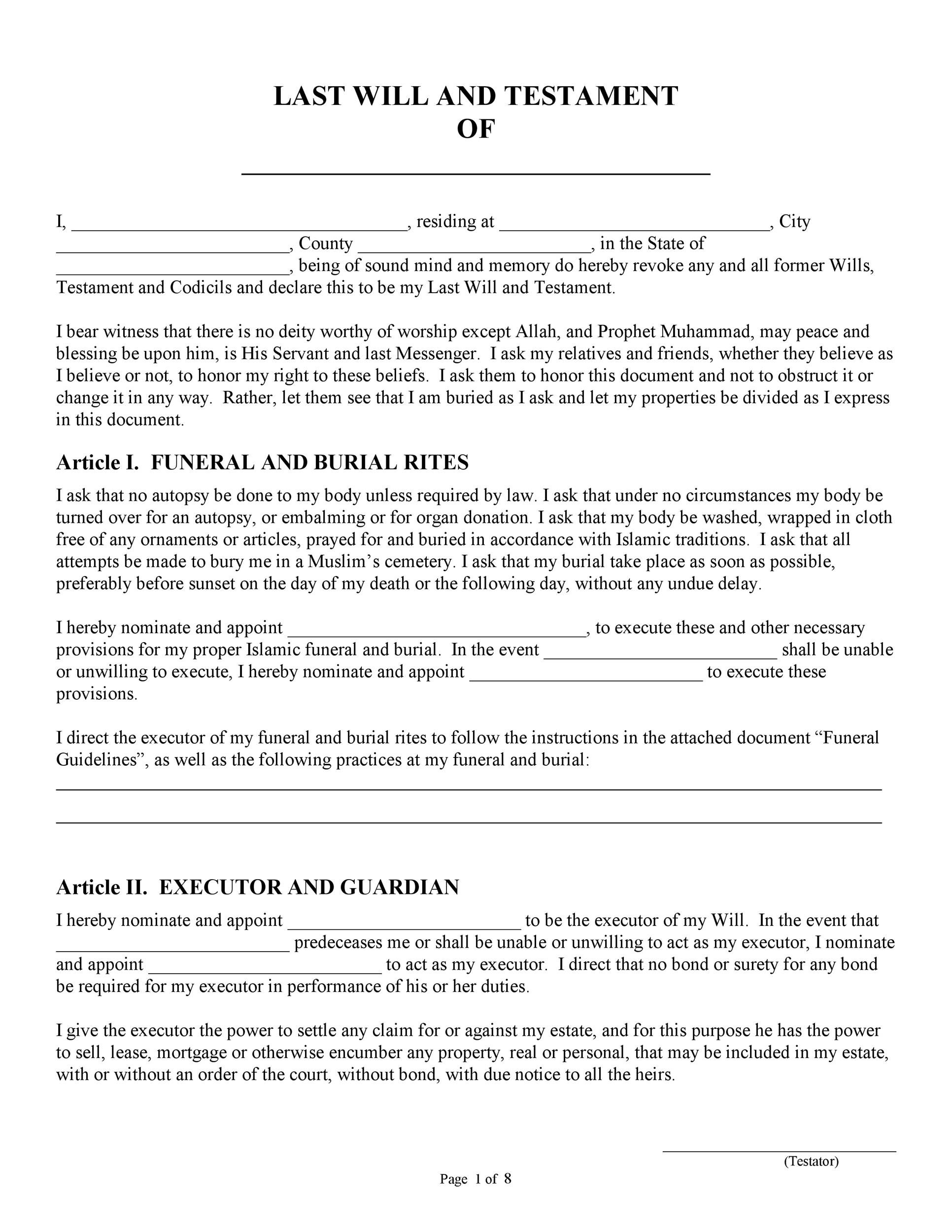
Step 1: Data Entry and Document Generation Navigate the platform's interface. You will be prompted to provide legal names, addresses, and specific distributions of property. The software will generate a document based on the laws of your specific state.
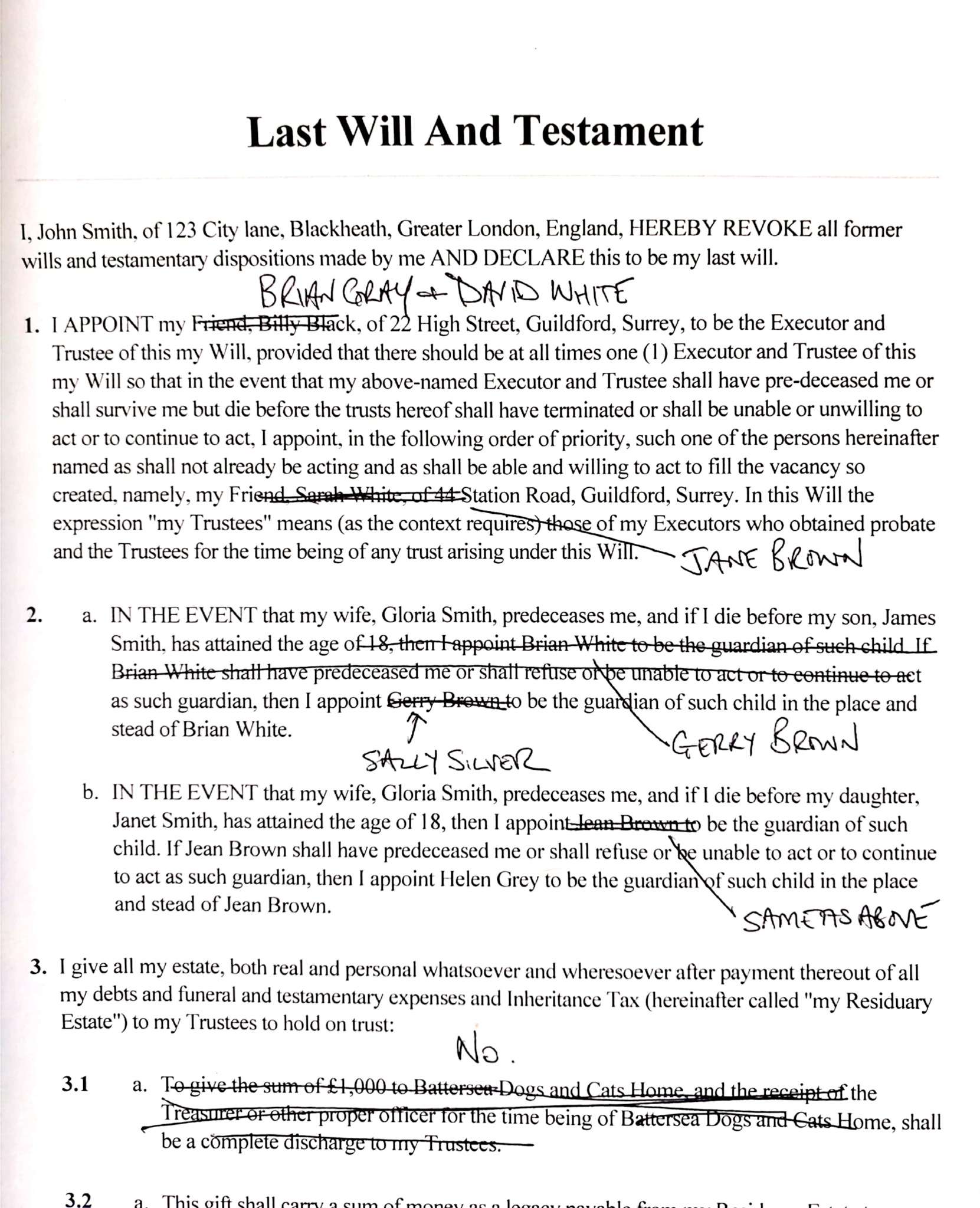
Step 2: Review and Editing Thoroughly review the generated draft. Ensure names are spelled correctly, the executor is willing to serve, and the distribution percentages total 100 percent. Most platforms allow you to revise your document over a set period if your situation changes.
Step 3: Printing and Formal Signing A will is not a legal document until it is signed correctly. In almost all jurisdictions, you must print the document and sign it in the physical presence of your witnesses. Digital signatures are generally not accepted for wills.
Step 4: Witnessing and Notarization Gather two witnesses who are at least 18 years old and are not named in the will. Sign the document in front of them, and then have them sign in your presence. If your state allows for a "self-proving affidavit," have a notary present to sign the document as well. This affidavit ensures that the court will not need to track down your witnesses years later to prove the will is valid.
Common Mistakes to Avoid
- Failing to Update: Life changes—marriages, divorces, the birth of children, or the acquisition of new property all require a will update. Treat your will as a "living" document that should be reviewed every three to five years.
- Incorrect Witnessing: If a witness is also a beneficiary, it can create a conflict of interest that may lead a court to disqualify them as a witness or void their inheritance. Always choose neutral parties.
- Storing in an Inaccessible Location: A will is useless if no one knows where it is or how to access it. Keep it in a fireproof home safe and provide your executor with instructions on how to locate it. Do not store it in a bank safety deposit box that requires a court order to open after your death.
- Vague Descriptions: Be precise when describing who gets what. Instead of "I leave my jewelry to my niece," use "I leave my diamond engagement ring to my niece, Sarah Jenkins."
Frequently Asked Questions
Does an online will expire? No, a will does not have an expiration date. However, it can become outdated due to changes in personal circumstances or state laws. It remains valid until it is formally revoked or superseded by a new will.
Can I include digital assets in an online will? Yes, most modern platforms include provisions for digital assets, such as social media accounts, cryptocurrency, or cloud-based photo libraries. You should specify who has the authority to manage or close these accounts.
What happens if I die without a will? If you die without a will (intestate), the laws of your state of residence determine how your assets are distributed. This process often ignores your specific wishes and can lead to lengthy court battles and increased costs for your heirs.
Do I need a lawyer to review my online will? While not mandatory, having a lawyer review your document can provide peace of mind, especially if you have significant assets or complicated family structures. Some platforms offer an optional "lawyer review" add-on for an additional fee.
Is a will the same as a living trust? No. A will takes effect only upon your death and goes through the probate process. A living trust can be used to manage assets during your lifetime and may allow your heirs to bypass probate, depending on your state's laws.
Recommendation
For most individuals, an online will is a significant improvement over having no estate plan at all. Start by gathering your financial inventory and identifying a trusted executor. Once prepared, utilize a reputable online service that offers state-specific compliance. Most importantly, once the document is signed and witnessed, inform your executor of its location so that your final wishes are executed without unnecessary delay or confusion.
Image Gallery