Miraitowa: The Story and Design of Japan’s 2020 Olympic Mascot
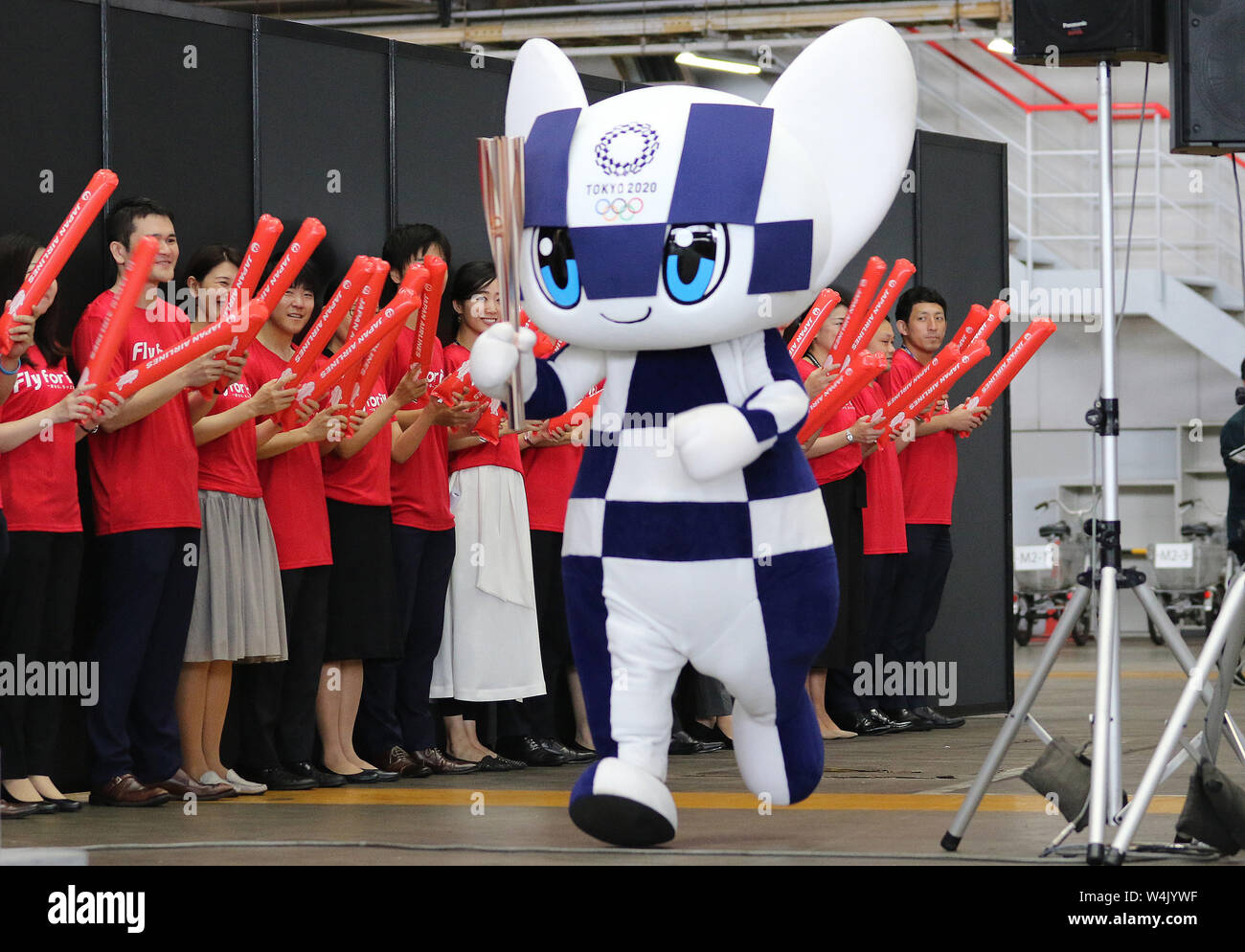
Miraitowa was the official mascot of the Tokyo 2020 Olympic Games, representing the concept of "eternal hope for the future." Designed by Ryo Taniguchi, the character features a traditional indigo blue Ichimatsu checkered pattern and w...
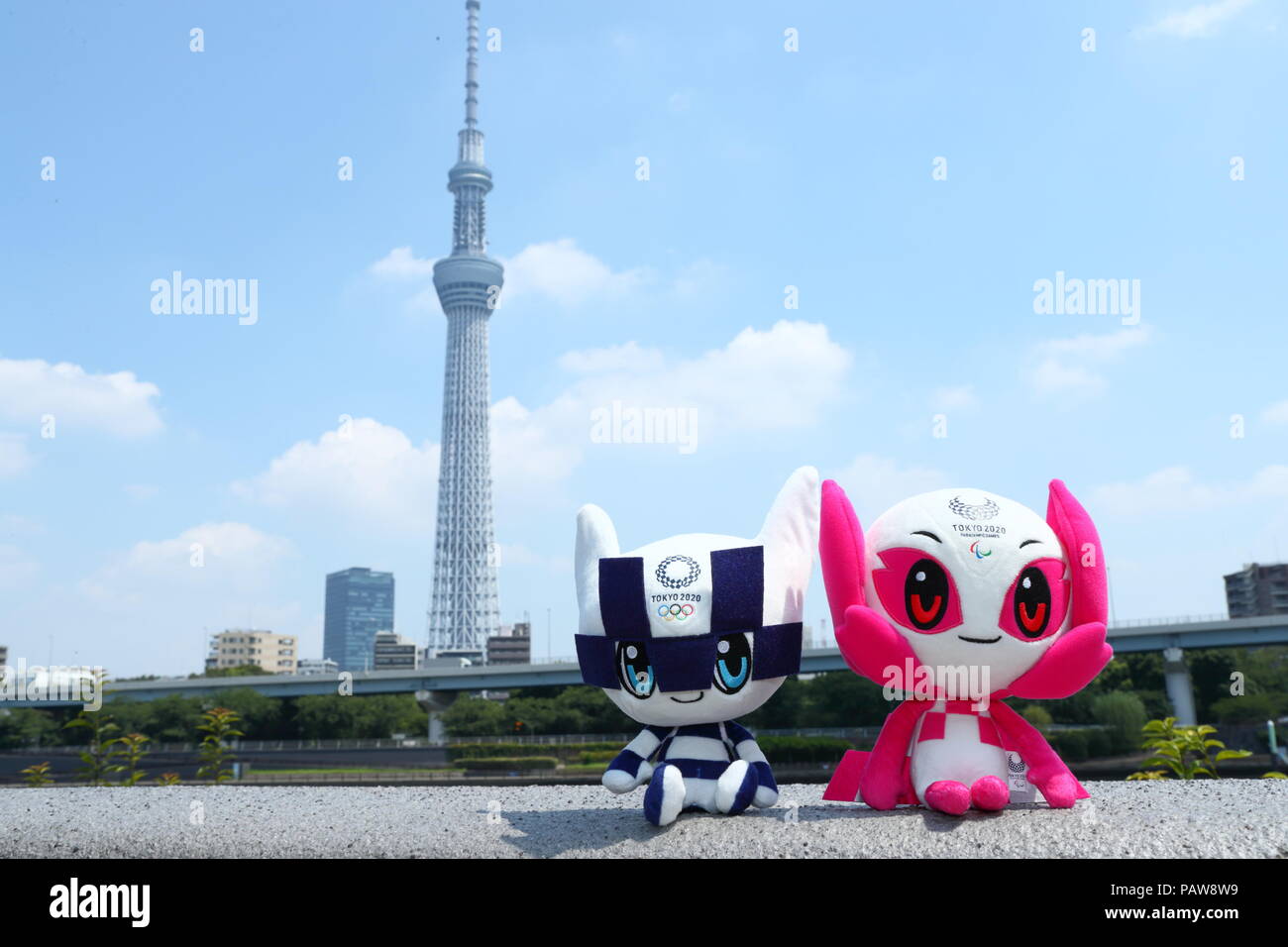
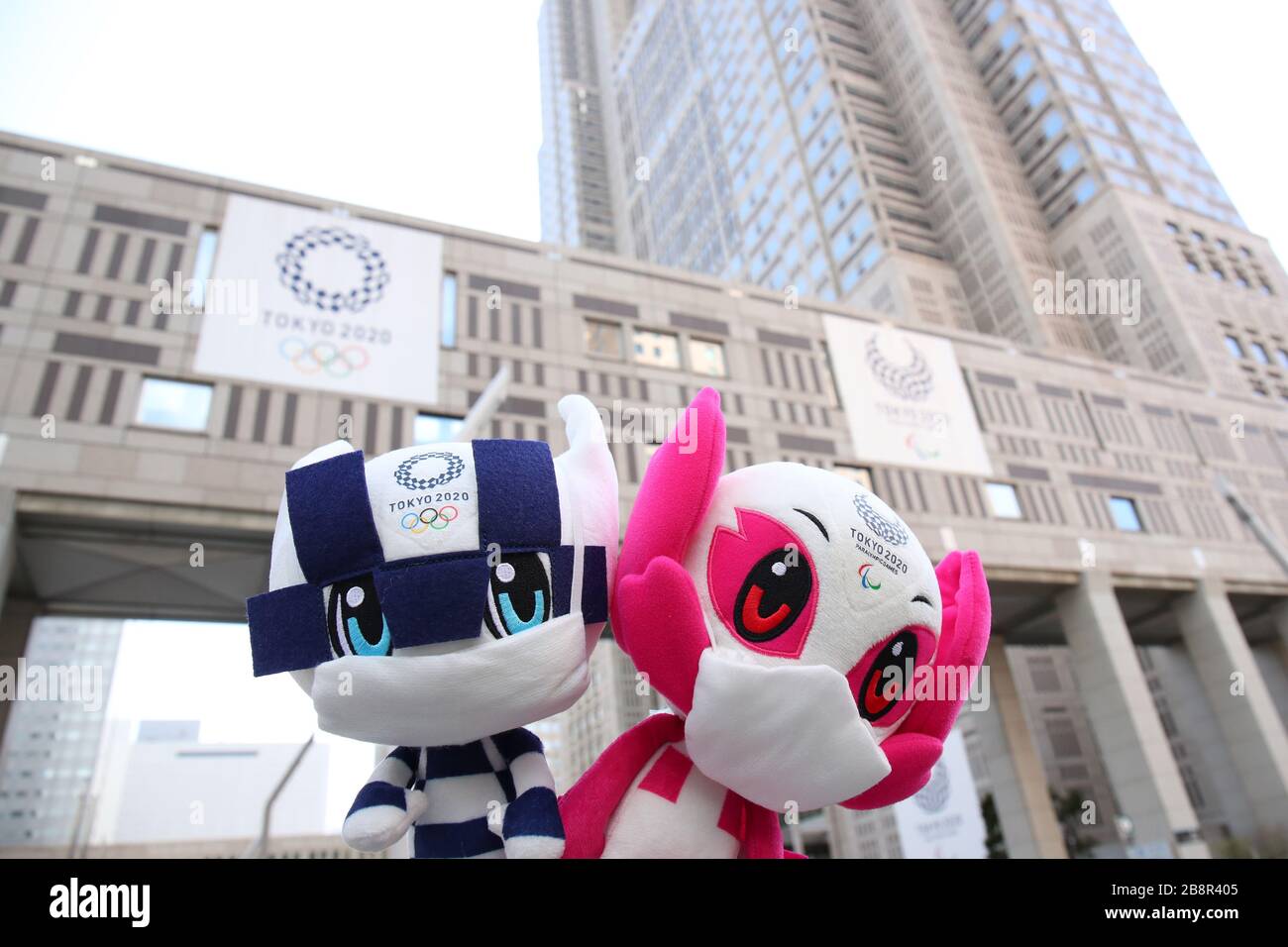
Miraitowa was the official mascot of the Tokyo 2020 Olympic Games, representing the concept of "eternal hope for the future." Designed by Ryo Taniguchi, the character features a traditional indigo blue Ichimatsu checkered pattern and was selected through a historic democratic vote by Japanese elementary school children to symbolize the harmony between innovation and tradition.
Contents
The Etymology of Miraitowa: A Vision for the Future
The name Miraitowa is a portmanteau of two Japanese words: mirai (future) and towa (eternity). This combination was chosen to reflect the Olympic movement's desire for a future filled with everlasting hope and peace. The naming process was as rigorous as the design itself, involving linguistic experts to ensure the name was easy to pronounce globally while retaining its deep Japanese roots.
From a cultural perspective, the choice of towa (eternity) is significant. In Japanese philosophy, it suggests a continuity that transcends generations. By the time of the Tokyo 2020 Games—and even now, as we look back from 2026—this name serves as a reminder that the values of the Olympics are not temporary festivities but are intended to persist long after the closing ceremony.
Design Philosophy: Where Tradition Meets Neo-Futurism
Miraitowa’s visual identity is a masterclass in blending cultural heritage with a modern, high-tech aesthetic. The mascot's appearance is defined by several key elements:
The Ichimatsu Moyo Pattern
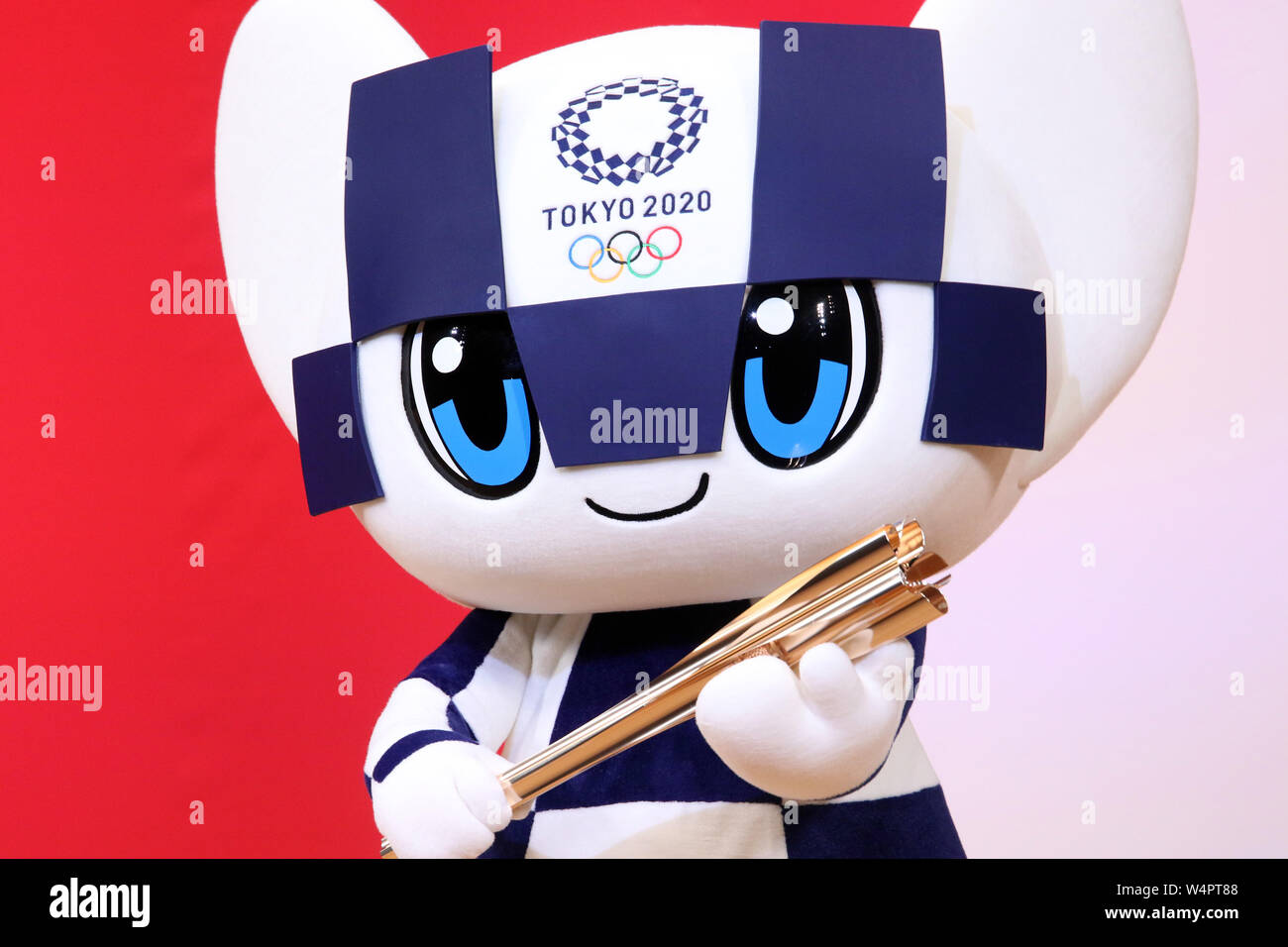
The most striking feature of Miraitowa is the indigo blue checkered pattern known as Ichimatsu Moyo. This design dates back to the Edo period (1603–1867) and became popular when the kabuki actor Sanogawa Ichimatsu wore it on his hakama. In the context of the Tokyo 2020 Games, the pattern was updated to the "Harmonized Checkered Emblem," consisting of three different types of rectangles. These varied shapes symbolize "Unity in Diversity," representing different countries, cultures, and ways of thinking coming together as one.
Aizome: The Color of Japan
The specific shade of blue used—indigo (Aizome)—is often referred to as "Japan Blue." Indigo dyeing has a thousand-year history in Japan and was once the most common color for everyday clothing. By using this color, the designers grounded a futuristic character in the tactile, historical reality of Japanese craftsmanship.
Aesthetic Influences
Miraitowa’s physical form is often described as a mix between a fox (kitsune) and a digital interface. The pointed ears and sharp, large eyes evoke the spirits of Japanese folklore, while the sleek, metallic-like finish and streamlined limbs suggest a robotic or digital being. This juxtaposition perfectly embodies the Tokyo 2020 brand motto: "Innovation from Harmony."
A Historic Selection: Democracy in the Classroom
Unlike previous Olympic mascots that were typically chosen by small committees of experts or marketing executives, Miraitowa was selected through a unique democratic process. The Tokyo 2020 Organizing Committee decided to involve the youth of Japan directly, turning the selection into a nationwide educational event.
- The Shortlist: Out of 2,042 design submissions from the public, a panel of experts narrowed the field down to three pairs of mascot candidates (designated Pair A, Pair B, and Pair C).
- The Voters: Between December 2017 and February 2018, elementary school children from across Japan—and even Japanese schools abroad—voted on their favorite pair. Each classroom was granted one vote.
- The Result: Over 200,000 classrooms participated. Pair A, created by Fukuoka-based illustrator Ryo Taniguchi, won by a landslide, receiving 109,011 votes.
This process was praised for its transparency and for fostering a sense of ownership among the younger generation. It ensured that the mascot would be something children actually resonated with, rather than a corporate symbol imposed upon them.
Lore and Personality: The Digital Athlete
In the tradition of Japanese character culture (yuru-chara), Miraitowa was given a specific backstory and set of "superpowers" that enhanced its appeal during the Games.
- Personality: Miraitowa is described as having a strong sense of justice and being very athletic. Its personality is meant to mirror the Olympic spirit—determined, fair, and energetic.
- Special Abilities: The mascot possesses the power of teleportation. According to its official lore, Miraitowa can move instantly between the digital world and the physical world. This was a nod to Japan’s reputation as a global leader in technology and its "Society 5.0" vision, where the digital and physical realms are seamlessly integrated.
During the Games, Miraitowa appeared in various digital formats and as a physical mascot, interacting with athletes and fans. Even five years later, in 2026, these digital iterations are preserved in the Olympic archives as early examples of "phygital" (physical + digital) brand engagement.
Someity: The Paralympic Partner
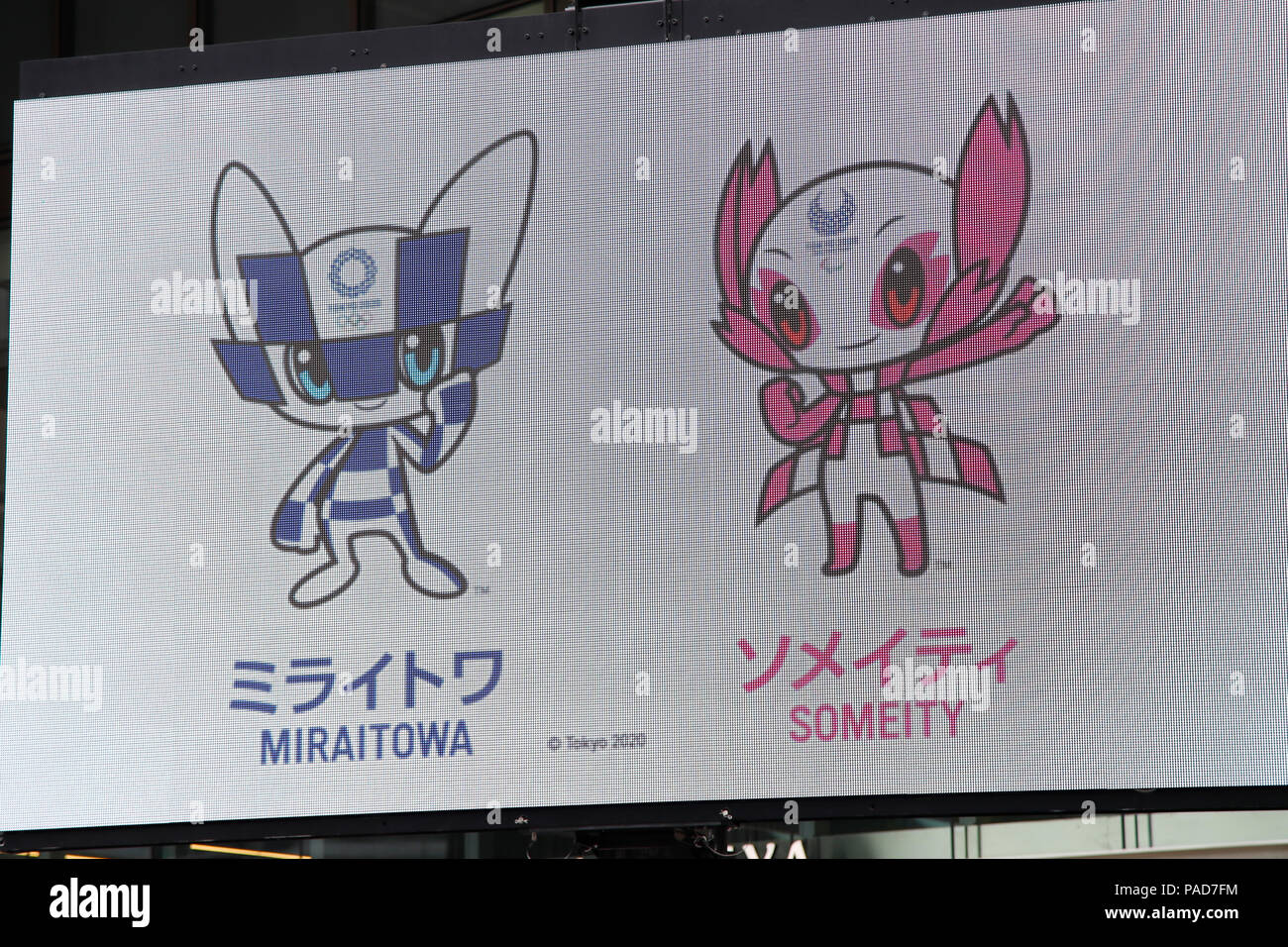
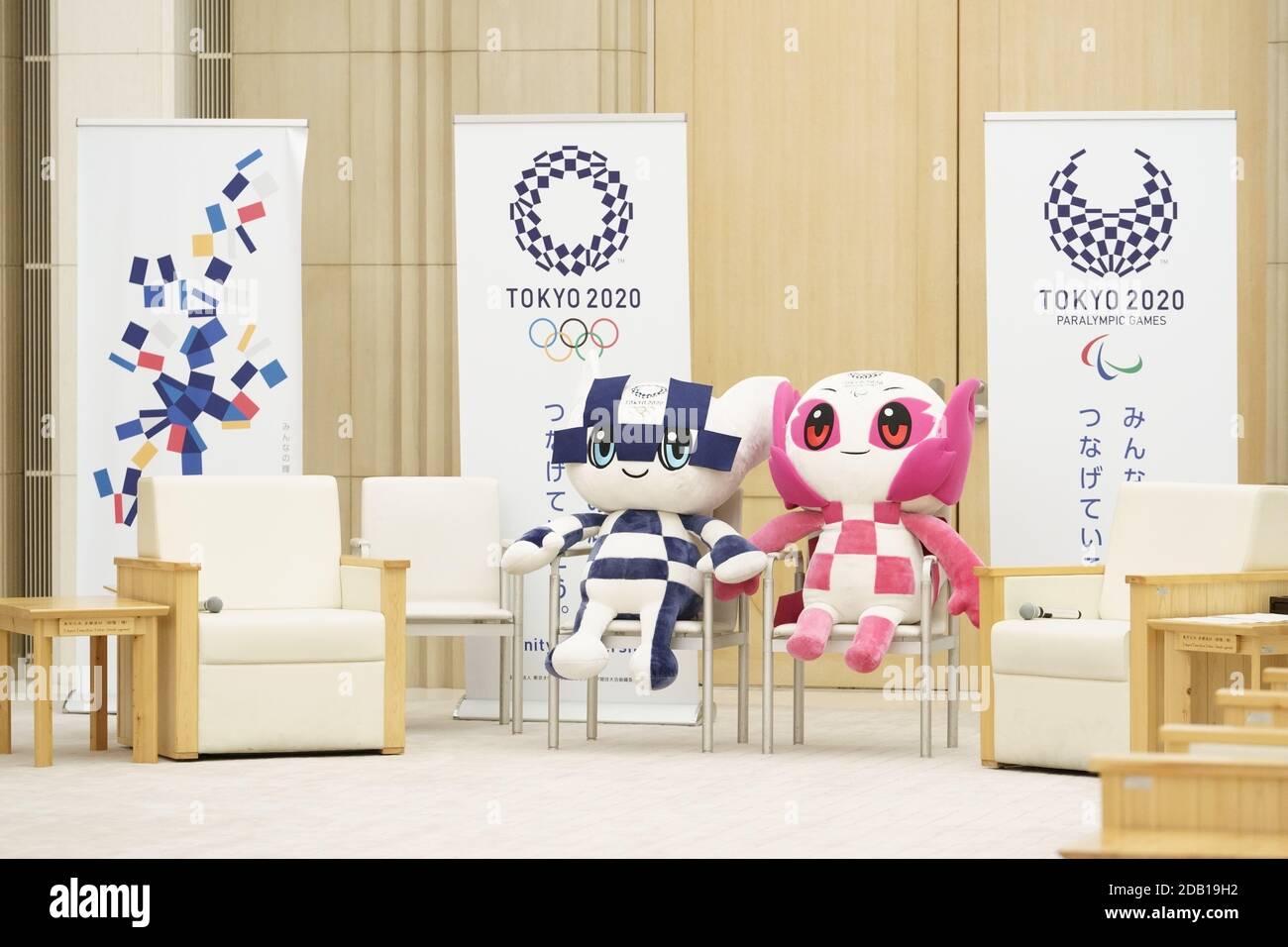
It is impossible to fully explain Miraitowa without mentioning its partner, Someity, the mascot for the Tokyo 2020 Paralympic Games. While Miraitowa represents the "Old meets New" philosophy, Someity is inspired by the Someiyoshino cherry blossom and the English phrase "so mighty."
Someity features a pink color palette and tactile sensors on the side of its head, modeled after cherry blossom petals. These sensors allow Someity to communicate telepathically and perform "superhuman" feats. The relationship between the two mascots was designed to show the complementary nature of the Olympics and Paralympics—one focused on the future and tradition, the other on inner strength and natural beauty.
Comparison: Miraitowa vs. Someity
| Feature | Miraitowa (Olympic) | Someity (Paralympic) |
|---|---|---|
| Primary Color | Indigo Blue (Aizome) | Cherry Blossom Pink (Sakura) |
| Key Pattern | Ichimatsu (Checkered) | Cherry Blossom Petals |
| Core Concept | Future and Eternity | Mental and Physical Strength |
| Primary Power | Teleportation | Telepathy / Moving Objects |
| Design Origin | Traditional Edo patterns | Japanese Flora and Resilience |
| Naming Root | Mirai (Future) + Towa (Eternity) | Someiyoshino + "So Mighty" |
Legacy and Impact: Perspectives from 2026
As of 2026, Miraitowa remains one of the most recognizable Olympic mascots in history, largely due to the unique circumstances of the Tokyo 2020 Games. Because the event was postponed by a year and held largely without spectators due to the pandemic, the mascots played an outsized role in the digital and televised experience of the Games.
Commercial Success
Miraitowa generated significant revenue through merchandise, including plush toys, robotic versions developed by Toyota, and digital collectibles. For many fans, the mascot became a symbol of the resilience of the Games during a global crisis.
Educational Influence
The classroom-based selection process remains a "gold standard" for how host cities can engage their populations. Several subsequent international events have modeled their mascot selection processes after the Tokyo 2020 example, emphasizing community involvement over top-down decision-making.
Archival Presence
Today, Miraitowa can be found in the Tokyo Olympic Museum in Shinjuku and the Olympic Museum in Lausanne, Switzerland. These exhibits detail the character's design evolution and its role as a cultural ambassador for Japan.
Frequently Asked Questions
What animal is Miraitowa?
Miraitowa is not a specific animal but a stylized character that incorporates features of a fox (kitsune) and a cat, combined with robotic and digital elements. The fox is a significant figure in Japanese mythology, often associated with intelligence and the spirit world, while the cat-like features appeal to Japan’s modern "kawaii" (cute) culture.
Who designed Miraitowa?
The mascot was designed by Ryo Taniguchi, an illustrator from Fukuoka, Japan. Taniguchi's design was selected from over 2,000 entries because it successfully captured both the futuristic goals of Tokyo and the traditional aesthetics of Japanese history.
Why is Miraitowa blue?
The blue color is specifically indigo blue (Aizome), which is considered the representative color of Japan. It was chosen to evoke a sense of calm, integrity, and traditional Japanese craftsmanship. This color also matches the official Tokyo 2020 emblem.
Can Miraitowa still be seen today?
Yes. While the Tokyo 2020 Games are over, Miraitowa remains a part of Olympic history. You can find the mascot in official Olympic museums, and it frequently appears in retrospective documentaries and sports history publications regarding the "Recovery Games" of Tokyo.
Is Miraitowa a robot?
Within the lore of the Olympics, Miraitowa is a "character with special powers," not strictly a robot. However, during the Games, Toyota created sophisticated robotic versions of Miraitowa that could move, blink, and interact with guests, which contributed to the mascot's high-tech persona.
Next Actions for Fans and Researchers
If you are interested in the design and history of Miraitowa, the best next step is to visit the official Olympic website to view the design evolution and archival footage of the mascot in action. For those in Japan, a visit to the Japan Olympic Museum provides a first-hand look at the original sketches and the life-sized costumes used during the ceremonies. Researchers studying branding can find detailed case studies on the Tokyo 2020 "classroom vote" through the International Paralympic Committee (IPC) archives, which highlight how this method increased public engagement across Japan.
Image Gallery