Emerald Holding Net Worth: 2026 Financial Analysis and Market Valuation
As of 2026, the net worth of Emerald Holding, Inc. (NYSE: EEX), primarily measured through its market capitalization, fluctuates between $350 million and $500 million. While the company's total shareholder equity—the accounting definit...
As of 2026, the net worth of Emerald Holding, Inc. (NYSE: EEX), primarily measured through its market capitalization, fluctuates between $350 million and $500 million. While the company's total shareholder equity—the accounting definition of net worth—remains substantial due to its vast portfolio of intangible assets and trade show brands, its market value is dictated by investor sentiment regarding the recovery of the live events industry and the success of its digital commerce initiatives.
Contents
Emerald Holding, Inc. operates as a leading producer of business-to-business (B2B) trade shows and conferences in the United States. To understand the "net worth" of such a specialized entity, one must look beyond a single figure and examine the interplay between its market valuation, its balance sheet health, and the intrinsic value of its iconic industry brands.
Defining Corporate Net Worth: Market Cap vs. Shareholder Equity
When discussing the net worth of a publicly traded entity like Emerald Holding, it is essential to distinguish between two primary financial metrics: Market Capitalization and Shareholder Equity (Book Value).
Market Capitalization
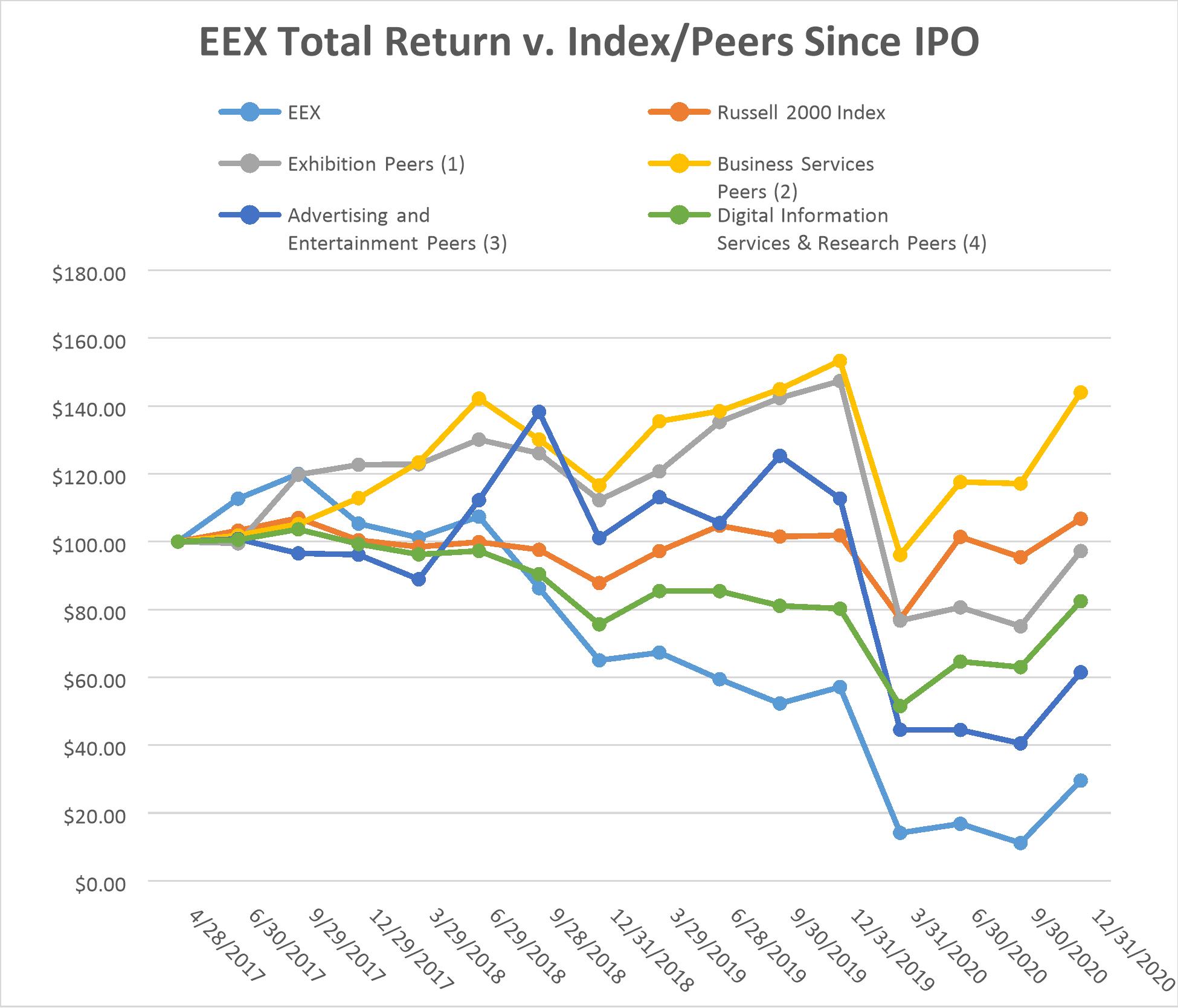
Market cap represents the total value of all outstanding shares as priced by the stock market. In 2026, this figure remains the most "real-world" assessment of what the company is worth to investors. Emerald’s market cap is sensitive to quarterly earnings, interest rate environments, and the overall health of the retail and technology sectors which comprise its primary client base.
Shareholder Equity
Shareholder equity is the value of the company’s total assets minus its total liabilities. For a company like Emerald, a significant portion of its assets is "Goodwill" and "Intangible Assets." These represent the value of established brand names like the Kitchen & Bath Industry Show (KBIS) and Outdoor Retailer. Because Emerald grows through acquisitions, its book value often appears higher than its market cap, reflecting the premium paid for historic brands that continue to generate cash flow.
The Revenue Engine: How Emerald Generates Value
The net worth of Emerald Holding is fundamentally tied to its ability to aggregate audiences. The company operates through three primary segments, each contributing to its overall valuation.
1. Commerce
The Commerce segment is the backbone of Emerald's portfolio. It includes massive trade shows such as ASD Market Week and NY NOW. These events serve as the primary wholesale marketplaces for general merchandise and giftware. The value here lies in the "network effect"—the more buyers attend, the more exhibitors are willing to pay for floor space, creating a virtuous cycle that protects the company's competitive moat.
2. Design, Creative, and Technology
This segment features prestigious brands like KBIS (Kitchen & Bath Industry Show) and the International Contemporary Furniture Fair (ICFF). These events are essential for the construction and home design industries. By 2026, Emerald has successfully integrated these physical events with year-round digital platforms, allowing them to monetize their audience 365 days a year rather than just during the week of the show.
3. All Other / Digital Content
Emerald also owns various B2B publications and digital platforms. While smaller in terms of direct revenue compared to live events, these assets provide the data and lead-generation tools that bolster the company’s enterprise value. In an era where first-party data is king, Emerald’s ability to track what thousands of professional buyers are searching for adds a layer of "tech-adjacent" value to their traditional business model.
Financial Performance and Historical Context
Emerald’s financial journey into 2026 has been defined by resilience and restructuring. Following the unprecedented disruption of 2020, the company utilized significant insurance payouts and a capital infusion from its majority shareholder, Onex Corporation, to stabilize its balance sheet.
In the years leading up to 2026, Emerald shifted its focus toward "Emerald X," an initiative aimed at expanding beyond trade show floors into software and content. This transition was accelerated by the acquisition of platforms like PlumRiver (Elastic Suite), a B2B e-commerce solution. This move shifted the company's valuation metrics from a purely "event-based" multiple to one that considers recurring software-as-a-service (SaaS) revenue.
Key Financial Metrics for Emerald Holding (Estimated 2026)
| Metric | Estimated Value (USD) | Significance |
|---|---|---|
| Market Capitalization | $385 Million | Real-time investor valuation of the company. |
| Annual Revenue | $410 Million | Total income from exhibitions and digital services. |
| Total Assets | $1.2 Billion | Includes physical assets and intangible brand values. |
| Total Liabilities | $750 Million | Includes long-term debt used for acquisitions. |
| Shareholder Equity | $450 Million | The theoretical "net worth" on the balance sheet. |
| EBITDA Margin | 25% - 28% | Measures operational efficiency and profitability. |
The Onex Influence: Majority Ownership and Stability
A discussion of Emerald Holding’s net worth is incomplete without mentioning Onex Corporation, the Canadian private equity giant. Onex holds a controlling interest in Emerald, which provides a level of financial backing that many of its smaller competitors lack.
This relationship influences the company's "net worth" in several ways:
- Capital Access: Onex has historically provided backstop commitments during rights offerings, ensuring Emerald has the liquidity to survive downturns.
- M&A Strategy: Emerald’s valuation is often bolstered by its aggressive acquisition strategy, funded and guided by Onex’s private equity expertise.
- Stock Liquidity: Because a single entity owns a vast majority of the shares, the "public float" (shares available for trading) is relatively small. This can lead to higher volatility in the stock price and, consequently, the market-cap-based net worth.
Asset Deep Dive: The Value of Trade Show Brands
The true "worth" of Emerald Holding is found in its portfolio of over 140 events. These are not merely dates on a calendar; they are essential infrastructure for the industries they serve.
- Kitchen & Bath Industry Show (KBIS): As the largest trade show in North America for the kitchen and bath industry, its brand value alone is worth tens of millions. It is an "unmissable" event for manufacturers like Kohler or Delta.
- Outdoor Retailer: Despite moving locations and facing industry shifts, this remains the premiere gathering for the outdoor industry. Its value lies in its advocacy and community-building power.
- ASD Market Week: This event is a critical link in the global supply chain, where importers and retailers clear inventory and find new high-margin products.
Risks and Challenges to Valuation
Several factors can negatively impact Emerald Holding's net worth. Investors and analysts monitor these closely in 2026:
- Macroeconomic Sensitivity: Trade shows are among the first expenses cut during a recession. If the retail sector struggles, Emerald's exhibit space sales decline.
- Debt Load: Emerald carries a significant amount of debt from its various acquisitions. Rising interest rates can increase the cost of servicing this debt, thereby reducing net income and shareholder equity.
- Digital Disruption: While Emerald has launched digital initiatives, the threat of virtual-only marketplaces remains. If buyers and sellers find they can conduct business just as effectively without traveling, the value of physical trade shows could diminish.
Frequently Asked Questions
What is the primary factor influencing Emerald Holding's stock price in 2026?
The primary factor is the re-booking rate for their major shows. When exhibitors sign up for the next year's event before the current one ends, it provides high revenue visibility, which investors reward with a higher valuation.
Is "Net Worth" the same as the company's cash on hand?
No. Net worth (shareholder equity) includes the value of all brands, buildings, and equipment, minus debt. Emerald's actual cash on hand is usually much lower, often used for operational expenses and debt repayment.
Who is the CEO of Emerald Holding in 2026?
Management structures can evolve, but the leadership team continues to focus on the "Emerald X" strategy, emphasizing a mix of live events and year-round digital engagement to drive shareholder value.
Does Emerald Holding pay a dividend?
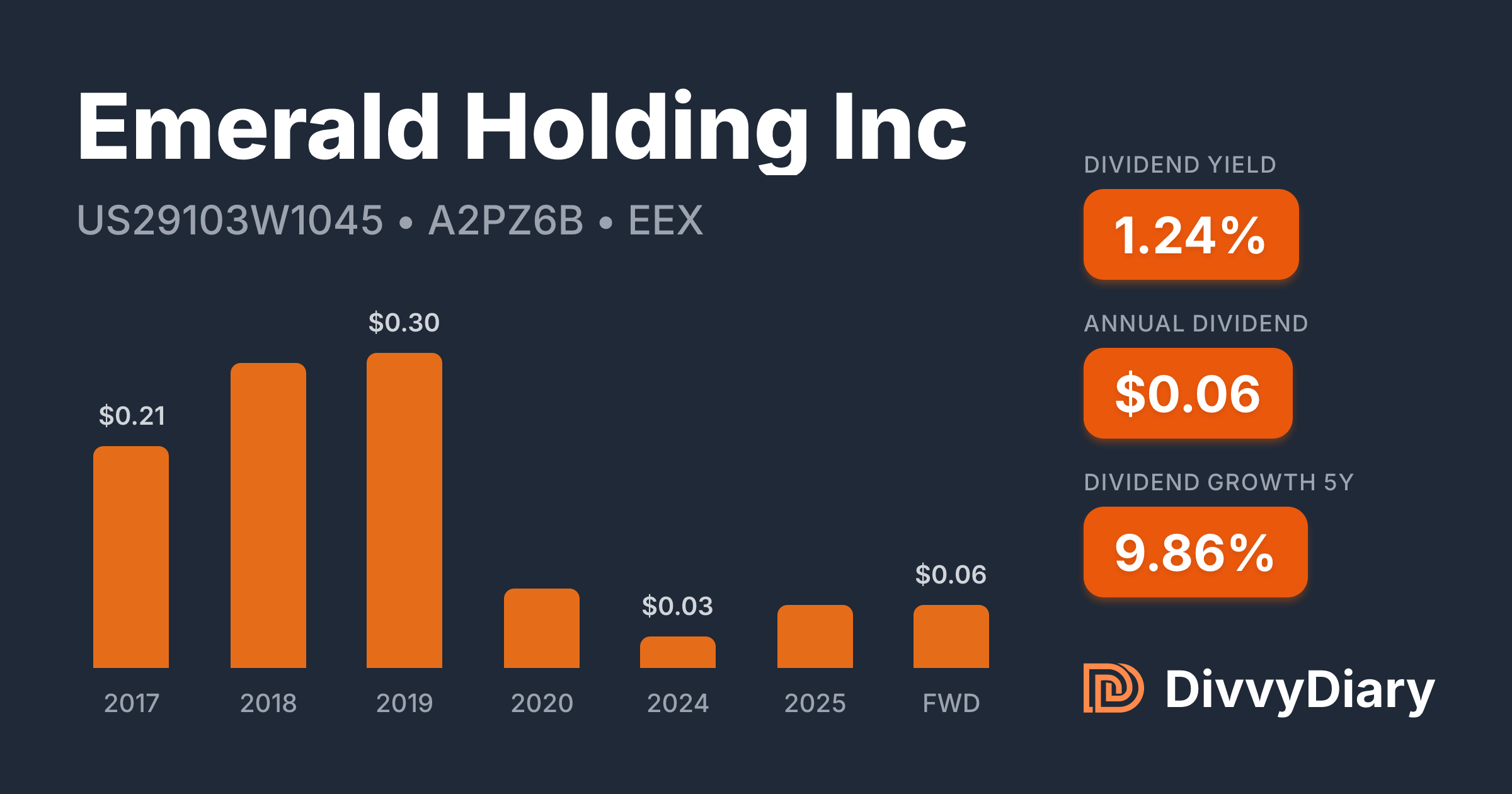
Historically, Emerald suspended its dividend to preserve cash during market volatility and to fund acquisitions. In 2026, the company generally prioritizes share buybacks or debt reduction over high-yield dividend payments.
How does Emerald Holding compare to competitors like Informa or RX?
Emerald is significantly smaller than global giants like Informa. However, Emerald’s focus is almost exclusively on the North American market, giving it a concentrated "pure-play" advantage for investors looking for US-specific B2B exposure.
Practical Recommendation for Stakeholders
For investors or industry partners evaluating Emerald Holding's net worth in 2026, the focus should remain on Adjusted EBITDA and Free Cash Flow. Because the company has high non-cash expenses (like the amortization of intangible assets), traditional "Net Income" can be misleading. A company that generates strong cash flow while maintaining dominant positions in niche industries (like kitchen design or outdoor gear) remains a valuable asset, regardless of short-term stock market fluctuations.
If you are an exhibitor, the "worth" of Emerald to your business is measured in the Return on Investment (ROI) of their shows. As long as Emerald maintains high-quality buyer attendance, their brands—and by extension, the company—will retain significant market value.
Image Gallery