Comprehensive Guide to Fort Wilson Mold Remediation: Standards, Steps, and Cost Analysis
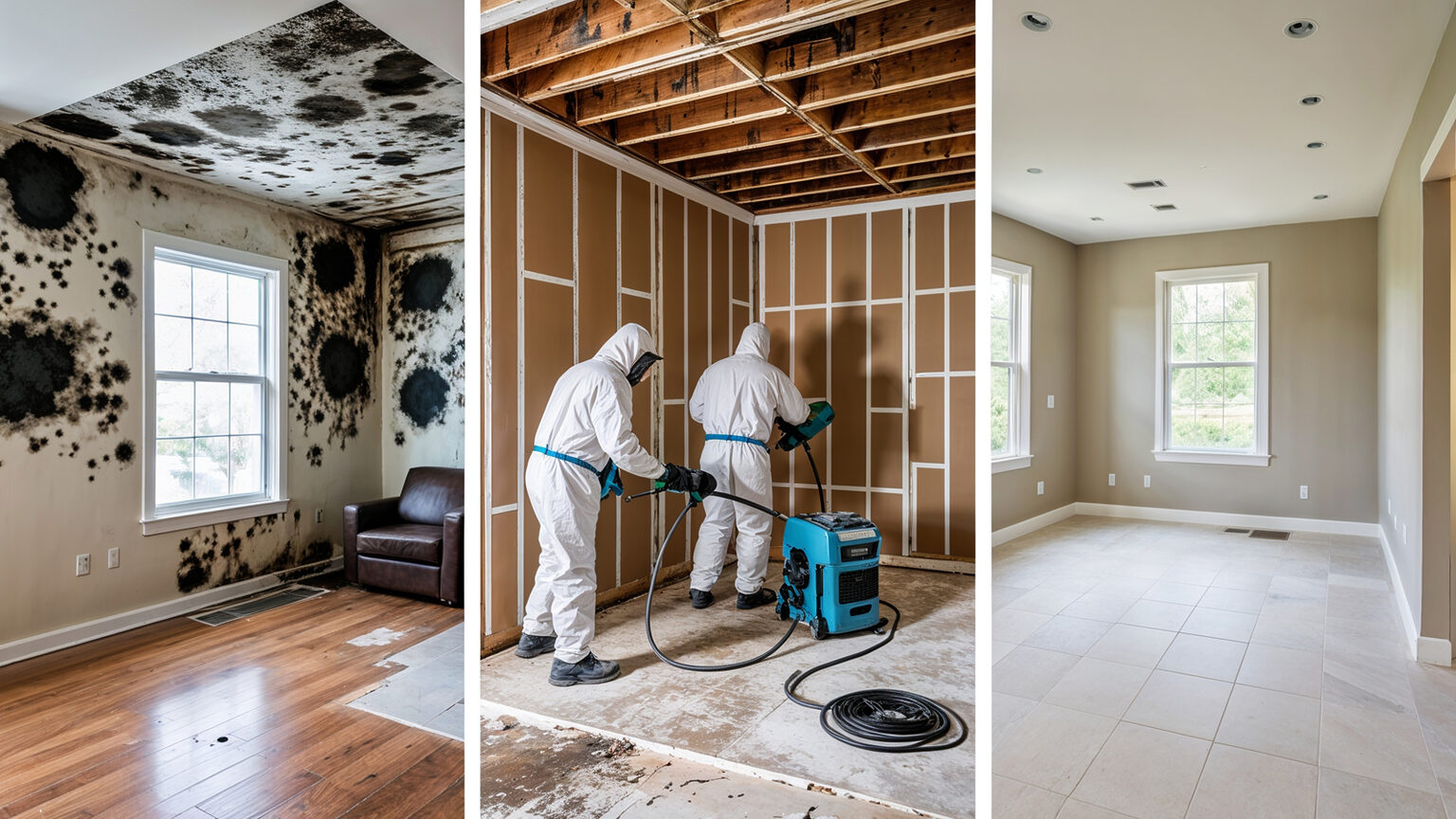
Fort Wilson mold remediation involves a systematic, multi-step restoration process designed to identify moisture sources, isolate fungal contamination, safely extract affected building materials, and restore indoor air quality. Certifi...
Fort Wilson mold remediation involves a systematic, multi-step restoration process designed to identify moisture sources, isolate fungal contamination, safely extract affected building materials, and restore indoor air quality. Certified remediation technicians use specialized containment, HEPA air filtration, and structural drying equipment to eliminate toxic mold spores while adhering to strict industry safety guidelines.
Contents
Understanding Mold Remediation Needs in Fort Wilson
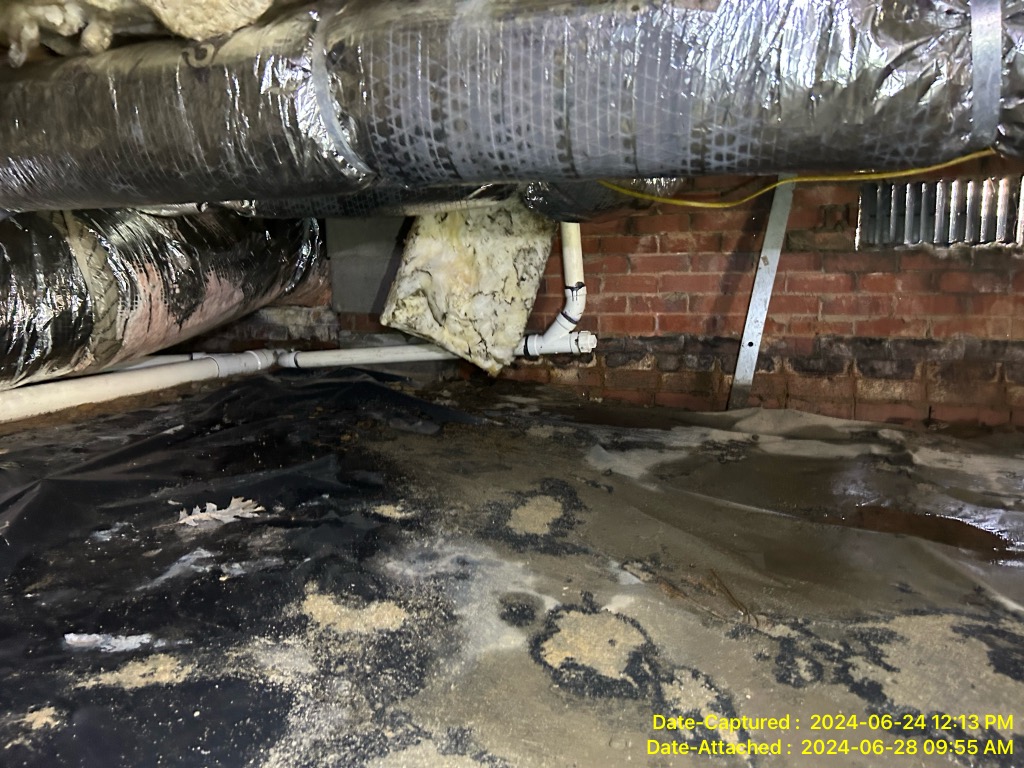
Mold growth within residential, commercial, or institutional properties in Fort Wilson is almost always driven by uncontrolled moisture. Fungal spores exist naturally in outdoor environments, but when indoor relative humidity levels exceed 60% or when liquid water penetrates building envelopes, spores germinate on organic substrates within 24 to 48 hours. Common water sources include plumbing leaks, roof failures, foundation seepage, poor crawlspace ventilation, and HVAC condensation pan overflows.
Indoor mold contamination presents serious structural and health concerns. Microscopic fungal structures break down porous building components like drywall, subflooring, wood framing, and ceiling tiles over time, weakening structural integrity. Furthermore, species such as Aspergillus, Penicillium, Cladosporium, and Stachybotrys chartarum (often called toxic black mold) release volatile organic compounds (VOCs), mycotoxins, and microscopic allergens into the ambient air. Exposure can trigger chronic respiratory irritation, severe asthma attacks, sinus congestion, and allergic reactions in sensitive individuals.
Managing indoor environmental safety requires aligning property maintenance with established federal and industry standards. The U.S. Environmental Protection Agency (EPA) mold guidelines recommend immediate professional intervention whenever mold growth covers an area larger than 10 square feet (roughly a 3-by-3-foot patch). For occupational settings, adherence to Occupational Safety and Health Administration (OSHA) worker standards protects both remediation crews and occupants during demolition and cleaning operations.
Standardized Mold Remediation Protocols (IICRC S520 Compliance)
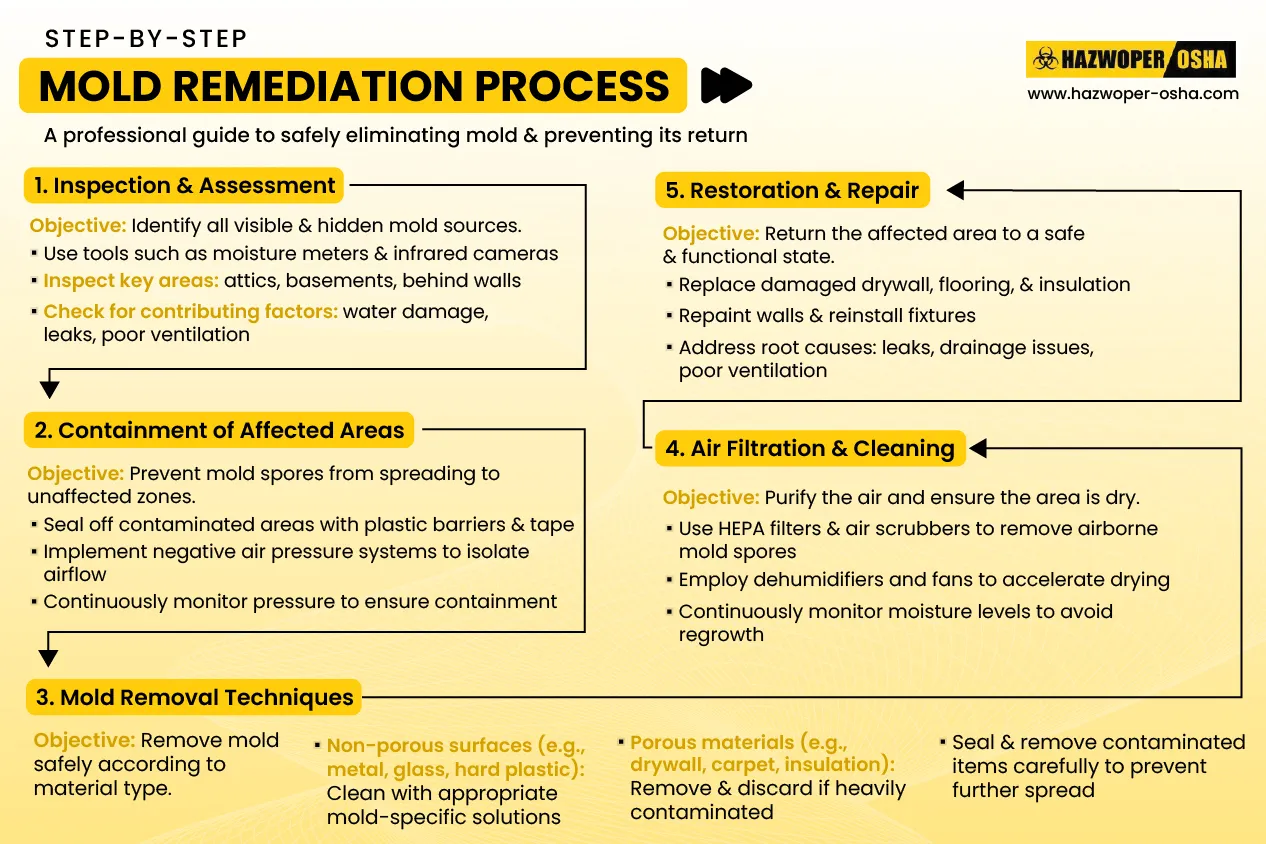
Professional mold remediation contractors follow strict standardized methodologies to ensure contamination is entirely removed without spreading active spores into unaffected parts of a structure. Industry professionals benchmark their protocols against the Institute of Inspection, Cleaning and Restoration Certification (IICRC) S520 standards, which outline a five-stage remediation framework.
IICRC S520 REMEDIATION FLOW
- Inspection & Moisture Mapping (Infrared / Moisture Meters)
- Containment & Negative Pressure (Poly Sheeting / HEPA Air)
- Physical Removal & Cleaning (HEPA Vac / Demolition / Soda)
- Structural Drying & Stabilization (Desiccants / Air Movers)
- Clearance Testing & PRV (Spore Trap / Air Quality Audit)
Phase 1: Comprehensive Initial Assessment and Moisture Mapping
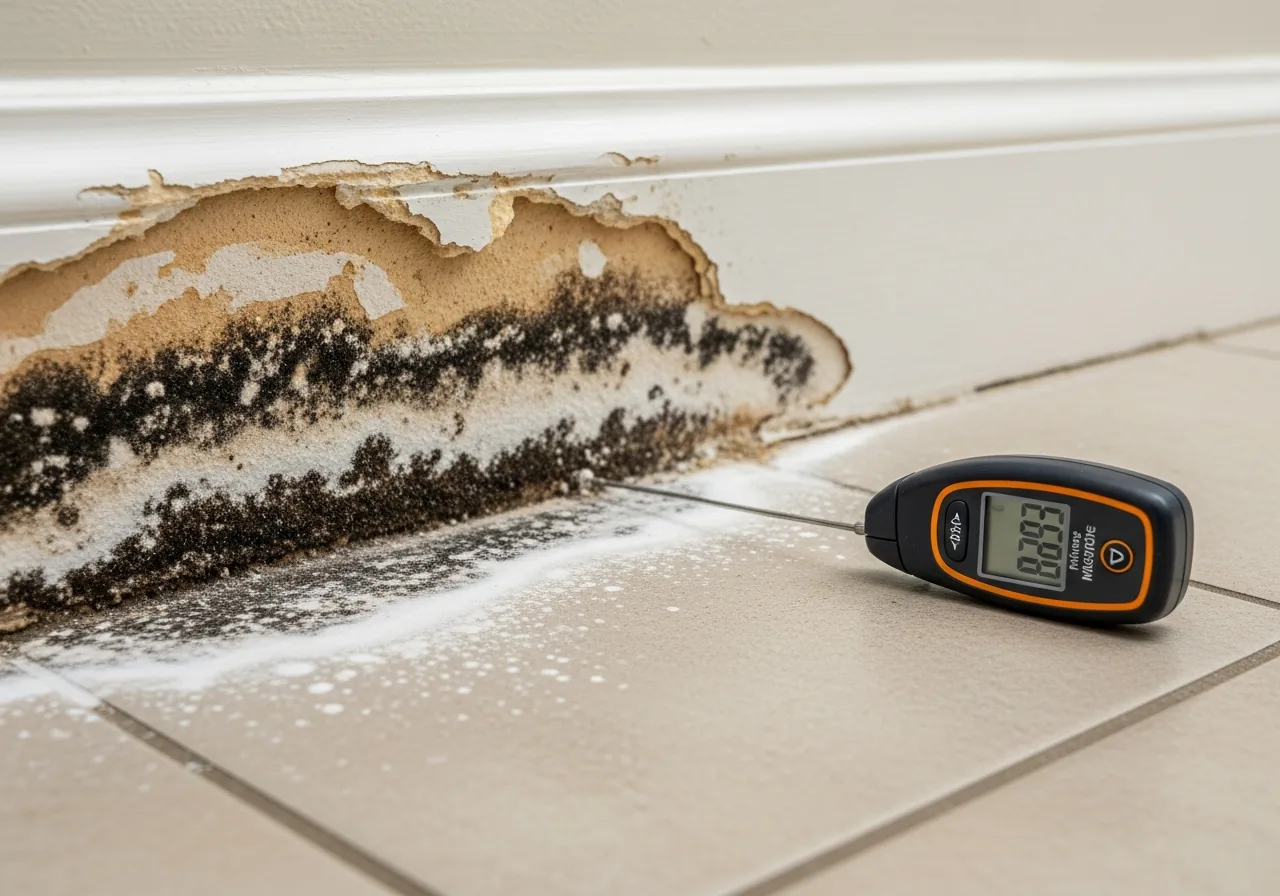
Before initiating any physical cleanup, certified indoor environmental professionals (IEPs) or mold assessors conduct a visual inspection and non-destructive testing. Technicians utilize pin-type and pinless moisture meters to assess the moisture content percentage of drywall, masonry, and structural framing timber. Thermal imaging cameras (infrared FLIR technology) detect temperature differentials across walls and ceilings, pinpointing hidden water plumes behind structural cavities. Air cassette sampling and tape-lift surface samples are collected to determine baseline fungal spore counts and identify specific mold species present.
Phase 2: Containment Isolation and Air Pressure Controls
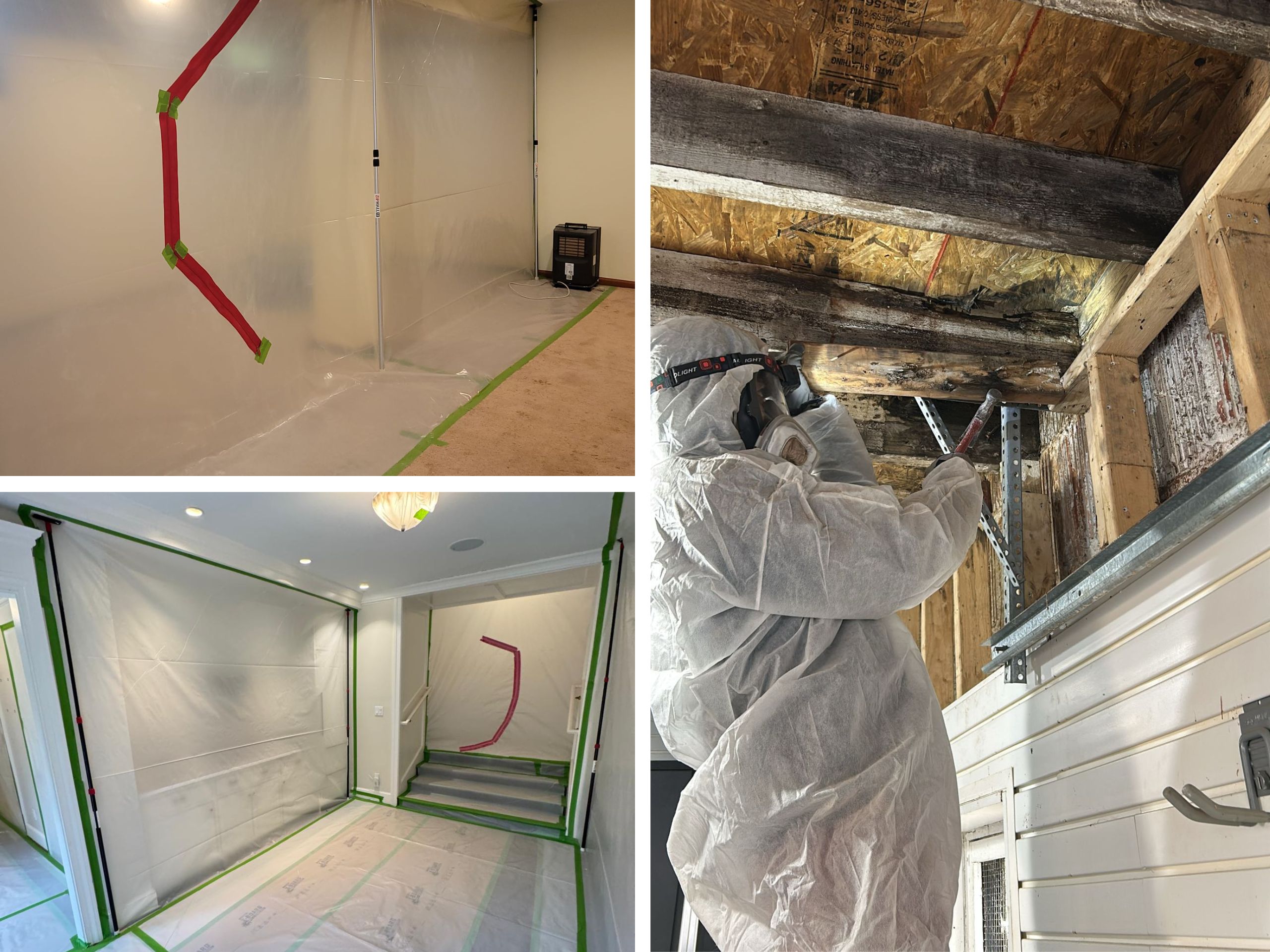
To prevent airborne spores from migrating to clean spaces during demolition, remediation teams construct physical containment barriers using 6-mil flame-retardant polyethylene sheeting. Containment zones feature heavy-duty zipper doors and negative pressure differential systems. Negative air machines equipped with High-Efficiency Particulate Air (HEPA) filtration vent air directly outdoors or through secondary HEPA units, ensuring that air constantly flows inward toward the contaminated area rather than escaping into surrounding rooms.
Phase 3: Physical Removal and Cleaning Procedures
Materials affected by mold are categorized based on porosity:
- Porous Materials: Drywall, acoustic ceiling tiles, carpet padding, insulation, and fibrous textiles cannot be fully decontaminated once fungal hyphae penetrate their core. These items are damp-wiped, carefully cut out, double-bagged in heavy 6-mil poly bags, sealed, and safely removed for disposal.
- Semi-Porous Materials: Structural framing, plywood subfloors, and solid wood elements are sanded, wire-brushed, or treated via media blasting (dry ice or soda blasting) to remove surface fungal growth down to clean wood.
- Non-Porous Materials: Glass, metal, plastic, and sealed concrete surfaces are HEPA-vacuumed, scrubbed with EPA-registered antimicrobial disinfectants, and wiped clean.
Phase 4: Structural Drying and Humidity Stabilization
Eliminating active mold is ineffective if high moisture levels persist. Industrial desiccant dehumidifiers and high-velocity air movers are installed inside the containment zone to extract residual moisture trapped deep within subfloors and wall framing. Technicians track equilibrium moisture content (EMC) until wood framing registers below 15% moisture content and indoor relative humidity drops below 50%.
Phase 5: Post-Remediation Verification (PRV) Testing
Once physical cleaning and structural drying are complete, an independent third-party environmental consultant performs Post-Remediation Verification (PRV). This clearance inspection involves visual verification of cleanliness, moisture testing, and post-remediation air quality sampling. The space must exhibit spore counts and fungal species composition lower than or equivalent to outdoor baseline samples before containment barriers can be dismantled.
Key Technical Equipment Used in Professional Mold Mitigation
Professional remediation relies on specialized machinery and personal protective equipment designed to handle biohazards safely.
| Equipment Type | Primary Remediation Function |
|---|---|
| HEPA Air Scrubbers | Recirculate and filter air at 99.97% efficiency |
| Negative Air Fan | Vent air outdoors to create negative pressure |
| FLIR Thermal Cam | Locate moisture plumes hidden behind building wall |
| Pin Moisture Meter | Measure precise moisture percentage inside timber |
| Tyvek PPE Suit | Protect technicians against biohazards and spores |
- HEPA Air Scrubbers & Negative Air Machines: These units filter 99.97% of airborne particles down to 0.3 microns in size. Continuous operation guarantees multiple air changes per hour (ACH) within the containment space.
- Thermal Imaging and Moisture Detection Devices: Infrared cameras map heat differentials caused by evaporative cooling from hidden water leaks, while pin-type resistance meters gauge accurate moisture levels inside structural wood.
- Personal Protective Equipment (PPE): Technicians wear full-body Tyvek protective suits, nitrile gloves, eye protection, and half-face or full-face respirators equipped with N95 or P100 particulate filters to prevent inhalation of airborne spores and chemical vapors.
- EPA-Registered Antimicrobial Sealants: Fungicidal coatings and encapsulate sealants are applied to structural framing following physical cleaning. These breathable coatings prevent residual micro-spores from germinating in the event of minor future humidity fluctuations.
Fort Wilson Mold Remediation Cost Breakdown and Estimating Factors
The overall cost of mold remediation in Fort Wilson varies significantly based on the square footage involved, accessibility, structural demolition requirements, and whether HVAC systems require specialized cleaning.
| Remediation Scope | Estimated Cost Range (USD) | Primary Remediation Actions | Estimated Project Timeline |
|---|---|---|---|
| Minor Localized (Small Bathroom / Closet) | $500 – $1,500 | Spot containment, drywall removal (under 10 sq ft), surface treatment, HEPA vacuuming. | 1 – 2 Days |
| Moderate Multi-Room (Crawlspace / Attic) | $1,500 – $4,500 | Full plastic containment, negative air setup, insulation removal, wood framing media blasting, antimicrobial coating. | 2 – 4 Days |
| Extensive Structural Damage | $4,500 – $10,000+ | Multi-zone containment, large-scale structural demolition, subfloor replacement, structural drying, third-party clearance testing. | 4 – 7 Days |
| Whole-Building & HVAC Contamination | $8,000 – $20,000+ | Building-wide air scrubbing, complete ductwork cleaning and restoration, structural framing restoration, HVAC coil decontamination. | 1 – 2 Weeks |
Primary Drivers of Remediation Costs
- Extent of Water Intrusion: Long-term unresolved leaks cause mold to penetrate deep into subfloors, ceiling joists, and structural wall cavity framing, requiring intensive labor and material replacement.
- Accessibility: Crawlspaces with low headroom, tight attic spaces, and concealed wall cavities increase labor hours and safety requirements compared to accessible open living areas.
- HVAC Involvement: If mold spores enter central air handlers and ductwork, the entire system must undergo specialized mechanical cleaning and encapsulation to prevent immediate re-contamination upon system restart.
- Third-Party Inspection Fees: Independent pre- and post-testing protocols typically add $300 to $800 to overall project costs but provide certified legal and medical verification that the property is safe.
Navigating Insurance Claims for Mold Damage
Property insurance coverage for mold remediation depends on the underlying cause of the moisture intrusion. Insurers evaluate claims based on sudden, accidental occurrences versus long-term neglect or deferred maintenance.
WATER INTRUSION CAUSE ANALYSIS
- COVERED PERILS
- Sudden burst supply pipes
- Water heater tank ruptures
- Sudden appliance overflow
- Firefighting water damage
- EXCLUDED PERILS
- Long-term unresolved leaks
- High ambient indoor humidity
- Deferred roof/siding maintenance
- Surface flooding (without flood insurance policy add-on)
Covered Perils vs. Exclusions
Most standard homeowners and commercial property policies cover mold remediation only if the growth stems directly from a covered "sudden and accidental" water damage event. Examples include a burst washing machine hose, a ruptured water heater, or an overhead pipe break.
Conversely, insurance policies typically deny coverage for mold resulting from:
- Chronic foundation seepage or long-term groundwater intrusion.
- Lack of proper attic or crawlspace ventilation leading to elevated relative humidity.
- Unaddressed, slow plumbing leaks that persisted over months or years.
- Overland flooding (unless the owner carries a separate National Flood Insurance Program or private flood policy).
Documenting Your Insurance Claim
To maximize claim authorization, property owners should complete the following actions:
- Photograph Everything: Capture clear photos and video footage of the original water source, damaged building contents, and visible fungal growth prior to demolition.
- Stop the Water: Immediately shut off water valves or execute temporary tarping to mitigate further damage, as policies require property owners to prevent secondary losses.
- Hire Certified Professionals: Insurance adjusters require detailed line-item estimates written in industry-standard software (such as Xactimate) along with moisture logs and third-party lab clearance reports.
Common Pitfalls and Remediation Mistakes to Avoid
Incomplete or improper mold cleanup frequently causes secondary contamination, increased remediation costs, and recurring health hazards.
- Using Liquid Chlorine Bleach on Porous Surfaces: Chlorine bleach is ineffective for treating mold on porous substrates like drywall, OSB subfloors, or framing timber. The chemical structure of liquid bleach prevents chlorine from penetrating porous materials, leaving its water content behind to feed micro-fungal roots deeper inside the wood core.
- Failing to Establish Containment: Attempting to tear out moldy drywall without plastic containment barriers or negative air pressure allows millions of disturbed spores to travel through the building's air currents, contaminating clean rooms and HVAC systems.
- Neglecting the Root Moisture Source: Cleaning or painting over mold without fixing the underlying water intrusion guarantees that fungal growth will return. Structural drying and moisture source elimination are absolute prerequisites to final repair work.
- Skipping Post-Remediation Verification: Dismantling containment barriers before completing independent post-remediation air testing risks uncontained exposure if hidden pockets of mold remain active behind wall cavities.
Frequently Asked Questions
How long does a typical mold remediation process take in Fort Wilson?
A standard residential mold remediation project takes between two and five days to complete. The exact timeframe depends on the size of the containment zone, the depth of material extraction required, and how long structural drying takes to reach target moisture levels. Small localized projects may take only 24 to 48 hours, whereas extensive multi-room or whole-building cleanups can take up to two weeks.
Is it safe to stay inside the home during mold remediation?
Occupants can often stay in the home if the affected area is small, completely isolated behind sealed plastic containment, and negative air controls are maintained. However, if the containment zone blocks access to essential living facilities, if central HVAC units are compromised, or if occupants suffer from severe respiratory conditions, asthma, or compromised immune systems, temporary relocation during active demolition and drying is strongly recommended.
What is the difference between mold removal and mold remediation?
Total "mold removal" is technically impossible because microscopic fungal spores naturally exist in all ambient indoor and outdoor air. Mold remediation refers to the comprehensive professional protocol of restoring indoor fungal spore counts to normal, natural baseline levels while eliminating active fungal colonies, removing contaminated porous building substrates, and controlling the underlying moisture source.
How can property owners prevent mold from returning after remediation?
Preventing recurrent mold growth requires maintaining indoor relative humidity below 50% year-round using air conditioners or dehumidifiers. Property owners should ensure proper bathroom and kitchen exhaust ventilation, promptly repair plumbing leaks, install vapor barriers in crawlspaces, maintain clear gutter downspouts, and keep interior air circulating freely.
Does homeowners insurance cover the cost of mold remediation?
Coverage depends on the original cause of the moisture intrusion. If mold develops directly from a sudden, accidental water breach—such as a burst supply line or ruptured water heater tank—the policy typically covers remediation up to specific policy caps. If mold results from gradual leaks, high ambient humidity, or poor property maintenance, insurance claims are generally denied.
Practical Recommendation and Next Actions
If you suspect active mold contamination within your Fort Wilson property, take immediate, systematic steps to minimize health risks and prevent ongoing structural damage:
- Locate and Stop the Water Source: Shut off main water valves if plumbing leaks are present, clean up surface liquid, and repair active envelope breaches.
- Schedule an Independent Inspection: Retain a certified indoor environmental professional (IEP) to perform moisture mapping, surface testing, and baseline air sampling before undertaking major demolition.
- Engage Certified Remediation Contractors: Select a restoration contractor holding active certification through recognized industry bodies like the IICRC. Verify that the company utilizes negative air machinery, HEPA filtration, and detailed containment protocols.
- Notify Your Insurance Provider: File a property claim immediately if the damage stems from a sudden water event, providing full photographic documentation and initial contractor moisture logs.
- Require Post-Remediation Clearance: Do not authorize final payment or rebuild drywalls until an independent clearance audit confirms indoor air spore counts are lower than outdoor reference levels.
For comprehensive guidelines on health effects and environmental management standards, review public health resources provided by the Centers for Disease Control and Prevention (CDC) mold recommendations.
Image Gallery