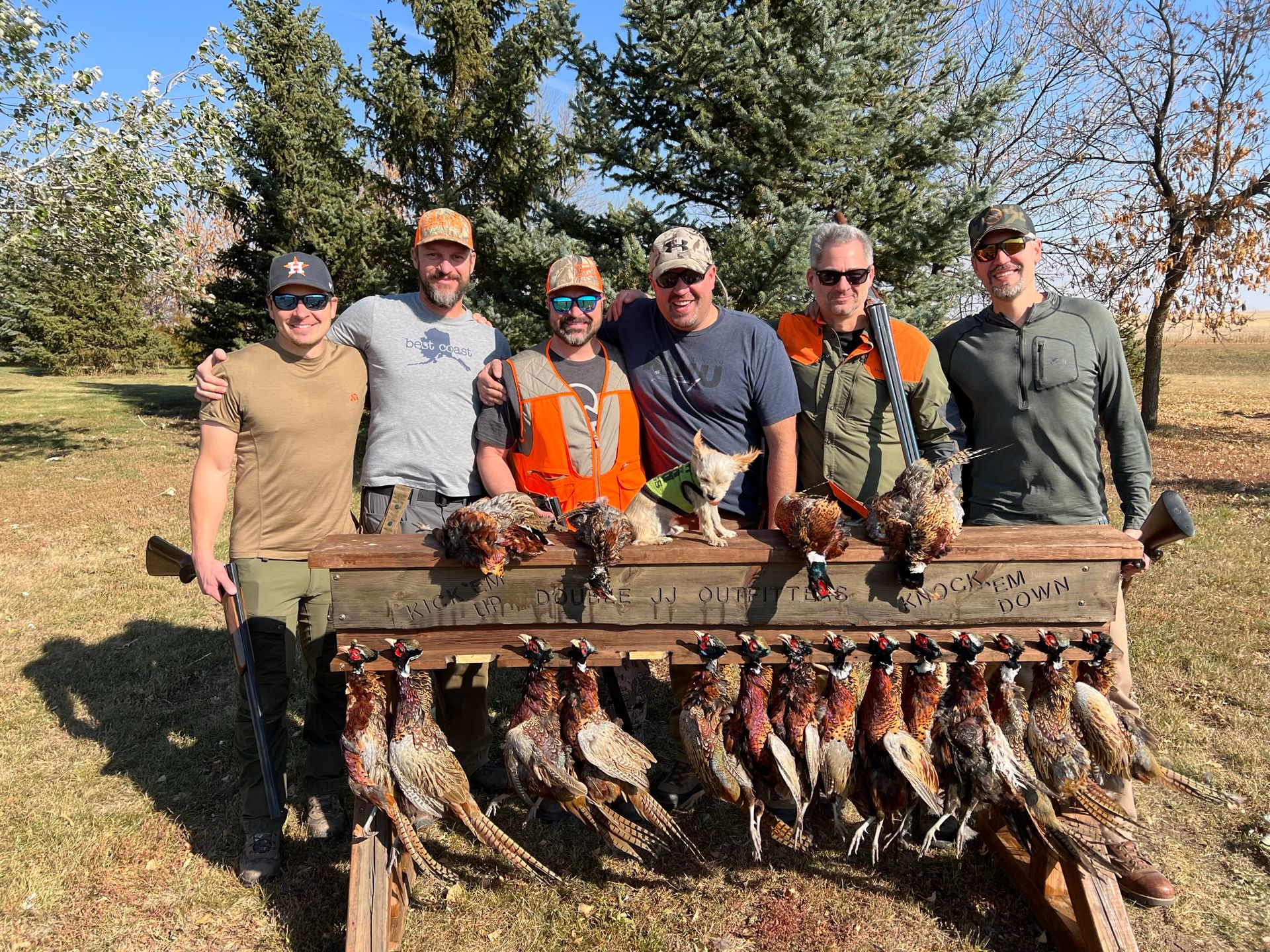
New Jersey Pheasant Hunting: Regulations, Stocking Schedules, and Field Strategies
New Jersey pheasant hunting relies primarily on the state’s intensive stocking program managed by the New Jersey Division of Fish and Wildlife. Hunters can pursue ring-necked pheasants across designated Wildlife Management Areas (WMAs)...
New Jersey pheasant hunting relies primarily on the state’s intensive stocking program managed by the New Jersey Division of Fish and Wildlife. Hunters can pursue ring-necked pheasants across designated Wildlife Management Areas (WMAs) from early November through mid-February by securing a standard hunting license alongside a mandatory Pheasant and Quail Stamp.
Contents
Ring-necked pheasants (Phasianus colchicus) are not native to the Garden State, and sustainable wild reproducing populations are exceptionally rare due to suburban fragmentation and habitat loss. To provide upland game opportunities, the state operates the Rockport Pheasant Farm in Warren County, raising and liberating approximately 50,000 birds annually. Whether walking hedgerows behind a pointing dog or working dense switchgrass independently, success requires an exact understanding of wildlife regulations, stocking distributions, and shotgun ballistics suited to fast-flushing birds.
Licensing, Permits, and Legal Requirements
Pursuing upland game in New Jersey requires strict adherence to state administrative codes. Wildlife conservation officers enforce licensing and hunter-safety mandates across all state-owned tracts and private hunting preserves.
Essential Licenses and Stamps
To legally hunt stocked pheasants on designated public tracts, every hunter must possess:
- Resident or Non-Resident Firearm Hunting License: Prerequisites include completing a state-approved Hunter Education course or presenting a previous year’s resident firearm license from any state.
- Pheasant and Quail Stamp: Anyone aged 16 through 64 hunting on designated stocking properties must purchase this stamp. Youth hunters under 16 holding a valid Youth Firearm License are exempt from stamp fees but must adhere to all field limits and safety rules.
- Harvest Information Program (HIP) Certification: While mandatory primarily for migratory birds, maintaining updated state certifications on your profile ensures no licensing compliance gaps when hunting mixed-bag areas.
Licenses and stamps can be obtained via the New Jersey Fish and Wildlife online licensing portal or through authorized commercial license agents such as local bait-and-tackle and outdoor outfitters.
Safety Color and Blaze Orange Mandates
New Jersey law strictly mandates that all upland bird hunters wear a minimum of 200 square inches of solid, daylight fluorescent blaze orange material. This safety garment must be visible from a 360-degree radius, typically satisfied by a blaze orange hunting cap and an upland field vest. Camouflage orange patterns do not satisfy the statutory minimum on state lands during active firearm seasons.
Legal Equipment and Ammunition Limits
State game regulations govern the gauge, action, and shot dimensions permissible for upland hunting:
- Firearms: Shotguns must be 10-gauge or smaller. Semi-automatic and pump-action shotguns must be mechanically plugged to hold no more than three shells total (one in the chamber, two in the magazine).
- Ammunition: Hunters must use shot sizes no larger than lead #4 or steel #T. The industry-standard load for stocked ring-necked pheasants is 12-gauge or 20-gauge using lead #6 or #7.5 shot, or non-toxic steel #5 or #6. Non-toxic shot is mandatory when hunting within designated federal refuges or specific wetlands intersecting public WMAs.
2026 Season Dates, Hours, and Bag Limits
Pheasant hunting regulations follow a rigid seasonal structure to prevent over-harvest and balance hunter distribution across designated stocking days.
(Note: Formatting check - absolute zero backticks, zero code blocks permitted.)
Field Hunting Hours Notice On opening day in November, shooting hours begin promptly at 8:00 AM. For the remainder of the regular season through mid-February, legal hunting hours run from sunrise to 1/2 hour after sunset. On designated stocking days, field distribution trucks operate during early morning hours; hunters must maintain a safe, respectful distance from state hatchery vehicles.
Daily Bag and Possession Limits
- Daily Limit: 2 pheasants of either sex per day on most designated Wildlife Management Areas.
- Exceptions: On certain state properties managed under wild bird conservation directives or specific private cooperatives, regulations may restrict take to male (rooster) pheasants only. Review specific area listings in the annual New Jersey Freshwater Fishing and Hunting Digest before hunting.
- Possession Limit: The legal possession limit is equivalent to two daily bag limits once birds are processed and preserved at a permanent residence.
Top New Jersey Wildlife Management Areas for Stocked Birds
The state stocks over 20 public properties distributed across Northern, Central, and Southern regions. Understanding the distinct topography and habitat cover of each tract dictates your field strategy.
Northern Region: Warren, Sussex, and Morris Counties
- Pequest Wildlife Management Area (Warren County): Spanning thousands of acres of agricultural leases, river bottoms, and rolling fields, Pequest receives heavy stocking allocations. Hunters encounter a blend of dense sorghum strips and mature brush lines.
- Flatbrook-Roy WMA (Sussex County): Situated in the Kittatinny Valley, this tract features expansive field-and-forest margins. It offers classic upland walking along the Flatbrook drainage, though rocky outcroppings demand durable footwear.
- Black River WMA (Morris County): Convenient to suburban centers, Black River presents a mix of low-lying brush, sedge meadows, and upland edges. Early arrivals are critical on Saturday mornings due to high hunting pressure.
Central Region: Hunterdon and Monmouth Counties
- Clinton WMA (Hunterdon County): Characterized by gently rolling agricultural terrain, hedge rows, and maintained game food plots. Clinton is ideal for hunters operating wide-ranging pointing breeds.
- Assunpink WMA (Monmouth/Mercer Counties): One of the most popular pheasant tracts in the state. Assunpink features extensive switchgrass plantings, managed wildlife food patches, and open fields bordered by hardwood hedgerows. Focus on brush pockets near lake margins late in the morning.
- Colliers Mills WMA (Ocean County): Transitioning toward the outer Pine Barrens, this area provides sandy upland soils interspersed with scrub oak, pitch pine, and thick brier briars where stocked birds quickly seek thermal refuge.
Southern Region: Gloucester, Cumberland, and Salem Counties
- Tuckahoe (MacNamara) WMA (Cape May/Atlantic Counties): Offers expansive open fields juxtaposed against coastal salt hay marshes. Birds flushing into Phragmites stands require quick target acquisition and tight-choke shot patterns.
- Millville (Union Lake) WMA (Cumberland County): Features vast parcels of sandy soil, warm-season grasses, and brushy field borders. Southern region stocking often extends later into the season with less snowpack than northern tracts.
State Wildlife Management Area Comparison
The table below outlines primary public tracts stocked by the state, detailing their regional profile, terrain characteristics, and accessibility for field hunters.
| Wildlife Management Area | County | Primary Habitat Type | Hunter Density | Recommended Dog Breed Suitability |
|---|---|---|---|---|
| Pequest WMA | Warren | Agricultural leases, corn stubble, brush hedgerows | High | Pointing & Flushing (Versatile) |
| Flatbrook-Roy WMA | Sussex | River bottom meadows, rolling terrain, forest edges | Moderate | Pointing (Wide-ranging) |
| Black River WMA | Morris | Sedge meadows, lowland thickets, edge cover | High | Flushing (Close-working spaniels/retrievers) |
| Clinton WMA | Hunterdon | Maintained food plots, sorghum, hardwood margins | High | Pointing & Flushing |
| Assunpink WMA | Monmouth | Vast warm-season switchgrass, agricultural edges | Very High | Pointing Breeds (English Setters, Pointers) |
| Colliers Mills WMA | Ocean | Sandy brush, pitch pine uplands, greenbrier pockets | Moderate | Flushing Breeds (Labradors, Springers) |
| Millville WMA | Cumberland | Scrub oak, field edges, sandy open flats | Moderate to Low | All Upland Breeds |
| Tuckahoe WMA | Cape May | Coastal upland edges, switchgrass, salt marsh margins | Low to Moderate | Close-working Flushers |
Tactical Approaches for Stocked Ring-Necked Pheasants
Stocked pheasants behave differently than wild midwestern birds. Released into unfamiliar territory, hatchery-raised birds initially hold tightly in dense cover before adapting to heavy hunting pressure by becoming persistent runners.
Hunting With Dogs: Pointing vs. Flushing
- Pointing Breeds (Brittanys, German Shorthaired Pointers, Setters): Work well in expansive switchgrass fields at Assunpink or Clinton. Keep pointing dogs within medium range; pressured pheasants often run down mower paths rather than locking into point, requiring the handler to move up quickly to pin the bird.
- Flushing Breeds (English Springer Spaniels, Labrador Retrievers): Ideal for the dense multi-flora rose, greenbrier, and honeysuckle thickets common to North and Central Jersey WMAs. A flusher trained to stay within 20 to 30 yards forces running birds into the air within practical shotgun range.
Hunting Without a Dog (Solo Tactics)
Hunting stocked birds without a canine companion requires calculated patience.
- Slow Down Your Cadence: Walk ten to fifteen yards, then stop entirely for 30 to 45 seconds. The sudden cessation of movement unnerves a concealed pheasant, leading it to believe it has been detected and prompting a vertical flush.
- Target Structural Bottlenecks: Focus on converging hedgerows, fence lines, and the narrow points where open grass transitions into dense hardwood woodlots. Pheasants naturally run along edge cover until they run out of concealment, where they are forced to take flight.
- Hunt the Late-Morning Shift: Many hunters vacate public fields by 10:00 AM. Birds that survived the opening dawn barrage seek isolation in thick brier patches, overgrown ditches, and marsh fringes where a solo walker can intercept them.
Shotgun Selection, Chokes, and Ballistics
Stocked ring-necked pheasants are hardy game birds capable of absorbing poorly placed pellets and running into impenetrable brush. Matching your gauge, choke restriction, and shot size to the field habitat is essential for clean, ethical harvests.
Gauge and Choke Recommendations
- 12-Gauge: The most versatile upland setup. Pair with an Improved Cylinder (IC) choke for early-season, close-range flushes over dogs, or a Modified (M) choke for windy conditions and wary, late-season birds.
- 20-Gauge: Excellent for high-mileage walking across sprawling WMAs. Use an Improved Cylinder for your first barrel and Modified for your second barrel on double guns.
- 28-Gauge: Acceptable for experienced marksmen shooting over close-working pointing dogs. Use tight shot strings with premium copper-plated shot to retain kinetic energy.
Shot Sizes and Velocity
- Lead Ammunition: 1-1/8 oz to 1-1/4 oz loads of high-antimony lead shot in sizes #5 or #6 provide clean downrange lethality out to 40 yards. For close-range brush work, #7.5 shot produces dense patterns but carries less energy on departing birds.
- Steel Ammunition: When required on federal wetlands or specific refuge zones, step up two full shot sizes. Use #3 or #4 steel shot pushed at higher velocities (1,350 to 1,450 fps) to offset the lower density of steel compared to lead.
Commercial Hunting Preserves vs. Public Wildlife Management Areas
Hunters seeking guaranteed bird availability, flexible schedules, and extended seasons often utilize New Jersey's commercial semi-wild and private shooting preserves.
Public Wildlife Management Areas
- Advantages: High value; access requires only standard licensing and the state pheasant stamp. Expansive acreage allows for significant physical exploration.
- Disadvantages: High hunter congestion, particularly on opening morning and Saturday stocking days. Inconsistent bird distribution depending on release schedules and field pressure.
Commercial Hunting Preserves
- Advantages: Extended season running from September 1 through May 1. Controlled access eliminates field competition. Hunters can specify the exact number of birds released, and non-licensed hunters can participate using temporary preserve licenses.
- Disadvantages: Significant cost per bird. The hunting experience is artificial, lacking the unpredictable dynamic of broad-scale public hunting.
Field Care, Cleaning, and Preparation
Proper handling in the field preserves the culinary quality of wild and stocked game birds.
Field Dressing
Immediately after harvesting, inspect the bird and smooth down feathers to allow body heat to escape. If hunting in warm early-November temperatures, field dress birds promptly:
- Lay the bird on its back and make a shallow incision across the lower vent area just beneath the breastbone.
- Carefully reach into the abdominal cavity and draw out the entrails, taking care not to rupture the intestines or crop.
- Wipe the internal cavity clean with dry paper towels; avoid washing the interior with untreated ditch or lake water to prevent bacterial introduction.
- Transport birds in a breathable game pouch or game carrier rather than an airtight plastic bag to prevent meat spoilage.
Culinary Methods
Young-of-the-year stocked pheasants possess lean, mild-flavored breast meat that easily dries out if overcooked.
- Breasts: Best prepared via quick-cooking methods such as pan-searing or schnitzel preparations. Remove breasts from heat when the internal temperature reaches 155°F to 160°F, allowing carryover cooking to hit the safe target of 165°F.
- Legs and Thighs: Contain structural tendons that require low-and-slow braising. Slow cook legs in chicken stock, aromatic vegetables, and dry white wine for 2 to 3 hours to break down connective tissue into tender pulled meat.
Frequently Asked Questions
Do I need a special stamp to hunt pheasants in New Jersey?
Yes, you must hold a valid New Jersey Pheasant and Quail Stamp in addition to a standard firearm hunting license if you are hunting on designated state-stocked Wildlife Management Areas. Youth hunters under the age of 16 holding a valid youth license are exempt from purchasing the stamp.
What are the daily bag limits for pheasants on New Jersey public land?
The daily bag limit is two pheasants per hunter per day on designated public stocking grounds. On most state tracts, birds of either sex (roosters and hens) may be legally harvested, though hunters should always consult the current state hunting digest for property-specific restrictions.
What days does the state stock pheasants during the hunting season?
New Jersey typically stocks birds during the regular upland season on Tuesdays, Thursdays, and Saturdays, with additional stocking events around Thanksgiving and Christmas weeks. Field stocking schedules are released annually by the Division of Fish and Wildlife.
Is blaze orange mandatory for pheasant hunting in New Jersey?
Yes, state law requires all upland hunters using firearms to wear at least 200 square inches of solid, daylight fluorescent blaze orange. This must be worn above the waist and be visible from all angles; a blaze orange hat and vest combination is standard.
Can I shoot hen pheasants on public lands in New Jersey?
On most designated Wildlife Management Areas that receive hatchery stocking, hunters are permitted to harvest either roosters or hens. However, specific wildlife properties restrict harvest to male pheasants only; check the annual digest property list before hunting.
Equip yourself with the proper stamps, patterned shotgun chokes, and required safety gear before heading afield this season. Review the complete list of stocked properties and acquire your credentials directly through the New Jersey Division of Fish and Wildlife licensing system to ensure a productive, safe upland hunt.
Image Gallery