Navigating California LA Auto Insurance: Requirements, Rates, and Regulations
Securing auto insurance in Los Angeles, California requires balancing state-mandated liability minimums with the realities of driving in one of the nation's most congested urban areas. California law sets specific financial responsibil...
Securing auto insurance in Los Angeles, California requires balancing state-mandated liability minimums with the realities of driving in one of the nation's most congested urban areas. California law sets specific financial responsibility limits, while Los Angeles drivers face unique pricing factors—including high traffic density, vehicle theft rates, and local litigation costs—that make comprehensive coverage essential beyond the basic legal requirements.
Contents
Understanding California’s Auto Insurance Legal Requirements
California operates under a tort system, meaning the driver at fault for an accident is financially responsible for the resulting damages, injuries, and property losses. To legally operate a motor vehicle on public roads in Los Angeles, drivers must carry proof of financial responsibility, which is almost universally satisfied by purchasing a standard auto insurance policy that meets or exceeds state-mandated minimum limits.
The state sets absolute floors for coverage, but these limits are often insufficient to cover the true costs of a serious accident in Los Angeles. The mandatory minimum liability coverage limits in California are:
- Bodily Injury Liability: $15,000 per person and $30,000 per accident. This pays for injuries or death caused by you or another driver operating your car to people other than your household.
- Property Damage Liability: $5,000 per accident. This pays for damage you cause to someone else's property, such as their vehicle, utility poles, or fences.
- Uninsured/Underinsured Motorist Coverage (UM/UIM): While insurers are legally required to offer UM/UIM coverage, drivers can formally reject it in writing. However, given the high percentage of uninsured drivers operating in Los Angeles, maintaining this coverage is a vital safeguard.
Relying solely on these state minimums exposes drivers to severe financial vulnerability. A single multi-car collision on the 405 freeway can easily result in property damage exceeding $5,000 and medical bills far surpassing $15,000, leaving the at-fault driver personally liable for the remaining balance.
Unique Cost and Rating Factors for Los Angeles Drivers
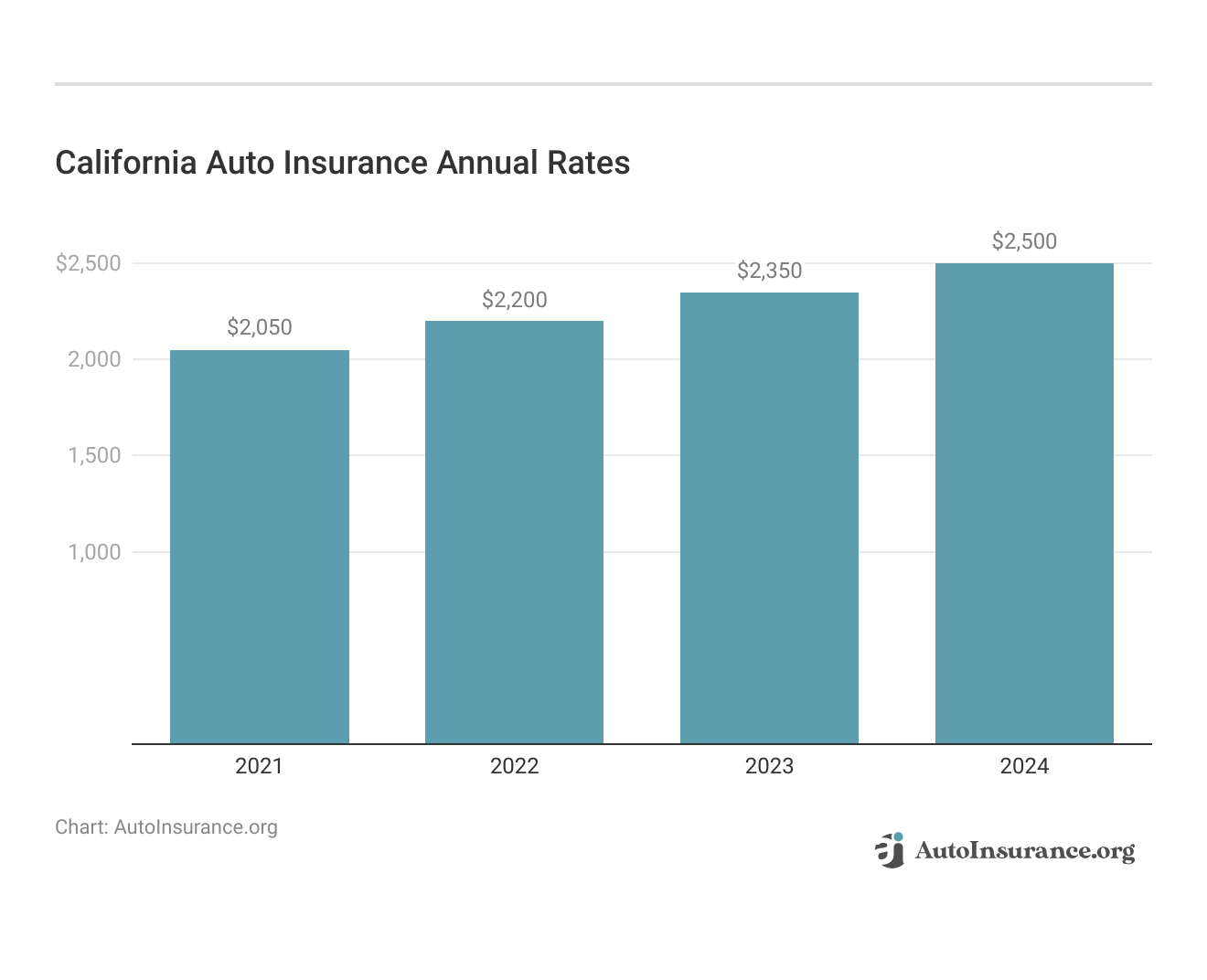
Insurance premiums in Los Angeles are notoriously higher than the national average and often surpass rates in other parts of California. Insurance companies use complex underwriting formulas approved by the California Department of Insurance (CDI) to calculate risk, placing heavy emphasis on geographic location and local driving conditions.
Geographic and Environmental Risk Factors
Los Angeles zip codes experience significantly higher claim frequencies due to extreme traffic congestion, a high density of luxury vehicles, and elevated rates of automobile thefts and break-ins. Insurers divide the city into rating territories; parking a vehicle overnight in certain urban pockets of Los Angeles inherently raises the comprehensive insurance premium compared to suburban or rural California counties.
State-Mandated Rating Factors
Under California Proposition 103, enacted by voters in 1988, insurance companies are restricted in how they price policies. Unlike many other states that permit a wide array of personal characteristics to dictate pricing, California law mandates that auto insurance rates must be based primarily on three mandatory factors:
- Driving Safety Record: The number of at-fault accidents, traffic tickets, and moving violations accumulated over a specific lookback period (typically three to ten years).
- Annual Mileage: The total number of miles driven annually, verified through odometer readings. Commuting long distances across Los Angeles increases exposure risk and raises premiums.
- Years of Driving Experience: The length of time the driver has held a valid license. Inexperienced drivers, regardless of age, face higher base rates.
Insurers may also factor in optional elements like vehicle make and model safety ratings, but credit history cannot be used to determine insurance rates in California, providing a crucial consumer protection for local motorists.
Comparing Comprehensive, Collision, and Liability Coverage
When building an auto insurance policy in Los Angeles, drivers must choose between liability-only protection and physical damage coverage. The right mix depends on the vehicle's market value, whether it is financed, and the driver's risk tolerance.
| Coverage Type | What It Protects | What It Covers | Recommended For |
|---|---|---|---|
| Liability Coverage | Other people and their property | Bodily injury and property damage you cause to others | Older, paid-off cars with low resale value; budget-constrained drivers |
| Collision Coverage | Your vehicle | Damage to your car from collisions with other vehicles or stationary objects (trees, guardrails) | Newer cars, leased vehicles, or financed automobiles |
| Comprehensive Coverage | Your vehicle | Non-collision incidents: theft, vandalism, fire, falling objects, windshield cracks, and flood damage | Vehicles parked on Los Angeles streets or in high-theft neighborhoods |
Drivers with a car loan or lease will find that lenders universally require both collision and comprehensive coverage with specified deductible limits—usually $500 or $1,000—to protect their financial interest in the vehicle until the loan is fully paid off.
Financial Relief and State Programs for LA Drivers
Because auto insurance is legally required yet expensive in Los Angeles, the state operates specialized assistance programs designed to help low-to-moderate-income motorists obtain affordable coverage that meets legal standards.
The California Low Cost Automobile Insurance Program (CLCA)
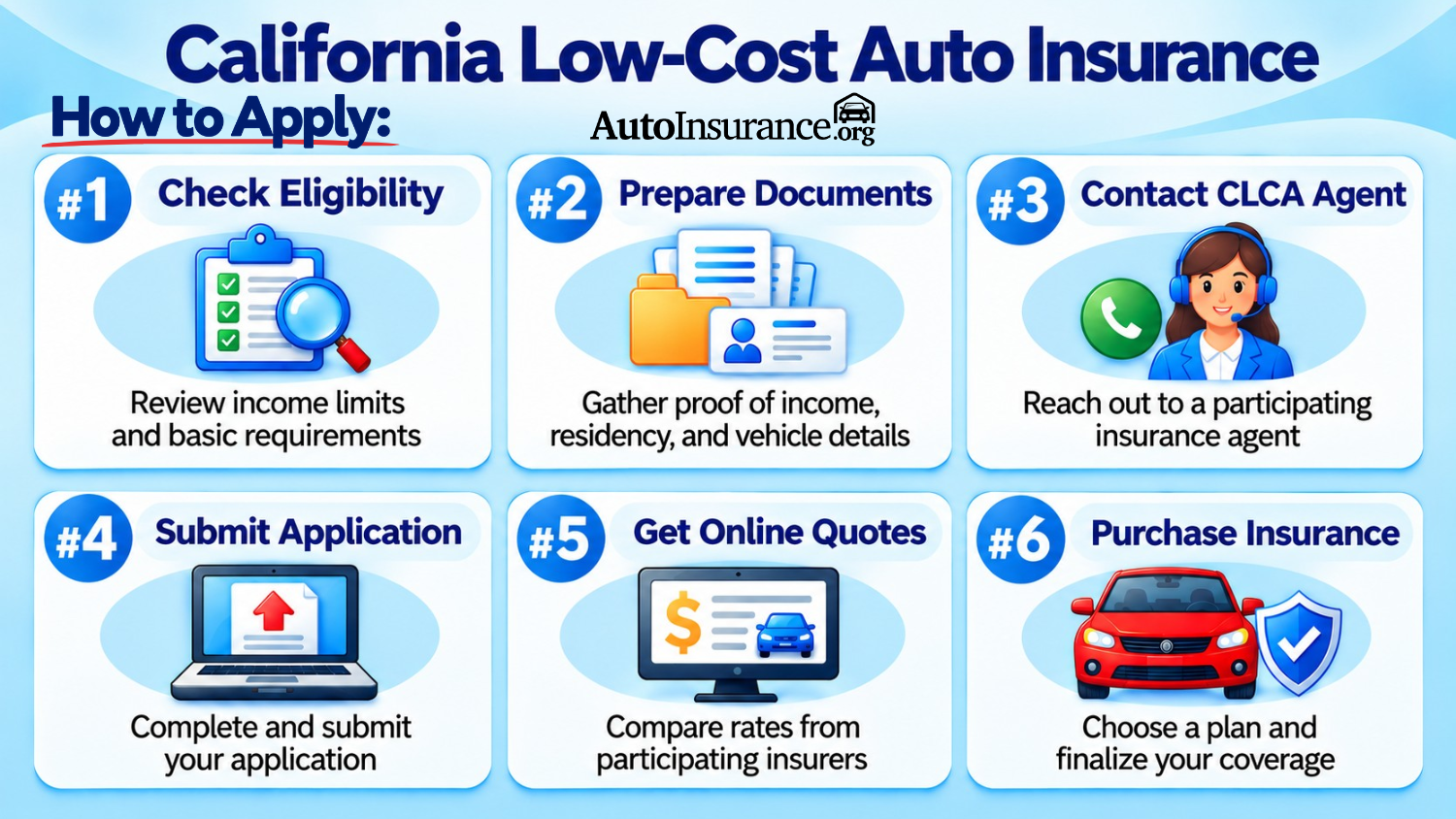
The CLCA program was established by the state legislature to provide liability insurance to financially eligible, good drivers who otherwise could not afford standard market rates. To qualify, applicants must meet specific criteria:
- Have a valid California driver's license.
- Own a vehicle valued below a specified threshold (typically updated periodically by the state).
- Meet household income eligibility guidelines, which are tied to the federal poverty level.
- Have a clean driving record with no major at-fault accidents or DUI convictions within the preceding three years.
Enrolling in the CLCA program ensures that vulnerable drivers can comply with state law without facing severe financial distress from commercial insurance quotes.
Minimizing Premiums Through Legal Discounts and Consumer Rights
Navigating the competitive Los Angeles insurance market requires utilizing every available discount permitted under California law. Because Proposition 103 regulates industry pricing, insurers are transparent about approved discounts.
- Good Driver Discount: California law requires insurers to offer a minimum 20% discount to motorists who qualify as "Good Drivers"—defined as having been licensed for at least three consecutive years, with no more than one point on their driving record in the past three years, and no major violations.
- Bundling Policies: Combining auto insurance with renters or homeowners insurance through the same carrier typically triggers a multi-policy discount.
- Anti-Theft Devices: Given the high rate of vehicle theft in Los Angeles, installing factory-approved tracking systems, alarms, or immobilizers can reduce comprehensive coverage premiums.
- Telematics and Usage-Based Insurance: Enrolling in programs that monitor driving habits via a mobile app or plug-in device allows safe drivers who limit night driving or sudden braking to earn custom discounts.
Consumers who encounter unfair rate hikes or claim denials have direct recourse through the California Department of Insurance, which enforces consumer protection laws and provides a formal complaint resolution portal.
Frequently Asked Questions
What are the minimum auto insurance requirements in California?
California requires drivers to carry liability insurance with minimum limits of $15,000 for injury or death of one person per accident, $30,000 for total injury or death per accident, and $5,000 for property damage. These limits are the legal floor, though higher limits are strongly recommended for driving in Los Angeles.
Why is auto insurance so expensive in Los Angeles?
Insurance rates in Los Angeles are elevated due to high population density, severe traffic congestion, frequent highway accidents, higher vehicle repair costs, and a high volume of vehicle thefts and staged accidents. These localized risk factors drive up the frequency and severity of claims insurers must pay out.
Can insurance companies in California use my credit score to set rates?
No. Under California law (Proposition 103), auto insurers are strictly prohibited from using credit scores, credit history, or credit-based insurance scores when calculating premiums or determining policy eligibility.
What should I do immediately after a car accident in Los Angeles?
First, ensure everyone is safe and move to a secure location if possible. Call 911 if there are injuries or significant traffic blockages. Exchange insurance and contact information with the other drivers, take photos of the scene and vehicle damage, and report the accident to the local police department and your insurance carrier as soon as possible.
Does California require uninsured motorist coverage?
Insurance companies in California are legally mandated to offer uninsured and underinsured motorist (UM/UIM) coverage, but drivers have the right to decline it by signing a written waiver. Given the volume of uninsured motorists on Los Angeles roads, keeping this coverage active is a vital financial protection.
Image Gallery