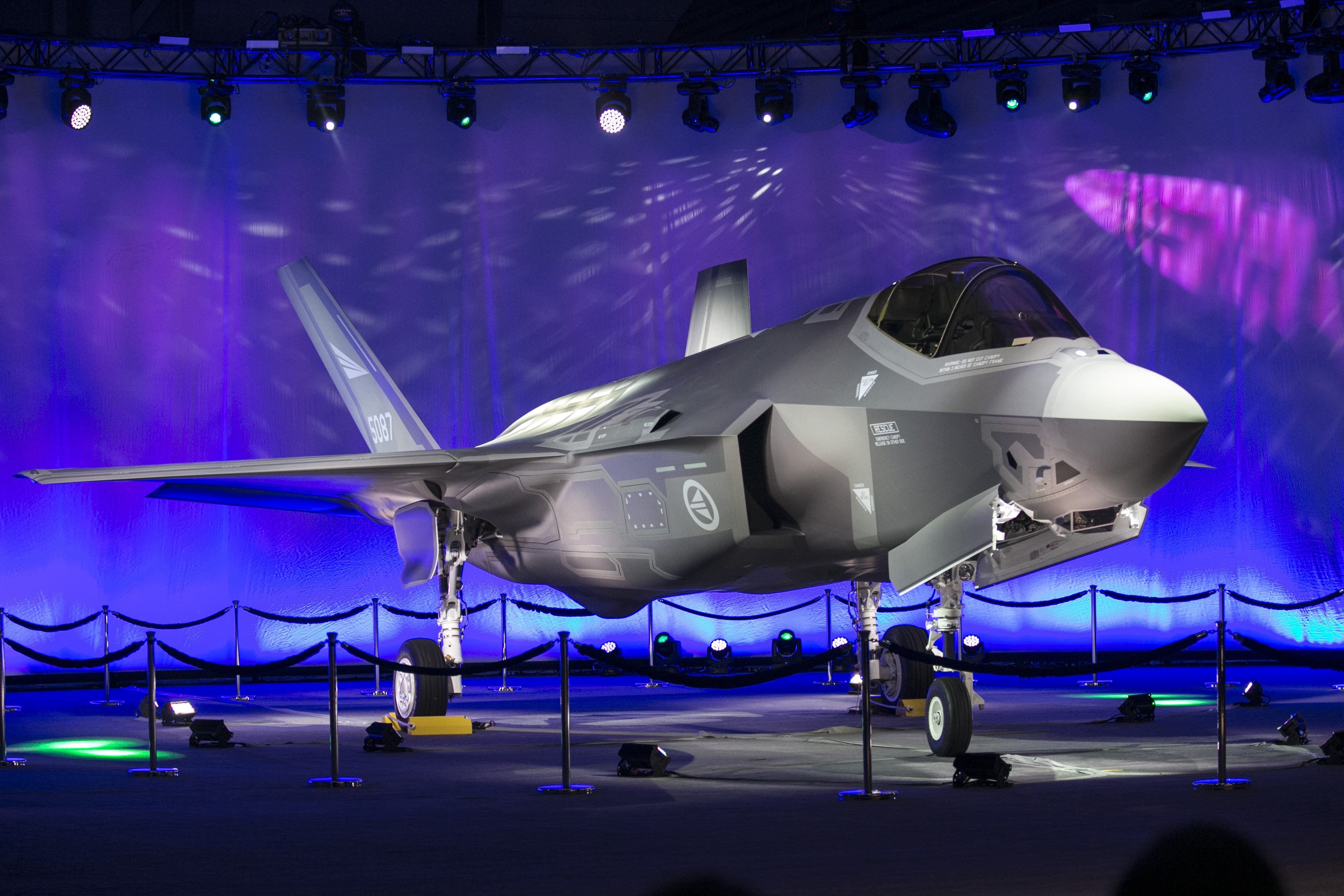
Lockheed Martin Tempo: Understanding the Advanced Digital Transformation Initiative
Lockheed Martin Tempo represents a critical digital engineering and enterprise resource planning modernization initiative designed to streamline aerospace manufacturing, supply chain logistics, and defense program execution. By unifyin...
Lockheed Martin Tempo represents a critical digital engineering and enterprise resource planning modernization initiative designed to streamline aerospace manufacturing, supply chain logistics, and defense program execution. By unifying disparate engineering systems into an integrated digital thread, this framework aims to optimize how complex military and commercial systems are designed, tested, and maintained in 2026.
Contents
Understanding the Foundation of Lockheed Martin Tempo
Modern aerospace engineering demands an unprecedented level of data integration. Traditional manufacturing environments often suffer from siloed databases, legacy software architectures, and fragmented communication channels between prime contractors, subcontractors, and defense agencies. The Lockheed Martin Tempo initiative addresses these systemic challenges by establishing a standardized, cloud-compatible digital ecosystem.
At its core, this modernization effort leverages Model-Based Systems Engineering (MBSE) principles. Instead of relying on traditional two-dimensional blueprints and isolated document repositories, engineering teams interact with dynamic, living digital twins. These virtual models simulate physical performance, manufacturing constraints, and operational lifecycles under extreme environmental conditions long before physical metal is cut.
Enterprise Digital Thread Architecture: The implementation of Lockheed Martin Tempo relies heavily on establishing an unbroken digital thread that connects requirements definition, computer-aided design (CAD), simulation testing, and lifecycle sustainment into a single source of truth. This minimizes costly engineering change orders (ECOs) and accelerates delivery schedules for critical national security programs.
Core Technical Architecture and Operational Frameworks
The technical framework supporting Lockheed Martin Tempo integrates several advanced computing paradigms to ensure high availability, stringent cybersecurity compliance, and real-time data analytics. Within defense technology sectors, data sovereignty and secure enclaves are non-negotiable prerequisites.
To meet these rigorous demands, the platform incorporates specific architectural layers:
- Secure Cloud Infrastructure: Utilization of FedRAMP-certified environments that comply with Department of Defense (DoD) Impact Level (IL) 5 and IL 6 security requirements to protect classified and controlled unclassified information (CUI).
- Interoperability Standards: Adoption of open-architecture principles, enabling seamless data exchange across legacy systems and modern platforms through standardized Application Programming Interfaces (APIs).
- Automated Verification and Validation (V&V): Embedded testing protocols that continuously evaluate software and hardware designs against contractual requirements and military specifications.
- Artificial Intelligence and Machine Learning (AI/ML) Analytics: Predictive maintenance algorithms and supply chain risk identification tools that process telemetry data from ongoing manufacturing operations.
Strategic Impact on Aerospace Manufacturing and Supply Chain Dynamics
The deployment of Lockheed Martin Tempo fundamentally alters the economic and operational relationship between prime defense contractors and their expansive supplier networks. Small and medium-sized enterprises (SMEs) providing specialized components must adapt to digital engineering standards to maintain compatibility with modern production lines.
Operational Comparison of Traditional vs. Tempo-Enabled Manufacturing
| Operational Metric | Traditional Manufacturing Approach | Lockheed Martin Tempo Digital Framework |
|---|---|---|
| Data Synchronization | Fragmented spreadsheets, paper drawings, and delayed email updates. | Real-time cloud-based collaboration with single-source-of-truth repositories. |
| Engineering Change Orders | Weeks or months to propagate changes through tier-one and tier-two suppliers. | Instantaneous automated notifications and digital model updates across authorized nodes. |
| Testing and Prototyping | Heavy reliance on expensive physical prototypes and destructive testing phases. | Extensive virtual simulation, digital twinning, and computational fluid dynamics (CFD). |
| Compliance and Auditing | Manual documentation collection prone to human error and compliance lags. | Automated compliance verification mapped directly to military standards and cybersecurity frameworks. |
Implementation Roadmap and Integration Best Practices
Transitioning legacy aerospace manufacturing lines toward a fully realized digital ecosystem requires a methodical, phased approach. Engineering leadership and program managers must balance ongoing defense contract delivery obligations with the operational friction inherent in software migrations.
- Readiness Assessment and Gap Analysis: Evaluate existing engineering software stacks, data governance policies, and workforce digital literacy levels to identify vulnerability points before migration.
- Pilot Program Execution: Deploy the framework on a controlled sub-assembly or non-critical developmental program to validate data pipelines and security protocols.
- Supplier Integration and Onboarding: Extend secure access portals to key supply chain partners, ensuring that all participating entities meet required cybersecurity maturity model certification (CMMC) standards.
- Continuous Workforce Training: Implement comprehensive training modules for systems engineers, machinists, and quality assurance personnel to maximize platform adoption and operational efficiency.
Addressing Security, Compliance, and Risk Management
Operating within the defense industrial base subjects any major technological framework to intense regulatory scrutiny. Lockheed Martin Tempo operates under strict compliance regimes mandated by federal acquisition regulations (FAR) and defense federal acquisition regulation supplements (DFARS).
A primary concern in modern defense contracting is supply chain vulnerability. By centralizing design data and enforcing strict cryptographic access controls, the architecture mitigates the risk of intellectual property theft and malicious code injection. Furthermore, automated traceability ensures that every component utilized in an aerospace assembly can be traced back to its raw material origins, satisfying stringent federal provenance mandates.
Frequently Asked Questions
What is the primary purpose of Lockheed Martin Tempo?
Lockheed Martin Tempo is a digital engineering and enterprise modernization initiative designed to integrate aerospace design, manufacturing, and supply chain data into a unified platform. It reduces development timelines and enhances the reliability of complex defense systems through digital twinning and Model-Based Systems Engineering.
How does Lockheed Martin Tempo affect the supply chain?
The initiative requires supply chain partners to engage through secure, interoperable digital environments rather than traditional paper-based or fragmented electronic communication. This integration increases transparency, speeds up engineering updates, and enforces strict cybersecurity compliance across all tiers.
Is Lockheed Martin Tempo a software product available for commercial purchase?
No, it is an enterprise-level digital transformation framework and internal operating model utilized by Lockheed Martin and its authorized program partners rather than an off-the-shelf commercial software package.
What security standards does the platform adhere to?
The platform operates within secure cloud infrastructures that meet rigorous Department of Defense standards, including FedRAMP certification and specific Impact Level compliance for handling Controlled Unclassified Information (CUI).
How does digital twinning factor into the Tempo framework?
Digital twins serve as dynamic virtual replicas of physical systems, allowing engineers to simulate performance, stress-test components under extreme operating conditions, and optimize manufacturing processes prior to physical production.
Strategic Outlook and Recommendations
For organizations collaborating with major defense primes, aligning internal data standards with advanced digital engineering frameworks like Lockheed Martin Tempo is no longer optional. Engineering teams should prioritize the modernization of their internal CAD/PLM (Product Lifecycle Management) tools, invest in robust cybersecurity measures such as CMMC preparation, and cultivate a culture of model-based systems engineering. By proactively adopting these digital standards, contractors can secure long-term competitiveness and ensure seamless integration into next-generation aerospace programs.
Image Gallery