The Celeb Boutique Twitter Controversy: A Definitive Guide to the 2012 Social Media Crisis
The Celeb Boutique Twitter controversy refers to a 2012 social media crisis where the fashion retailer utilized a trending hashtag related to a mass shooting to promote a dress. This incident is widely cited as a foundational case stud...
The Celeb Boutique Twitter controversy refers to a 2012 social media crisis where the fashion retailer utilized a trending hashtag related to a mass shooting to promote a dress. This incident is widely cited as a foundational case study in tone-deaf marketing, highlighting the catastrophic risks of automated newsjacking and uninformed social media management.
Contents
The Anatomy of a Digital PR Disaster
In the landscape of digital marketing history, few events resonate as clearly as the Celeb Boutique Twitter controversy of July 20, 2012. To understand the gravity of the mistake, one must look at the specific context of that day. On July 20, 2012, a tragic mass shooting occurred at a movie theater in Aurora, Colorado, during a midnight screening of The Dark Knight Rises. As the news broke, the word "Aurora" immediately began trending globally on Twitter (now X) as people shared information, offered condolences, and sought updates on the tragedy.
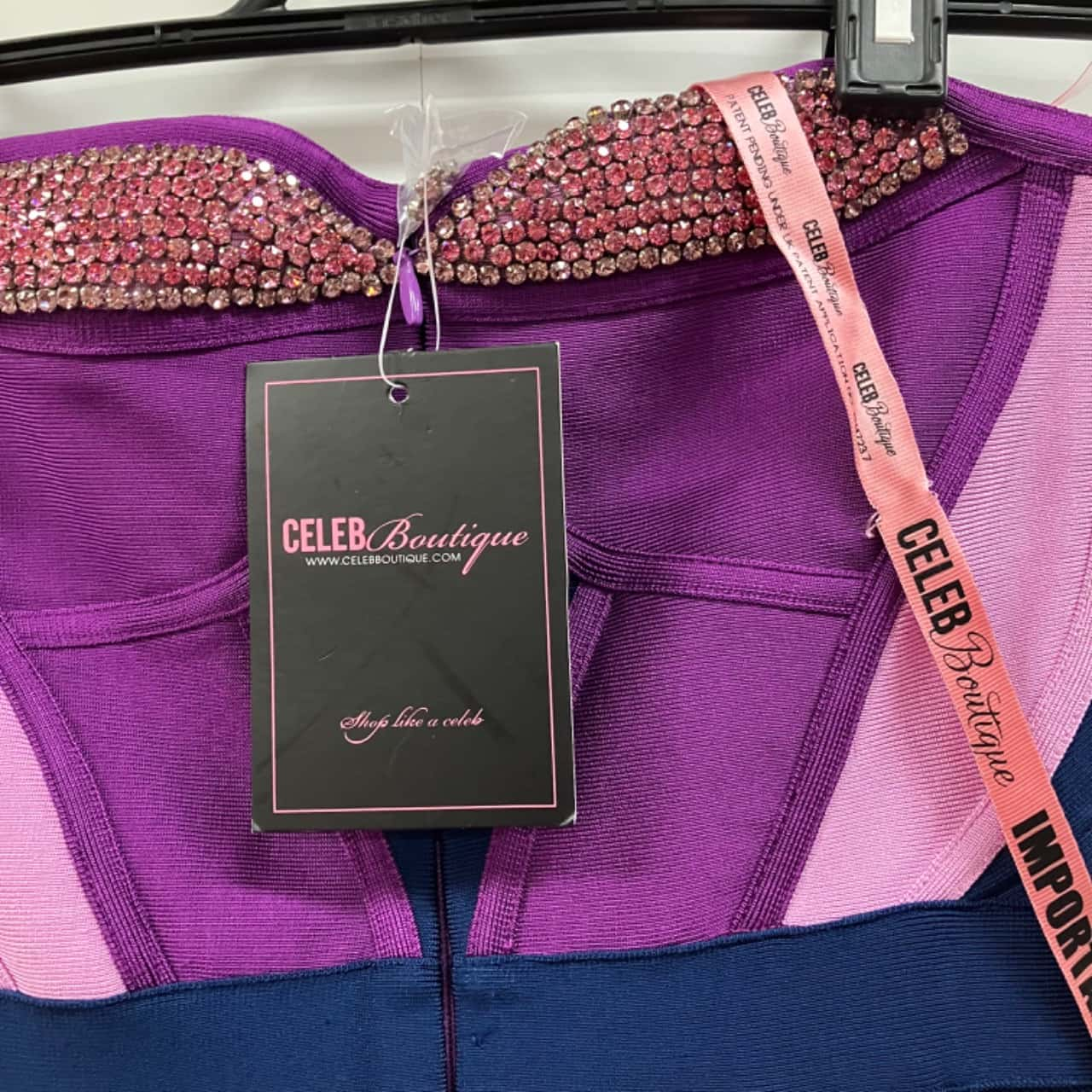
Celeb Boutique, an online fashion retailer known for selling celebrity-inspired bandage dresses, noticed the trending topic. Without verifying why "Aurora" was trending, the brand’s official account posted the following tweet:
"‘Aurora’ is trending - celebrate with our Aurora dress inspired by Kim Kardashian! #Aurora #KimKardashian"
The backlash was instantaneous. Within minutes, the tweet was retweeted thousands of times, not by people interested in fashion, but by a horrified public who viewed the post as a grotesque attempt to profit from a national tragedy. This event remains a primary example of "newsjacking" gone wrong—a term popularized by David Meerman Scott to describe the process of injecting a brand's ideas into a breaking news story. In this instance, the "injection" was seen as opportunistic, insensitive, and profoundly incompetent.
The Immediate Aftermath and Public Backlash
The public response to Celeb Boutique was swift and uncompromising. In 2012, social media was already a powerful tool for collective accountability, and the "Aurora" tweet served as a lightning rod for public anger. Users across the globe condemned the brand, with many calling for a total boycott. The controversy was not confined to Twitter; within hours, major news outlets such as the BBC, The Guardian, and Mashable had picked up the story, amplifying the brand's mistake to a mainstream audience.
The technical failure here was twofold. First, there was a failure of "social listening." In professional digital marketing, trending topics should never be engaged with until the sentiment and context behind the trend are fully understood. Second, the incident highlighted the dangers of decentralized social media management. At the time, many brands were beginning to outsource their social media presence to agencies or junior employees who may not have been in the same time zone or cultural context as the breaking news.
The vitriol directed at the brand was intensified because the shooting was one of the deadliest mass shootings in U.S. history at the time. By linking a Kardashian-inspired dress to a location where people had just lost their lives, Celeb Boutique inadvertently signaled that their commercial interests outweighed basic human empathy.
The Brand’s Defense and Apology
Approximately an hour after the initial tweet, Celeb Boutique deleted the post and issued a series of apologies. Their primary defense was that their social media manager, who was allegedly based outside of the United States, was unaware of the shooting and believed the hashtag was trending because of their own product or a general interest in the "Aurora" dress name.
The brand stated: "We are incredibly sorry for our tweet about Aurora. Our PR is NOT US based and had not checked the reason for the trend. Nothing more than a mistake. We are truly sorry."
This apology did little to quell the firestorm. Critics argued that ignorance was not a valid excuse for a professional brand. The defense highlighted a significant structural weakness in the company’s communications pipeline: the lack of a "human-in-the-loop" verification process for high-reach digital platforms. From a PR perspective, the apology was viewed as "defensive" rather than "redemptive," as it sought to shift blame to an external PR entity rather than taking full corporate responsibility for the oversight.
Analyzing the Technical Failures: Why Newsjacking Fails
To prevent a repeat of the Celeb Boutique controversy, modern digital marketing teams in 2026 analyze the technical and procedural gaps that led to the event. The incident provides a clear roadmap of what not to do when managing a brand's digital voice.
1. Failure of Contextual Verification
The most basic rule of social media management is to click on a hashtag before using it. Celeb Boutique’s team failed to perform a simple search to see the top results for #Aurora. Had they done so, they would have seen news reports from the Aurora Police Department and major news syndicates.
2. Lack of Geographical Awareness
If a brand operates globally, its social media team must be aware of regional news. The "Aurora" incident happened during the early morning hours in the UK (where Celeb Boutique was based), meaning the news of the shooting was just reaching European cycles. However, for a global brand with a significant U.S. customer base, the lack of a "global news pulse" check was a critical error.
3. Over-Reliance on Automation and Templates
Many social media blunders are the result of automated software that pulls trending keywords and inserts them into pre-written promotional templates. While Celeb Boutique claimed the tweet was manual, it bore the hallmarks of a low-effort engagement strategy where the goal was quantity of impressions over quality of interaction.
Historical Comparison: Notable Social Media Fails
The Celeb Boutique incident is often compared to other high-profile social media "fails" that occurred during the same era. These comparisons help illustrate the pattern of corporate insensitivity that plagued early 2010s marketing.
| Brand | Year | Incident Description | Primary Error |
|---|---|---|---|
| Celeb Boutique | 2012 | Used #Aurora (mass shooting) to promote a dress. | Lack of context/Social listening failure. |
| Kenneth Cole | 2011 | Used the Arab Spring uprising in Cairo to promote a spring collection. | Opportunistic newsjacking of political unrest. |
| DiGiorno Pizza | 2014 | Used #WhyIStayed (domestic violence awareness) to tweet about pizza. | Failure to research hashtag origin. |
| Gap | 2012 | Encouraged people to shop online during Hurricane Sandy. | Insensitivity to a natural disaster. |
| American Apparel | 2014 | Posted a stylized photo of the Space Shuttle Challenger explosion as "fireworks." | Historic ignorance/Visual misinterpretation. |
Long-term Impact on the Fashion Industry
The legacy of the Celeb Boutique controversy fundamentally changed how fashion retailers approach digital marketing. Prior to 2012, social media was often viewed as a "playful" or "informal" space where mistakes were easily forgotten. After this incident, the industry moved toward a more rigorous, "newsroom" style of social media management.
Fashion brands began implementing strict "Emergency Pause" protocols. These protocols ensure that if a national tragedy or major news event occurs, all scheduled social media posts are immediately paused to prevent the brand from appearing insensitive or out of touch. Furthermore, the incident accelerated the professionalization of the "Social Media Manager" role, moving it from an entry-level task to a strategic corporate communications position that requires high levels of emotional intelligence and news literacy.
Frequently Asked Questions
What exactly did the Celeb Boutique tweet say?
The tweet stated: "‘Aurora’ is trending - celebrate with our Aurora dress inspired by Kim Kardashian! #Aurora #KimKardashian". It included a link to the product page on their website.
Did Celeb Boutique go out of business after the controversy?
No, the brand did not immediately go out of business. However, the incident caused significant long-term damage to its reputation. Over the years, the brand underwent various changes in its business model and online presence, but the 2012 controversy remains the most searched and cited event in its history.
Why was the apology considered insufficient?
The apology was criticized because it blamed an "outside PR agency" rather than taking internal responsibility. In crisis management, shifting blame is often perceived as a lack of genuine remorse. Furthermore, the brand continued to tweet promotional content shortly after the apology, which many felt was too soon given the scale of the tragedy.
How can brands avoid similar mistakes in 2026?
In 2026, brands use sophisticated AI-driven sentiment analysis tools that automatically flag trending hashtags associated with negative sentiment (such as violence, disasters, or political unrest). Additionally, the standard practice is now "Human-in-the-Loop" (HITL) verification, where no automated post can go live without a manual check against the current news cycle.
Was the "Aurora" dress actually named after the city?
No. The "Aurora" dress was a pre-existing product in their collection. It was named "Aurora" likely due to the common use of the name in fashion (referencing the Aurora Borealis or the Roman goddess of dawn). The controversy arose because they used the name to capitalize on the trend caused by the shooting.
Professional Recommendation for Crisis Mitigation
For any brand facing a similar social media crisis, the following steps are recommended based on the lessons learned from Celeb Boutique:
- Immediate Cessation: Stop all outgoing communications across all platforms. This includes scheduled tweets, Instagram stories, and email marketing.
- Acknowledge and Absorb: Issue a brief, sincere acknowledgement of the error without offering immediate excuses. Use "we" instead of "they" or "the agency."
- Investigate Internally: Determine exactly how the post was approved. Was it a software error, a lack of training, or a malicious act?
- Transparent Correction: Once the facts are gathered, issue a detailed statement explaining the steps being taken to ensure the error never happens again (e.g., new training modules, software changes, or personnel changes).
- Community Engagement: In some cases, making a significant donation to a relevant charity or cause associated with the tragedy can demonstrate a commitment to making amends, though this must be handled with extreme care to avoid appearing like a "buy-out" of the controversy.
The Celeb Boutique controversy serves as a permanent reminder that in the digital age, a brand’s reputation is only as strong as its most recent interaction. Sensitivity, context, and a deep understanding of the global news landscape are non-negotiable requirements for any organization operating on social media.
Image Gallery