Optimizing Multi Stop Route Planning for 2026 Logistics Efficiency
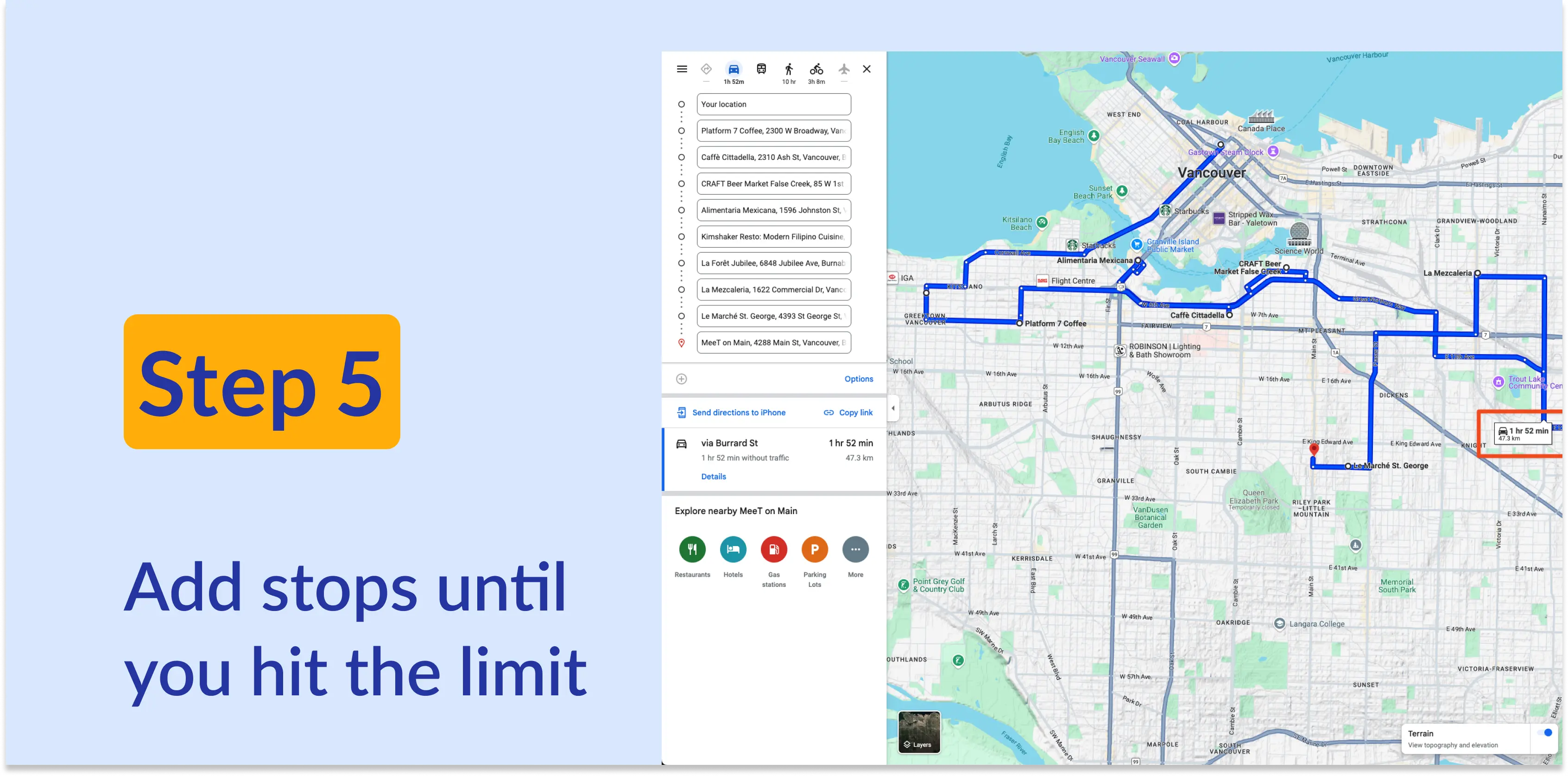
Multi stop route planning is the systematic process of determining the most efficient sequence of locations to visit to minimize travel time, fuel consumption, and vehicle wear. By leveraging heuristic algorithms and real-time traffic...
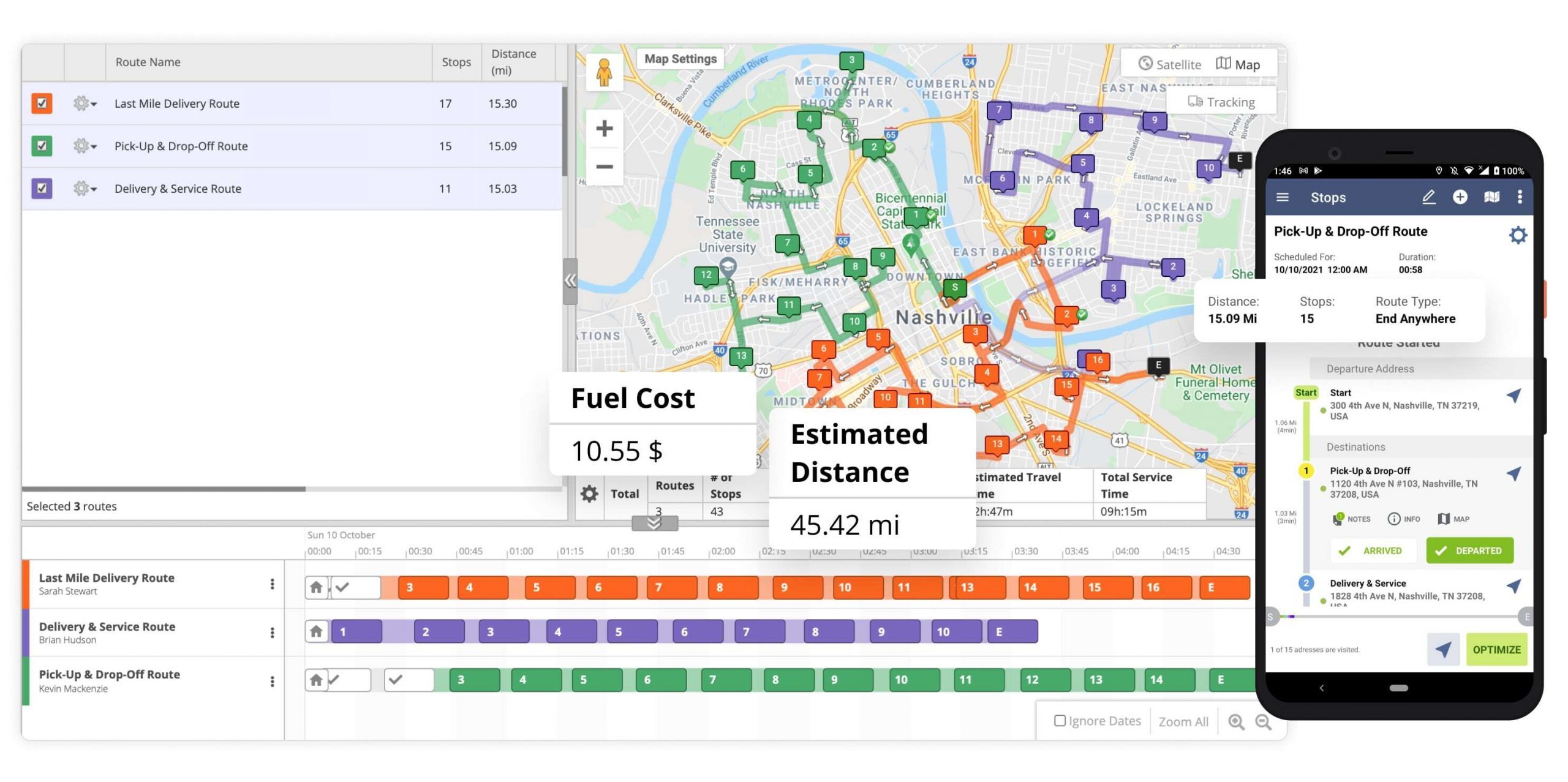
Multi stop route planning is the systematic process of determining the most efficient sequence of locations to visit to minimize travel time, fuel consumption, and vehicle wear. By leveraging heuristic algorithms and real-time traffic data, organizations can transform complex delivery schedules into streamlined paths, ensuring operational viability in the 2026 logistics landscape.
Contents
Technical Fundamentals of Routing Algorithms
Modern route planning relies on solving the Traveling Salesperson Problem (TSP) and the more complex Vehicle Routing Problem (VRP). While a simple commute involves a single destination, multi stop planning requires the evaluation of n-factorial possible sequences. As the number of stops increases, the computational complexity grows exponentially, necessitating advanced mathematical models.
In 2026, most high-end routing software utilizes a combination of the following technical approaches:
- Genetic Algorithms: These simulate natural selection to evolve a population of potential routes, filtering for the most efficient sequences over repeated iterations.
- Dijkstra’s Algorithm: Used for finding the shortest path between two nodes in a graph, this serves as the foundational layer for calculating point-to-point travel times.
- Dynamic Programming: This method breaks down the large problem of a multi-stop route into smaller, overlapping sub-problems, significantly reducing the calculation time required for real-time adjustments.
Factors Impacting Route Optimization Accuracy
Effective planning is not merely about finding the shortest physical distance. It requires the integration of real-world variables that alter the "cost" of a specific route segment. In 2026, professional-grade platforms incorporate live telemetry to adjust for variables that were previously static.
| Variable Type | Impact on Routing | Data Source |
|---|---|---|
| Traffic Flow | High | Real-time GPS Telemetry |
| Window Constraints | Extreme | Customer API Requirements |
| Vehicle Capacity | High | Fleet Management Systems |
| Fuel/Energy Cost | Moderate | Regional Spot Pricing |
| Driver Breaks | Mandatory | Regulatory Compliance Logs |
Addressing Regulatory and Compliance Constraints
Professional route planners must adhere to Hours of Service (HOS) regulations. In 2026, integrated fleet management systems automatically trigger alerts when a driver approaches their legal driving limit, forcing the system to re-route or insert a mandatory rest stop into the sequence without compromising the overall efficiency of the delivery window.
Strategic Workflow for Implementing Multi Stop Routing
To achieve maximum utility, organizations must adopt a standardized workflow that treats route planning as a data-driven lifecycle. Failure to follow these steps often results in "route drift," where drivers revert to manual habits that prioritize familiarity over actual efficiency.
- Data Ingestion: Import all stops into the software via CSV or API. Ensure that each location includes precise geocodes rather than mere street addresses to avoid "address jitter."
- Constraint Definition: Set specific delivery windows, vehicle payload capacities, and individual driver skill sets or security clearances required for specific sites.
- Algorithmic Processing: Execute the solver. The system should run at least three variations: shortest distance, shortest time, and highest reliability.
- Dispatcher Review: Humans should oversee the final output to account for nuanced, non-digital factors such as temporary road closures or site-specific parking challenges.
- Execution and Monitoring: Push the optimized route to driver mobile devices. Real-time updates must flow back to the central server to track deviations.
Comparison of Routing Methodologies
Choosing the right tool depends on your fleet size and the density of your stops. The following table contrasts standard industry approaches.
| Feature | Basic Map Services | Specialized VRP Software | AI-Driven Enterprise Platforms |
|---|---|---|---|
| Max Stops per Route | 10–25 | 100–500 | Unlimited |
| Real-Time Re-routing | No | Partial | Full Predictive |
| HOS Compliance | No | Basic | Native/Automated |
| Cost | Low/Free | Mid-range | High (Enterprise) |
Common Implementation Pitfalls
Even with sophisticated software, human error remains the primary cause of routing failure. Avoid these common mistakes to maintain high throughput:
- Ignoring Service Time at Stop: Failure to account for the time spent unloading or performing services at a location will cause a "cascading delay," where every subsequent stop becomes late.
- Static Routing in Dynamic Environments: Using a route planned for a Tuesday morning on a Friday afternoon will likely fail due to different traffic patterns. Always ensure the "Time of Day" parameter is active.
- Geocode Inaccuracy: Relying on automated geocoding for rural or new residential developments often leads to "point-on-map" errors. Verify coordinates for high-priority accounts manually.
Frequently Asked Questions
Why does my planned route show a longer distance than the shortest possible path?
Route planning software prioritizes time-efficiency over pure distance. A longer route that avoids major highway congestion or utilizes left-turn-optimized sequences (often called "right-turn-only" routing) frequently results in lower fuel consumption and faster completion times than the shortest physical path.
How does 2026 technology handle unexpected road closures during a route?
Modern routing engines use "event-driven architecture." When a vehicle’s onboard GPS detects an unexpected closure, the system communicates with the central server to calculate a new route based on current traffic density and updated ETA for the remaining stops, automatically pushing the update to the driver’s interface.
Is multi stop route planning compatible with electric vehicle (EV) fleets?
Yes, modern platforms include "State of Charge" (SoC) constraints. The algorithm treats the battery capacity as a variable, identifying necessary charging stops along the route based on the vehicle's efficiency, charger availability, and the duration required to reach the next destination.
Can I prioritize specific customers over others?
Yes, by applying "Weighting" to specific stops. You can assign priority levels to each delivery or service call, forcing the algorithm to visit those locations first, even if it adds to the overall distance or time of the total route.
What is the primary difference between a "Static" and "Dynamic" route?
Static routes follow a fixed path regardless of daily fluctuations, often used for recurring courier rounds. Dynamic routes are calculated fresh every day based on the specific set of orders for that day, which maximizes efficiency but requires a more robust planning infrastructure.
Optimizing for Future Scalability
To maintain competitive advantage in the 2026 market, firms should prioritize the integration of predictive analytics. By analyzing historical delivery data, organizations can identify recurring bottlenecks and adjust their master schedules to account for seasonal traffic shifts or predictable fluctuations in service duration. By moving from reactive routing to predictive, data-informed logistics, your organization can significantly reduce overhead costs while increasing total stop density per vehicle.
Image Gallery