The Townshend Act Reaction in Context: Colonial Resistance and Imperial Policy
The Townshend Acts of 1767 triggered a profound shift in the relationship between Great Britain and its North American colonies by introducing indirect taxes on essential goods like glass, lead, paint, paper, and tea. This legislation,...
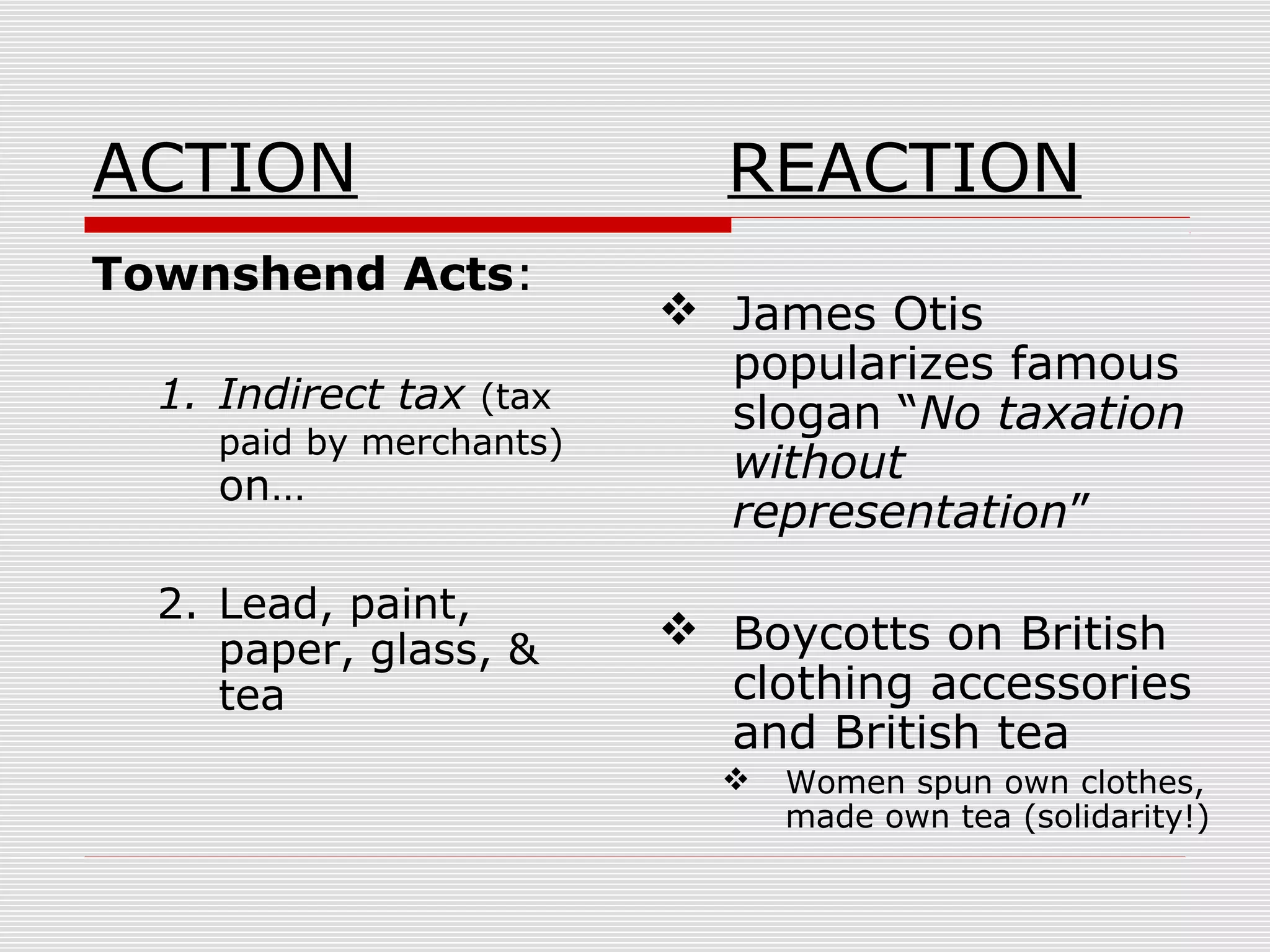
The Townshend Acts of 1767 triggered a profound shift in the relationship between Great Britain and its North American colonies by introducing indirect taxes on essential goods like glass, lead, paint, paper, and tea. This legislation, intended to assert parliamentary sovereignty and fund royal colonial administrators, instead catalyzed widespread organized boycotts, stimulated colonial self-sufficiency, and solidified an ideological divide that served as a precursor to the American Revolution.
Contents
Origins of the Legislation
Following the repeal of the Stamp Act in 1766, the British Parliament remained under intense pressure to address colonial revenue deficits and the financial burden of maintaining a military presence in the Americas. Charles Townshend, the Chancellor of the Exchequer, proposed a new suite of revenue measures. Unlike the internal tax of the Stamp Act, the Townshend Acts functioned as import duties—external taxes collected at colonial ports.
The primary objective was twofold: to provide salaries for colonial governors and judges, thereby making these officials financially independent of colonial assemblies, and to demonstrate Parliament’s absolute right to tax the colonies. By shifting fiscal control away from the locally elected assemblies, the British government fundamentally altered the legislative autonomy that the colonies had enjoyed under the policy of "salutary neglect."
The Ideological Core: Taxation and Representation
The colonial response was grounded in the principle of "no taxation without representation." Colonists argued that Parliament, lacking direct representation from the colonies, possessed no constitutional authority to levy taxes for the express purpose of raising revenue.
John Dickinson, in his influential Letters from a Farmer in Pennsylvania (1767–1768), provided the intellectual framework for this resistance. Dickinson distinguished between taxes intended to regulate trade (which he conceded were within Parliament's authority) and taxes designed specifically to generate revenue (which he argued were unconstitutional). This nuanced legalistic argument helped unify disparate colonial perspectives, moving the debate from simple fiscal complaints to a broader constitutional discourse regarding the rights of Englishmen.
Escalation and the Mechanics of Boycott
Resistance to the Townshend Acts moved quickly from pamphlets to collective economic action. In 1768, the Massachusetts House of Representatives issued the "Massachusetts Circular Letter," which urged other colonial assemblies to coordinate their opposition to the new duties. When the British government ordered the dissolution of any assembly that adhered to the letter, it inadvertently fostered a sense of intercolonial unity.
The most potent tool against the acts was the non-importation agreement. Merchants in Boston, New York, and Philadelphia entered into pacts to cease the importation of British goods. This strategy served two purposes:
- Economic Pressure: By cutting off access to colonial markets, merchants hoped to force British manufacturers and traders to lobby Parliament for the repeal of the acts.
- Social Solidarity: Boycotts transformed private consumption into a political act. "Homespun" became a badge of honor, and women—often referred to as the "Daughters of Liberty"—played a critical role in producing domestic textiles and managing the consumption habits of households to reduce reliance on British imports.
Comparison of British Policy vs. Colonial Response
| Aspect | British Policy Intent | Colonial Interpretation |
|---|---|---|
| Revenue | Fund colonial administration | Violation of proprietary rights |
| Governance | Strengthen imperial control | Attempt to undermine assemblies |
| Taxation | Exercise parliamentary power | Taxing without direct representation |
| Enforcement | Creation of American Customs Board | Viewed as corrupt bureaucratic overreach |
The Role of the American Board of Customs Commissioners
A critical component of the Townshend Acts was the creation of the American Board of Customs Commissioners, headquartered in Boston. This body was established to tighten the enforcement of navigation laws and curb the widespread smuggling that had long bypassed imperial regulations.
The presence of these commissioners created constant friction. Their efforts to seize vessels suspected of smuggling often resulted in violent confrontations between customs officials and the populace. The most famous incident occurred in 1768 when officials seized John Hancock's ship, the Liberty, on charges of smuggling Madeira wine. This event triggered massive riots in Boston, leading the British government to dispatch troops to the city—an escalation that fundamentally militarized the conflict and paved the way for the Boston Massacre in 1770.
The Collapse of the Acts
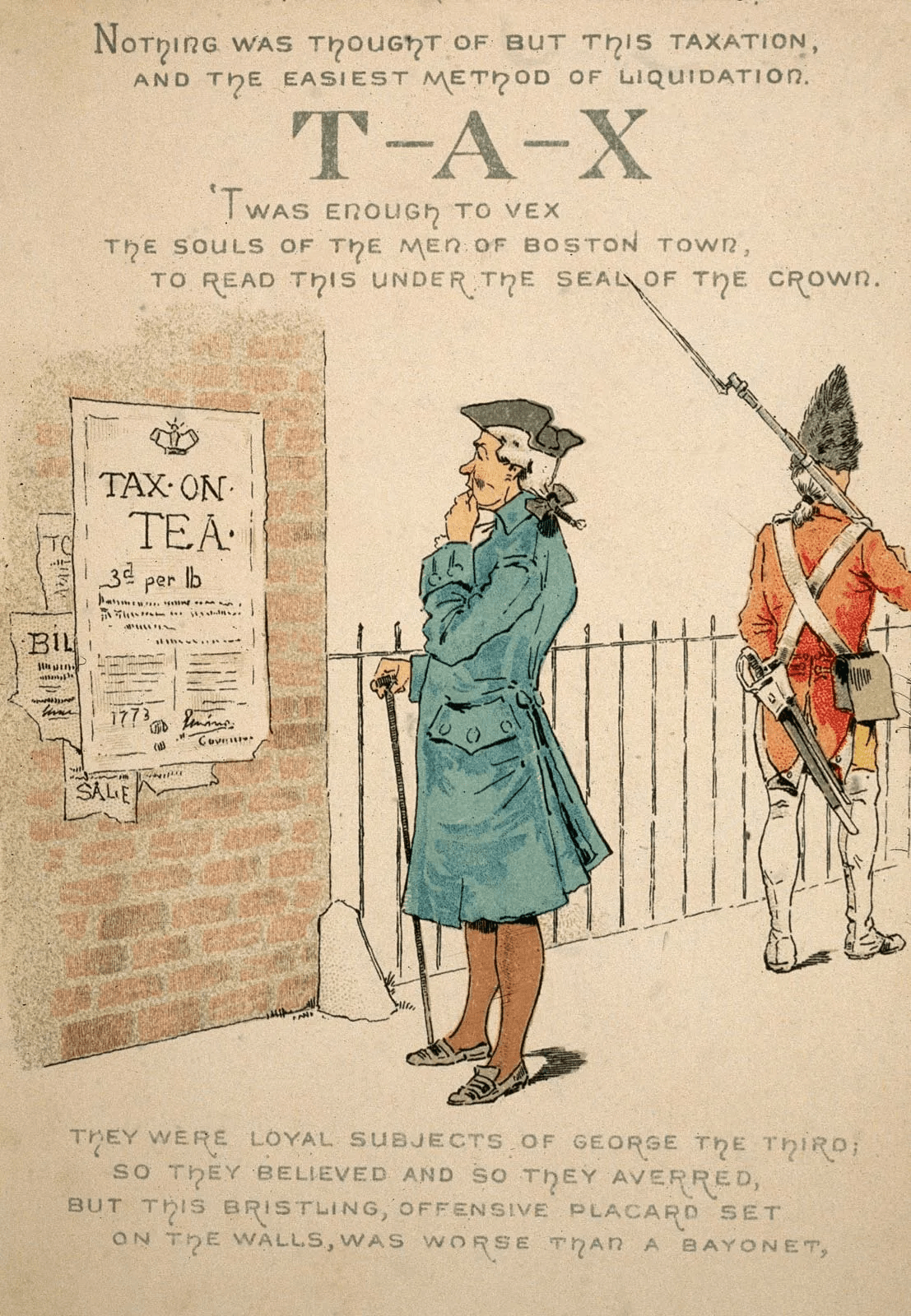
By 1770, the non-importation agreements had severely crippled British trade. In London, merchant groups began pressuring Parliament to abandon the unpopular taxes. Lord North, who had become Prime Minister, successfully moved to repeal all of the Townshend duties in 1770, except for the tax on tea.
The retention of the tea tax was a strategic error, as it was maintained specifically to affirm Parliament’s right to tax the colonies. While the immediate economic pressure of the boycott subsided, the political infrastructure of the resistance remained intact. The Committees of Correspondence, formed during the height of the resistance, provided a permanent network for communication and mobilization that would later become essential during the transition to independence.
Legacy and Lingering Tensions
The reaction to the Townshend Acts transformed the American resistance from a localized annoyance into a coordinated political movement. By 1770, the colonies had learned how to effectively leverage their economic weight, creating a blueprint for the resistance that followed the Tea Act of 1773.
The period serves as a case study in the dangers of legislative inconsistency. By imposing taxes that were perceived as fundamentally unjust and then backing down only partially, the British government managed to alienate both colonial loyalists and radicals. The failure to resolve the underlying constitutional questions—who held the power to govern and by whose consent—guaranteed that further confrontation was inevitable.
Frequently Asked Questions
Why was the tea tax left in place after the repeal of the other Townshend duties? The tea tax was kept as a symbolic measure. Parliament wanted to maintain a clear legal precedent that they possessed the authority to levy taxes on the colonies, even if they chose not to exercise that power broadly at that time.
What was the primary method of protest against the Townshend Acts? The primary method was the non-importation agreement. Merchants agreed not to purchase or import British goods, while citizens pledged to consume domestically produced alternatives, effectively weaponizing the colonial economy against British manufacturers.
How did the Townshend Acts affect the status of colonial governors? The Acts redirected the tax revenue to pay the salaries of governors and judges. Previously, these officials were paid by colonial assemblies, which gave the assemblies leverage over their actions. This move made officials accountable only to the Crown.
What were the "Daughters of Liberty"? This was a group of colonial women who supported the resistance movement. They organized, produced homespun clothing to replace British imports, and managed household economics to ensure the success of the non-importation boycotts.
Did the Townshend Acts directly cause the American Revolution? While not the sole cause, they were a major catalyst. The acts solidified the American argument against parliamentary taxation, improved intercolonial communication, and established a precedent for mass civil resistance that would escalate over the next decade.
Practical Recommendation for Further Study
To understand the full impact of these events, researchers should examine the primary source records of the colonial assemblies and the surviving records of the American Board of Customs Commissioners. These documents provide the most accurate account of the administrative failures and the precise nature of the colonial administrative pushback that led to the breakdown of royal authority.
Image Gallery