Understanding How Much You Can Recover from a $500,000 Life Insurance Policy
When you are the named beneficiary of a $500,000 life insurance policy, the amount you "recover"—or the death benefit paid out—is generally equal to the policy's face value, provided all contractual obligations were met by the policyho...
When you are the named beneficiary of a $500,000 life insurance policy, the amount you "recover"—or the death benefit paid out—is generally equal to the policy's face value, provided all contractual obligations were met by the policyholder. However, the final settlement amount can be reduced by outstanding loans against the policy, unpaid premiums, or specific administrative fees stipulated in the contract.
Contents
The Mechanism of the Death Benefit
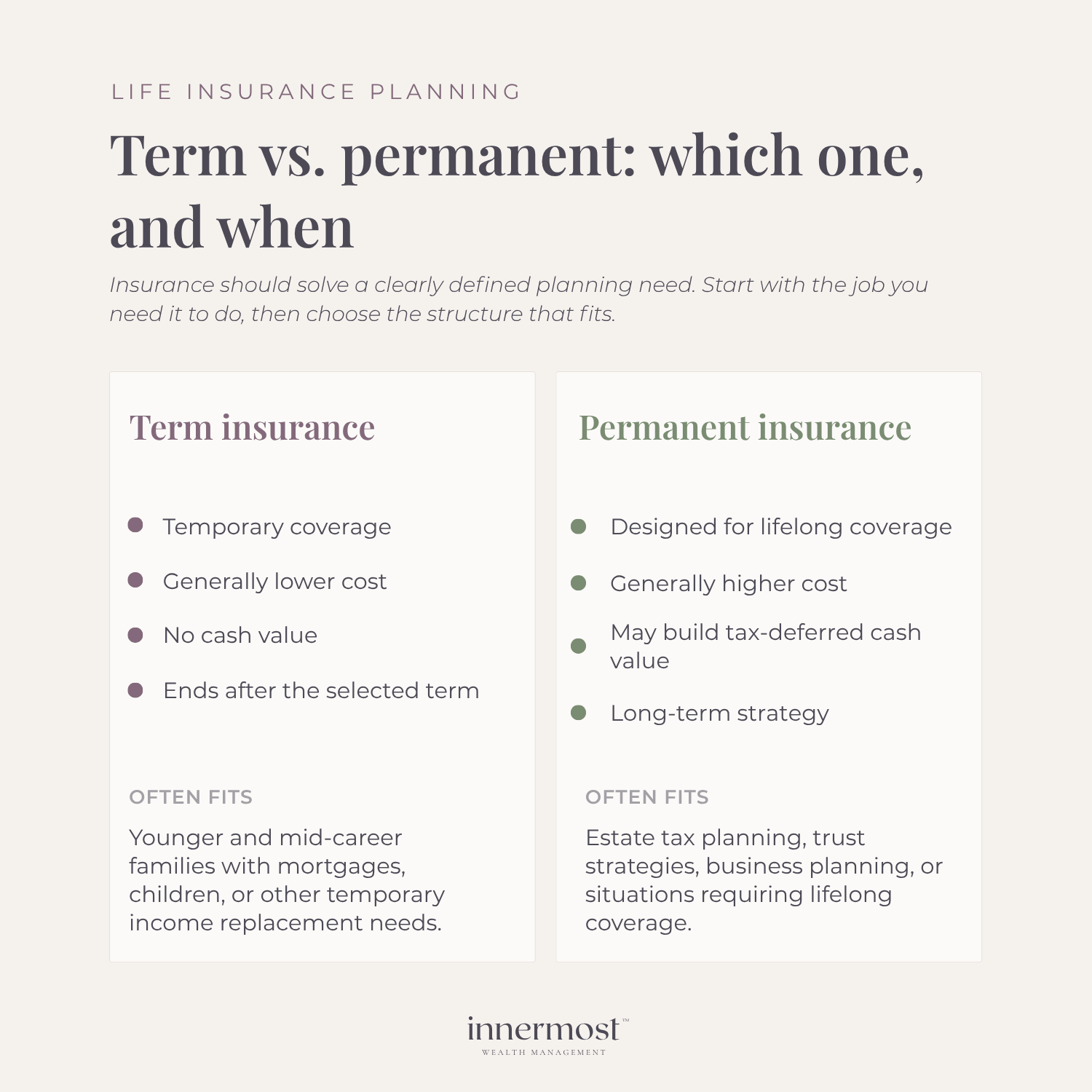
A life insurance policy is a legally binding contract between the policyholder and the insurance company. When a person purchases a policy with a $500,000 death benefit, they are effectively locking in a guarantee that, upon their passing, the insurer will pay that specific amount to the designated beneficiaries. Unlike investment accounts that fluctuate with the market, a term or whole life insurance policy provides a fixed benefit amount.
The "recovery" process, formally known as filing a death claim, involves submitting a certified death certificate and the original policy documentation to the insurer. Once the claim is processed and verified, the insurer issues payment. In the vast majority of cases, the full face value is paid out. The concept of "recovery" here is synonymous with the payout, but beneficiaries must be aware of factors that influence the net proceeds.
Factors That Reduce the Payout
While the face value is $500,000, several scenarios may lead to a lower payout. These are not typically "fees" in the sense of a service charge, but rather adjustments based on the policy’s financial history.
- Policy Loans: If the deceased had a permanent life insurance policy (such as whole or universal life) that accumulated cash value, they may have taken out loans against that value. If these loans were not repaid during the policyholder's lifetime, the insurance company will subtract the outstanding loan balance plus any accrued interest from the $500,000 death benefit.
- Unpaid Premiums: Life insurance policies usually have a "grace period" for missed payments, typically ranging from 30 to 31 days. If a policyholder dies while a payment is overdue but still within the grace period, the insurer will deduct the unpaid premium amount from the death benefit before issuing the final check to the beneficiary.
- Accelerated Death Benefits: Some policies include a rider that allows the policyholder to access a portion of the death benefit while they are still alive if they are diagnosed with a terminal illness. If the deceased utilized this option, the amount already paid out would be deducted from the $500,000 total.
- Administrative or Processing Issues: In rare cases, if a policy is subject to a legal dispute, interpleader action (where the insurer asks a court to decide who gets the money), or tax liens, the disbursement process can be delayed, and legal fees might be deducted depending on the specific state laws and the nature of the dispute.
Taxes and Financial Considerations
A common question regarding the $500,000 payout is whether the recipient must pay income tax on the money. In the United States, death benefits from life insurance are generally received income-tax-free by the beneficiary. This is an important distinction to make; you are not "recovering" an investment gain that triggers capital gains tax, but rather receiving a contractually owed sum.
However, there is an exception to the tax-free rule: the Transfer for Value rule. If a policy was purchased or transferred from one party to another for valuable consideration, some portion of the proceeds could become taxable. Additionally, if the life insurance policy is part of a large estate, the total value of the estate—including the $500,000 payout—might be subject to federal or state estate taxes if the estate's total value exceeds current IRS exemption thresholds.
Comparing Payout Options
Beneficiaries are often presented with different ways to receive the $500,000. It is rarely a simple "take it or leave it" scenario.
| Payout Option | Description | Considerations |
|---|---|---|
| Lump Sum | You receive the full amount in one payment. | Most common; allows for immediate debt repayment or investment. |
| Life Income | Payments are spread over the beneficiary's lifetime. | Provides steady, long-term cash flow but no control over the principal. |
| Fixed Period | Payments are spread over a set number of years (e.g., 10 or 20). | Guaranteed income for a specific phase of life, like funding college. |
| Interest Only | The insurer holds the principal and pays you only the interest. | Keeps the $500,000 intact for future distribution to heirs. |
Steps to Initiate a Claim
The recovery process requires active participation from the beneficiary. You should not wait for the insurer to contact you, as they may not be aware of the policyholder's death immediately.
- Locate the Policy: Find the original policy document. If it is missing, contact the insurance company directly. If you do not know the company, check the deceased’s financial records, bank statements, or look for state-run unclaimed property databases.
- Request Claim Forms: Contact the insurance company’s claims department to request the necessary forms. You will need the policy number and the insured’s Social Security number.
- Submit Documentation: You must provide a certified copy of the death certificate. The insurer may also require a Claimant’s Statement, which is a formal document verifying your identity and relationship to the deceased.
- Review the Settlement Options: Before signing, evaluate whether a lump sum meets your current financial goals or if a structured settlement offers better protection against immediate overspending or estate taxes.
Frequently Asked Questions
Does the $500,000 payout cover all expenses immediately? No, a life insurance policy is a contract for a specific death benefit. It is not designed to cover specific funeral expenses unless specifically structured that way. The beneficiary receives the funds and can use them for any purpose, including funeral costs, mortgage payments, or general living expenses.
How long does it usually take to receive the money? In most cases, once a completed, clean claim (including the death certificate) is submitted, the insurance company will process the payment within 30 to 60 days. Delays can occur if the policy is in the "contestability period"—typically the first two years of the policy—during which the insurer may investigate the truthfulness of the original application.
What happens if there are multiple beneficiaries? If the policy lists multiple beneficiaries with designated percentages, the $500,000 will be divided according to those proportions. If no percentages were specified, the payout is generally split equally among the surviving named beneficiaries.
Can a creditor take the $500,000 to pay the deceased’s debts? Generally, life insurance proceeds paid directly to a named beneficiary are protected from the creditors of the deceased’s estate. However, if the estate is named as the beneficiary, or if the beneficiary is the executor of an insolvent estate, legal nuances may vary by state. Always consult with a probate attorney if the deceased had significant outstanding debt.
What if the insurance company denies the claim? If a claim is denied, the insurer must provide a written explanation. Common reasons include policy lapse due to non-payment or material misrepresentation on the initial application (e.g., hiding a pre-existing medical condition). If you believe a denial is wrongful, you can appeal the decision through the insurer’s formal appeals process or contact your state’s insurance commissioner for mediation.
Professional Guidance and Next Actions
Receiving a $500,000 life insurance benefit is a significant financial event. Before making major financial decisions, such as paying off long-term debt or investing in high-risk assets, take time to review your immediate and long-term needs. Consult with a qualified financial advisor or tax professional to ensure you understand the implications of the payout in the context of your overall financial health. If you are struggling to locate a policy, utilize the National Association of Insurance Commissioners (NAIC) Life Insurance Policy Locator service to assist in your search.
Image Gallery