California LCSW License Lookup: How to Verify Clinical Social Worker Credentials in 2026
To perform a California LCSW license lookup, visit the official California Department of Consumer Affairs (DCA) BreEZe Online Services portal. This central database allows you to verify the standing of any Licensed Clinical Social Work...
To perform a California LCSW license lookup, visit the official California Department of Consumer Affairs (DCA) BreEZe Online Services portal. This central database allows you to verify the standing of any Licensed Clinical Social Worker regulated by the Board of Behavioral Sciences (BBS). You can search by name or license number to confirm active status, expiration dates, and any public disciplinary records.
Contents
The California Board of Behavioral Sciences (BBS) is the regulatory body responsible for licensing, examination, and enforcement for Licensed Clinical Social Workers (LCSW), Licensed Educational Psychologists (LEP), Licensed Marriage and Family Therapists (LMFT), and Licensed Professional Clinical Counselors (LPCC). In 2026, maintaining public transparency through digital verification remains the primary safeguard for mental health consumers across the state.
The Critical Importance of Verifying LCSW Credentials in 2026
Verification is more than a bureaucratic formality; it is a fundamental component of consumer protection and professional accountability. Whether you are a prospective client seeking therapy, an employer hiring for a clinical role, or an insurance provider managing a network, the "California LCSW license lookup" serves as your first line of defense against unlicensed practice and ethical violations.
In the 2026 clinical landscape, the expansion of telehealth and multi-state practice agreements has made real-time verification essential. A valid California license ensures that the practitioner has met the rigorous state standards, including:
- Educational Requirements: Completion of a Master’s degree in Social Work (MSW) from an accredited institution.
- Supervised Experience: Accrual of at least 3,000 hours of supervised post-degree clinical experience over a minimum of 104 weeks.
- Examination Mastery: Passing both the California Law and Ethics Exam and the Association of Social Work Boards (ASWB) Clinical Level Exam.
- Criminal Background Clearance: Successful completion of fingerprinting and DOJ/FBI background checks.
Failure to verify a license can lead to complications with insurance reimbursement, legal liability for employers, and, most importantly, substandard care for patients.
Step-by-Step Guide to the California LCSW License Lookup Process
The California Department of Consumer Affairs (DCA) provides a unified search tool known as BreEZe. This system is the authoritative source of truth for all BBS licensees. Follow these steps to ensure you are accessing accurate, up-to-the-minute data in 2026.
- Access the Official Portal: Navigate to the DCA License Search website. Ensure the URL ends in ".gov" to avoid third-party aggregators that may host outdated information.
- Select the Search Category: Under the "Boards and Bureaus" dropdown, select "Board of Behavioral Sciences."
- Choose License Type: Select "Licensed Clinical Social Worker" from the license type menu. If you are searching for an associate still earning hours, select "Associate Clinical Social Worker."
- Enter Search Criteria: You may search by License Number (the most accurate method) or by First and Last Name. If searching by name, ensure the spelling matches the practitioner's legal filing.
- Review the Search Results: The system will return a summary including the name, license type, license number, and current status.
- Analyze the Detailed Profile: Click on the practitioner's name to view the full public record, which includes the original issue date, expiration date, and any "Public Record" actions such as disciplinary history or citations.
Understanding License Status Definitions and Regulatory Metrics
When performing a lookup, the "Status" field is the most critical metric. In 2026, the BBS uses specific terminology to define the standing of a practitioner. Understanding these terms is vital for interpreting the results of your search.
| License Status | Definition and Practitioner Permissions | Professional Standing in 2026 |
|---|---|---|
| Active | The practitioner has met all renewal requirements, including continuing education, and is legally authorized to practice. | Valid / In Good Standing |
| Current / Inactive | The license is renewed, but the practitioner has opted not to practice clinical social work currently. No CE is required while inactive. | Valid / Cannot Practice |
| Delinquent | The license has not been renewed by the expiration date. The practitioner must stop practicing immediately until the license is restored. | Invalid / Needs Renewal |
| Cancelled | The license was not renewed for three years following its expiration and is now permanently void. Re-application is required. | Invalid / No Practice |
| Revoked | The Board has stripped the practitioner of their license due to severe disciplinary violations or criminal activity. | Invalid / Permanent Ban |
| Surrendered | The practitioner gave up their license, often as part of a settlement regarding disciplinary charges. | Invalid / Voluntary Exit |
Operational Requirement for Employers: In 2026, healthcare facilities in California are mandated to verify the "Active" status of all clinical staff every 24 months, coinciding with the biennial renewal cycle. Using the DCA's "License Watch" feature is highly recommended for automated alerts regarding status changes for specific practitioners.
2026 Continuing Education and Renewal Standards
For an LCSW to maintain an "Active" status in 2026, they must adhere to strict Continuing Education (CE) requirements. The BBS mandates 36 hours of CE for every two-year renewal period. These hours must be earned through providers approved by the BBS or recognized national organizations like the NASW or ASWB.
Specific mandatory coursework for 2026 includes:
- Suicide Risk Assessment and Intervention: A one-time requirement of 6 hours.
- Law and Ethics: 6 hours required every renewal cycle.
- Telehealth: 3 hours of initial coursework for those providing remote services.
- Cultural Competency and Implicit Bias: Ongoing requirements to ensure equitable care across California's diverse populations.
If an LCSW fails to complete these units, their license status will change to "Delinquent" upon their renewal date, regardless of whether fees were paid.
How to Handle Disciplinary Actions and Public Records
If your California LCSW license lookup reveals a "Public Record" or "Disciplinary Action," it is essential to review the documents provided by the Board. The BBS is required by law to publish formal accusations, decisions, and orders.
Common reasons for disciplinary action in the California mental health field include:
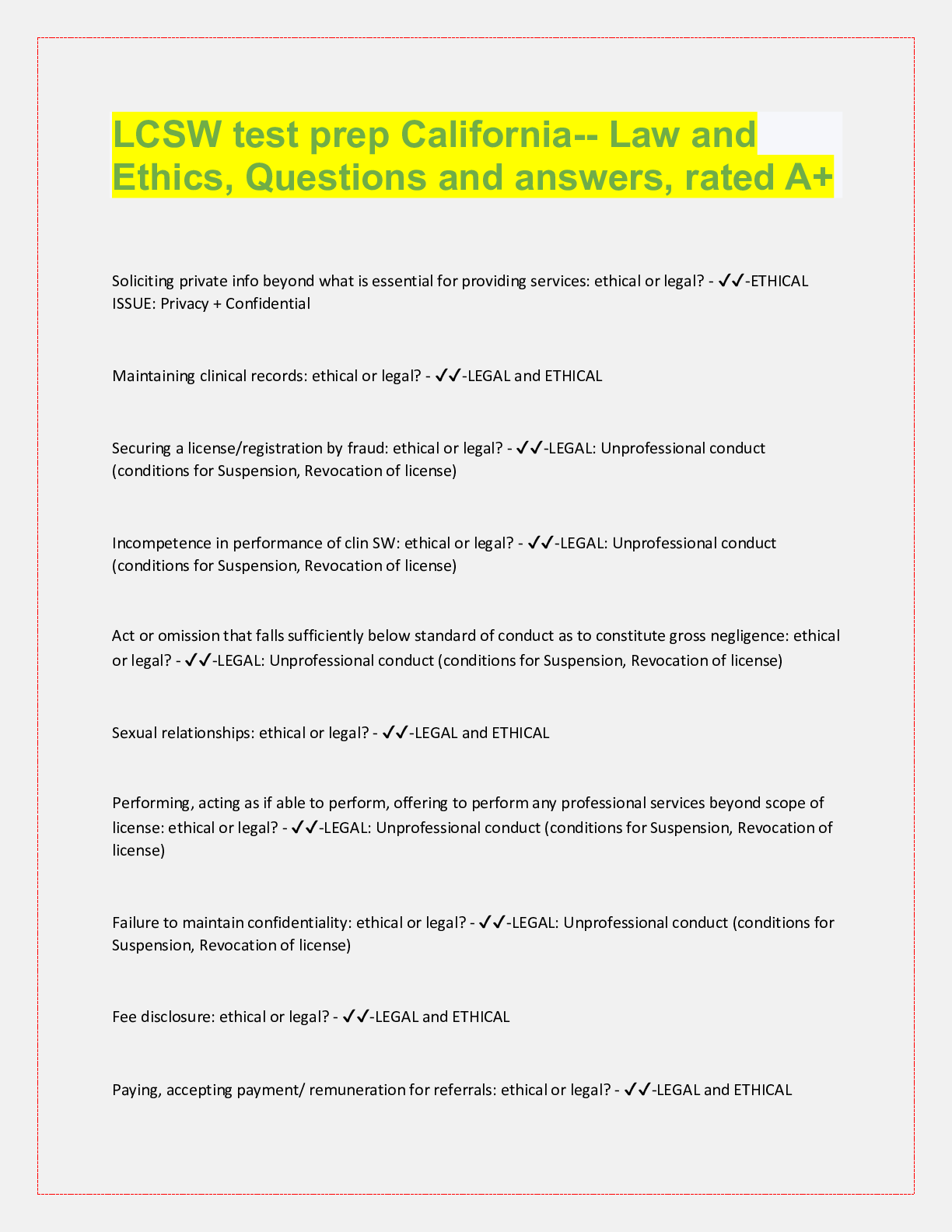
- Dual Relationships: Engaging in sexual or overly personal relationships with clients.
- Substance Abuse: Impairment that interferes with the ability to practice safely.
- Gross Negligence: Serious failure to meet the standard of care in clinical practice.
- Incompetence: Repeated errors or a lack of knowledge in fundamental clinical areas.
- Fraud: Billing for services not rendered or misrepresenting credentials.
If you discover a practitioner has a history of discipline, you should consider the nature of the offense and how long ago it occurred. Minor citations for administrative errors (like failing to update an address) are viewed differently than revocations stayed on probation for clinical negligence.
Filing a Complaint with the Board of Behavioral Sciences
The lookup tool is also the starting point for the complaint process. If your search or personal experience suggests an LCSW is practicing unethically or illegally, the BBS provides a structured pathway for investigation.
- Verify the License First: Ensure you have the correct spelling and license number of the individual.
- Document the Evidence: Collect dates, times, and specific descriptions of the conduct in question.
- Submit the Complaint: Use the BreEZe portal to file an electronic complaint. You may also mail a physical complaint form to the BBS office in Sacramento.
- Board Investigation: The BBS Enforcement Unit reviews every complaint. If the allegation constitutes a violation of the Business and Professions Code, an investigation is launched.
- Resolution: Investigations can result in the case being closed (if no violation is found), a citation/fine, or referral to the Attorney General’s office for formal disciplinary action.
2026 Regional Considerations for California Practitioners
While the LCSW license is a state-level credential, regional practice in 2026 often involves integration with major California healthcare systems. Practitioners in Los Angeles, San Francisco, San Diego, and Sacramento frequently affiliate with systems like Kaiser Permanente, Sutter Health, or UC Health.
When conducting a lookup for practitioners in these systems, ensure the license matches the individual’s corporate credentialing. Discrepancies between the BBS database and a hospital’s internal directory should be addressed immediately with the facility's compliance department.
Furthermore, California practitioners must adhere to the California Telehealth Act, which requires the licensee to be licensed in the state where the patient is located at the time of service. If you are a California resident receiving therapy from an LCSW, they must hold an active California license, even if they are physically located in another state.
Frequently Asked Questions
How long does it take for a new LCSW license to appear in the lookup system?
Typically, once the BBS approves the application and the initial license fee is processed, the license number appears in the DCA BreEZe system within 24 to 48 hours. In 2026, most digital processing is instantaneous once the final reviewer signs off on the file.
Can I look up an Associate Clinical Social Worker (ASW)?
Yes. Associate Clinical Social Workers (ASWs) are also registered with the Board of Behavioral Sciences. You can use the same lookup tool but must select "Associate Clinical Social Worker" as the license type. Verifying an ASW is crucial to ensure they are legally authorized to earn supervised hours.
What should I do if a practitioner’s license says "Delinquent"?
If an LCSW's license is delinquent, they are legally prohibited from practicing clinical social work in California. If you are a client, you should discuss this status with the provider immediately. If you are an employer, the individual must be removed from clinical duties until the license is returned to "Active" status.
Is a California LCSW license valid in other states?
License portability varies by state. While some states have "reciprocity" or "licensure by endorsement" paths, a California LCSW license generally only grants the right to practice within California or with California-based patients. Most states require a separate license to practice within their borders.
How often is the DCA BreEZe database updated?
The database is updated in real-time. As soon as the Board of Behavioral Sciences updates a record in their internal system—whether it is a renewal, a status change, or the addition of a disciplinary document—it is reflected on the public "california lcsw license lookup" portal.
Are there any fees associated with using the license lookup tool?
No. The California Department of Consumer Affairs provides the license verification service free of charge to the public as part of its mission to protect consumers. Any website charging a fee for this specific BBS data should be avoided as a likely scam.
Professional Recommendation for 2026 Compliance
For all stakeholders—clients, practitioners, and healthcare administrators—the California LCSW license lookup is the definitive tool for professional integrity. We recommend performing a verification check at the start of any new therapeutic relationship or employment contract. For practitioners, we suggest checking your own public profile quarterly to ensure that your status is correctly reflected and that no administrative errors have occurred during the biennial renewal process.
Maintaining a clear understanding of the regulatory landscape in 2026 ensures that California remains a leader in high-quality, ethical mental health care. Always rely on the official BBS and DCA portals for the most accurate and legally binding information regarding clinical social work credentials.
Image Gallery