Comprehensive Guide to Dental Care in Singapore: Systems, Costs, and Access
Dental care in Singapore is characterized by a dual-tier system comprising highly accessible public polyclinics and a broad network of private dental practices. Patients have the flexibility to choose between heavily subsidized primary...
Dental care in Singapore is characterized by a dual-tier system comprising highly accessible public polyclinics and a broad network of private dental practices. Patients have the flexibility to choose between heavily subsidized primary care for basic procedures and specialized, aesthetic, or advanced restorative services available in the private sector. Navigating this landscape requires an understanding of regulatory standards, insurance coverage, and the specific schemes available to Singaporean citizens, permanent residents, and expatriates to manage treatment costs effectively.
Contents
The Structure of Dental Services in Singapore
The dental landscape in Singapore is overseen by the Singapore Dental Council (SDC), which acts as the regulatory body ensuring that all practitioners—whether in public or private practice—adhere to stringent professional and ethical standards.
Public Dental Clinics
Public dental care is primarily managed through the National Dental Centre Singapore (NDCS) and dental clinics within polyclinics managed by the SingHealth, National Healthcare Group (NHG), and National University Health System (NUHS) clusters. These facilities are designed to provide essential services such as examinations, fillings, extractions, and scaling.
- Accessibility: Public dental services are highly subsidized for Singapore citizens and permanent residents. However, appointment wait times can be longer compared to private clinics, and services are generally limited to essential care rather than elective cosmetic procedures.
- Referral System: More complex cases, such as oral surgery or complicated orthodontic treatments, are often referred from polyclinics to the National Dental Centre Singapore or hospital-based dental departments.
Private Dental Practices
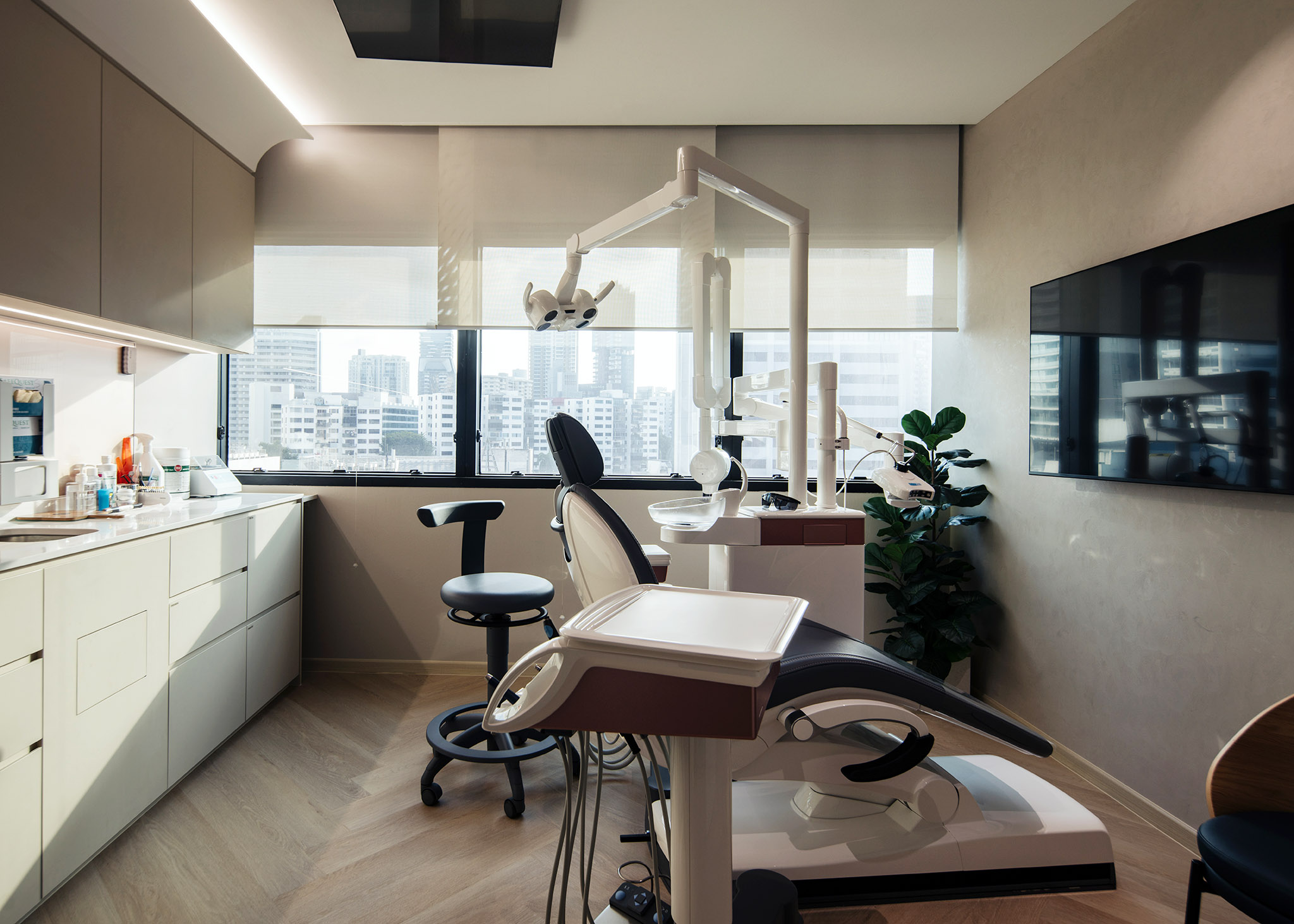
Private clinics in Singapore offer a vast range of services, including advanced implantology, cosmetic dentistry (such as veneers and professional teeth whitening), and specialized orthodontics. Private practitioners often invest in the latest digital dental technologies, such as intraoral scanning, cone-beam computed tomography (CBCT), and computer-aided design and manufacturing (CAD/CAM) systems.
- Availability: Appointments are generally easier to secure in the private sector, and clinics often provide extended operating hours, including weekends, to accommodate working professionals.
- Transparency: Reputable private clinics are expected to provide clear treatment plans and cost estimates before commencing any procedure. Patients are encouraged to verify a dentist’s credentials through the SDC’s official online register.
Understanding Dental Costs and Financial Assistance
The cost of dental care in Singapore is not fixed; it fluctuates based on the complexity of the procedure, the expertise of the practitioner, and the location of the clinic.
Subsidies and Government Schemes
For eligible Singaporeans, several government-led financial schemes help offset the cost of treatment:
- Community Health Assist Scheme (CHAS): The CHAS Blue and Orange cardholders receive tiered subsidies for common dental procedures at participating private CHAS clinics. This allows patients to receive subsidized care near their homes without visiting a public polyclinic.
- MediSave: Under the MediSave scheme, patients may use their savings for specific surgical procedures, such as the removal of impacted wisdom teeth or dental implant surgery. Limits apply based on the complexity of the procedure.
- Pioneer and Merdeka Generation Packages: Senior citizens belonging to these cohorts receive additional subsidies for dental services at participating CHAS clinics, further reducing the out-of-pocket expenses for preventive and restorative care.
Comparative Cost Table (Estimated)
| Procedure Type | Public Clinic (Subsidized) | Private Clinic (Market Rate) |
|---|---|---|
| Consultation/Exam | Low (Fixed) | Moderate to High |
| Scaling and Polishing | Low | Moderate |
| Simple Extraction | Low | Moderate |
| Root Canal Therapy | Moderate | High |
| Dental Implants | N/A (Often referred) | High (Per implant) |
Note: Prices are estimates and vary significantly based on individual clinical requirements and materials used. Always request a detailed itemized quote.
Prerequisites for Treatment
Before seeking dental care, ensure you have the necessary documentation:
- Identification: NRIC or a valid Passport is required for registration at all clinics.
- Insurance Documents: If you hold private medical or dental insurance, bring your insurance card or digital policy details. Ensure your plan covers dental care, as many basic health insurance policies exclude it.
- Medical History: Bring a list of current medications and any known drug allergies. If you are managing chronic conditions like diabetes or heart disease, inform your dentist, as these conditions significantly impact oral health and surgical risk.
Preventive Dental Care and Maintenance
The standard of oral health in Singapore is high, driven by a strong culture of preventive care. Standard advice from practitioners in Singapore aligns with global best practices:
- Routine Check-ups: Visit a dentist every six months for a clinical examination and professional cleaning. This allows for the early detection of cavities, gingivitis, and oral cancer.
- Digital Diagnostics: Modern clinics utilize low-radiation digital X-rays to monitor bone health and detect hidden decay between teeth that may not be visible during a standard physical exam.
- Maintenance: Brushing twice daily with fluoride toothpaste and daily flossing are consistently emphasized as the fundamental requirements for maintaining dental health and preventing costly future interventions.
Common Challenges and Considerations
Patients may encounter several challenges while navigating the dental system:
- Insurance Exclusions: Many employer-provided health insurance plans in Singapore offer only "accident-based" dental coverage or have extremely low annual limits. Patients should not assume their general health insurance covers routine dental work.
- Specialization: Not every general dentist is equipped for complex surgery. If a treatment plan includes bone grafting, complex root canal retreatment, or aesthetic full-mouth reconstruction, patients should look for a dentist with the appropriate board-certified specialization.
- Wait Times: For non-urgent procedures in the public sector, it is common to experience wait times of several weeks. If you are experiencing pain or a dental emergency, inform the clinic staff immediately; most clinics reserve slots for acute pain management.
Frequently Asked Questions
Is dental care included in my basic health insurance?
Generally, no. Most basic medical insurance plans in Singapore cover hospitalization and surgical procedures but exclude routine dental care like cleanings, fillings, and braces. You must check your specific policy for "outpatient dental" riders.
Can I use MediSave for my braces?
No, MediSave cannot be used for routine orthodontic treatment or braces, as these are classified as cosmetic or non-surgical. It can only be used for specific surgical procedures, such as wisdom tooth surgery, subject to strict limits set by the Ministry of Health.
How do I verify if a dentist is qualified?
All dentists practicing in Singapore must be registered with the Singapore Dental Council. You can verify the registration status and credentials of any dentist by using the official "List of Registered Dentists" on the Singapore Dental Council website.
What should I do in a dental emergency?
If you have a dental emergency, such as a knocked-out tooth or severe swelling, call a dental clinic immediately. Most clinics prioritize emergency cases. If you cannot reach a private clinic, proceed to the Accident and Emergency department of a public hospital, which may refer you to their dental unit.
Are there differences between dental materials used in private and public clinics?
Both sectors must comply with Health Sciences Authority (HSA) regulations regarding dental materials. However, private clinics may offer a wider variety of premium materials, such as specific brands of implants or aesthetic ceramic crowns, which may not be available in standard public polyclinic settings.
Final Recommendation
For routine maintenance and preventive care, utilize the public polyclinic network if you qualify for subsidies, or a CHAS-accredited private clinic to balance cost and convenience. If you require specialized procedures, such as complex surgery or advanced cosmetic dentistry, prioritize selecting a clinic based on the practitioner’s specific experience and qualifications in that field. Always request a written treatment plan and detailed cost breakdown before consenting to any major dental procedure.
Image Gallery