The Evolution of Tracee Ellis Ross in Modeling: From 90s Runway to Global Style Icon
Tracee Ellis Ross began her modeling career in the early 1990s, notably walking for designers like Thierry Mugler and appearing in high-fashion editorials. Over three decades, she has evolved from a runway ingenue into a global style a...
Tracee Ellis Ross began her modeling career in the early 1990s, notably walking for designers like Thierry Mugler and appearing in high-fashion editorials. Over three decades, she has evolved from a runway ingenue into a global style authority, brand ambassador for luxury houses, and the creative face of her own hair care empire, Pattern Beauty.
Contents
The Foundations: 1990s Runway and Editorial Beginnings
Before she was a household name for her roles in Girlfriends and Black-ish, Tracee Ellis Ross was a fixture in the high-fashion world of the 1990s. Growing up as the daughter of the legendary Diana Ross, Tracee was immersed in the world of couture and costume from birth. However, she established her own identity in the industry through a combination of academic rigor and a distinct, eclectic aesthetic.
In the early 1990s, Ross began modeling professionally. Her most iconic early moment occurred in 1991 when she walked for Thierry Mugler during the "Butterfly" collection. Walking alongside her mother, she demonstrated a natural poise and a theatrical flair that would become her trademark. This era was characterized by her appearances in prestigious publications such as Vogue and Mirabella. During this period, the modeling industry was undergoing a shift from the "Supermodel" era to more diverse, personality-driven representations, and Ross fit perfectly into this transition.
Her early modeling work was not merely about displaying clothes; it was about narrative. Ross often describes fashion as a "costume for the soul," a philosophy that was evident even in her first professional shoots. She navigated the industry during a time when Black models faced significant systemic barriers, yet she managed to secure space in high-fashion circles that traditionally leaned toward a very narrow definition of beauty.
Redefining the Model-Actor Hybrid
As her acting career took flight in the early 2000s, Ross did not abandon modeling; instead, she transformed it. She became one of the few celebrities who could seamlessly bridge the gap between "commercial spokesperson" and "high-fashion muse." Unlike many actors who simply "wear" clothes for PR, Ross became a collaborator with designers.
During the eight-season run of Girlfriends, her character, Joan Clayton, became a fashion icon for professional Black women. This visibility translated into real-world modeling opportunities. Brands began to recognize that Ross possessed a "style IQ" that was rare. She didn't just model the clothes; she understood the construction, the history of the designer, and the cultural context of the garment. This deep technical knowledge of fashion allowed her to transition into more sophisticated editorial roles throughout the 2010s.
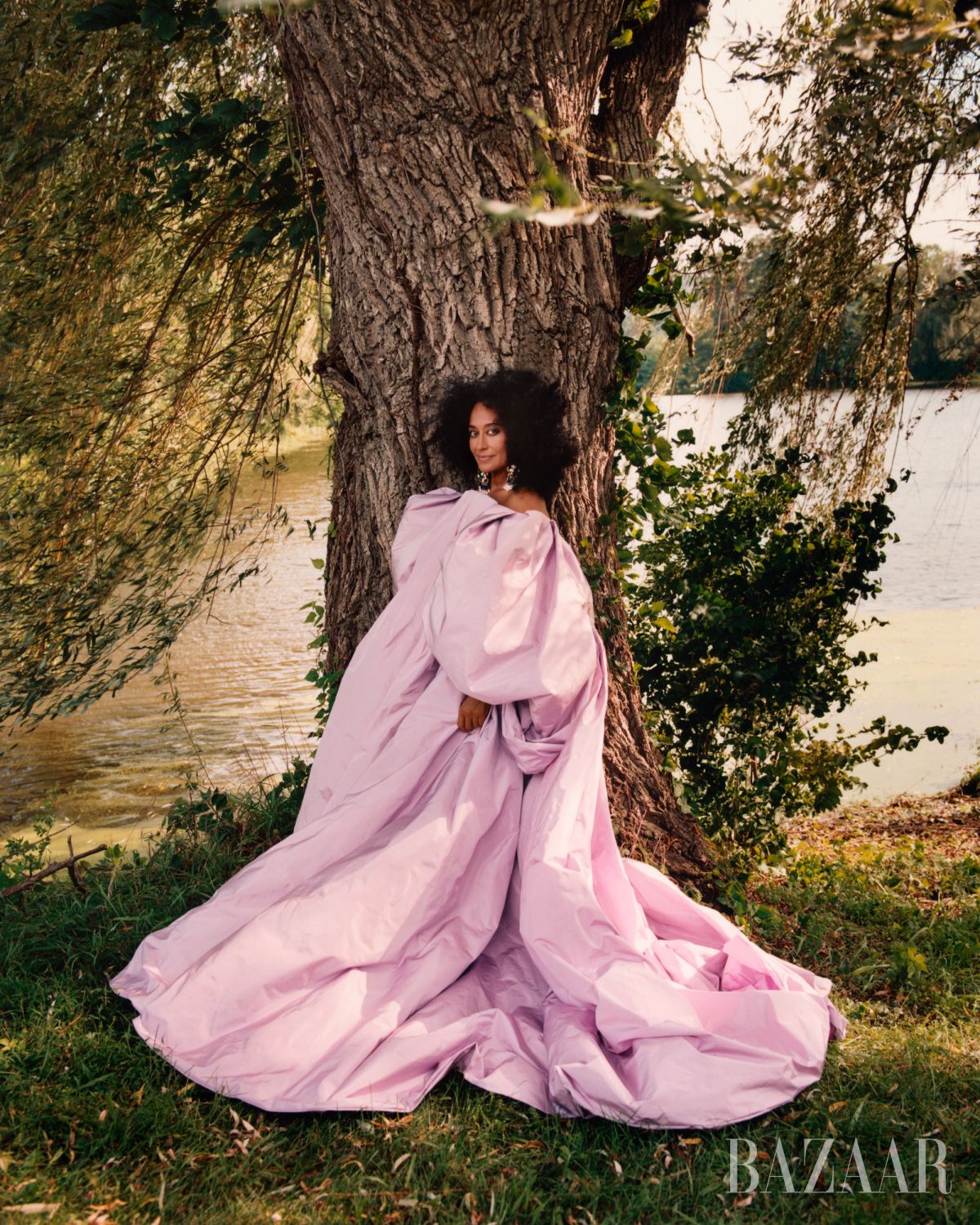
Her relationship with the Met Gala and major fashion weeks solidified her status. Designers like Valentino’s Pierpaolo Piccioli and Pyer Moss’s Kerby Jean-Raymond sought her out not just for her fame, but for her ability to embody the architectural and emotional weight of their designs. In 2026, her legacy in this space is viewed as a blueprint for how modern celebrities can maintain a high-fashion modeling career alongside a primary profession in the arts.
Major Campaigns and Global Ambassadorships
Tracee Ellis Ross’s modeling career is defined by high-impact campaigns that prioritize personality over mere aesthetics. She has been the face of brands that range from accessible retail to ultra-luxury jewelry.
- The J.Crew Era: In the mid-2010s, Ross was featured in J.Crew’s "Style Guides." These weren't traditional catalogs but editorial-style lookbooks. Her presence helped the brand appeal to a more diverse, sophisticated demographic that valued individuality.
- Kenzo and the "Cabiria, Charity, Chastity" Film: In 2017, Ross starred in a campaign for Kenzo directed by Natasha Lyonne. This project blended modeling with performance art, showcasing her ability to use her body and expressions to sell a surrealist brand vision.
- Tiffany & Co.: Perhaps her most prestigious appointment came in 2021 when she was named a global brand ambassador for Tiffany & Co. Alongside other cultural icons, she helped modernize the legacy jeweler's image, proving that high-jewelry modeling could be both regal and accessible.
- Gap "Logo Remix": Ross starred in the 2018 Gap campaign, which was a nostalgic nod to the brand’s heritage. The campaign was significant because it featured her alongside the children of other 80s/90s icons, emphasizing the multi-generational impact of her family's style legacy.
Key Milestones in Tracee Ellis Ross’s Modeling Career
| Year/Period | Brand/Designer | Role/Significance |
|---|---|---|
| 1991 | Thierry Mugler | Runway debut; walked in the iconic "Butterfly" show. |
| 1990s | Vogue / Mirabella | Frequent editorial model for major high-fashion magazines. |
| 2017 | Kenzo | Lead in "Cabiria, Charity, Chastity" fashion film/campaign. |
| 2018 | Gap | Star of the "Logo Remix" campaign, celebrating 90s heritage. |
| 2021–Present | Tiffany & Co. | Global Brand Ambassador; face of high-jewelry collections. |
| 2019–2026 | Pattern Beauty | Creative Director and primary model for hair care imagery. |
| 2024 | Valentino | Featured muse for seasonal couture presentations. |
Pattern Beauty: Modeling as Business Identity
In 2019, Ross launched Pattern Beauty, a hair care line designed specifically for curly, coily, and tight-textured hair. While she is the CEO, she is also the primary model for the brand. This was a strategic choice that shifted the narrative of beauty modeling.
By modeling her own products, Ross challenged the industry standards regarding Black hair. The photography for Pattern Beauty is often raw, high-contrast, and deeply sculptural. Ross uses her experience as a high-fashion model to elevate hair care advertising into a form of portraiture. In these campaigns, she isn't just selling a product; she is modeling a lifestyle of self-acceptance and "hair joy."
In the years leading up to 2026, Pattern Beauty’s visual identity has been studied as a masterclass in "founder-led modeling." She has used her body and hair to demonstrate the efficacy of her products while maintaining the high-art standards she learned on the runways of Paris and Milan. This dual role has allowed her to retain total creative control over her image, a rarity for models of her stature.
The Philosophy of Style and Aging
A critical component of Tracee Ellis Ross’s modeling career, especially in recent years, is her advocacy for "visible aging." As she has moved through her 40s and 50s, she has become a primary figure in the movement to keep older women at the center of high-fashion modeling.
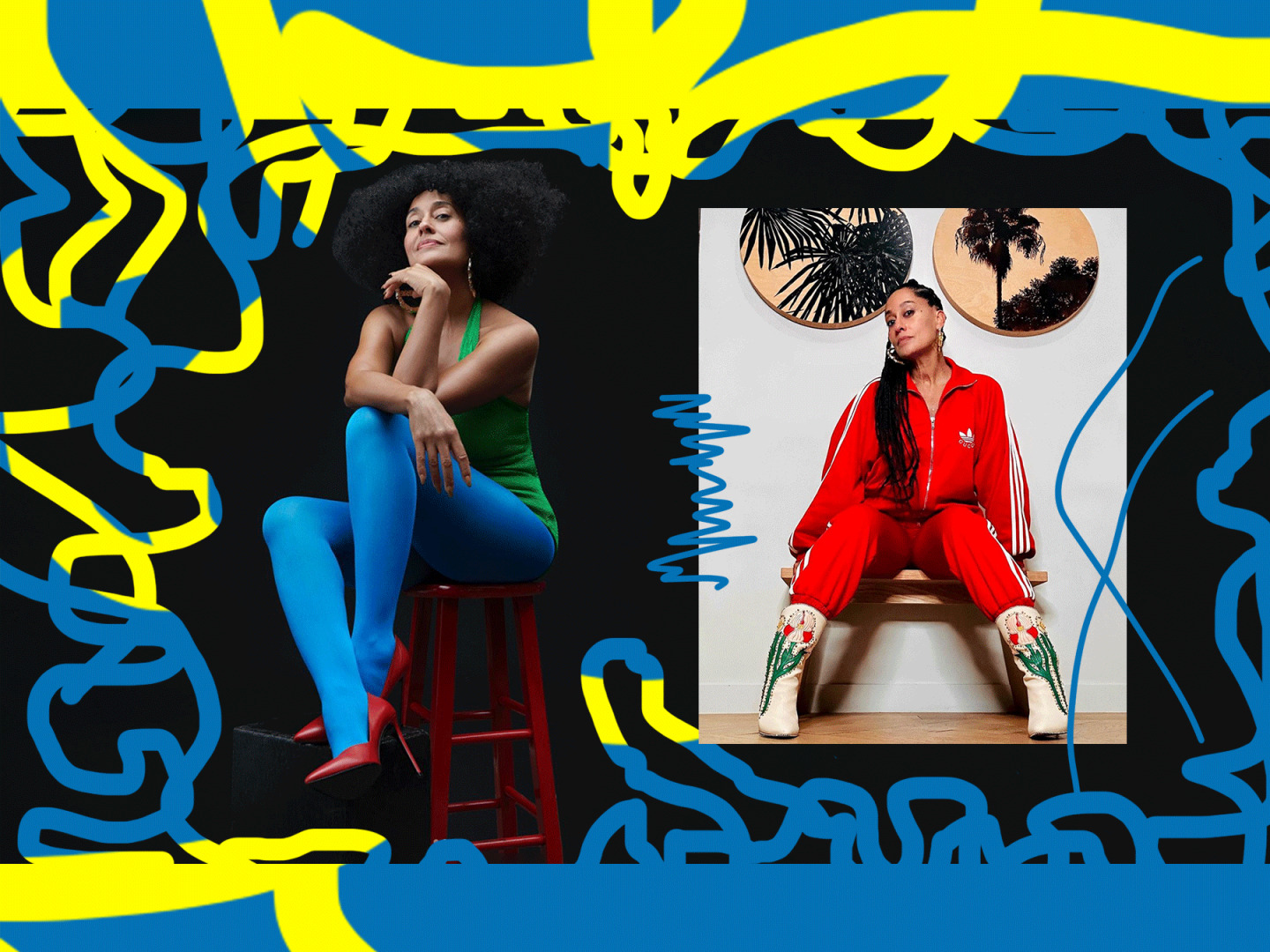
She frequently participates in unretouched or minimally edited shoots, emphasizing the beauty of a life lived. Her social media presence—often referred to as her "personal runway"—serves as an ongoing modeling portfolio where she experiments with avant-garde silhouettes from emerging designers. This has made her a "kingmaker" in the fashion world; when Ross models a garment from a young, independent designer on her platform, it often leads to immediate commercial success and critical recognition for that brand.
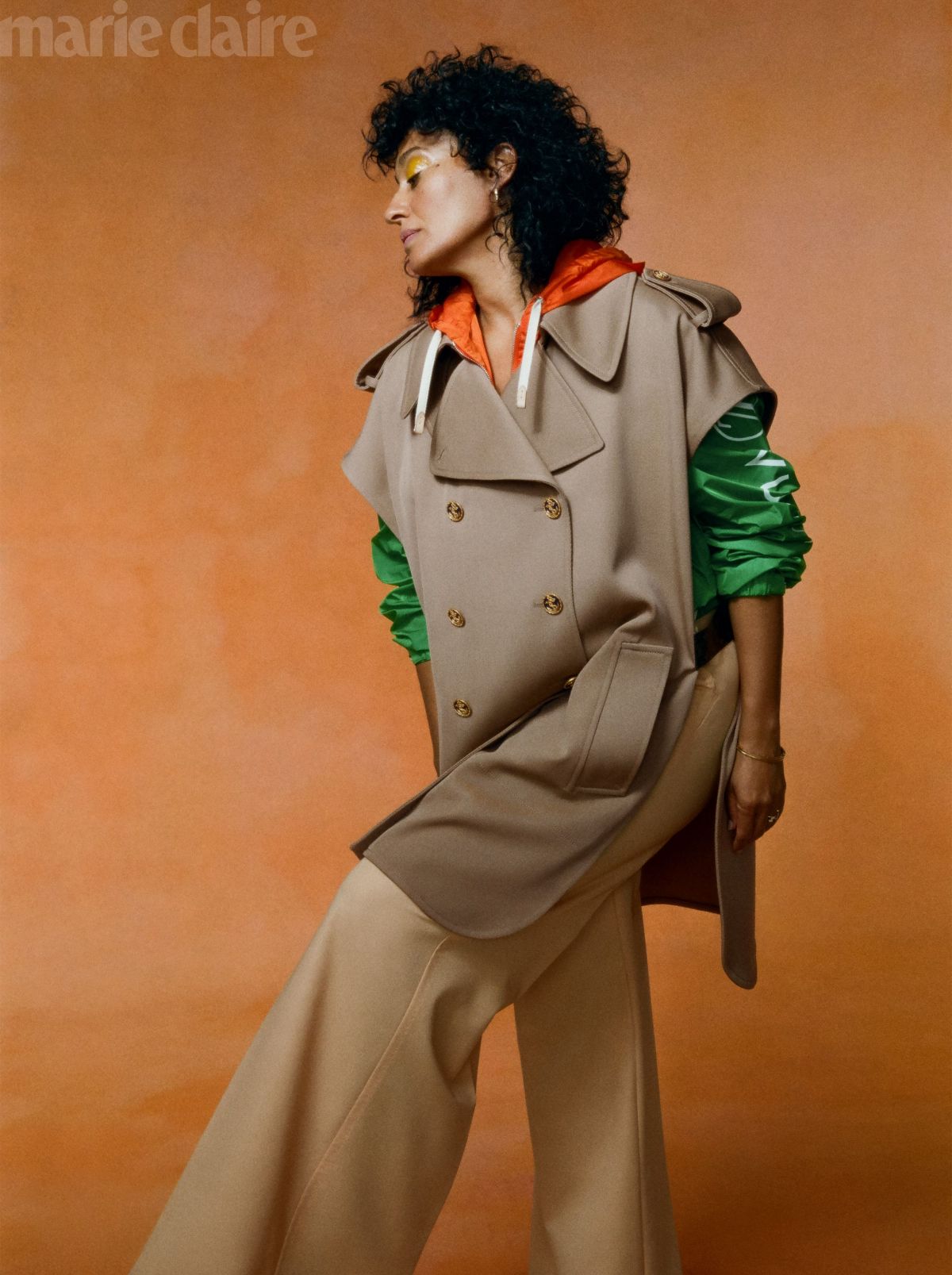
Ross’s modeling is characterized by what critics call "joyful defiance." She rejects the stoic, detached look common in high fashion in favor of movement, laughter, and dynamic poses. This approach has redefined the "editorial look" for a new generation of models who seek to bring more personality to their work.
Frequently Asked Questions
When did Tracee Ellis Ross start modeling?
Tracee Ellis Ross started modeling in the early 1990s. Her most notable early appearance was in 1991 for Thierry Mugler's runway show. She also worked extensively in editorial photography for major fashion magazines during this decade before her acting career became her primary focus.
Is Tracee Ellis Ross still modeling in 2026?
Yes, Tracee Ellis Ross remains highly active in the modeling world in 2026. She continues to serve as a brand ambassador for luxury companies like Tiffany & Co. and frequently appears in high-fashion editorials and "Age-Positive" beauty campaigns.
How tall is Tracee Ellis Ross, and did it affect her modeling?
Tracee Ellis Ross is approximately 5'7" (170 cm). While this is slightly shorter than the traditional 5'9" to 5'11" requirement for runway "supermodels," her heritage, personality, and incredible proportions allowed her to break into high-fashion spaces. Her success helped pave the way for "personality models" who do not strictly fit the standard height requirements.
Does she model for her own brand, Pattern Beauty?
Yes, she is the primary face and model for Pattern Beauty. She uses her modeling experience to create high-art campaigns that focus on the texture and versatility of Black hair, often acting as her own creative director for these shoots.
What designers is she most closely associated with?
Ross has a long-standing relationship with many top-tier designers. She is frequently seen in Valentino, Schiaparelli, Loewe, and Christopher John Rogers. Her modeling work often highlights her ability to wear structural, avant-garde pieces that other models might find challenging.
Practical Recommendation: Finding Inspiration in Her Career
For those looking to follow Tracee Ellis Ross’s lead in fashion and modeling, the primary takeaway is the importance of narrative and authenticity. Ross’s career teaches that modeling is not about "perfection," but about the communication of an idea.
To apply her approach to your own style or professional creative work:
- Study Fashion History: Ross’s ability to model effectively stems from her deep knowledge of clothing construction and history.
- Prioritize Movement: Instead of static poses, focus on how a garment moves with the body.
- Embrace Individuality: Ross’s success is rooted in her refusal to conform to a single "look," proving that a diverse range of expressions is more sustainable than following fleeting trends.
Image Gallery