Understanding Net Worth Brackets in the U.S.: Data, Context, and Financial Perspective
Net worth in the United States is calculated as the total value of an individual’s or household’s assets—including real estate, retirement accounts, savings, and investments—minus all outstanding liabilities like mortgages, student loa...
Net worth in the United States is calculated as the total value of an individual’s or household’s assets—including real estate, retirement accounts, savings, and investments—minus all outstanding liabilities like mortgages, student loans, and credit card debt. These figures provide a snapshot of financial health, categorized into percentiles that allow individuals to compare their standing against national statistical distributions.
Contents
Defining Net Worth and Financial Distribution
Net worth is the most comprehensive measure of an individual's financial position, far more descriptive than annual income alone. While income reflects a "flow" of money over a specific period, net worth represents the "stock" of wealth accumulated over a lifetime. In the U.S., wealth distribution is often analyzed through the lens of the Federal Reserve’s Survey of Consumer Finances (SCF), which is conducted triennially to capture the economic state of American households.
When discussing "net worth brackets," economists and financial planners typically use percentiles. A percentile represents the percentage of households that have a net worth equal to or lower than a specific figure. For example, if your net worth places you in the 50th percentile, it means your wealth is greater than or equal to half of all households in the country. This statistical approach helps mitigate the distortion caused by extreme outliers at the very top of the wealth spectrum, providing a more functional baseline for the average person.
The Landscape of U.S. Net Worth Brackets
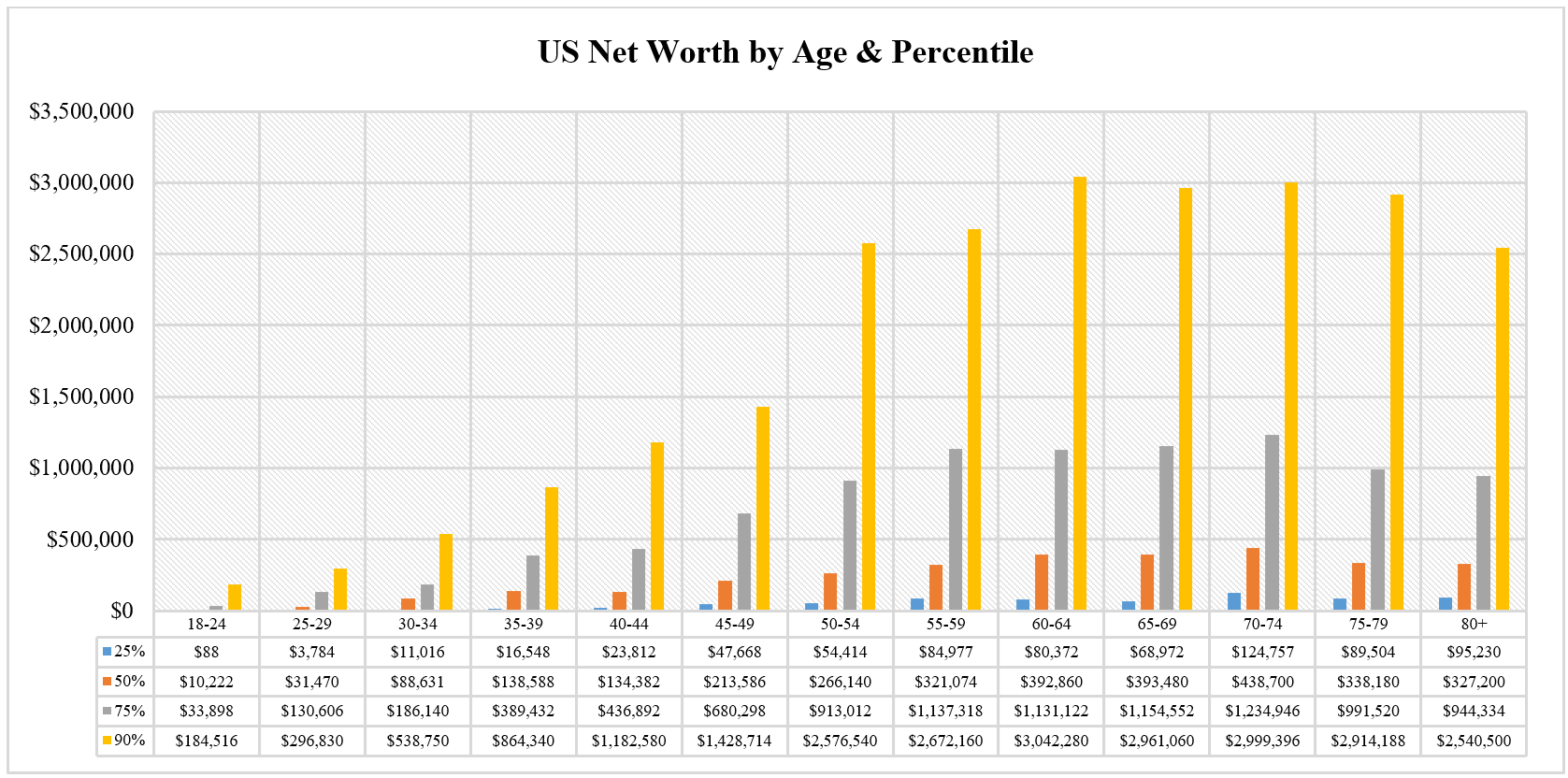
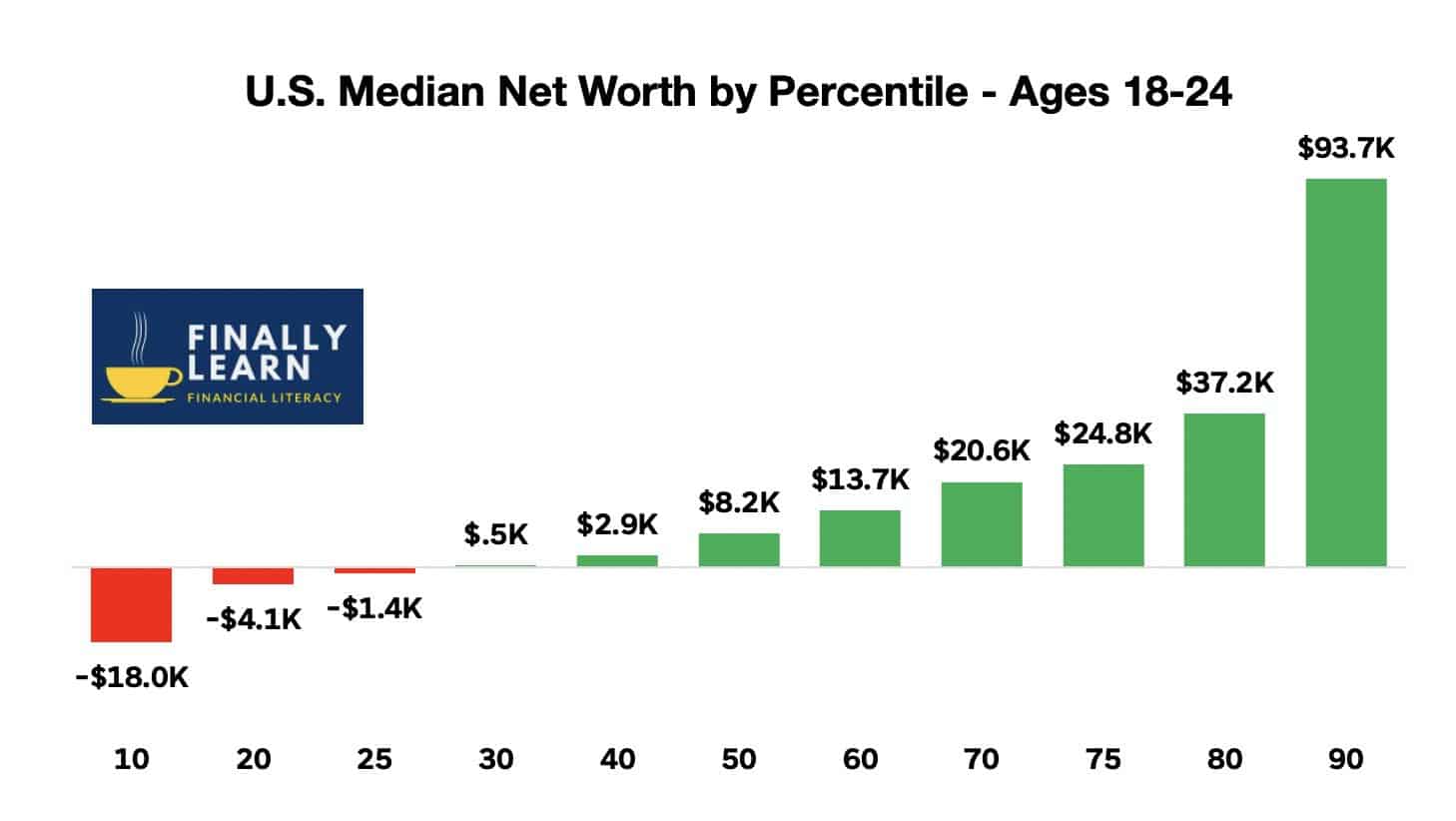
Analyzing net worth requires acknowledging that age and life stage are the most significant variables. A 25-year-old just beginning their career will naturally have a lower net worth than a 65-year-old who has spent four decades contributing to a 401(k) and paying down a mortgage. Therefore, comparing a young professional to a retiree without adjusting for age creates a false narrative of failure or success.
The following table approximates the net worth thresholds for various segments of the U.S. population based on established economic trends and historical data from the Federal Reserve. Note that these figures are representative of household wealth.
| Percentile Bracket | Estimated Net Worth Range | Description |
|---|---|---|
| Bottom 25% | Less than $15,000 | Often characterized by high debt-to-asset ratios. |
| 25th–50th Percentile | $15,000 – $190,000 | Includes essential equity and moderate savings. |
| 50th–75th Percentile | $190,000 – $600,000 | Middle class with significant home equity or retirement savings. |
| 75th–90th Percentile | $600,000 – $1,800,000 | Upper-middle class with diversified investment portfolios. |
| Top 10% | Above $1,800,000 | High-net-worth individuals and wealthy households. |
Why Age Matters in Wealth Accumulation
Financial experts emphasize that "wealth cycles" drive these brackets. During the early accumulation phase (ages 20–35), net worth is often low or negative due to student loans and the initial costs of establishing a household. During the mid-life phase (ages 35–55), equity in primary residences grows, and retirement accounts begin to benefit from compound interest. In the late phase (ages 55+), net worth typically peaks as debt obligations vanish and savings reach maturity.
Disregarding the age factor when viewing these brackets can lead to unnecessary financial anxiety. A household with a net worth of $100,000 is statistically unremarkable for a 30-year-old, yet it represents a very different fiscal reality for someone approaching retirement. Understanding where you sit relative to your specific age cohort is a far more useful metric than comparing your net worth to the national population at large.
The Role of Real Estate and Retirement Assets
In the United States, the majority of household wealth is not held in liquid cash, but rather in two primary vehicles: primary residences and retirement accounts.
- Home Equity: For most American households, the home is the largest single asset. Rising property values over the last decade have significantly inflated net worth figures for homeowners, sometimes creating a "paper wealth" effect where net worth increases without a corresponding increase in liquid cash flow.
- Retirement Accounts: Vehicles such as 401(k) plans and Individual Retirement Accounts (IRAs) serve as the primary engine for long-term wealth growth. The tax-advantaged nature of these accounts allows for the compounding of assets that contribute heavily to the upper-middle and top percentiles.
Common Pitfalls in Calculating Your Net Worth
Many individuals miscalculate their net worth by omitting liabilities or overvaluing assets. To gain an accurate picture, ensure that you are including:
- All Assets: Include cash, brokerage accounts, retirement funds, the current market value of your home, vehicles, and business interests.
- All Liabilities: Include mortgage balances, credit card debt, auto loans, personal loans, and student debt.
- Valuation Accuracy: Do not use the original purchase price of assets like homes or cars. Always use current market values (e.g., Zillow estimates for homes or Kelley Blue Book values for vehicles).
A common mistake is failing to account for "invisible" debt. For example, some may track their bank balance but forget to deduct the remaining balance on an unsecured loan. Precision here is vital because it reveals your actual financial resilience—your ability to cover expenses if your primary income stream were to disappear.
Frequently Asked Questions
How can I increase my position in my net worth bracket? Focus on the "gap" between income and expenses. Increasing your net worth requires either increasing your assets through investing or decreasing your liabilities through aggressive debt repayment. Prioritizing high-interest debt elimination usually provides a "guaranteed return" that outweighs most investment strategies.
Is home equity considered when calculating my net worth? Yes. Since net worth is assets minus liabilities, your home is an asset and your mortgage is a liability. The difference between the two is your home equity, which is a major component of net worth for most U.S. households.
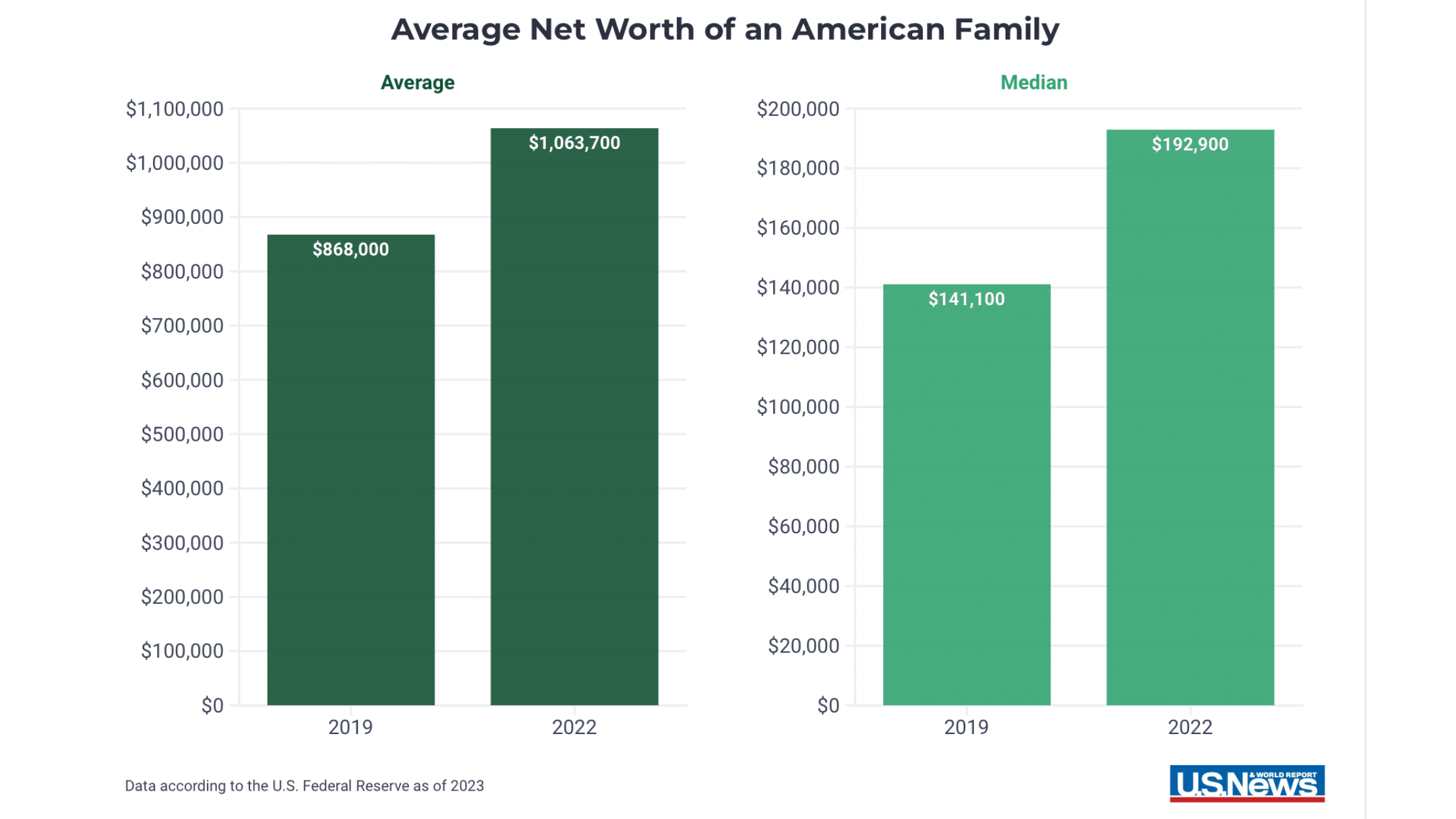
Why does the median net worth differ from the mean (average)? The mean is heavily skewed by the extreme wealth of the top 1% of the population. The median—the "middle" value—is a more accurate reflection of the typical American household's financial state because it is not distorted by billionaire-level assets.
Should I include the value of my car in my net worth? You should include the fair market value of the car as an asset and the remaining auto loan as a liability. While cars are depreciating assets, they are still part of your total inventory of wealth.
What is considered a "high" net worth? "High Net Worth" (HNW) is a professional designation used by financial institutions, typically starting at $1 million in liquid investable assets. This does not necessarily include primary residence equity, depending on the institution's criteria.
Next Steps for Financial Planning
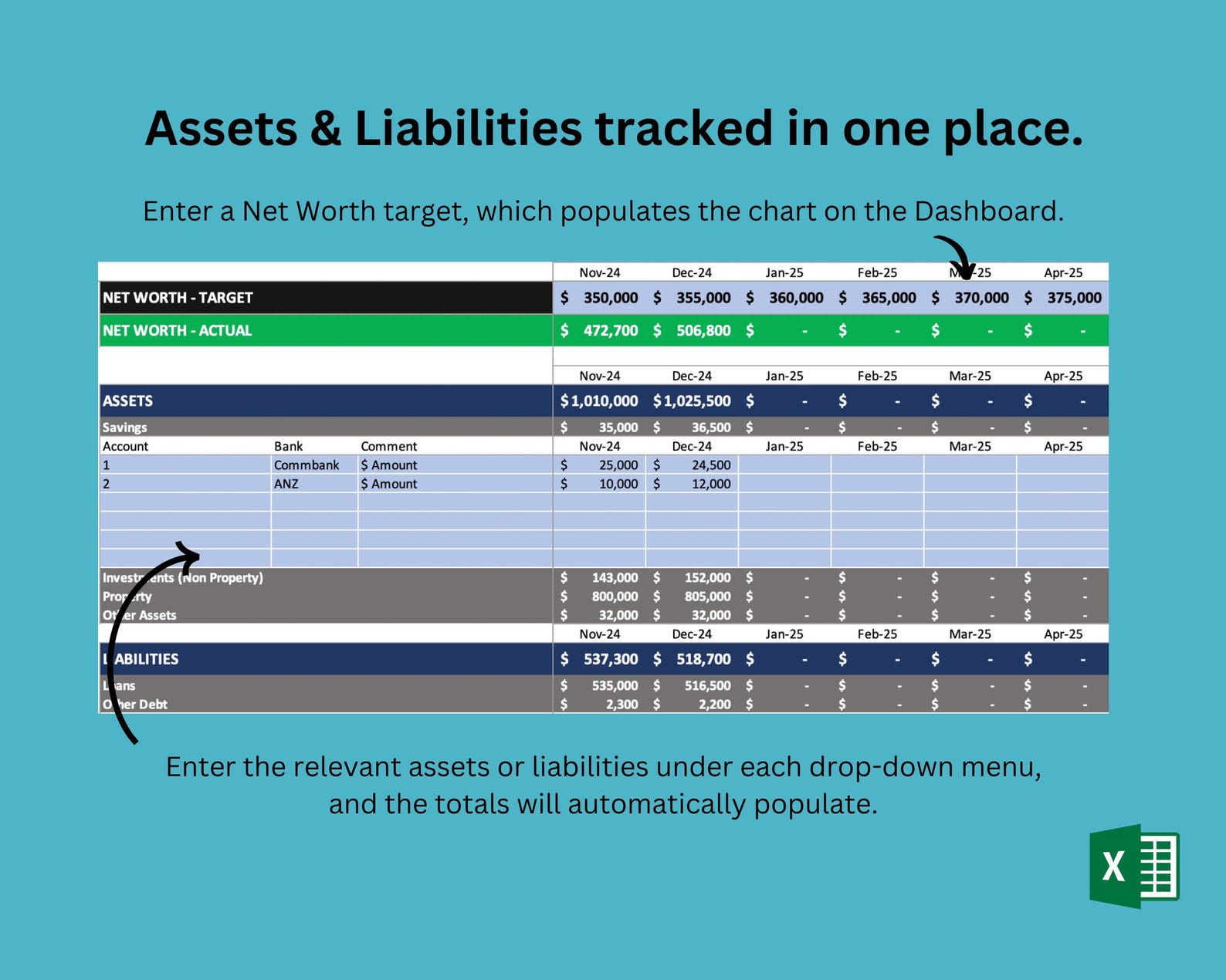
If you are looking to improve your financial standing, start by conducting a comprehensive audit. Create a spreadsheet listing every asset and every liability. Once you have a clear, verified number, calculate your "net worth growth" annually rather than monthly. Wealth accumulation is a slow process governed by the power of compound interest and disciplined spending habits.
If your current net worth is lower than your goals, consider shifting your focus toward increasing your savings rate or diversifying your income streams. Financial advisors often suggest that for individuals looking to move into higher percentiles, the transition is less about "getting lucky" and more about sustained, long-term consistency in contributing to assets that grow over time. Always consult with a certified financial planner to ensure that your strategies align with your specific risk tolerance and long-term objectives.
Image Gallery