Navigating the Life and Health Insurance License Test in Pennsylvania: A Comprehensive Guide
Preparing for the Pennsylvania Life and Health insurance licensing examination involves a structured process of pre-licensing education, exam registration, and adherence to specific regulatory standards set by the Pennsylvania Insuranc...
Preparing for the Pennsylvania Life and Health insurance licensing examination involves a structured process of pre-licensing education, exam registration, and adherence to specific regulatory standards set by the Pennsylvania Insurance Department. Candidates must successfully complete a state-approved education course before scheduling their licensing exam through the designated testing provider, PSI Services. This path requires a clear understanding of state-specific content, testing protocols, and the necessary steps to secure your professional license.
Contents
Understanding the Pennsylvania Licensing Framework
In Pennsylvania, the insurance market is regulated by the Pennsylvania Insurance Department. To operate as an insurance producer, an individual must pass a rigorous examination that tests both general insurance principles and specific state statutes. The term "makeup" in the context of this licensing exam is often a source of confusion; it usually refers to candidates inquiring about retaking a failed exam or making up missed continuing education credits. It is critical to clarify that there is no "makeup" exam in the sense of a remedial test; if you fail the initial licensing examination, you must re-register and re-take the full exam according to the standard procedures established by the state.
The licensing process is governed by the Pennsylvania Insurance Producer Licensing Act. This legislation ensures that all licensed individuals possess the necessary knowledge to protect consumers. Prospective agents must understand that this is a professional certification, not a casual assessment. The complexity of the test requires disciplined study, as it covers everything from policy types and contract law to ethical standards and federal healthcare regulations.
Prerequisites: Pre-Licensing Education Requirements
Before a candidate is eligible to sit for the examination, they must fulfill the pre-licensing education (PLE) requirement. In Pennsylvania, this involves completing a state-approved course for the specific line of authority—in this case, Life and Health.
- Course Hours: Candidates are required to complete a minimum number of hours of instruction for each line of authority. For Life and Health, the total credit hours often aggregate to 24 hours (12 hours for Life and 12 for Health).
- Verification: Upon completion of your course, the provider will report your credit to the testing vendor or the Pennsylvania Insurance Department. You will generally be issued a Certificate of Completion, which is essential for your records and may be requested during the registration process.
- Expiration: Be aware that pre-licensing education certificates have a shelf life. Ensure you schedule your exam while your certificate is still valid to avoid the need to repeat your coursework.
The Registration Process for the Exam
Once your education requirements are satisfied, the next step is registration. As of 2026, Pennsylvania utilizes PSI Services as its primary exam vendor. The registration process is standardized to ensure equity and security for all test-takers.
- Create an Account: Visit the official PSI portal to create a candidate profile.
- Select the Exam: Ensure you choose the combined "Life, Accident, and Health" examination rather than individual components if you intend to hold both lines of authority.
- Payment: Exam fees must be paid at the time of scheduling. As of early 2026, fees typically range between $50 and $100 depending on the specific exam combination.
- Scheduling: Choose a testing center location or select the option for remote proctoring if available and permitted by state guidelines.
Exam Day Logistics and Content Breakdown
The Pennsylvania Life and Health exam is a computer-based test consisting of multiple-choice questions. It is divided into two primary sections: the General Insurance Knowledge section (national) and the Pennsylvania State Law section.
- National Section: This covers concepts applicable across most U.S. jurisdictions, including types of policies (term vs. whole life), riders, policy provisions, tax treatment of insurance, and health insurance concepts like HMOs, PPOs, and disability income.
- State Section: This is specific to Pennsylvania. You will be tested on the Pennsylvania Insurance Department’s regulations regarding unfair trade practices, agent appointments, record-keeping, and the fiduciary duties of an insurance producer.
To maximize your chances of passing, use the following preparation strategies:
| Preparation Phase | Recommended Action |
|---|---|
| Foundational Study | Review the official State Content Outline provided by the testing vendor. |
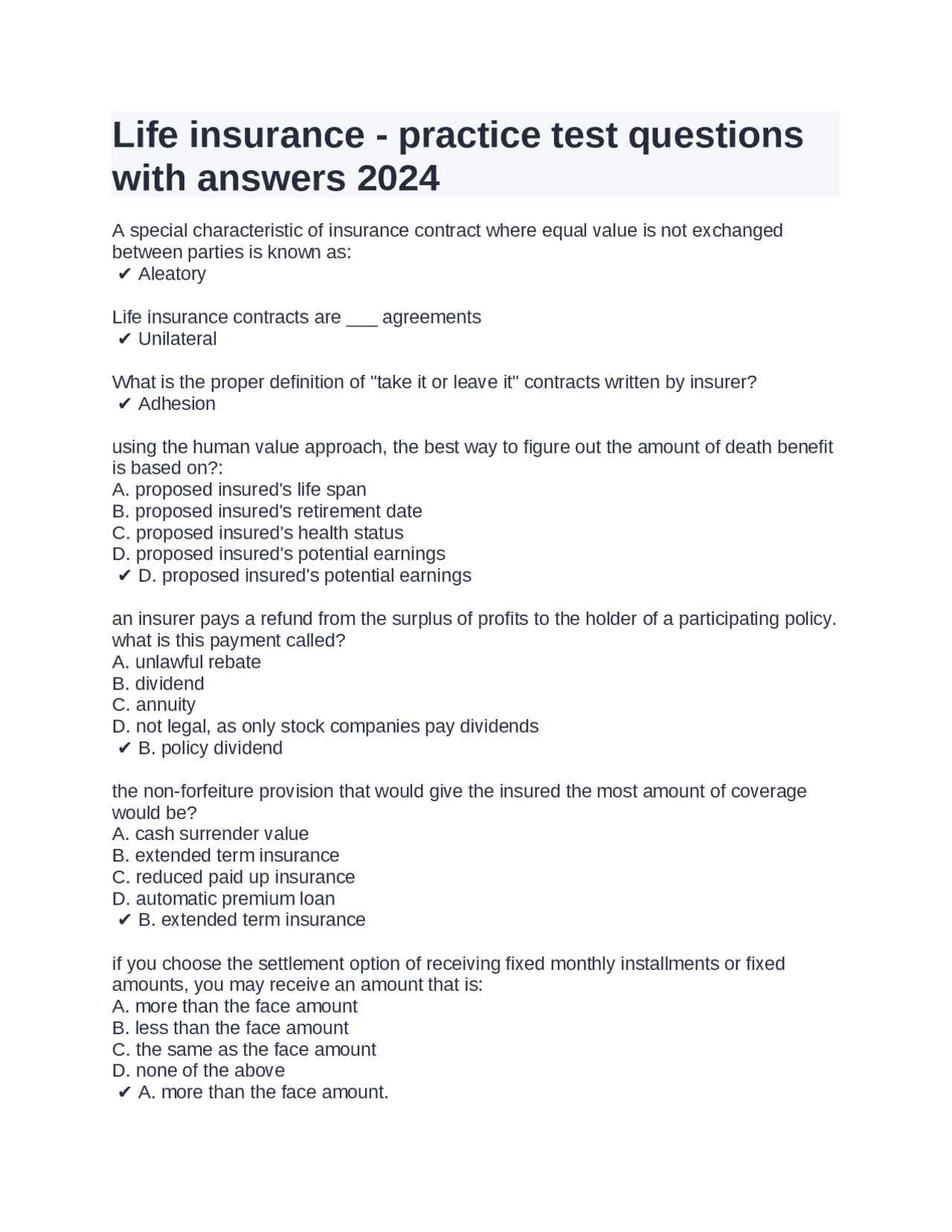
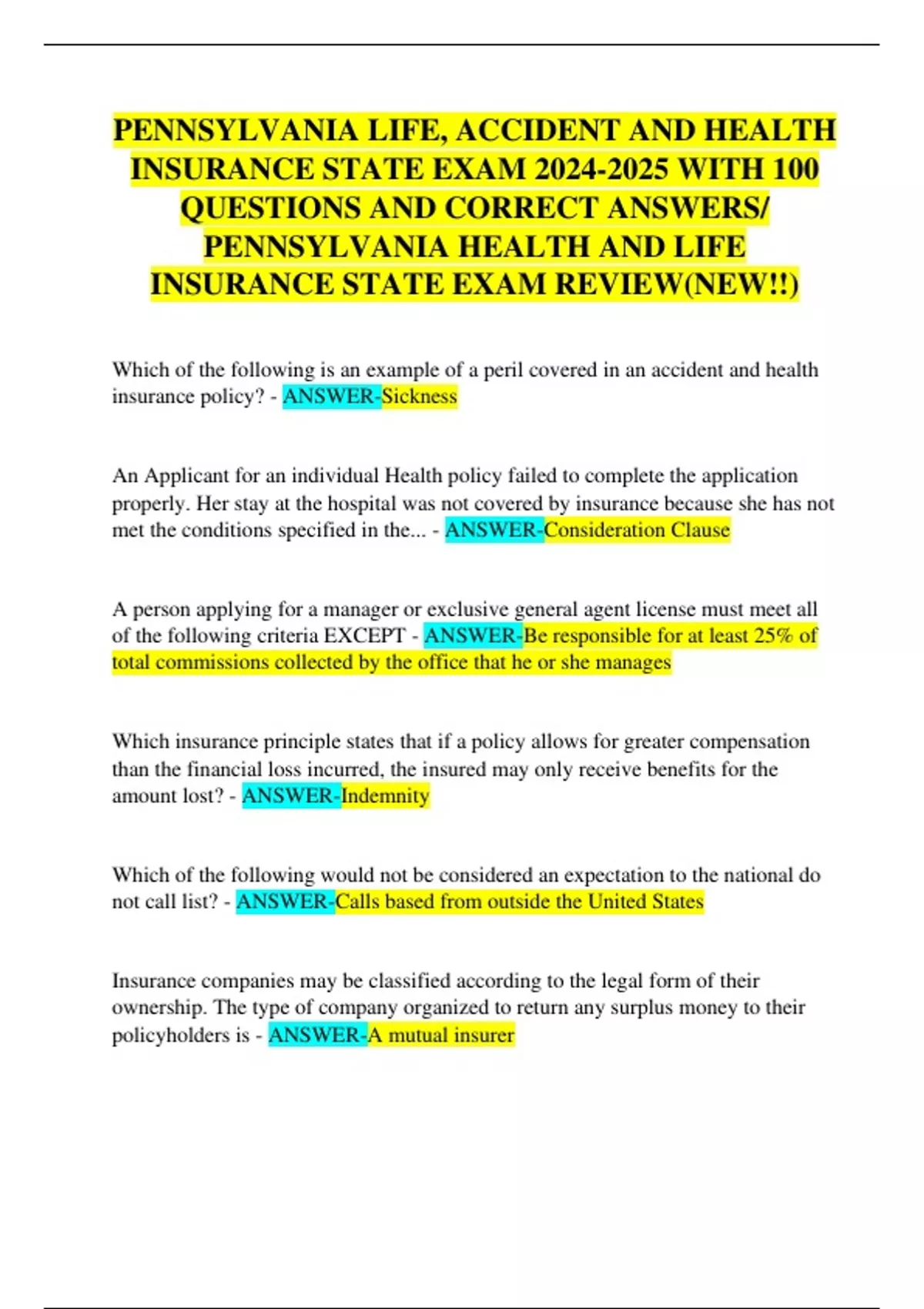
| Practice Exams | Utilize high-quality question banks to simulate the timing and pressure of the actual test. |
| State Law Review | Pay extra attention to Pennsylvania-specific statutes, as these are often where candidates lose points. |
| Review Session | Schedule a review of your missed practice questions 48 hours before the actual test. |
Handling Exam Failures and Retakes
If you do not achieve a passing score on your first attempt, do not view the experience as a permanent barrier. The system is designed to allow multiple attempts. However, each attempt requires a new registration and a full payment of the exam fee. There is no "makeup" test, but there is a clear "retake" path.
After a failed attempt, PSI will typically provide a diagnostic report. This report is invaluable; it identifies the specific areas where your score was insufficient. Instead of rushing to re-register, use this report to restructure your study plan. Focus exclusively on the topics identified as "weak" by the report, but maintain a baseline review of your stronger topics to ensure they do not decline in accuracy.
Common Questions Regarding Pennsylvania Licensing
1. Is there a "makeup" exam if I fail the first time? No. There is no makeup exam. You must re-register and pay the exam fee to retake the test. There is no waiting period between attempts, but you are limited by the availability of testing center slots.
2. Can I take the Life and Health exam separately? Yes, you can choose to test for Life only or Health only, but most agents opt for the combined Life and Health examination to save time and streamline their licensing path.
3. Does my pre-licensing education expire? Yes. In Pennsylvania, pre-licensing education certificates are generally valid for one year. If you do not pass your exam within that window, you will need to retake the required pre-licensing coursework.
4. How do I know if I have passed? Your results are typically provided immediately upon completing the exam at a physical testing center. You will receive an official score report indicating "Pass" or "Fail."
5. Once I pass, how do I get my license? Passing the exam is only one step. You must then apply for your license through the National Insurance Producer Registry (NIPR). The state will conduct a background check, and once approved, your license will be issued electronically.
Maintaining Your Professional Standing
Once you have secured your license, your responsibility to the state and your clients is just beginning. Pennsylvania requires licensed insurance producers to complete Continuing Education (CE) credits during every two-year licensing period. These credits ensure that your knowledge remains current with evolving laws and market shifts. Neglecting your CE requirements can lead to the suspension of your license, which is significantly more difficult to resolve than the initial testing phase. Always keep a digital or physical folder of your education certificates to provide to the department upon request.
For those pursuing this career, consistency is key. Treat the licensing test not as an end goal, but as the foundational step of a professional journey in the financial services sector. By maintaining rigorous study habits and adhering to state-mandated timelines, you ensure your eligibility remains intact and your transition into the insurance industry is as seamless as possible.
Image Gallery