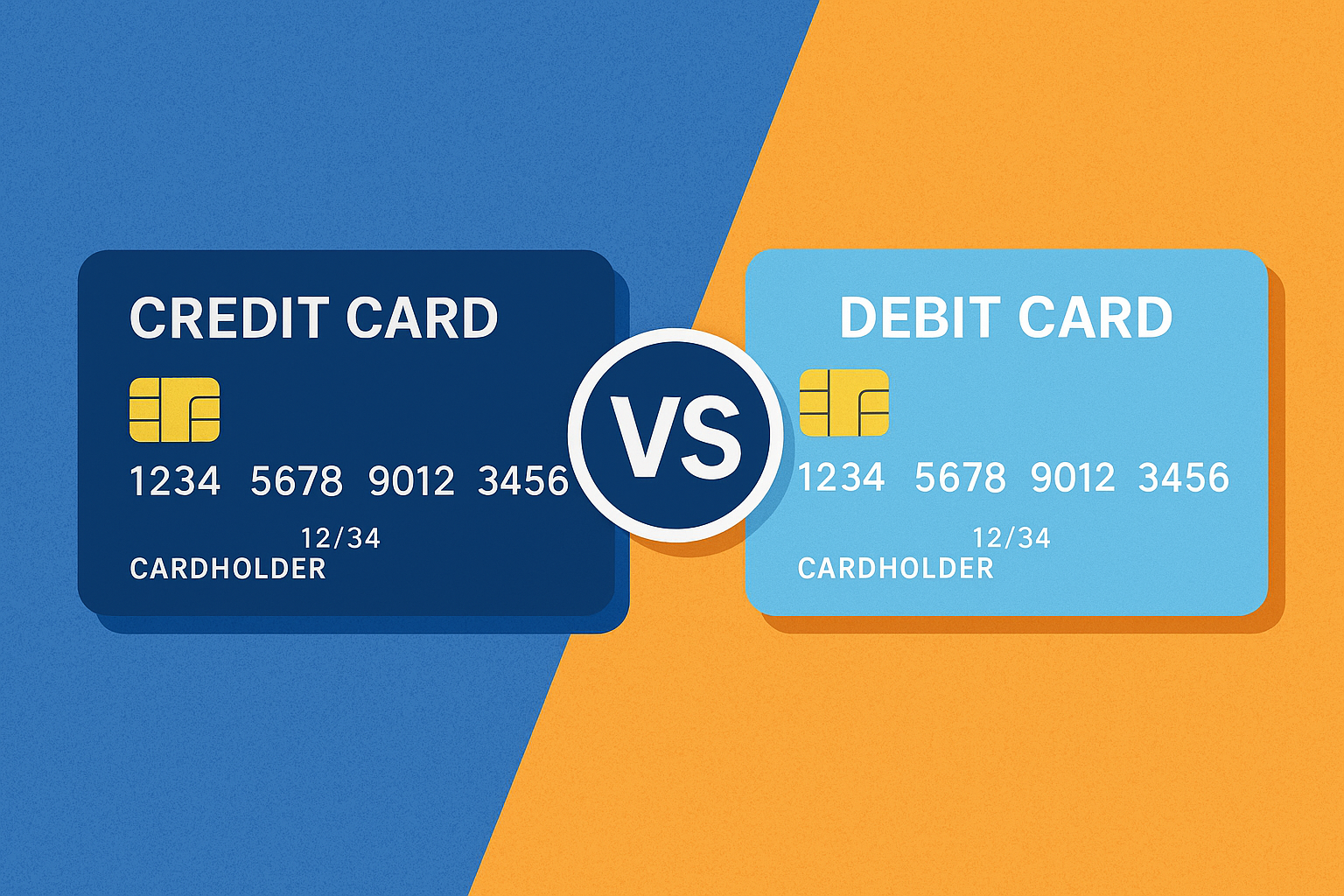
Understanding the Core Differences Between Credit and Debit Cards
Credit and debit cards both serve as digital payment tools that replace physical cash, but they operate on fundamentally different financial frameworks. While a debit card draws directly from your existing bank account balance for imme...
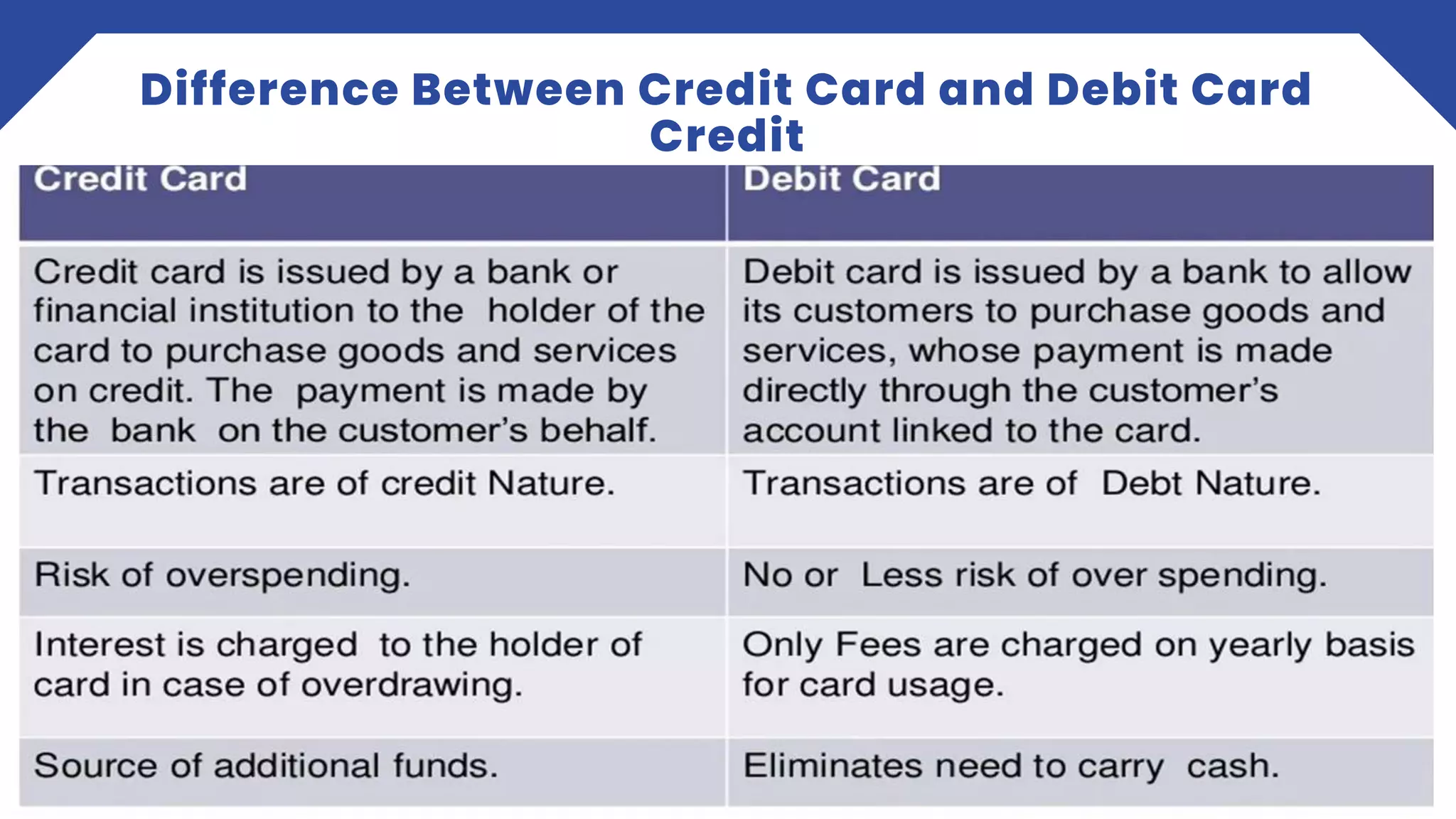
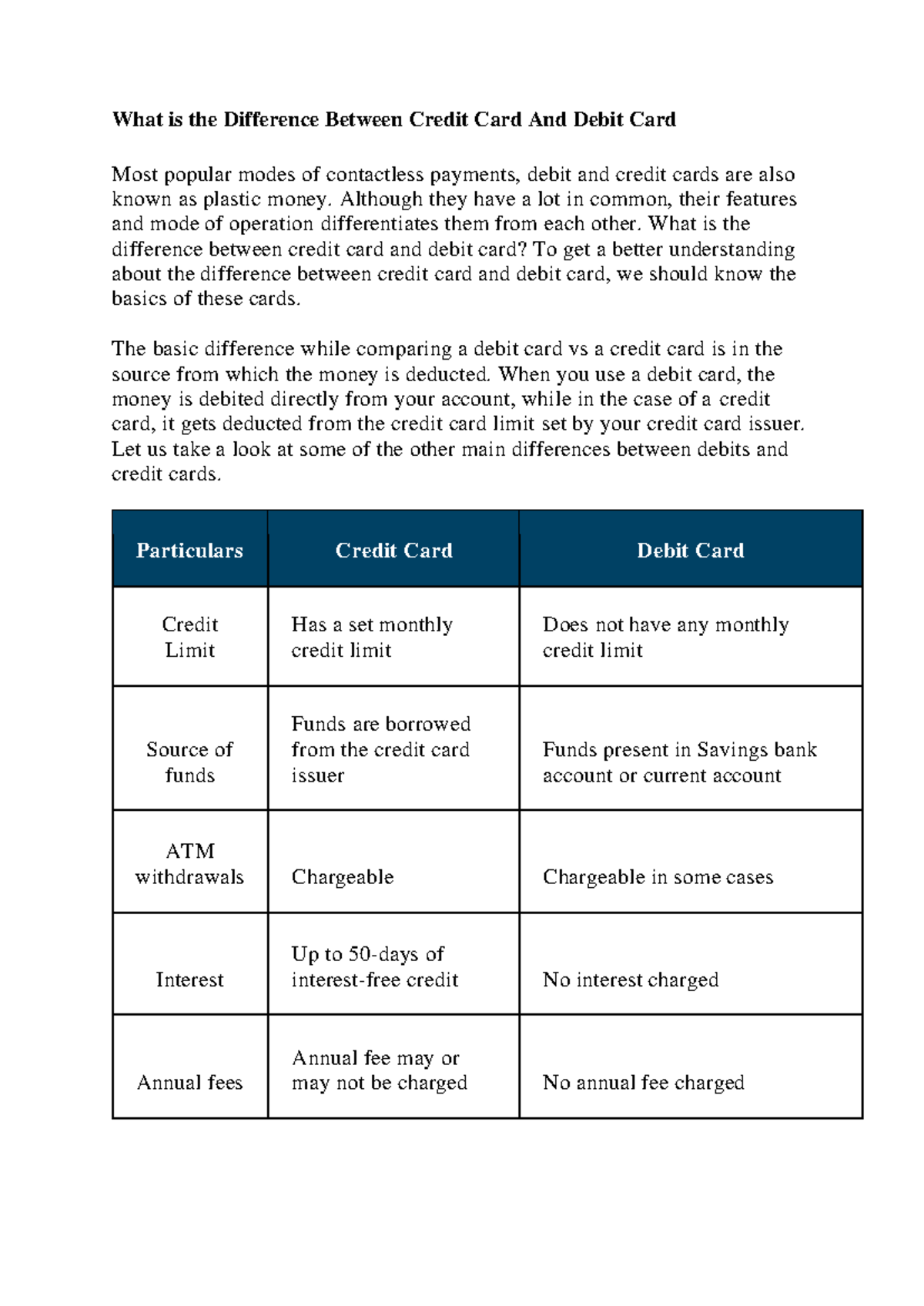
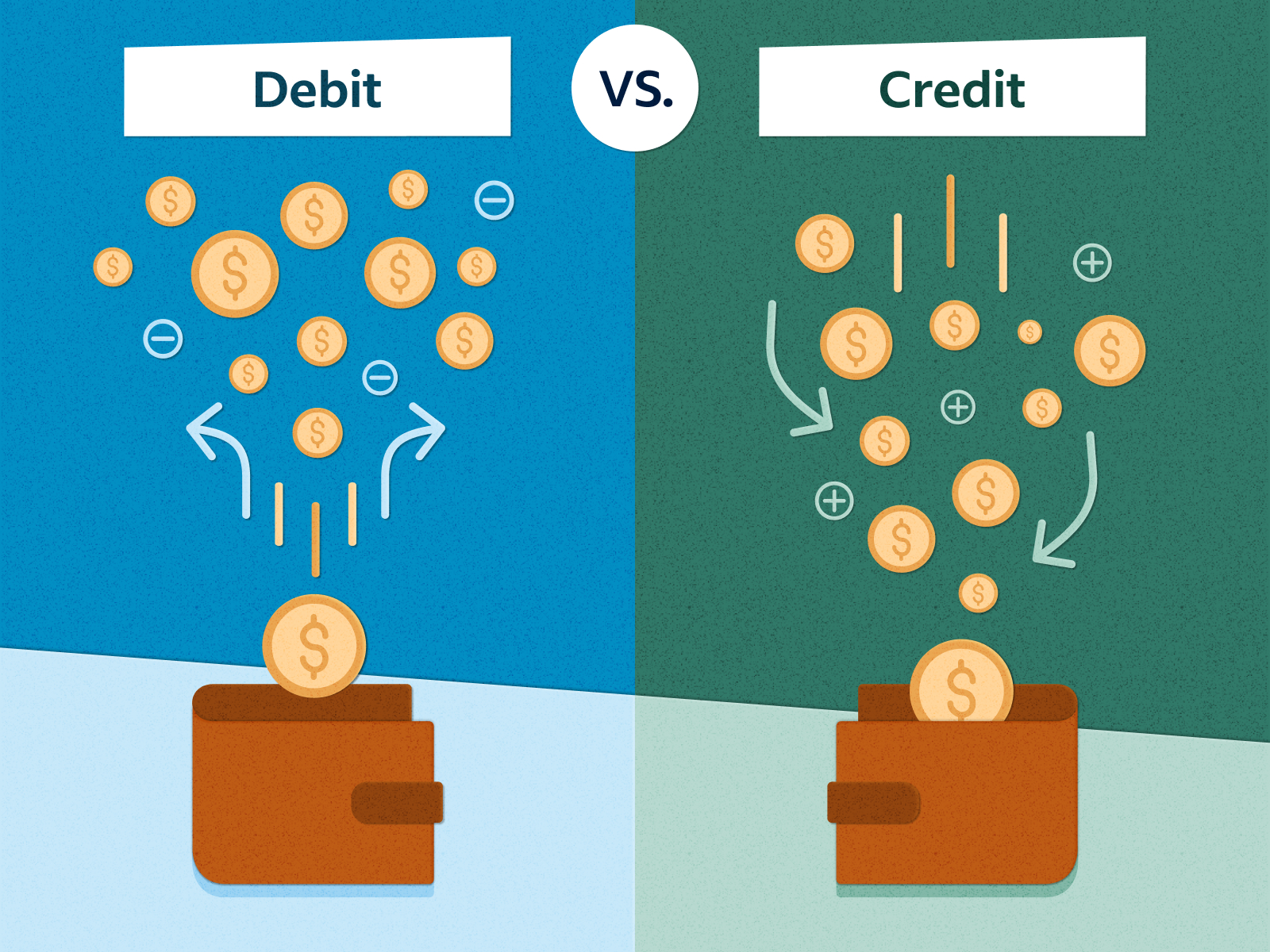
Credit and debit cards both serve as digital payment tools that replace physical cash, but they operate on fundamentally different financial frameworks. While a debit card draws directly from your existing bank account balance for immediate settlement, a credit card functions as a line of short-term debt that you must repay later, often with interest.
Contents
The Mechanics of Debit Transactions
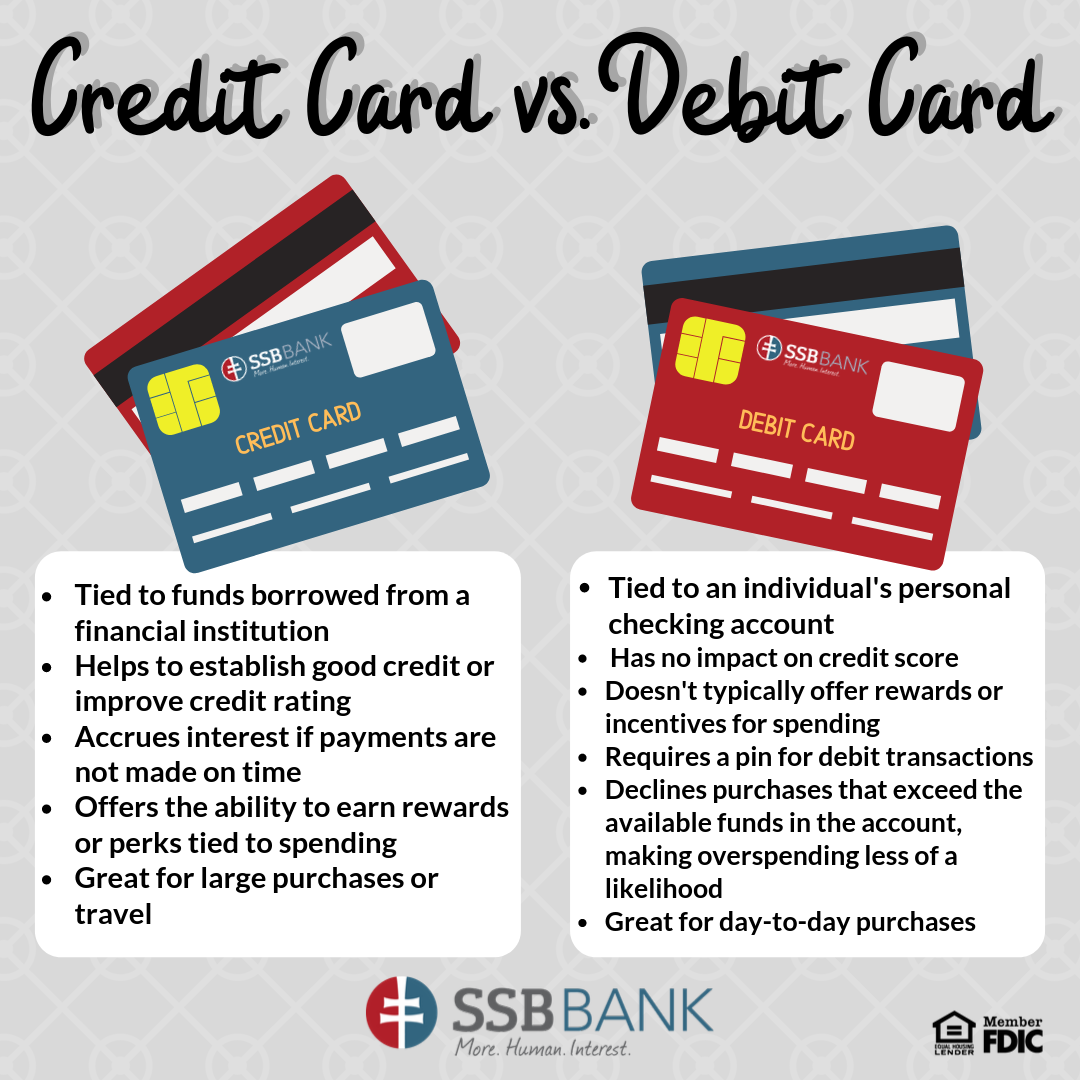
A debit card is tied directly to your checking account. When you initiate a transaction, the electronic system verifies that your account contains sufficient funds to cover the purchase. Once verified, the bank immediately places a hold on that amount, and the funds are typically transferred to the merchant within one to three business days.
Because you are using your own money, debit transactions are inherently limited by your account balance. You cannot overspend beyond your available liquid assets unless you have previously opted into an overdraft protection service, which often comes with high fees and potential interest charges. Using a debit card provides an excellent way to practice disciplined budgeting because it creates a hard stop on spending; once the money is gone, the card ceases to function for additional purchases.
The Mechanics of Credit Transactions
When you swipe a credit card, you are not using your own money. Instead, you are accessing a revolving line of credit provided by a financial institution. The issuer pays the merchant on your behalf, and you receive a monthly statement detailing your aggregate spending.
Credit cards operate on a billing cycle. You have a grace period—typically 21 to 25 days after the statement closing date—to pay back the balance in full without incurring interest charges. If you choose to carry a balance from one month to the next, the issuer applies interest based on the Annual Percentage Rate (APR) associated with your account. This makes credit cards a tool for leveraging borrowed capital, provided you have the capacity to repay the debt.
Comparison Table: Key Operational Differences
| Feature | Debit Card | Credit Card |
|---|---|---|
| Source of Funds | Personal checking account | Line of credit from the issuer |
| Payment Timing | Immediate withdrawal | Paid at the end of the billing cycle |
| Interest Charges | Generally none | Charged on unpaid monthly balances |
| Credit Impact | Does not affect credit score | Impacts credit history and score |
| Spending Limit | Account balance | Assigned credit limit |
| Primary Risk | Drained bank account | High-interest debt accumulation |
The Impact on Credit Scores
One of the most significant differences lies in the relationship with credit bureaus. Debit card usage is generally not reported to credit reporting agencies because it does not involve borrowing money. Consequently, responsible debit card use does not help you build a credit history.
Conversely, credit cards are primary instruments for credit building. Issuers report your payment history, credit utilization ratio, and account age to the major credit bureaus. Making timely payments on a credit card demonstrates financial reliability, which over time can improve your credit score and qualify you for more favorable terms on future loans, such as mortgages or auto financing. However, the inverse is also true: missed payments or maintaining high balances relative to your credit limit can significantly harm your score.
Security and Fraud Liability
Consumer protections differ significantly between these two payment methods, primarily governed by the Electronic Fund Transfer Act (EFTA) for debit and the Truth in Lending Act (TILA) for credit in the United States.
With a credit card, if your card information is stolen and used for fraudulent purchases, your maximum liability is usually capped at $50, and most major issuers offer "zero-liability" policies that waive even that small amount. Because the money used is the bank's, you retain your personal cash while the dispute is being resolved.
With a debit card, the stakes can be higher. If you report a lost or stolen card within two business days, your liability is limited to $50. However, if you wait longer to report the loss, your liability can escalate significantly under federal law. Furthermore, during a fraud investigation, the disputed funds are removed from your checking account, which may cause liquidity issues—such as bounced checks or missed bill payments—until the bank restores the funds.
Strategic Use Cases: When to Use Which?
Choosing the right tool depends on your current financial goal and the nature of the transaction.
Debit cards are ideal for daily expenses where you want to ensure you stay within a strict budget. They are also preferred by many users for ATM withdrawals, as credit card cash advances usually incur heavy fees and immediate, high-interest rates that begin accruing the moment the cash is withdrawn.
Credit cards are better suited for online shopping, booking travel, or paying for services like hotels and rental cars. These entities often place significant "holds" on your account for security deposits. If you use a debit card, those funds are physically frozen and unavailable for you to use elsewhere until the hold is released. With a credit card, those holds utilize your credit limit rather than your actual cash, keeping your bank account liquid.
Frequently Asked Questions
Can I use a debit card to build credit? Generally, no. Because debit transactions involve your own funds, they are not recorded by credit bureaus as a credit event. To build credit, you must use a product that reports repayment behavior, such as a credit card or a secured loan.
Is it safer to pay with credit than debit? Yes, in terms of financial isolation. Using a credit card places a layer of protection between your personal bank account and the merchant. If fraud occurs, you are disputing charges on an account you pay later, rather than fighting to recover money that has already left your bank account.
Do I need a credit card if I have a debit card? While not strictly necessary for basic survival, a credit card is often required for large financial milestones. Credit history is necessary to secure favorable interest rates on loans. Furthermore, the consumer protections and merchant hold policies associated with credit cards make them more practical for travel and emergency expenses.
What happens if I use a debit card at a gas station? Gas stations often place a temporary hold on your account, sometimes up to $100 or more, to ensure you have sufficient funds before you begin pumping. If your balance is low, this hold might be declined, or it could cause other transactions to bounce until the hold clears.
Are there fees associated with credit cards that debit cards don't have? Yes. Credit cards may carry annual fees, late payment penalties, and high-interest charges if a balance is carried. Debit cards typically only incur fees if you overdraft your account or use an out-of-network ATM.
Next Steps for Financial Management
To optimize your financial health, consider maintaining a balance of both tools. Use your debit card for small, predictable, everyday purchases to keep your spending aligned with your income. Reserve your credit card for larger purchases, travel expenses, and items where you desire the extra layer of fraud protection. Regardless of which you choose, always verify your transaction statements regularly to identify errors or unauthorized activity early. If you are building a credit profile for the first time, look for entry-level credit products that offer low or no annual fees and prioritize on-time monthly payments to establish a foundation of financial responsibility.
Image Gallery