Why Discipline Is Freedom in the Drive: The Architecture of High Performance
Discipline provides the structural framework necessary to bypass decision fatigue and emotional volatility. In the context of "the drive"—the relentless pursuit of professional or personal objectives—discipline functions not as a restr...
Discipline provides the structural framework necessary to bypass decision fatigue and emotional volatility. In the context of "the drive"—the relentless pursuit of professional or personal objectives—discipline functions not as a restriction, but as the engine of autonomy. By automating essential behaviors, individuals preserve cognitive resources for high-level strategic execution.
Contents
The Philosophical Foundation of the Discipline-Freedom Paradox
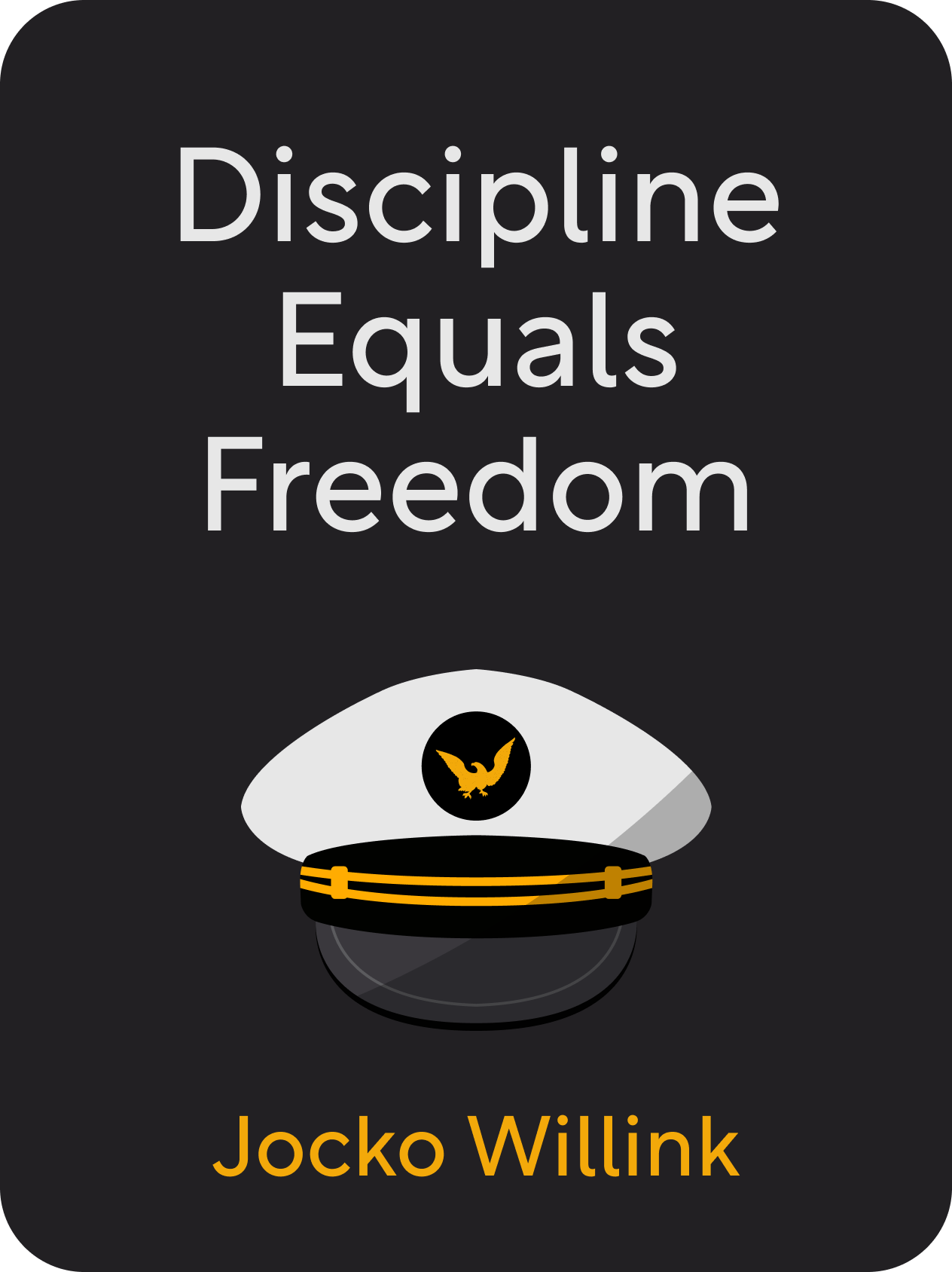
The phrase "discipline equals freedom," popularized by former Navy SEAL Jocko Willink, serves as the cornerstone of modern performance psychology in 2026. While the terms appear contradictory, they describe a symbiotic relationship. In any ambitious "drive," freedom is often misinterpreted as the absence of rules or the ability to act on impulse. However, impulsive action leads to a "freedom" that is reactive rather than proactive.
When an individual lacks discipline, they are a slave to their immediate moods, environmental distractions, and the demands of others. True freedom—the ability to choose one's path and execute a vision—requires a level of self-mastery that filters out the noise. In the pursuit of a long-term goal, discipline creates the "rails" that allow the drive to maintain momentum without constant manual intervention.
Defining "The Drive" in 2026
In the current landscape of executive leadership and elite performance, the drive is defined as the sustained psychological momentum toward a specific, high-stakes outcome. It is distinct from temporary motivation. Motivation is a fluctuating emotional state; the drive is an operational commitment. Discipline is the mechanism that converts the energy of the drive into tangible results. Without it, the drive dissipates into "hustle culture" burnout, where activity is high but progress is negligible.
The Neurobiology of Discipline and Cognitive Load
To understand why discipline is freedom, one must examine the mechanics of the human brain. The prefrontal cortex is responsible for executive functions, including decision-making, impulse control, and complex planning. However, this region has limited bandwidth. Every minor decision—what to eat, when to start working, how to respond to an email—consumes glucose and adds to decision fatigue.
Automating the Mundane
Discipline allows for the "outsourcing" of these minor decisions to the basal ganglia, the part of the brain responsible for habits and procedural memory. When a professional maintains a disciplined routine, they essentially "hardwire" their daily operations.
- Reduced Cognitive Load: By standardizing the morning routine, workout schedule, and deep-work blocks, the brain no longer needs to negotiate these tasks.
- Preserved Executive Function: The prefrontal cortex remains fresh for critical thinking, creative problem-solving, and high-level strategy within the drive.
- Dopamine Baseline Management: Discipline helps stabilize dopamine levels. Relying on "inspiration" creates a boom-and-bust cycle. Disciplined execution maintains a steady baseline, preventing the "crashes" that often derail ambitious projects.
Research published by the American Psychological Association emphasizes that individuals with high self-control do not necessarily exert more willpower; instead, they structure their lives to minimize the need for it. This structure is the "freedom" to focus on what truly matters.
Operational Excellence: The Drive vs. The Impulse
The distinction between a discipline-led drive and an impulse-led drive is the difference between a professional and an amateur. In 2026, where digital distractions are more sophisticated than ever, the ability to remain disciplined is the ultimate competitive advantage.
| Feature | Impulse-Driven Pursuit | Discipline-Driven (The Drive) |
|---|---|---|
| Primary Fuel | Motivation and Dopamine Spikes | Systems, Habits, and SOPs |
| Response to Failure | Emotional retreat or "pivoting" | Root cause analysis and adjustment |
| Consistency | Erratic; dependent on "feeling" | High; independent of internal state |
| Mental State | High anxiety and decision fatigue | High focus and operational calm |
| Long-term Result | Burnout or stalled progress | Compounding gains and goal realization |
| Freedom Level | Low (Reactive to environment) | High (Proactive and autonomous) |
Implementing the Architecture of Freedom
Achieving freedom through discipline requires more than just "trying harder." it requires the design of a personal operating system. For those currently in "the drive"—whether launching a venture, mastering a craft, or leading an organization—the following steps are essential for building that framework.
1. Establish Standard Operating Procedures (SOPs)
Just as a corporation uses SOPs to ensure quality and efficiency, an individual must have SOPs for their "drive." This includes a defined start to the workday, a specific protocol for handling interruptions, and a ritualized "shutdown" process. These procedures eliminate the "blank page" syndrome and the friction of getting started.
2. Time-Blocking and the "Deep Work" Mandate
Freedom in 2026 is the ability to disconnect from the "shallow" world of notifications. Discipline means guarding your time blocks with ferocity. By scheduling four hours of uninterrupted work, you gain the freedom to produce at an elite level, which eventually buys you the freedom of time. This concept, supported by Georgetown University researchers, highlights that cognitive intensity is a finite resource that only discipline can protect.
3. Physical Priming
The drive is not purely mental; it is biological. Discipline in sleep hygiene, nutrition, and physical exertion ensures that the "hardware" (the body) can support the "software" (the ambition). A disciplined physical regimen provides the energy required to maintain the drive during periods of high stress.
4. Radical Accountability
Discipline requires a feedback loop. This may involve peer groups, executive coaching, or rigorous self-assessment. In the drive, freedom comes from knowing exactly where you stand. Ignorance of one's failures is a form of bondage; discipline provides the clarity to pivot based on data rather than emotion.
The Paradox of Choice and the Gift of Constraints
One of the most significant barriers to "the drive" is the paradox of choice. When everything is possible, nothing gets done. Discipline imposes strategic constraints. By deciding what you will not do, you free yourself to excel at what you must do.
In a professional setting, this looks like saying "no" to opportunities that do not align with the primary objective. This is the ultimate expression of freedom: the power to reject the good in pursuit of the great. The discipline to stay on the path (the drive) prevents the person from being pulled in a thousand different directions, which is the hallmark of a lack of freedom.
Common Misconceptions: Rigidity vs. Discipline
A common mistake is confusing discipline with mindless rigidity. Rigidity is the inability to adapt when circumstances change. Discipline, conversely, is about adhering to a set of principles and systems that facilitate adaptation.
- Rigidity: Continuing a failing strategy because "that's the plan."
- Discipline: Adhering to the process of review and adjustment, even when it’s uncomfortable to admit a strategy is failing.
True discipline in the drive allows for "tactical flexibility." Because the foundational elements of life (health, routine, focus) are handled, the individual has the mental bandwidth to be extremely flexible and creative when obstacles arise.
Case Study: The 2026 High-Performance Executive
Consider a CEO in 2026 navigating a volatile global market. The undisciplined executive spends their day reacting to headlines, ping-ponging between meetings, and making decisions based on the latest trend. They feel trapped and "busy," but they have no freedom.
The disciplined executive, however, has a "drive" governed by systems. They have pre-vetted information filters, set times for strategic thinking, and a disciplined approach to physical health. This individual has the freedom to remain calm when the market shifts. Their discipline has created a buffer between stimulus and response, which is the definition of psychological freedom.
Frequently Asked Questions
Does discipline stifle creativity?
On the contrary, discipline provides the foundation for creativity. By automating the logistical aspects of life, you free your mind to explore complex ideas. Most of history's most celebrated artists, from Mozart to Hemingway, adhered to remarkably strict, disciplined daily routines to facilitate their creative "drive."
How do I start being disciplined if I am naturally impulsive?
Start with "Micro-Discipline." Choose one small, non-negotiable task—such as waking up at a specific time or finishing a daily 10-minute review. The goal is to prove to yourself that you can follow through. This builds the "integrity" necessary to tackle larger, more complex systems within your drive.
Is it possible to have too much discipline?
Discipline should serve the drive, not the other way around. If the systems you’ve created are causing a net loss in productivity or mental health, you are likely experiencing rigidity, not discipline. The goal is "functional autonomy"—the ability to govern oneself effectively to achieve a specific end.
How does discipline help with burnout?
Burnout often stems from a feeling of being out of control and overwhelmed. Discipline restores a sense of agency. By organizing your tasks and setting boundaries, you reduce the chronic stress of "open loops" (unfinished business) and decision fatigue, which are primary drivers of burnout.
What is the relationship between discipline and "The Drive" in sports?
In athletics, the "drive" is the will to win, but discipline is the training regimen. The athlete who is disciplined in their recovery, diet, and practice has the freedom to perform at their peak during the competition. The undisciplined athlete is "trapped" by their lack of preparation when the pressure increases.
Final Recommendation
To turn your drive into a sustainable engine of success, begin by auditing your current "leaks." Identify where decision fatigue is draining your energy and where impulse is overriding strategy. Implement one foundational discipline this week—be it a strict deep-work block or a standardized morning protocol. Remember that every "no" you say to a distraction is a "yes" to your ultimate freedom. Discipline is the price of admission for a life of true autonomy and high-level achievement.
Image Gallery