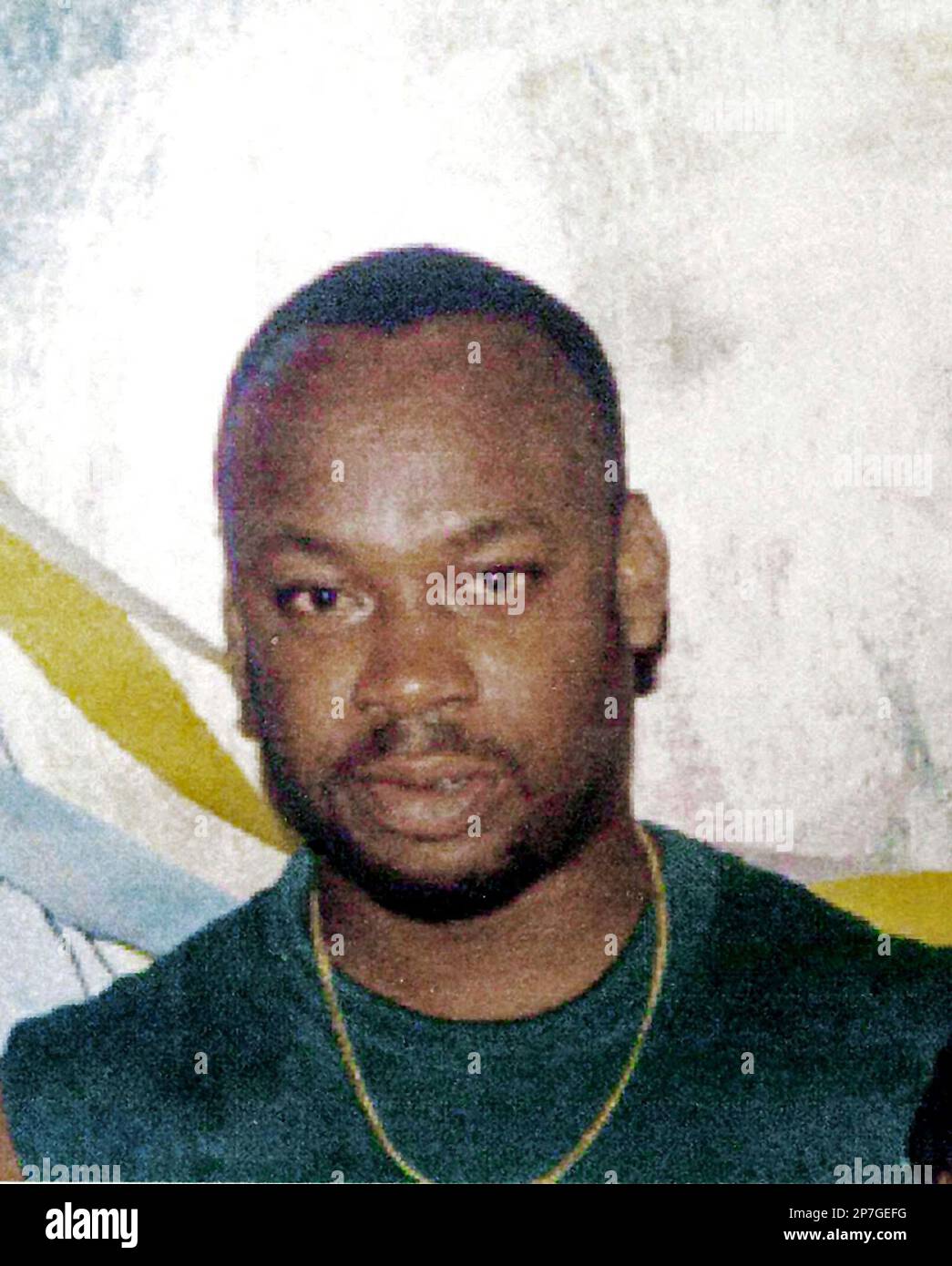
Dudus Coke Explained: Understanding the Context and Historical Significance
The term "Dudus Coke" refers to the intersection of two distinct, high-profile subjects in Jamaican history: Christopher "Dudus" Coke, a powerful community leader and organized crime figure, and the broader social and political influen...
The term "Dudus Coke" refers to the intersection of two distinct, high-profile subjects in Jamaican history: Christopher "Dudus" Coke, a powerful community leader and organized crime figure, and the broader social and political influence he wielded in West Kingston. The association between these figures and concepts explains the complex relationship between informal power structures, community governance, and international law enforcement.
Contents
The Rise of Christopher "Dudus" Coke
Christopher Michael Coke, born in 1969, became the leader of the Tivoli Gardens community in West Kingston, Jamaica. He was the son of Lester Coke, also known as "Jim Brown," who had previously led the Shower Posse—a criminal organization with significant reach into the United States. Following his father's death, Christopher Coke assumed control of the community and the organization.
In the context of Jamaican socio-political dynamics, Tivoli Gardens functioned as a "garrison" community. Garrisons are politically aligned enclaves where the influence of a specific party—in this case, the Jamaica Labour Party (JLP)—is absolute. As the "don" of Tivoli Gardens, Coke did not merely operate as a criminal leader; he functioned as a parallel authority figure. He managed community disputes, funded local education, provided financial aid to residents, and maintained a security apparatus that was often more responsive than the formal state police force.
The 2010 Extradition Crisis
The phrase "Dudus Coke explained" is most frequently searched in relation to the events of May 2010, which marked a definitive turning point in Jamaican governance. For years, the United States government had pursued the extradition of Christopher Coke on charges of drug trafficking and illegal arms trafficking.
The Jamaican government, then led by Prime Minister Bruce Golding, initially resisted the extradition request. The delay caused significant diplomatic friction between Kingston and Washington. As the pressure mounted, the government eventually moved to execute a warrant for Coke’s arrest. This led to a standoff in May 2010 when security forces entered Tivoli Gardens.
The ensuing conflict, known as the "Tivoli Incursion," resulted in significant casualties, with official reports citing 73 deaths, including civilians and security personnel. The scale of the violence forced a national conversation regarding the role of dons in Jamaican politics, the limits of state sovereignty, and the influence of international judicial requests on domestic stability.
The Legal and Operational Aftermath
Following the May 2010 incursion, Christopher Coke evaded capture for nearly a month. He was eventually apprehended on June 22, 2010, while traveling in a vehicle driven by a member of the clergy, Reverend Al Miller. His surrender was facilitated under the condition that he be turned over to the United States.
Coke was extradited to the United States in June 2010. In August 2011, he pleaded guilty in a federal court in Manhattan to racketeering and assault with a dangerous weapon in aid of racketeering. In 2012, he was sentenced to 23 years in federal prison.
This sentencing effectively neutralized the command structure of the organization he led. For observers and researchers, the "Dudus Coke" case serves as a primary study in:
- Extra-legal governance: How marginalized communities often form their own systems of justice when state services are perceived as absent.
- The Garrison System: How political parties utilize local leaders to maintain voting blocs, creating a symbiotic relationship between crime and political legitimacy.
- International Legal Reach: How U.S. federal statutes can disrupt local political and criminal ecologies through extradition treaties.
Comparative Analysis: The Don System and State Power
To understand the complexity of the "Dudus Coke" phenomenon, it is necessary to compare the structure of his authority with that of traditional government institutions. The following table highlights the functional differences during his tenure.
| Feature | The Don (Community Authority) | State Institutions (Government) |
|---|---|---|
| Dispute Resolution | Immediate, informal, often punitive | Bureaucratic, court-based, slow |
| Community Support | Direct social welfare, funeral costs | Tax-funded public services |
| Political Alignment | Highly partisan (Garrison politics) | Constitutionally neutral (theoretically) |
| Security Mechanism | Private militia/enforcers | Police and military forces |
| Accountability | Total, enforced by the Don | Subject to oversight and law |
Why This Subject Remains Relevant in 2026
Even in 2026, the legacy of the Christopher Coke era continues to shape Jamaican policy and discourse. The event forced a reorganization of how the Jamaican government interacts with vulnerable urban populations. The "Tivoli Incursion" is now studied by sociologists and political scientists as a case of "state building" versus "garrison politics."
Furthermore, the legal framework used to extradite Coke remains a critical component of the United States' strategy for combating transnational organized crime in the Caribbean. The case established a precedent for how the U.S. interacts with local leadership structures in nations where the "don" serves as a substitute for government services.
Common Misconceptions
There is often confusion regarding the source of Coke's power. It was not solely based on narcotics; it was based on his ability to provide what the state failed to provide: basic needs. Analysts often point out that characterizing him as a mere "drug kingpin" ignores the reality that many residents of Tivoli Gardens viewed him as a provider and protector. Understanding "Dudus Coke" requires acknowledging this dual perception—as a criminal to the state and an essential benefactor to his constituency.
Frequently Asked Questions
1. Was Christopher Coke the only person in power in Tivoli Gardens? No, he operated within a long-standing system of community leadership that predated his involvement. He succeeded his father, Lester Coke, and continued a governance style that was integrated into the local political machinery of West Kingston.
2. Why was the extradition of Coke so controversial? The controversy stemmed from the political alliance between his constituency and the government. Many feared that extraditing him would lead to the revelation of political ties between the governing party and the "don" system, which could have triggered a collapse of the administration.
3. What happened to the community of Tivoli Gardens after the incursion? The community underwent significant changes. While the security footprint remains, there have been ongoing efforts by both the government and international non-profits to integrate the area into the formal economy and improve infrastructure to replace the informal systems the "don" had provided.
4. Where is Christopher Coke currently held? As of 2026, Coke remains in the custody of the United States Bureau of Prisons. He is serving his 23-year sentence, which began following his sentencing in 2012.
5. How did the U.S. manage to extradite him despite local resistance? The U.S. exerted significant diplomatic pressure on the Jamaican government. The threat of sanctions and the freezing of assets, combined with the escalating international outcry regarding the violence, eventually left the Jamaican government with no viable political or diplomatic alternative but to comply with the extradition warrant.
Moving Forward
The study of the Christopher Coke case provides a cautionary tale regarding the dangers of state neglect. When a state fails to provide legal protection and basic services to its citizens, it creates a power vacuum. Organized individuals often fill this void, building systems of governance that are inherently difficult to dismantle without significant social and human cost. For researchers, journalists, and policy analysts, the "Dudus Coke" era continues to serve as the definitive example of why community development and the rule of law must be integrated into the foundation of governance to prevent the rise of informal, authoritarian structures.
Image Gallery