What is a Regional? Understanding Regional Airlines and Aircraft
A regional is a type of airline or specific aircraft designed to operate short-haul flights, typically connecting smaller communities to major aviation hubs. In the commercial aviation industry, "regionals" function as the circulatory...
A regional is a type of airline or specific aircraft designed to operate short-haul flights, typically connecting smaller communities to major aviation hubs. In the commercial aviation industry, "regionals" function as the circulatory system of the network, feeding passengers into the larger "mainline" routes operated by major carriers through complex contractual partnerships.
Contents
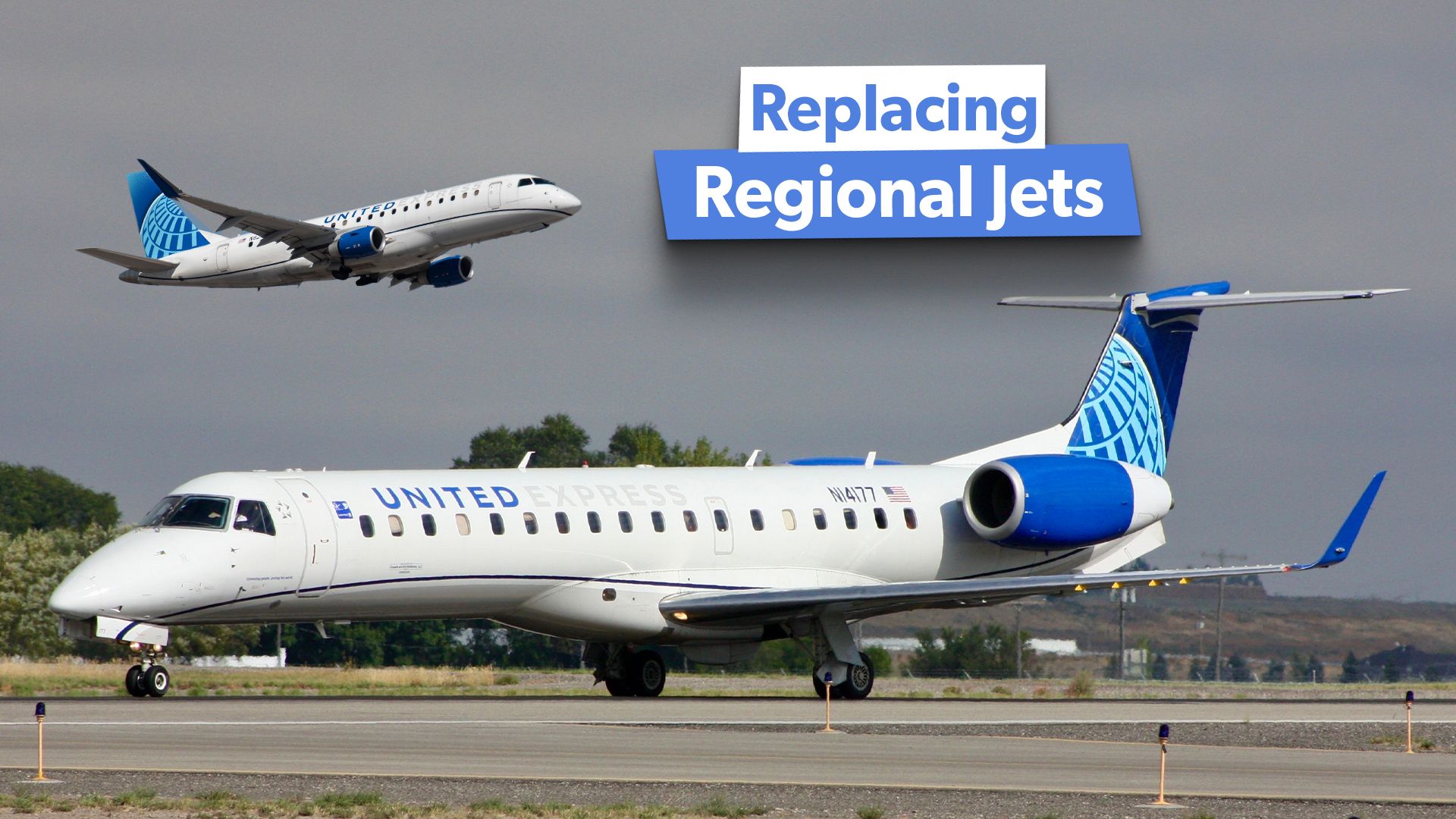
The term "regional" is used interchangeably to describe both the company (a regional airline) and the equipment (a regional jet or turboprop). While passengers often book their tickets through household names like Delta, United, or American, the actual flight is frequently operated by a regional partner using smaller aircraft optimized for routes where a full-sized Boeing or Airbus would be economically inefficient.
The Operational Model of Regional Airlines
To understand what a regional is, one must first understand the "Hub and Spoke" model. Major airlines, known as mainline carriers, operate large hubs in cities like Atlanta, Chicago, and Dallas. While these carriers fly between these hubs and to international destinations, it is not cost-effective for them to fly a 180-seat aircraft to a town with a population of 50,000.
This is where the regional airline enters the equation. Regional airlines operate under Capacity Purchase Agreements (CPAs). Under these contracts, the mainline carrier handles the branding, ticket sales, and scheduling, while the regional airline provides the aircraft, flight crew, and maintenance. The mainline carrier pays the regional a fixed fee for the operation of the flight, regardless of how many seats are sold, effectively outsourcing the "thin" routes to a specialist provider.
As of 2026, the landscape of regional aviation continues to be defined by these partnerships. While some regional airlines are wholly owned subsidiaries of major carriers (such as Envoy Air being owned by American Airlines), others are independent contractors (like SkyWest Airlines) that fly for multiple major brands simultaneously.
Regional Jets vs. Turboprops: The Technology
The hardware behind a regional operation is specifically engineered for high-cycle environments—meaning they are designed to take off and land many times a day on relatively short hops. There are two primary categories of regional aircraft.
Regional Jets (RJs)
Regional jets are small turbofan-powered aircraft. The most common models in 2026 remain the Embraer E-175 and the Bombardier/MHI CRJ-900. These planes typically carry between 50 and 76 passengers. They offer a "jet experience" similar to larger mainline aircraft, featuring pressurized cabins, lavatories, and often a two-class configuration (First Class and Economy). The primary advantage of the RJ is speed and passenger preference; travelers generally perceive jets as more modern and comfortable than propeller-driven alternatives.
Turboprops
Turboprops use a jet engine to turn a propeller. While they are often slower than RJs, they are significantly more fuel-efficient on very short routes (under 300 miles) and are better suited for shorter or unpaved runways. Models like the ATR 72 and the De Havilland Dash 8-Q400 are staples of regional aviation globally. In recent years, turboprops have seen a resurgence in interest due to their lower carbon footprint, aligning with the industry's 2026 sustainability goals.
The Concept of "Scope Clauses"
One cannot fully answer "what is a regional" without discussing Scope Clauses. These are legal provisions in the contracts between mainline airlines and their pilot unions (such as the Air Line Pilots Association, or ALPA).
Scope clauses strictly limit the number and size of aircraft that a mainline carrier can outsource to a regional partner. Typically, these clauses prevent regionals from flying aircraft with more than 76 seats or a maximum takeoff weight (MTOW) above a certain threshold. The purpose of these clauses is to protect the jobs of mainline pilots by ensuring that larger, more profitable aircraft are flown by the "parent" company's staff rather than the typically lower-paid regional staff. This technicality is the primary reason why aircraft like the Embraer E175-E2 have struggled to find a market in the United States; they are technically too heavy to meet current scope clause requirements.
The Passenger Experience: Key Differences
For the average traveler, a "regional" flight offers a distinct experience compared to a mainline flight. Because the aircraft fuselages are narrower, the interior architecture is condensed.
- Cabin Storage: Overhead bins on regional jets are much smaller. Most standard "roll-aboard" suitcases will not fit. This leads to the "valet tag" or "gate check" system, where passengers leave their bags at the aircraft door and retrieve them on the jet bridge upon arrival.
- Seating Layout: Most regional jets utilize a 2-2 seating configuration, meaning there are no middle seats. This is often cited as a major "pro" for regional flying.
- Amenities: While many regionals in 2026 have been retrofitted with Wi-Fi and streaming entertainment, they rarely have built-in seatback screens or full galleys capable of serving hot meals.
- Boarding: In smaller airports, regional flights may use "ground boarding" via ramps or stairs rather than traditional jet bridges.
Comparing Mainline and Regional Operations
The table below outlines the primary distinctions between these two tiers of the aviation industry as they stand in 2026.
| Feature | Mainline Carrier | Regional Carrier |
|---|---|---|
| Typical Aircraft | Boeing 737, Airbus A320 | Embraer E175, CRJ-900, ATR 72 |
| Seating Capacity | 120 - 400+ seats | 35 - 76 seats |
| Primary Mission | Long-haul, Hub-to-Hub | Short-haul, Spoke-to-Hub |
| Employment | Direct employees of the brand | Employees of the regional contractor |
| Revenue Model | Ticket sales and ancillaries | Fee-per-departure (CPA) |
| Cabin Layout | 3-3 or wider (aisle) | 2-2 or 1-2 (aisle) |
| Baggage Capacity | Full overhead bin access | Limited; frequent gate-checking |
The Role of Regionals in Pilot Careers
For aspiring pilots, "the regionals" are a critical professional milestone. Because mainline carriers require significant turbine time and experience, most pilots begin their commercial careers at regional airlines.
In the early 2020s, a severe pilot shortage forced regional airlines to significantly increase wages to attract talent. By 2026, the pay gap between regional and mainline pilots has narrowed, but the "regional grind" remains a reality. Pilots often work at a regional for 3 to 5 years to build the flight hours necessary to "flow through" or be hired by a major carrier like United or American.
Safety and Regulation
A common misconception is that regional airlines are less safe than their mainline counterparts because they are smaller or "outsourced." In the United States, this is factually incorrect. Following the Colgan Air Flight 3407 accident in 2009, the FAA implemented the "1,500-hour rule" and standardized safety regulations (Part 121) across the board. Today, a regional airline must adhere to the exact same pilot training, maintenance, and operational safety standards as a global carrier like Delta or United.
Frequently Asked Questions
How do I know if I am flying on a regional?
You can identify a regional flight during the booking process or on your boarding pass. Look for the phrase "Operated by [Airline Name]." For example, a ticket might say "United Economy," but underneath it will state "Operated by SkyWest Airlines" or "Operated by Republic Airways."
Are regional jets less comfortable than big planes?
Comfort is subjective. While the cabins are smaller and there is less head space, regional jets lack the dreaded "middle seat." For many solo travelers, a 2-2 configuration is preferable to a 3-3 configuration on a larger Boeing 737. However, the lack of large overhead bins is a common point of frustration.
Why do airlines use regionals instead of just flying smaller mainline planes?
The primary reason is labor costs and operational flexibility. Mainline pilots and flight attendants are typically part of unions with contracts that command higher pay scales. By using regional partners, the parent airline can operate smaller planes at a lower cost per seat-mile, making it profitable to fly to smaller cities.
Can regional planes fly long distances?
Most regional aircraft have a range of approximately 1,500 to 2,000 miles. While they can fly from New York to Denver, they are rarely used for such routes because their cost-efficiency drops on longer flights compared to larger aircraft. They are most effective on routes under 2 hours.
Is "Regional" a brand?
No, "regional" is a category. There is no airline simply called "Regional." Common brands you will see include SkyWest, Mesa, Horizon, Endeavor, Envoy, Piedmont, and PSA. These companies operate under the banners of the major airlines.
Next Steps for Travelers
When booking your next flight, pay close attention to the "Operated by" section of your itinerary. If you are flying on a regional jet, plan to carry a smaller personal item for the cabin and be prepared to gate-check your larger carry-on. Understanding the regional model helps set realistic expectations for cabin space and service levels, ensuring a smoother journey through the spoke-to-hub network.
Image Gallery