Understanding Advertising Injury Coverage in Commercial Liability Insurance
Advertising injury coverage is a critical component of a Commercial General Liability (CGL) policy that protects businesses against claims of libel, slander, defamation, copyright infringement, and invasion of privacy arising from thei...
Advertising injury coverage is a critical component of a Commercial General Liability (CGL) policy that protects businesses against claims of libel, slander, defamation, copyright infringement, and invasion of privacy arising from their promotional activities. It provides the financial resources necessary for legal defense and settlements when marketing efforts inadvertently harm a third party.
Contents
In the modern business landscape of 2026, where digital presence is synonymous with brand identity, the risks associated with public communication have reached unprecedented levels. Most business owners recognize the need for protection against physical "slips and falls," but many overlook the significant financial exposure inherent in their marketing departments. This is where advertising injury coverage—technically referred to as Personal and Advertising Injury (P&AI) under "Coverage B" of a standard CGL policy—becomes indispensable.
The Framework of Personal and Advertising Injury (Coverage B)
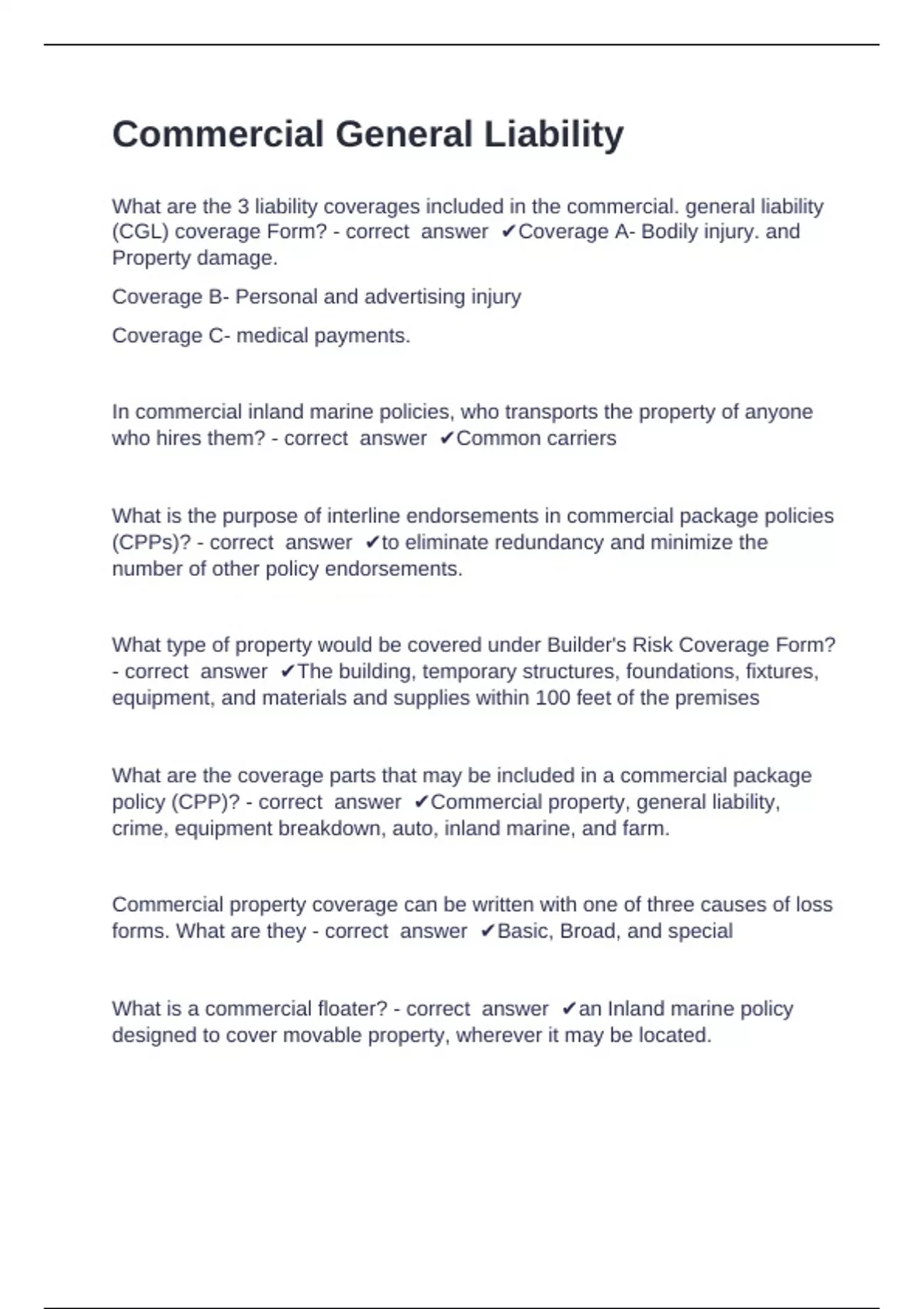
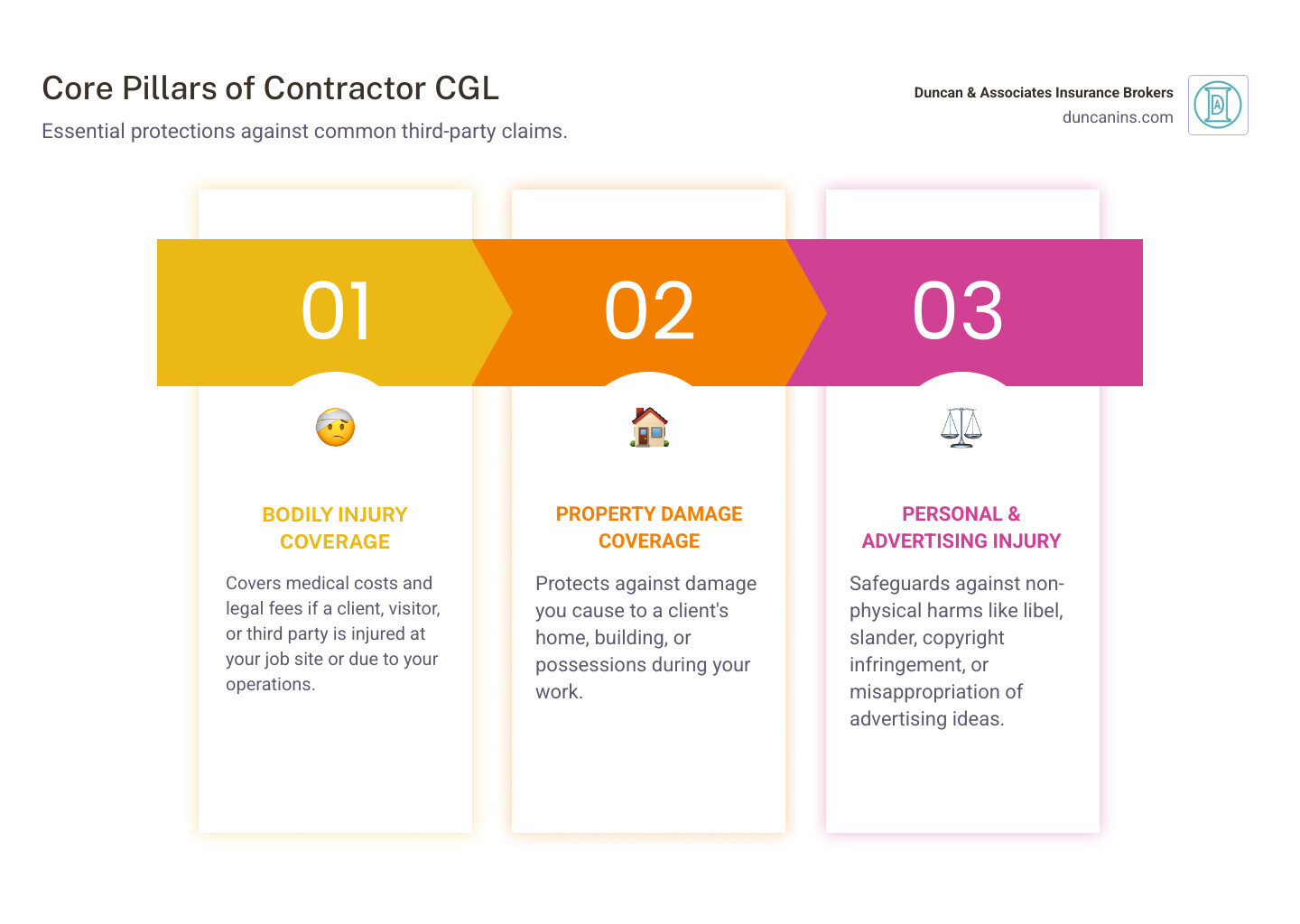
Standard Commercial General Liability policies are typically divided into three main sections: Coverage A (Bodily Injury and Property Damage), Coverage B (Personal and Advertising Injury), and Coverage C (Medical Payments). While Coverage A deals with physical mishaps, Coverage B addresses the "intangible" harms your business might cause to a third party’s reputation or intellectual property.
To trigger advertising injury coverage, the alleged offense must generally occur within the "coverage territory" and during the policy period. Most importantly, the offense must be committed in the course of advertising your goods, products, or services. If a business owner defames a competitor during a private dinner, it may not be covered; if that same statement is published in a sponsored social media post or a press release, Coverage B is much more likely to apply.
Defining "Advertising" in 2026
In 2026, the definition of "advertising" has expanded beyond traditional print and television. Courts and insurers now recognize a broad spectrum of promotional activities, including:
- Search Engine Optimization (SEO) metadata and keyword bidding.
- Social media engagement and influencer partnerships.
- Algorithm-driven targeted display ads.
- Email marketing and digital newsletters.
- Podcast sponsorships and brand placements.
Core Offenses Covered by Advertising Injury
Advertising injury is not a single peril but a cluster of specific legal offenses. Understanding these categories is essential for risk management and ensuring that a business's operational reality aligns with its policy limits.
1. Libel, Slander, and Defamation
Defamation occurs when a business makes a false statement about a third party that harms their reputation. Libel refers to written defamation, while slander refers to spoken defamation. In a commercial context, this often arises when a company compares its products to a competitor’s in a way that includes false or disparaging claims. Even if the disparagement was unintentional, the legal costs to defend against a defamation lawsuit can be catastrophic without insurance.
2. Violation of Privacy Rights
This coverage applies when an advertisement or promotional campaign intrudes upon an individual’s right to be left alone or publicly discloses private facts. For example, if a business uses a photograph of a customer in a promotional campaign without obtaining a proper model release, or if an automated marketing tool inadvertently broadcasts a client's private purchase history, the business could face a claim for invasion of privacy.
3. Misappropriation of Advertising Ideas
This involves the unauthorized use of another entity's advertising concepts or "style of doing business." It is distinct from trademark infringement (which is often excluded). Misappropriation focuses on the manner in which a product is marketed. If your business creates a campaign that is a "near-clone" of a competitor’s unique and established marketing theme, you may be sued for misappropriation of their advertising idea.
4. Copyright Infringement
In the context of Coverage B, copyright infringement is covered only when it occurs specifically within your "advertisement." This includes the unauthorized use of images, music, slogans, or copy in your marketing materials. As AI-generated content becomes more prevalent in 2026, the risk of "accidental" copyright infringement—where an AI tool produces content that too closely mirrors protected work—has made this specific pillar of coverage more relevant than ever.
Critical Exclusions: What Coverage B Does Not Protect
While advertising injury coverage is broad, it is not an all-encompassing shield. Standard ISO (Insurance Services Office) forms contain several "hard" exclusions that business owners must understand to avoid a "gap" in their protection.
Knowing Violation of Rights
Insurance is designed to cover accidents, not intentional harm. If an insured party publishes material they know is false or infringing, the insurer will likely deny the claim. This "intentional acts" exclusion is a standard feature of almost all liability policies.
Breach of Contract
If a business is sued for failing to uphold the terms of a marketing contract—such as failing to pay an influencer or failing to deliver a specific number of leads—Coverage B will not apply. Contractual disputes are considered professional or business risks, not torts covered by general liability.
Quality or Performance of Goods (False Advertising)
One of the most common misconceptions is that advertising injury covers "false advertising" regarding a product's efficacy. If a business claims their supplement cures a disease and is sued by consumers when it does not, this is excluded. Coverage B protects against injuries to others' reputations or rights, not against claims that the insured’s products failed to meet advertised standards.
Wrong Description of Prices
Errors in pricing—such as advertising a luxury car for $500 instead of $50,000—are explicitly excluded. Businesses are expected to have internal controls to prevent such errors, and insurers do not provide a safety net for pricing mistakes.
Comparison of Coverage B Offenses and Common Scenarios
The following table clarifies how different marketing-related risks are categorized and whether they typically fall under Advertising Injury coverage.
| Offense Category | Typical Scenario | Covered? |
|---|---|---|
| Libel/Slander | A blog post falsely claims a competitor uses child labor. | Yes |
| Privacy Violation | Using a person's photo in a Facebook ad without permission. | Yes |
| Copyright Infringement | Using a copyrighted song in a TikTok promo without a license. | Yes |
| Trademark Infringement | Using a competitor’s logo as your own on product packaging. | Usually No (Often requires specialized IP insurance) |
| False Advertising | Claiming a "100% waterproof" jacket leaks in light rain. | No |
| Breach of Contract | Failing to pay a graphic designer for a completed ad campaign. | No |
| Data Breach | A hacker steals customer credit card numbers from your site. | No (Requires Cyber Insurance) |
The "Duty to Defend" vs. The "Duty to Indemnify"
One of the most valuable aspects of advertising injury coverage is the duty to defend. In many jurisdictions, the insurer’s duty to defend is broader than its duty to pay a settlement (indemnify).
If a competitor files a lawsuit that even potentially falls within the scope of Coverage B, the insurer is generally obligated to provide a legal defense. Given that intellectual property and defamation litigation can cost hundreds of thousands of dollars in legal fees alone—regardless of who wins—this defense provision is often more valuable to a small or mid-sized business than the actual settlement fund.
Strategies for Mitigating Advertising Injury Risks
In the high-speed marketing environment of 2026, insurance should be the last line of defense, not the first. Implementing robust internal protocols can reduce the likelihood of a claim ever reaching your insurer.
- Clearance Procedures: Every piece of creative content should undergo a clearance process. Verify that all images are licensed, all music is cleared for commercial use, and all claims about competitors are substantiated by third-party data.
- Social Media Policy: Employees should be trained on what constitutes defamation and privacy violations. A rogue tweet from a social media manager can create a multi-million dollar liability overnight.
- Reviewing AI Outputs: If your marketing team uses Generative AI, ensure that the final output is screened for plagiarism or trademarked elements. Modern tools for "AI watermarking" and copyright detection are essential in 2026.
- Contractual Indemnification: When working with third-party ad agencies, ensure your contracts include indemnification clauses. If the agency creates an infringing ad, their insurance should ideally be the primary coverage.
Frequently Asked Questions
Does advertising injury cover trademark infringement?
In most standard CGL policies, trademark infringement is explicitly excluded from "Personal and Advertising Injury" coverage. While there are some exceptions for "trade dress" (the look and feel of a product), businesses with significant trademark exposure should look into specialized Intellectual Property (IP) Insurance or specific endorsements to their liability policy.
Is advertising injury the same as professional liability?
No. Professional Liability (or Errors and Omissions) covers mistakes in the services you provide to clients—such as an accountant making a tax error. Advertising Injury covers harms caused by your promotional activities. For example, if an ad agency makes a typo that ruins a client's campaign, that is a Professional Liability issue. If that same agency libels a competitor in its own self-promotion, it is an Advertising Injury issue.
Does it cover social media posts?
Yes, provided the posts are made in the course of promoting the business. Social media is currently one of the most common sources of Coverage B claims. However, if an employee posts something defamatory on their personal account that is unrelated to the business, the business's commercial policy will likely not provide coverage.
How much coverage does a business typically need?
Most small to mid-sized businesses carry a general liability policy with a $1 million per-occurrence limit and a $2 million aggregate limit. However, for businesses in highly litigious sectors or those with a massive digital footprint, an Umbrella Policy is often recommended to provide additional millions in coverage above the primary limits.
Does this cover data breaches or cyber-attacks?
Generally, no. While advertising injury covers "invasion of privacy," it is typically limited to the intentional publication of private material in an advertisement. It does not cover the theft of data by hackers. For protection against ransomware, data breaches, and cyber-extortion, businesses must secure a dedicated Cyber Liability Insurance policy.
Final Recommendation for Business Owners
As we navigate the complexities of the 2026 commercial environment, advertising injury coverage remains a foundational pillar of a sound risk management strategy. Business owners should conduct an annual "marketing risk audit" with their insurance broker to ensure their policy limits keep pace with their digital expansion. If your business is heavily involved in content creation, comparative advertising, or influencer marketing, you should verify that your "Coverage B" definitions have not been narrowed by restrictive endorsements.
Professional Advice Limitation: This article is provided for informational purposes only and does not constitute legal or financial advice. Insurance laws and policy forms vary by jurisdiction and carrier. Always consult with a licensed insurance professional or legal counsel to review your specific coverage needs.
Image Gallery