Understanding Golden Gate Funeral Home and Crematory Services in 2026
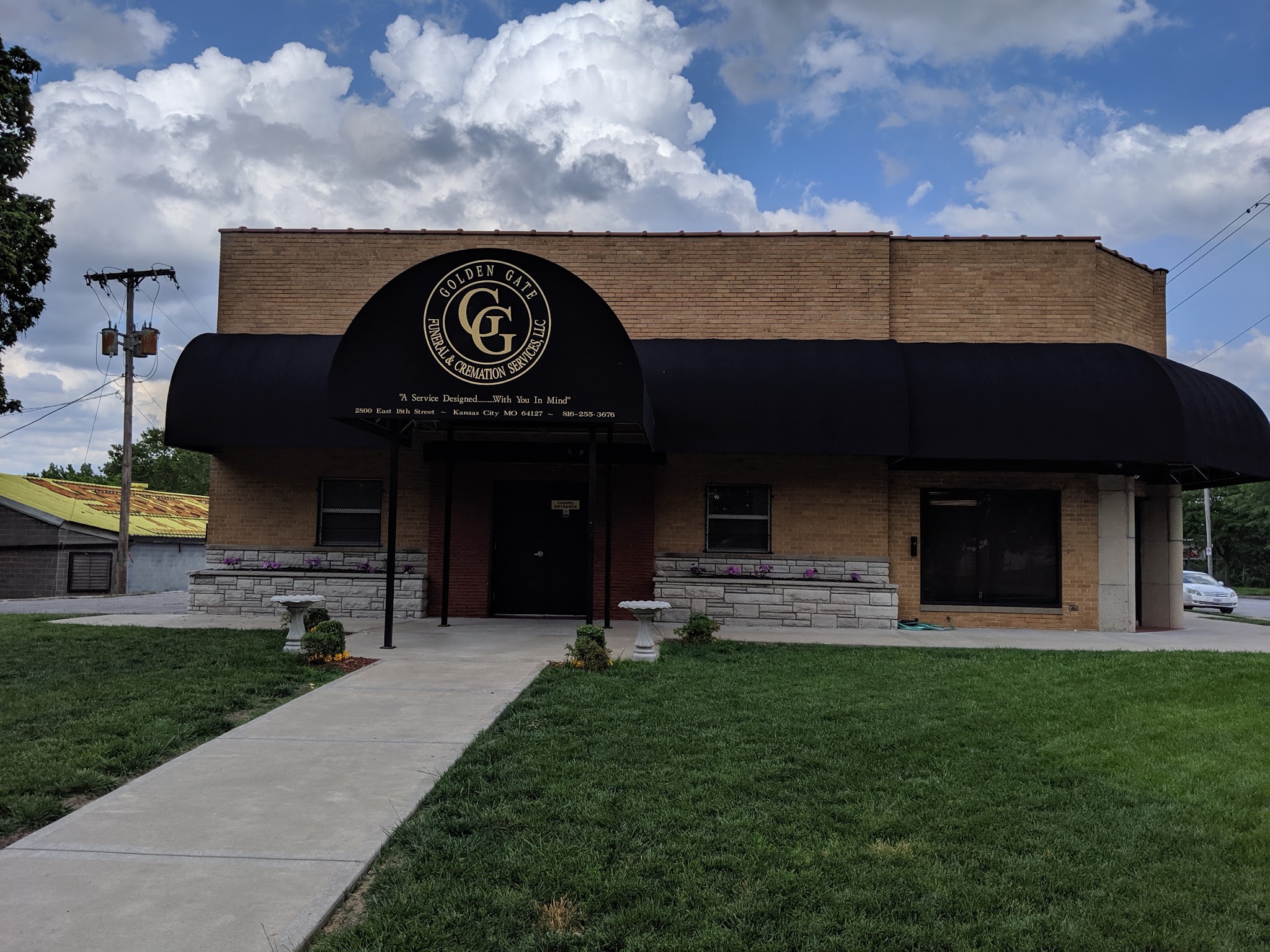
Golden Gate Funeral Home and Crematory provides comprehensive end-of-life care, combining traditional funeral services with on-site cremation capabilities to ensure seamless oversight of the deceased. Families utilizing these facilitie...
Golden Gate Funeral Home and Crematory provides comprehensive end-of-life care, combining traditional funeral services with on-site cremation capabilities to ensure seamless oversight of the deceased. Families utilizing these facilities gain the advantage of a single-provider workflow, which reduces the logistical burden of transporting remains between different service providers during a period of bereavement.
Contents
Core Operational Model of On-Site Crematory Facilities
The integration of a funeral home with an internal crematory is a critical distinction in the death care industry. By maintaining an in-house crematory, Golden Gate Funeral Home maintains direct chain-of-custody protocols from the moment of intake through the final processing of cremated remains. This vertical integration allows for faster scheduling and greater peace of mind for families, as the remains do not leave the premises until the final urn is returned to the next of kin.
In 2026, regulatory standards for crematories are strictly enforced to ensure environmental compliance and respectful handling. Facilities must adhere to state-specific board of funeral directors and embalmers requirements, which include:
- Comprehensive logging of all intake and release procedures.
- Strict maintenance schedules for combustion chambers to ensure emissions remain within state-mandated air quality standards.
- Mandatory verification systems, such as non-combustible metal identification tags, that remain with the remains throughout the entire process to ensure the accuracy of the final returns.
Navigating the Decision Between Traditional Burial and Cremation
Choosing between burial and cremation involves significant financial and personal considerations. While traditional burial often involves costs related to casket purchase, grave liners, and perpetual care fees for cemetery plots, cremation is frequently chosen for its flexibility and cost-effectiveness.
Funeral Planning Considerations
Service Customization Cremation does not preclude a traditional funeral service. Families may hold a viewing or a full-body memorial service prior to the cremation process, allowing for the same level of emotional closure as a traditional burial.
Disposition Flexibility Once the cremation process is complete, the remains can be interred in a columbarium, buried in a family plot, kept in a personal urn, or scattered according to local regulations. This provides families with the time to plan a memorial service that aligns with the schedule of distant relatives.
Comparative Analysis of End-of-Life Options
The following table outlines the functional and financial differences generally encountered when planning services at a full-service funeral home and crematory.
| Feature | Traditional Burial | Cremation Service |
|---|---|---|
| Primary Costs | Casket, Burial Plot, Vault, Grave Opening | Cremation Fee, Urn, Processing |
| Timeline | Typically 3-7 days post-death | Flexible; often 48-72 hours for processing |
| Memorialization | Headstone or Monument | Urn, Keepsakes, or Columbaria |
| Logistics | Requires Cemetery Coordination | Handled In-House via Crematory |
Regulatory Requirements and Documentation in 2026
Executing the final arrangements requires precise documentation. Regardless of the choice of disposition, the legal requirements are stringent and must be satisfied before any service can commence. As of 2026, the essential documents include:
- Death Certificate: This is the primary legal document, signed by a physician or medical examiner, confirming the cause and time of death.
- Disposition Permit: Issued by the local registrar or health department, this permit authorizes the funeral home to proceed with either cremation or burial.
- Cremation Authorization Form: This is a specific legal document signed by the next-of-kin or the legally authorized person, granting the funeral home explicit permission to perform the cremation.
- Veteran Records (if applicable): For those seeking military honors or burial in a national cemetery, a DD214 form is required to verify service eligibility.
Addressing Common Family Concerns Regarding Cremation
Many families approach the idea of an on-site crematory with questions regarding the integrity of the process. Professional funeral homes operate under strict ethical guidelines. Families are entitled to ask about the identification process and may often arrange to witness the commencement of the cremation if it provides them with the necessary emotional assurance.
Frequently Asked Questions
What happens to the cremated remains after the process is finished? Once the cremation is complete and the remains are processed, they are returned in a standard temporary container or an urn chosen by the family. The funeral director will coordinate a pickup time or arrange for the delivery of the remains to a specified location.
Can I have a funeral service before the cremation? Yes, holding a traditional service with the body present is common. This allows for a viewing, which many mental health professionals suggest is beneficial for the grieving process, followed by the transport of the deceased to the on-site crematory.
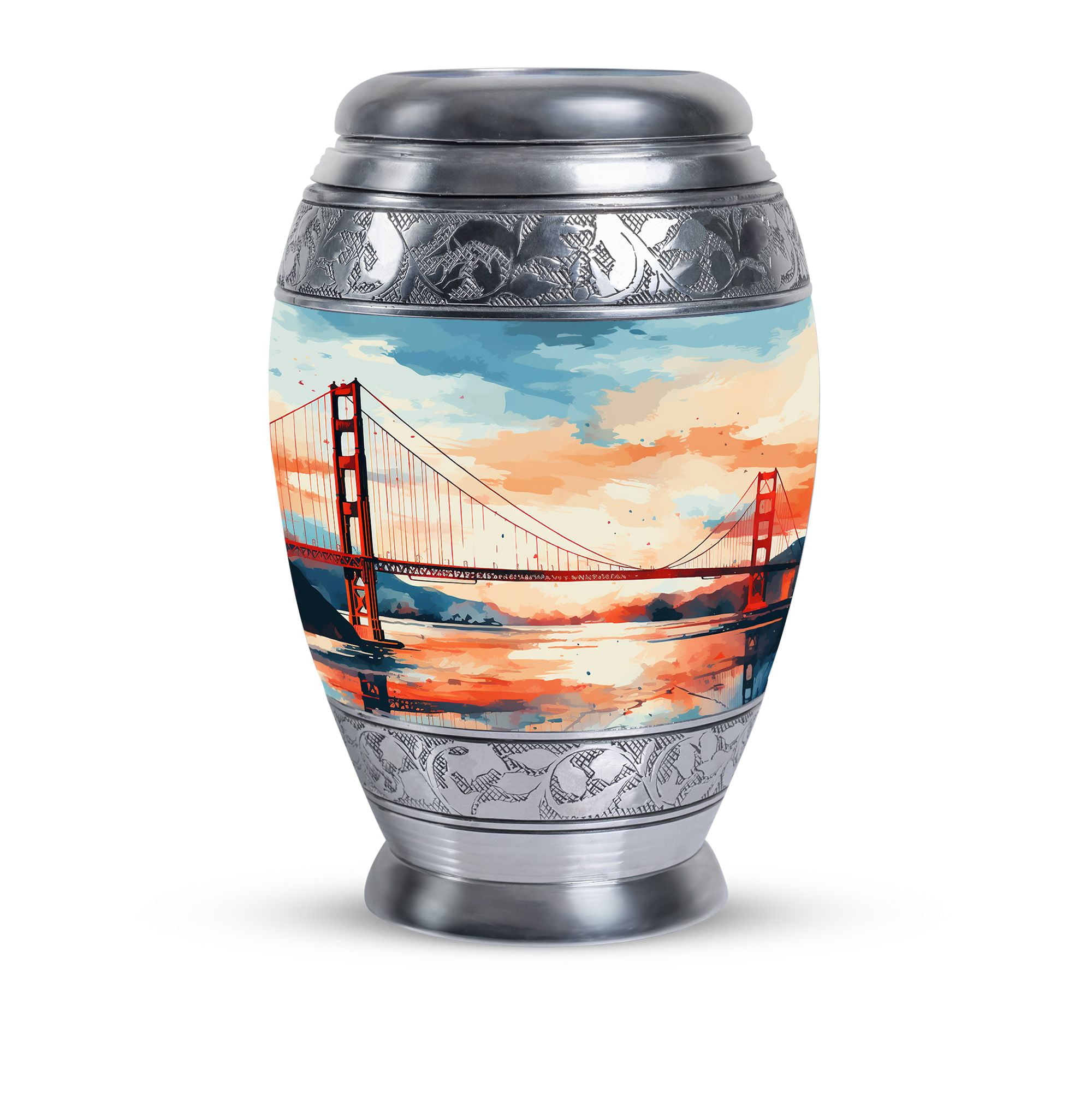
Is it necessary to buy a casket for cremation? No, a full-sized burial casket is not required for cremation. However, a combustible alternative container, often made of rigid cardboard or unfinished wood, is required to facilitate the respectful and efficient handling of the deceased during the cremation process.
How does the facility ensure the remains are those of my loved one? Funeral homes utilize a robust tracking system, starting with an assigned identification disc that stays with the individual through every stage of the process, from the intake room to the final sealing of the urn.
Are there restrictions on where I can scatter ashes? While cremation offers flexibility, you must respect private property laws and local ordinances. In 2026, most public lands and municipal parks have specific rules regarding the scattering of ashes, and it is advisable to check with local environmental authorities before finalizing plans.
Professional Guidance for Final Arrangements
Engaging with a licensed funeral director allows families to navigate the emotional and administrative hurdles of death care with professional support. When selecting a service provider, prioritize firms that demonstrate transparency in their general price list (GPL), which they are legally required to provide upon request.
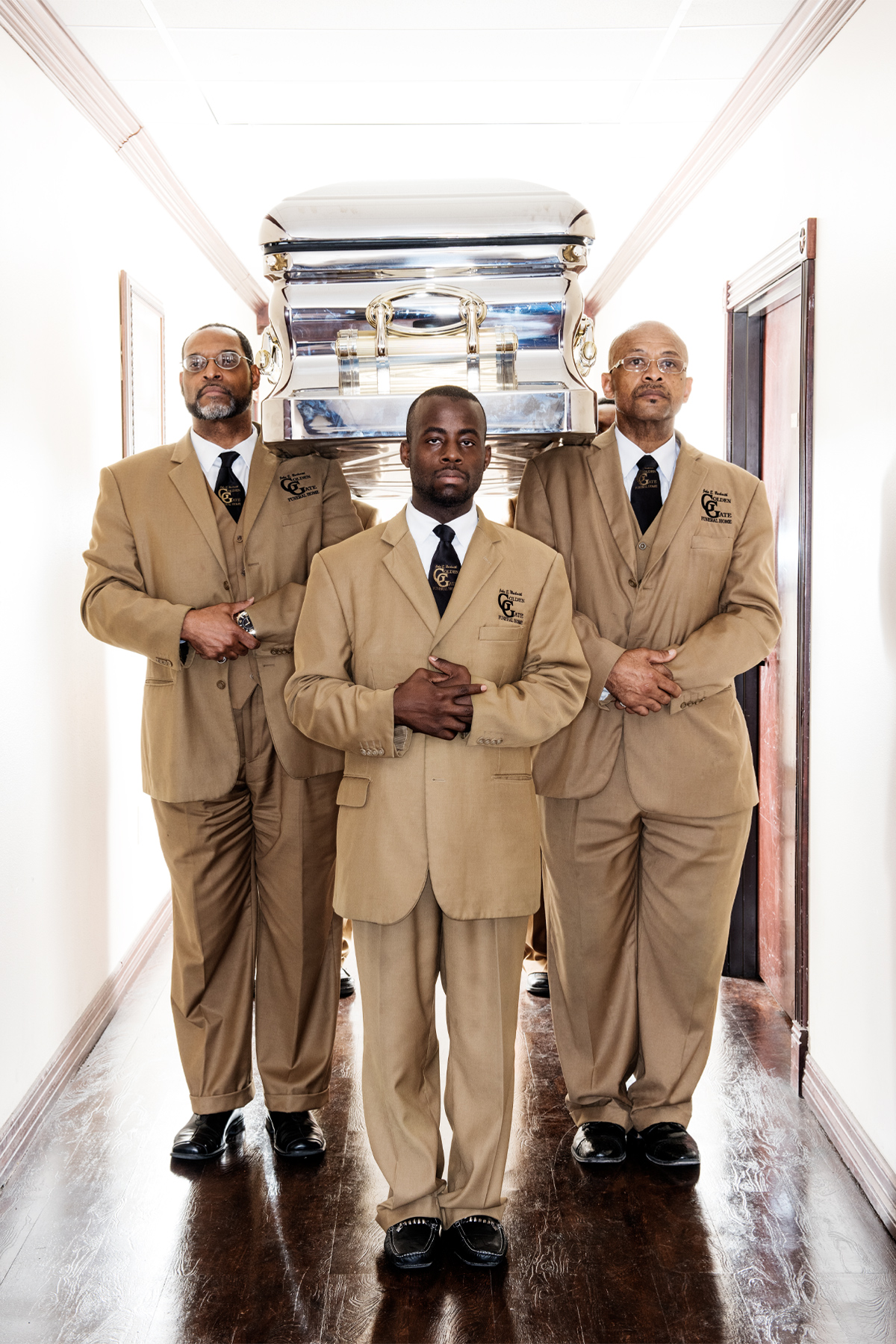
The role of the funeral home is not merely to handle the physical disposition of the deceased, but to serve as a counselor and coordinator. From securing death certificates and notifying Social Security to managing the intricacies of obituary placement and service logistics, the staff at a professional crematory ensures that the family’s focus remains on mourning and remembering their loved one rather than managing paperwork.
If you are planning for an immediate need or considering pre-arrangements for 2026, contact a local funeral director to discuss your preferences. Detailed pre-planning can lock in current costs and prevent the additional stress of decision-making during a future period of loss.
Image Gallery