How to Buy a Top-Level Domain in 2026: A Comprehensive Guide
To buy a domain name under a Top-Level Domain (TLD), you must search an ICANN-accredited registrar for availability, provide contact information, and pay an annual registration fee. If you intend to own an entire TLD extension (e.g., ....
To buy a domain name under a Top-Level Domain (TLD), you must search an ICANN-accredited registrar for availability, provide contact information, and pay an annual registration fee. If you intend to own an entire TLD extension (e.g., .brand), you must apply through ICANN’s New gTLD Program, which requires significant financial capital and technical infrastructure.
Contents
The landscape of web identity has evolved significantly by 2026. While the process of securing a standard address remains straightforward, the strategic value of specific extensions and the opportunity to own proprietary namespaces have created a tiered market. Understanding the distinction between registering a domain within an existing TLD and owning the TLD itself is the first step for any business or individual looking to establish a robust online presence.
Understanding Top-Level Domains (TLDs) vs. Domain Names
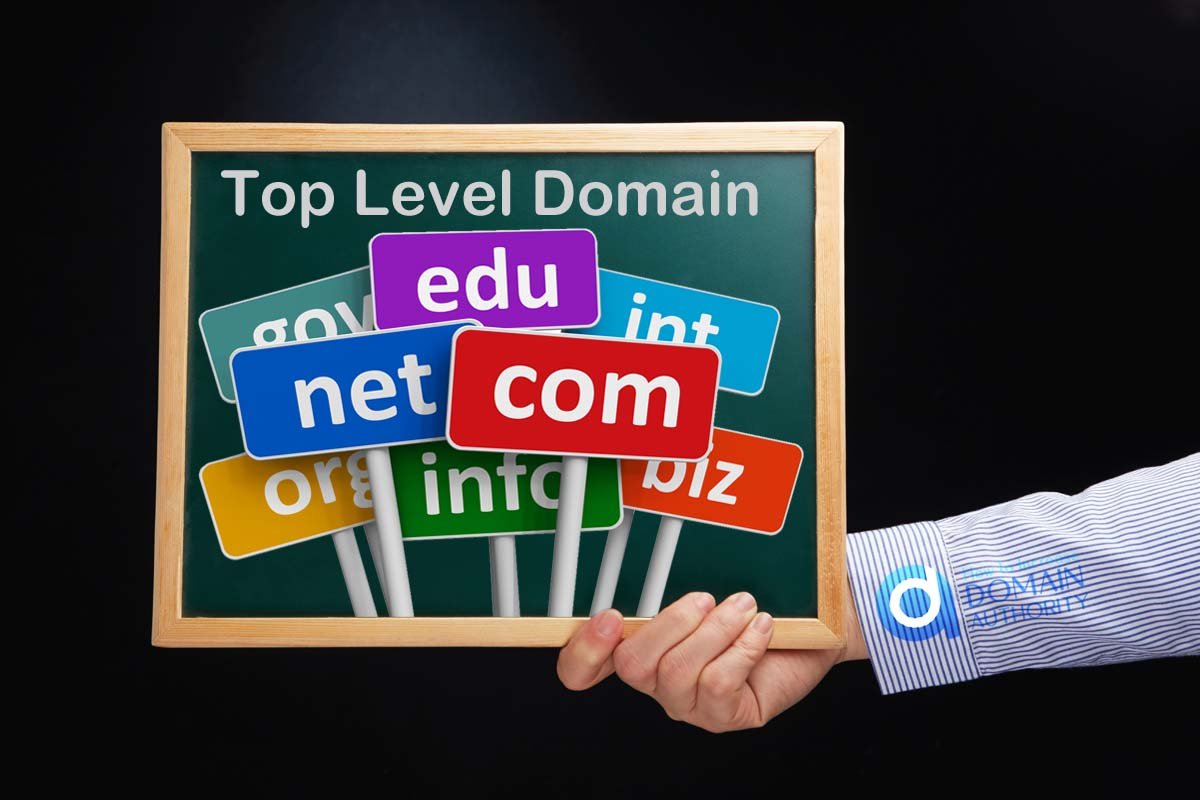
Before initiating a purchase, it is essential to distinguish between the various components of the Domain Name System (DNS). A Top-Level Domain (TLD) is the final segment of a URL, located to the right of the last dot. Familiar examples include .com, .org, and .net. A Second-Level Domain (SLD) is the unique name to the left of the TLD, such as "example" in "example.com."
TLDs are categorized into three primary groups:
- gTLDs (Generic Top-Level Domains): These are the most common extensions. While historically limited to a few options, there are now over 1,200 gTLDs available, ranging from industry-specific terms like .photography to lifestyle terms like .luxury.
- ccTLDs (Country Code Top-Level Domains): These are reserved for specific countries or territories, such as .uk (United Kingdom) or .jp (Japan). Some, like .ai (Anguilla) or .co (Colombia), have been repurposed for global tech and commercial use.
- sTLDs (Sponsored Top-Level Domains): These are restricted to specific entities or communities, such as .gov for the U.S. government or .edu for accredited post-secondary institutions.
When most people speak of "buying a TLD," they are usually referring to registering a domain name within one of these categories. However, for large enterprises, "buying a TLD" can also mean the multi-year process of becoming a Registry Operator for a brand-specific extension.
The Process of Registering a Domain Name (Standard Intent)
For 99% of users, buying a domain involves the Registrar-Registry-Registrant model. The Registry (like Verisign for .com) manages the master database, while the Registrar (like Namecheap or Google Domains) sells individual names to you, the Registrant.
1. Selecting an ICANN-Accredited Registrar
The choice of registrar impacts your long-term costs, security, and ease of management. In 2026, prioritize registrars that offer two-factor authentication (2FA), clear renewal pricing, and integrated DNSSEC support. Avoid registrars that lure customers with $0.99 first-year rates but charge $40.00 for renewals.
2. Verification of Availability and "Premium" Status
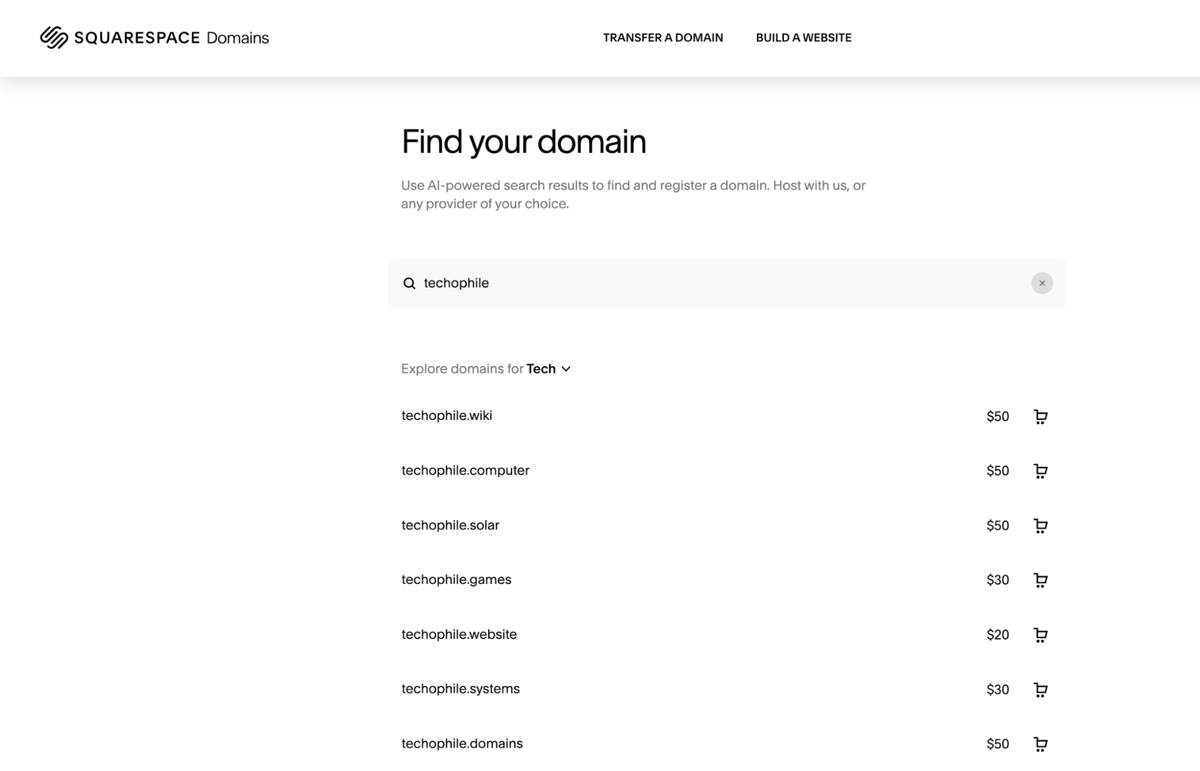
Upon entering your desired name into a search tool, you may find it is "taken," "available," or "premium." A premium domain is one that the registry or a previous owner has flagged as high-value. These often carry a high one-time acquisition cost, though the annual renewal usually reverts to standard rates. If your preferred .com is unavailable, the current market encourages looking toward relevant gTLDs like .solutions or .tech, which often offer better availability for short, memorable names.
3. Registration Requirements and Data Privacy
To finalize the purchase, you must provide valid contact information. Under 2026 data privacy standards, most registrars include WHOIS privacy by default. This masks your personal name, address, and phone number from the public WHOIS database, preventing spam and protecting your identity. Note that some ccTLDs have stricter residency requirements; for instance, you may need to prove a physical presence in the European Union to register a .eu domain.
How to Acquire a New gTLD Extension (The Registry Path)
If your objective is to "buy" an entire TLD—becoming the owner of an extension like .yourcompany—the process is radically different and far more expensive. This is managed through the Internet Corporation for Assigned Names and Numbers (ICANN).
ICANN Application Rounds
ICANN does not sell TLDs on a daily basis. Instead, they open "rounds" for new gTLD applications. As of 2026, the industry is navigating the long-anticipated "Next Round" of applications. These windows are rare, often occurring more than a decade apart. Applying for a TLD during these rounds is a corporate-level commitment.
Technical and Financial Thresholds
The barrier to entry for owning a TLD is deliberately high to ensure the stability of the global DNS.
- Evaluation Fees: Historically, application fees have been approximately $185,000 USD, though these are subject to adjustment in the 2026 cycle.
- Operational Requirements: You must demonstrate the technical ability to run a registry or contract with a Backend Registry Service Provider (like GoDaddy Registry or Identity Digital).
- Ongoing Costs: Registries must pay annual ICANN fees and maintain a "thick" WHOIS database, costing tens of thousands of dollars annually regardless of how many domains are registered under the TLD.
Comparing Costs and Features
The following table outlines the expected financial and administrative commitments for different types of domain acquisitions in 2026.
| Acquisition Type | Typical Initial Cost | Annual Renewal | Difficulty Level | Best Use Case |
|---|---|---|---|---|
| Standard .com | $12 – $20 | $12 – $20 | Very Low | General business and global brands. |
| Specialized gTLD (.ai, .app) | $30 – $100 | $30 – $100 | Low | Tech startups and niche applications. |
| Premium Aftermarket | $2,000 – $50,000+ | Standard ($15) | Medium | Acquiring established or high-traffic names. |
| Restricted ccTLD (.jp, .ca) | $10 – $50 | $10 – $50 | Medium | Localized operations requiring residency. |
| Brand TLD (.brand) | $185,000+ (App) | $25,000+ | Very High | Global enterprises seeking total ecosystem control. |
Technical Considerations: DNS, Security, and Privacy
Buying the domain is only the first step; securing it is what ensures its longevity. In 2026, several technical standards have moved from "recommended" to "essential."
Implementing DNSSEC
DNS Security Extensions (DNSSEC) add a layer of digital signatures to your DNS records. This prevents "DNS spoofing" or "man-in-the-middle" attacks where hackers redirect your visitors to a fraudulent site. Most modern registrars allow you to enable this with a single click, but it must be supported by both the registrar and your hosting provider.
Registry Lock
For high-value domains, a Registry Lock provides the highest level of security. It requires a manual, out-of-band verification from the registry before any changes (like transferring the domain to another registrar) can be made. This is the primary defense against "domain hijacking," a common threat for valuable digital assets.
Understanding the UDRP and Trademark Clearinghouse
When you buy a domain, you do not "own" it in the way you own physical property; you lease the right to use it. If you register a domain that infringes on a trademark (e.g., buy-apple-iphones.com), the trademark holder can file a Uniform Domain-Name Dispute-Resolution Policy (UDRP) claim. In 2026, the Trademark Clearinghouse (TMCH) remains a vital resource for brand owners to protect their marks across the hundreds of available gTLDs.
Common Pitfalls and How to Avoid Them
The domain market is fraught with minor errors that can lead to the loss of a digital identity.
- Failure to Auto-Renew: Always keep a valid credit card on file and enable auto-renewal. If a domain expires, it enters a "Redemption Grace Period" where the cost to reclaim it can be ten times the original registration fee.
- Registrar Hopping for Price Alone: Moving a domain to save $2 a year can lead to technical downtime if the DNS records are not migrated correctly. Prioritize support and uptime over the lowest possible price.
- Ignoring the Admin Email: Your registrar will send mandatory verification emails. If these are ignored, ICANN rules require the registrar to suspend the domain, effectively taking your website and email offline.
Frequently Asked Questions
Can I buy a TLD like .google or .com for myself?
You cannot buy an existing TLD like .com; it is owned and operated by Verisign. However, you can apply for your own new TLD (e.g., .yourname) during an official ICANN application round. This requires a six-figure application fee and proof of technical infrastructure. For individual use, it is far more practical to register a domain name under an existing TLD.
What is the difference between a domain and a TLD?
A TLD is the extension (the part after the dot, like .org). A domain is the full address (like example.org). When you buy a "domain," you are renting a specific name within a TLD for a set period, usually one to ten years.
How do I buy a domain that someone else already owns?
If a domain is already registered, you can attempt to buy it through the "aftermarket." You can use a domain broker or platforms like Sedo or Afternic. You can also look up the owner via WHOIS (if not private) and make an offer directly. Be prepared to pay significantly more than the standard $15 registration fee.
Are new gTLDs bad for SEO in 2026?
No. Search engines like Google have stated repeatedly that they treat all gTLDs equally for ranking purposes. A .com does not inherently rank higher than a .tech or .solutions domain. However, user behavior matters; if users find a .com more trustworthy, they may click it more often, which indirectly aids SEO through higher click-through rates (CTR).
What happens if my registrar goes out of business?
ICANN has safeguards in place for this scenario. If a registrar fails, ICANN typically facilitates the transfer of all registered domains to a healthy registrar. Your domain ownership is protected by the registry, which sits above the registrar in the hierarchy.
Practical Recommendation
For the majority of users, the most effective path is to register a domain under a reputable gTLD. Start by listing three to five keyword-rich names. Use an ICANN-accredited registrar to check availability across .com, .net, and at least two relevant newer extensions like .io or .biz. If you are a large corporation looking to revolutionize your digital branding, consult with a specialized DNS consultancy to prepare for the next ICANN New gTLD application window, ensuring you have the necessary $200,000+ budget and technical documentation ready at least 12 months in advance.
Image Gallery