The Chipola College Nursing Program Overview: Pathways, Requirements, and Clinical Training
The Chipola College Nursing Program provides structured educational pathways—including both the Associate Degree in Nursing (ADN) and the Bachelor of Science in Nursing (BSN) transition options—designed to prepare students for professi...
The Chipola College Nursing Program provides structured educational pathways—including both the Associate Degree in Nursing (ADN) and the Bachelor of Science in Nursing (BSN) transition options—designed to prepare students for professional licensure, rigorous clinical environments, and career advancement in healthcare.
Contents
Introduction to Chipola College Nursing Education
Navigating the healthcare education landscape requires a clear understanding of institutional offerings, admission standards, and curriculum pathways. Located in Marianna, Florida, Chipola College serves the Florida Panhandle by offering accredited nursing programs that address regional and national healthcare workforce needs. The nursing department balances theoretical classroom instruction with hands-on simulation laboratories and supervised clinical rotations.
Whether a candidate is entering the field for the first time as a registered nurse (RN) or an experienced nurse looking to complete a registered nurse to bachelor of science in nursing (RN-to-BSN) degree, Chipola provides structured avenues. This overview outlines the core program tracks, prerequisite structures, admission metrics, tuition considerations, and professional expectations for prospective students.
Program Pathways: ADN and RN-to-BSN Options
Chipola College primarily supports two distinct nursing tracks tailored to different educational milestones. Understanding the differences between these options helps applicants choose the track that aligns with their current professional standing and long-term career goals.
Associate Degree in Nursing (ADN)
The Associate Degree in Nursing is a pre-licensure program designed to prepare students to take the National Council Licensure Examination for Registered Nurses (NCLEX-RN).
- Duration: Typically completed in two years of full-time study after prerequisite coursework is fulfilled.
- Curriculum Focus: Foundational nursing concepts, pharmacology, health assessment, mental health nursing, pediatric nursing, and maternal-child care.
- Clinical Experience: Students complete supervised clinical hours in regional hospitals, long-term care facilities, and community health agencies.
Registered Nurse to Bachelor of Science in Nursing (RN-to-BSN)
The RN-to-BSN track is an online-friendly program designed for working registered nurses who hold an active, unencumbered RN license and wish to elevate their credentials.
- Flexibility: Delivered primarily through distance learning formats to accommodate professional work schedules.
- Curriculum Focus: Leadership, healthcare policy, evidence-based practice, community health nursing, and healthcare informatics.
- Career Impact: Prepares graduates for leadership roles, specialized hospital units, and graduate-level nursing education.
Admission Requirements and Prerequisites
Admission to the Chipola College nursing programs is competitive and selective, governed by capacity limits in clinical rotation sites and regulatory accreditation standards. Meeting minimum thresholds does not guarantee admission.
Academic Prerequisites
Before applying to the core nursing tracks, candidates must complete specific general education and science prerequisites. Common requirements include:
- Anatomy and Physiology I and II with corresponding labs.
- Microbiology with lab.
- College-level mathematics and English composition.
- Human growth and development or general psychology.
Entrance Testing and GPA Minimums
Applicants must typically submit standardized entrance exam scores, such as the Test of Essential Academic Skills (TEAS), alongside maintaining a competitive cumulative grade point average (GPA) in prerequisite coursework. Background checks, drug screenings, and immunization verifications are mandatory upon acceptance due to clinical agency regulations.
Curriculum Structure and Clinical Training
The academic framework at Chipola integrates classroom theory with practical application. Nursing education relies heavily on progressive skill acquisition, where students transition from basic patient care concepts in a controlled laboratory setting to complex clinical decision-making in active healthcare environments.
Simulation and Skills Labs
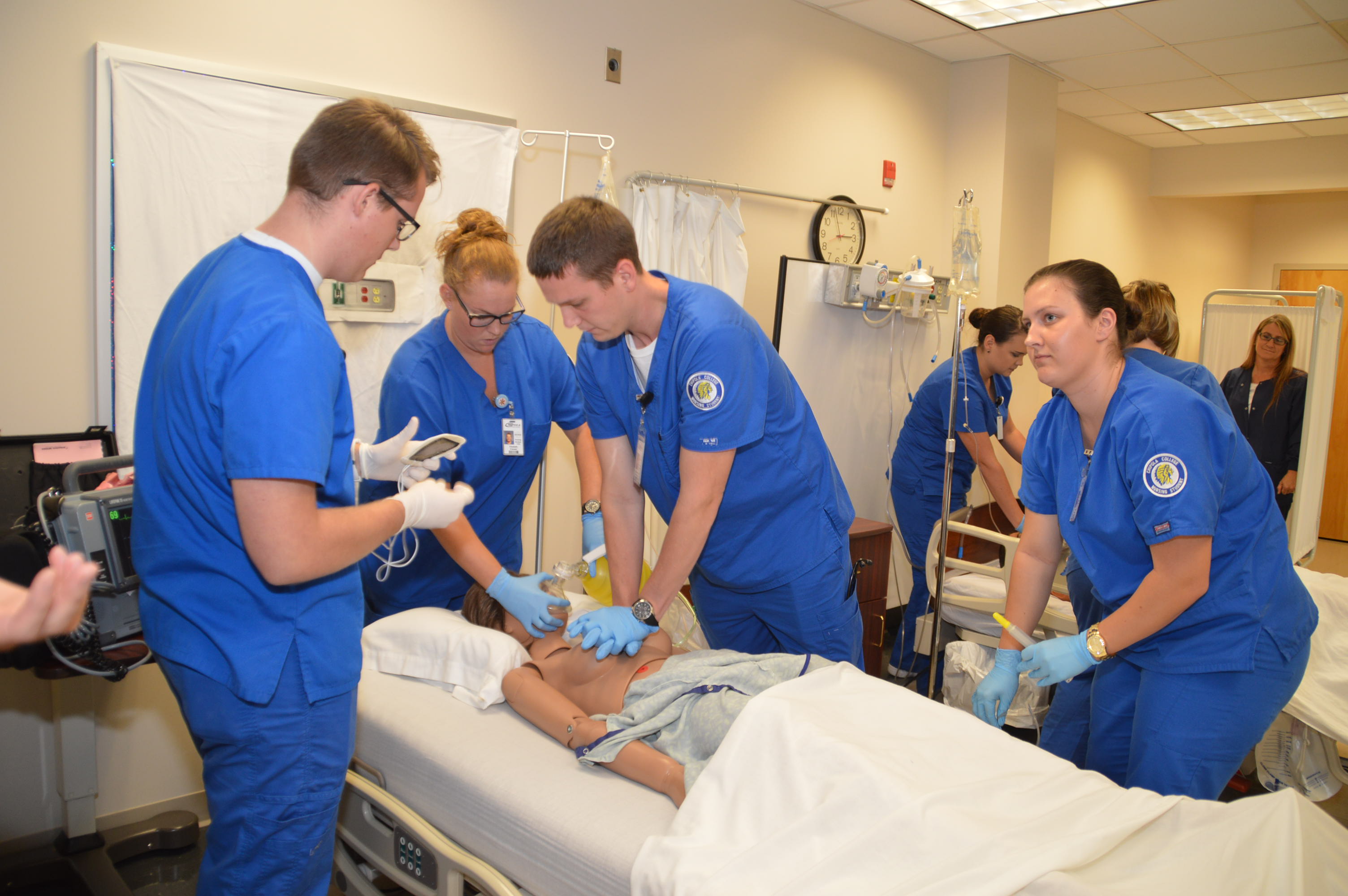
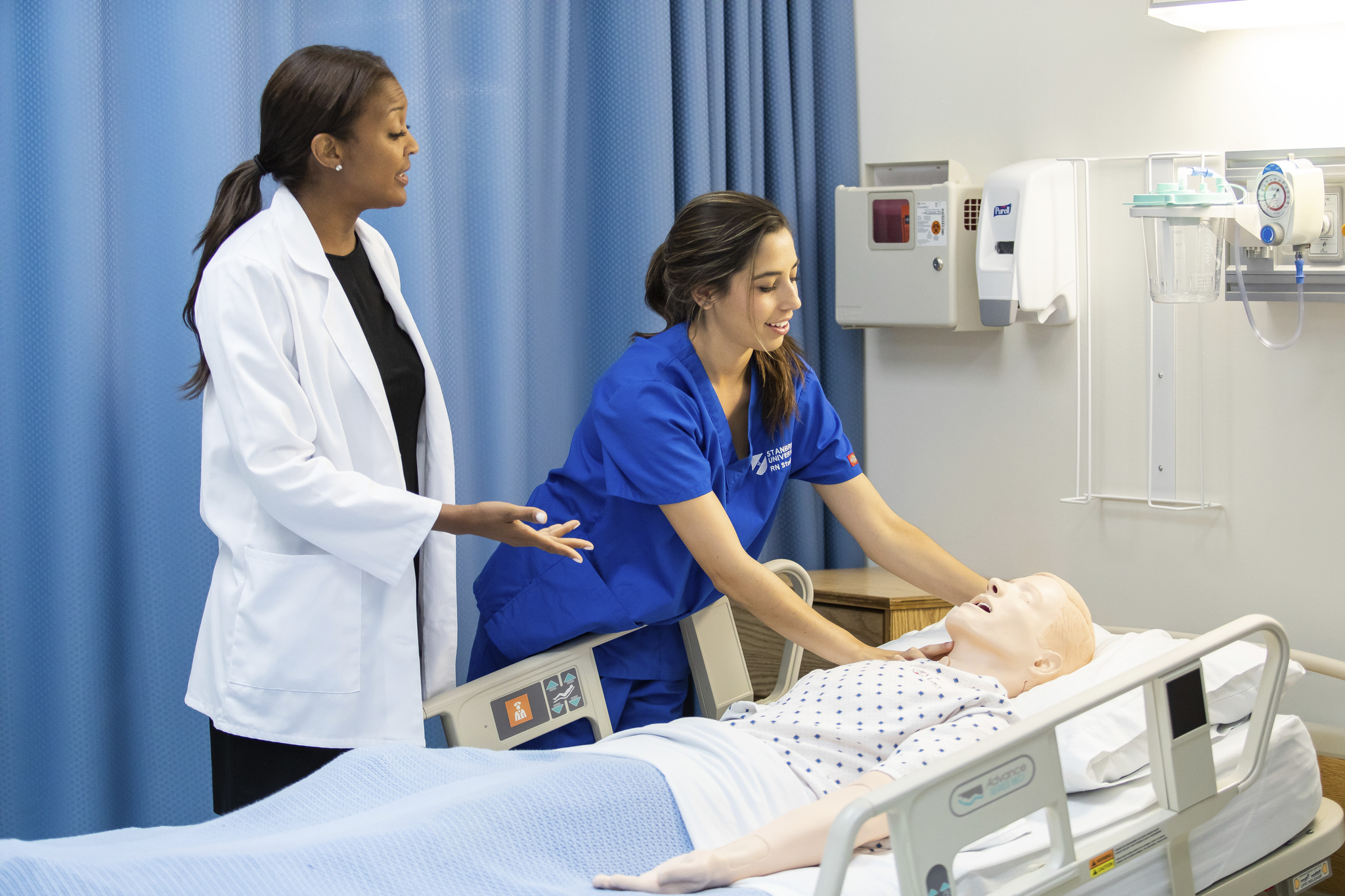
Before entering external hospitals or clinics, students practice procedures in high-fidelity simulation laboratories. These facilities use computerized mannequins to simulate emergency scenarios, allowing students to develop critical thinking, communication, and technical proficiency without risking patient safety.
Clinical Rotations
Clinical partnerships with regional healthcare providers expose students to diverse patient populations. Under the supervision of clinical instructors and qualified preceptors, students practice medication administration, physical assessments, care planning, and interprofessional collaboration.
Program Comparison: ADN vs. RN-to-BSN
Reviewing the structural and professional differences between Chipola's core nursing tracks helps clarify which path suits an applicant's current career stage.
| Program Feature | Associate Degree in Nursing (ADN) | RN-to-BSN Track |
|---|---|---|
| Target Audience | Initial entry-level students seeking RN licensure | Licensed Registered Nurses seeking a bachelor's degree |
| Delivery Format | On-campus lectures, labs, and regional clinical sites | Primarily online coursework with applied projects |
| Primary Goal | Pass the NCLEX-RN and enter professional practice | Advance clinical leadership, policy knowledge, and education |
| Prerequisites | General sciences, math, English, and entrance exams | Active, unencumbered RN license and associate degree |
Financial Considerations, Costs, and Support
Investing in a nursing education involves evaluating tuition rates, fees, books, uniforms, and indirect living expenses. As a state college in Florida, Chipola offers competitive tuition rates for in-state residents, alongside higher out-of-state tuition structures.
- Financial Aid: Students may apply for federal financial aid through the Free Application for Federal Student Aid (FAFSA), institutional scholarships, and state-funded grants.
- Additional Expenses: Nursing students should budget for specialized equipment, including stethoscopes, uniforms, background checks, liability insurance, and board review materials.
- Support Services: The college provides academic advising, tutoring centers, and career counseling to help students manage the academic rigor of nursing coursework.
Frequently Asked Questions
What is the accreditation status of the Chipola College nursing program?
The nursing programs at Chipola College maintain approval from the Florida Board of Nursing and hold appropriate regional accreditation through the Southern Association of Colleges and Schools Commission on Colleges (SACSCOC), ensuring graduates meet legal requirements for licensure and professional practice.
Can I work while enrolled in the ADN program?
While some students maintain part-time employment, the demanding schedule of lectures, lab hours, and clinical rotations makes full-time employment challenging during the core nursing semesters. Time management is critical for success.
What happens if I do not pass the TEAS exam on the first attempt?
Chipola College policies generally allow students to retake entrance exams after a specified waiting period. Applicants should consult the current nursing application packet for specific remediation and re-testing guidelines.
Are clinical rotations scheduled on weekends or evenings?
Yes. Depending on clinical site availability and cohort scheduling, students may be assigned to evening, night, or weekend clinical shifts to gain comprehensive healthcare experience.
How does the RN-to-BSN program accommodate working nurses?
The RN-to-BSN curriculum is structured with working professionals in mind, utilizing flexible online modules that allow nurses to balance shifts at healthcare facilities while completing their bachelor's degree requirements.
Next Actions and Recommendations
Prospective students should begin by reviewing the official Chipola College nursing web pages to download the most current application packet and checklist. Meeting with an academic advisor early ensures that prerequisite courses are completed in the correct sequence, preventing delays in the competitive application cycle. Preparing for entrance exams and scheduling required health screenings well in advance will streamline the transition into the program.
Image Gallery