The Shifting Landscape of Lima Neighborhoods: A Guide to Urban Transformation
The urban structure of Lima is currently defined by significant shifts in residential demand, commercial development, and infrastructural integration. Driven by new transit projects and shifting demographic preferences, districts like...
The urban structure of Lima is currently defined by significant shifts in residential demand, commercial development, and infrastructural integration. Driven by new transit projects and shifting demographic preferences, districts like Miraflores, San Isidro, and Barranco are evolving alongside emerging residential hubs in Magdalena del Mar and Jesús María, creating a multifaceted real estate environment for investors and residents alike.
Contents
Understanding Lima’s Evolving Urban Fabric
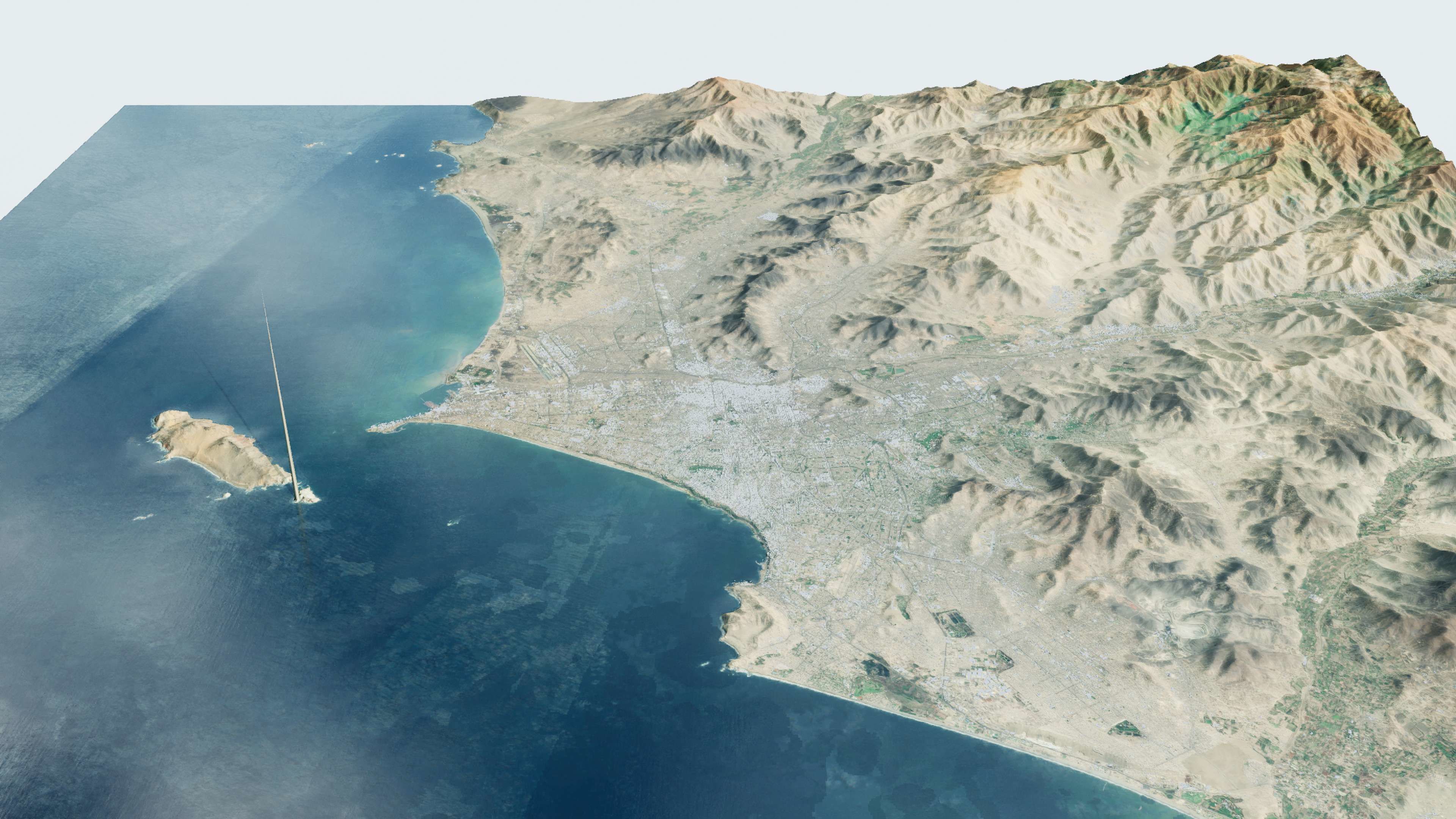
Lima, the capital of Peru, is not a monolithic city but a sprawling network of 43 districts, each with its own socioeconomic character. As of 2026, the city is experiencing a maturation phase where "traditional" elite neighborhoods are densifying, while formerly secondary districts are becoming primary focal points for middle-class growth. This shift is not merely cosmetic; it is fundamentally tied to the expansion of the metropolitan transportation network and the rising demand for walkable, mixed-use urban spaces.
The historical center remains the administrative heart, but residential migration has moved steadily toward the coastline and internal corridors connected by the Metro and the Metropolitano bus rapid transit (BRT) system. Understanding these shifts requires looking at the interplay between land use regulations, the influx of high-density residential projects, and the prioritization of transit-oriented development (TOD).
Core Neighborhood Dynamics: 2026 Status
The real estate market in Lima is stratified by altitude (cliffs vs. inland) and proximity to the Pacific Ocean. However, recent infrastructure improvements have begun to mitigate the traditional premium placed solely on coastal proximity.
The Mature Coastal Districts (Miraflores, San Isidro, Barranco)
These districts have reached a saturation point regarding horizontal land availability. Development here is now exclusively vertical. The shifting landscape in these areas is defined by the conversion of aging houses into luxury residential towers.
- Miraflores: Continues to be the primary hub for tourism and high-end retail. The challenge here is balancing historical preservation with the aggressive pace of new construction.
- San Isidro: Acts as the financial nerve center. The neighborhood is witnessing a shift toward "live-work-play" ecosystems where corporate office space is increasingly integrated with boutique luxury apartments.
- Barranco: Maintains its status as the cultural and bohemian heart of the city. While gentrification is a persistent trend, strict heritage laws continue to protect the colonial architecture that makes the area unique.
The Growth Corridors (Magdalena, Jesús María, Lince)
These districts represent the "shifting" aspect of Lima most clearly. Once considered transit zones between the city center and the southern coastal districts, they are now independent residential anchors.
- Magdalena del Mar: Benefiting from the "Costa Verde" expansion, it has become a primary target for young families and professionals who are priced out of Miraflores but desire ocean-adjacent living.
- Jesús María: Known for its high density of parks and proximity to the Cercado de Lima, this district has become the preferred location for mid-range residential development, balancing access to the city’s administrative hubs with residential tranquility.
Comparative Analysis of Key Districts
When assessing the shifting landscape of Lima, it is helpful to categorize districts by their primary development profile. The following table identifies current trends in these key areas.
| District | Development Focus | Key Growth Driver | Investment Profile |
|---|---|---|---|
| San Isidro | Corporate/Luxury | Financial sector presence | Long-term stability |
| Miraflores | Hospitality/Residential | Tourism and high-end services | Premium valuation |
| Magdalena | Mid-range Residential | Coastal access/Connectivity | High appreciation potential |
| Jesús María | High-density Housing | Centrality and green space | Rental demand/Stability |
| Barranco | Boutique/Cultural | Arts and heritage status | Niche/Luxury premium |
Infrastructure as a Catalyst for Change
The physical landscape of Lima is inextricably linked to the Autoridad de Transporte Urbano para Lima y Callao (ATU) projects. The expansion of the Lima Metro Line 2 and the ongoing planning for subsequent lines have acted as multipliers for land value. Neighborhoods that were previously isolated by traffic congestion are now becoming "transit-friendly."
For property investors and prospective residents, the proximity to a major station is no longer just a convenience; it is a primary factor in valuation. The transition from a car-dependent city to one that emphasizes rail connectivity is the most significant structural change occurring in 2026. This shift is prompting developers to favor high-density projects near station hubs, often replacing low-density residential zoning with mixed-use towers.
Navigating Regulatory and Environmental Constraints
The "shifting landscape" is also influenced by environmental and regulatory reality. Lima is located in a high-seismic zone, which dictates modern construction standards. All new developments must adhere to the Reglamento Nacional de Edificaciones (RNE), ensuring that vertical expansion remains safe.
Furthermore, the scarcity of water and the city's unique coastal desert climate are pushing developers toward sustainable architectural practices. Energy-efficient building design and water reclamation systems are becoming standardized selling points in new luxury developments, particularly in San Isidro and Miraflores. Investors should be aware that compliance with these standards is not optional; it is a prerequisite for project approval and long-term asset viability.
Risks and Considerations
While the urban landscape is growing, risks remain. Potential investors should consider:
- Traffic Congestion: Despite infrastructure improvements, the sheer volume of vehicles in Lima continues to impact quality of life in densely populated zones.
- Regulatory Volatility: Changes in municipal zoning laws can occur. It is vital to verify current Plan de Desarrollo Urbano (PDU) status for any specific parcel before committing capital.
- Market Saturation: In certain corridors, the supply of new, high-density residential units is rising rapidly, which may affect rental yields in the short to medium term.
Frequently Asked Questions
1. Which Lima neighborhoods are currently seeing the most significant price appreciation? Magdalena del Mar and Lince are experiencing high appreciation due to their central locations and the influx of new, modern residential developments that offer a more affordable entry point compared to Miraflores.
2. How do I verify the zoning status of a property in Lima? You should request a Certificado de Parámetros Urbanísticos y Edificatorios from the local Municipalidad (district municipality). This official document details what can be built on the property, including height limits and land use.
3. Is it better to buy in a mature district or a growth corridor? Mature districts like San Isidro offer greater stability and prestige, whereas growth corridors like Jesús María often provide higher potential for capital gains due to ongoing urban renewal and infrastructure investment.
4. How does the Metro expansion impact property values? Properties within a 500-meter radius of upcoming or active Metro stations typically see a faster increase in market value due to improved accessibility and the resulting demand for high-density living.
5. Are there restrictions on foreign property ownership in Lima? Foreigners generally have the same rights as Peruvian citizens to own property, provided it is not within 50 kilometers of the border. Always consult with a local notary (Notario) to manage the legal transfer of title.
Strategic Next Steps
If you are evaluating the shifting landscape of Lima for real estate purposes, the most effective next step is to conduct a site-specific "District Audit." Do not rely on general trends. Begin by selecting two target districts, review their specific Plan de Desarrollo Urbano, and cross-reference these with the projected completion dates for public transit infrastructure in those sectors. Engage a local real estate attorney to verify that any prospective property is free of legal encumbrances, as title verification is the most critical step in protecting your investment in the evolving Lima market.
Image Gallery