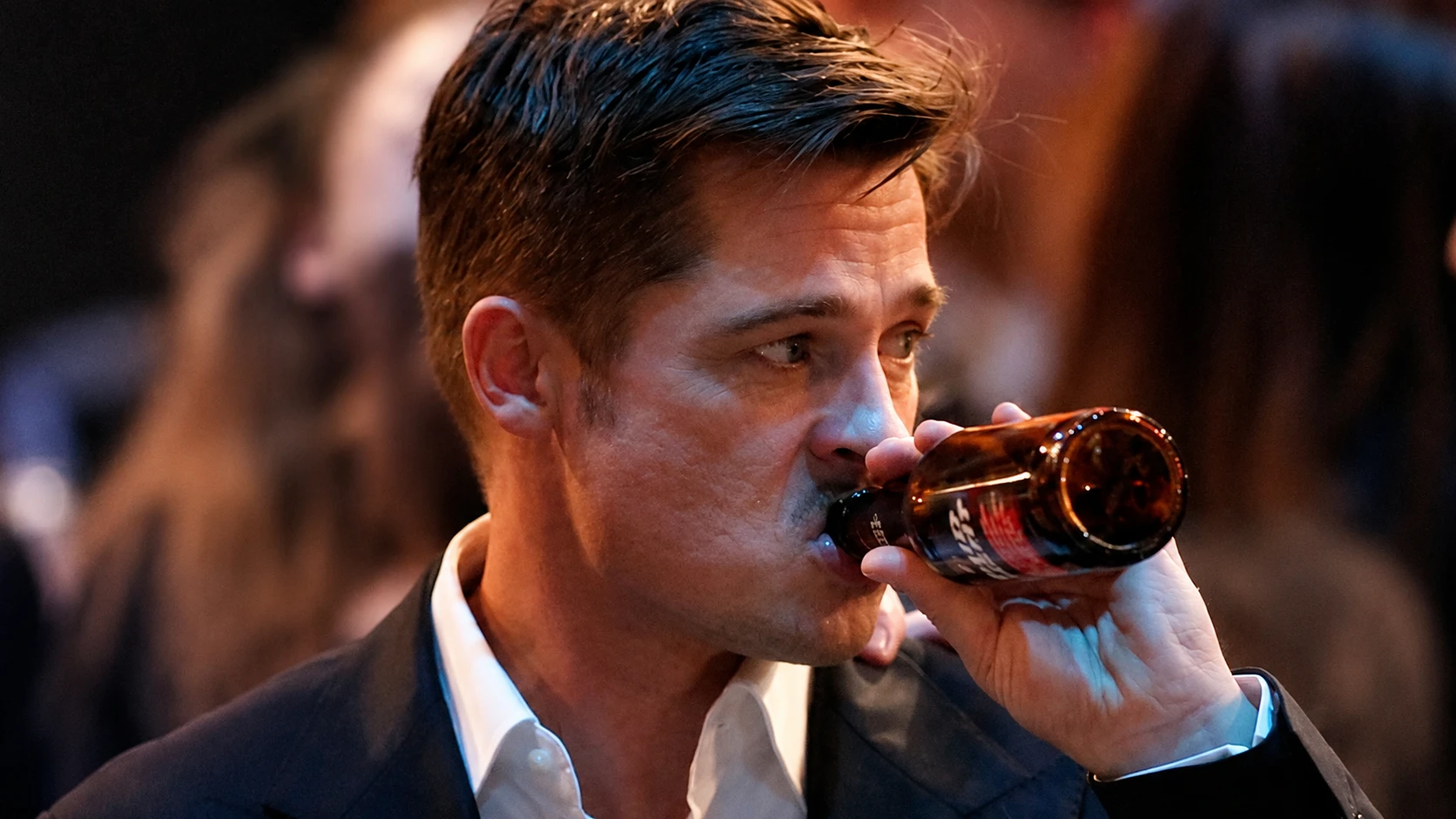
How Long Has Brad Pitt Been Sober? A Timeline of His Recovery Journey
As of 2026, Brad Pitt has been sober for approximately 10 years. His journey toward a substance-free lifestyle began in late 2016, following a high-profile separation from Angelina Jolie. Pitt has since become a vocal advocate for sobr...
As of 2026, Brad Pitt has been sober for approximately 10 years. His journey toward a substance-free lifestyle began in late 2016, following a high-profile separation from Angelina Jolie. Pitt has since become a vocal advocate for sobriety, attributing his transformation to therapy, support groups, and a fundamental shift in his perspective on vulnerability.
Contents
Brad Pitt’s decision to quit drinking was not merely a lifestyle choice but a necessary response to a personal and familial crisis. Since making his sobriety public in 2017, the Oscar-winning actor has been remarkably transparent about the challenges of addiction and the rigor required to maintain long-term recovery. For fans and individuals navigating their own paths to wellness, Pitt’s timeline serves as a significant case study in how public figures manage private struggles while maintaining a high-pressure career in the global spotlight.
The Catalyst for Change: The 2016 Turning Point
The origins of Brad Pitt’s sobriety are inextricably linked to the collapse of his marriage in September 2016. While rumors circulated in the media regarding the causes of the split, Pitt eventually took personal responsibility for his role in the dissolution of the relationship, specifically citing his reliance on alcohol as a coping mechanism.
The most cited incident occurred on a private flight from France to Los Angeles, involving an alleged confrontation that led to the filing for divorce by Angelina Jolie. Following this event, Pitt realized that his habits were no longer sustainable. In his landmark 2017 interview with GQ Style, he admitted that he could "drink a Russian under the table with his own vodka" and had become a "professional" at drinking. This realization marked the official end of his alcohol consumption and the beginning of a decade-long commitment to health.
Pitt described his previous lifestyle as one where he was running away from difficult emotions. For years, he used alcohol and marijuana as a "pacifier," a way to numb the complexities of life and the pressures of fame. The 2016 incident acted as a structural break, forcing him to confront the underlying issues he had been avoiding.
Quantifying the Timeline: How Long Has Brad Pitt Been Sober?
When calculating the duration of Brad Pitt’s sobriety, it is essential to look at the milestones he has shared publicly. While he has not provided a specific "sober anniversary" date, the timeline is clear based on his public statements and the timing of his legal separation.
The Early Stages (2016–2017)
The first year of recovery is often the most volatile. For Pitt, this period involved a total withdrawal from substances and a deep dive into psychological work. By the time his GQ interview was published in May 2017, he had already been sober for several months. He replaced alcohol with cranberry juice and fizzy water, famously stating that he had "the cleanest urinary tract in all of L.A."
The Maintenance Phase (2018–2022)
By 2019, Pitt felt secure enough in his recovery to discuss the mechanics of how he stayed sober. During a profile for The New York Times, he revealed that he had spent a year and a half attending Alcoholics Anonymous (AA). This period was crucial for solidifying his new lifestyle and ensuring that his sobriety was not just a temporary reaction to a crisis, but a permanent shift in his identity.
Reaching the Decade Mark (2023–2026)
As we move through 2026, Pitt has reached the significant 10-year milestone. In the world of recovery, a decade of continuous sobriety is often viewed as a "long-term" success, indicating that the individual has successfully navigated various life stressors—career highs and lows, legal battles, and aging—without returning to old habits.
| Milestone Year | Event or Disclosure | Status |
|---|---|---|
| 2016 | Separation from Angelina Jolie; decision to quit alcohol. | Year 0 |
| 2017 | First public admission of alcohol misuse in GQ Style. | Year 1 |
| 2019 | Disclosure of 18 months spent in Alcoholics Anonymous. | Year 3 |
| 2022 | Discussions regarding the "emotional growth" found in sobriety. | Year 6 |
| 2026 | Reaching the 10-year milestone of continuous sobriety. | Year 10 |
The Process: How Brad Pitt Achieved Sobriety
Brad Pitt did not simply "stop drinking" through willpower alone. He utilized a multi-faceted approach that combined traditional recovery programs with personal creative outlets and professional psychological support.
The Role of Alcoholics Anonymous (AA)
One of the most surprising revelations for the public was Pitt’s involvement in an all-male AA group. For a celebrity of his stature, the risk of privacy breaches is immense. However, Pitt noted that his group was incredibly protective of one another. He described the environment as a "safe space" where there was little judgment.
The anonymity of the program allowed him to peel back the layers of his celebrity persona and address his humanity. He noted that hearing others speak about their struggles in a raw, honest way helped him realize that he wasn't alone in his feelings of inadequacy or pain. This sense of community is a cornerstone of the 12-step philosophy and played a pivotal role in his early success.
Substitution and New Habits
Pitt replaced his "professional-level" drinking with healthier alternatives. He became an advocate for beverage substitution, often seen with sparkling water or fruit juices. Beyond physical substitutes, he turned to artistic endeavors. He spent significant time in his friend Thomas Houseago’s art studio, working with clay, plaster, and wood. This tactile, creative outlet served as a meditative practice, allowing him to process emotions that he previously would have suppressed with a bottle.
The Importance of Therapy
In addition to group support, Pitt has been open about the benefits of individual therapy. He viewed his sobriety as an opportunity to undergo "custodial work" on his own soul. This involved examining his upbringing, his relationship with his children, and his tendency to withdraw emotionally. Therapy provided him with the tools to handle the stress of a multi-year divorce and custody battle without relapsing.
The Impact of Sobriety on His Career and Personal Life
Brad Pitt’s sobriety has had a visible impact on his professional output. Observers have noted a "renaissance" in his acting and producing career post-2016. His performances in films like Ad Astra and Once Upon a Time in Hollywood—the latter of which earned him an Academy Award—showcased a new level of presence and gravitas.
Many critics attributed this to his newfound clarity. In Ad Astra, specifically, he played a character struggling with isolation and the legacy of a distant father, themes that mirrored his own personal reflections. Being sober allowed him to tap into those emotions without being overwhelmed by them.
On a personal level, sobriety has been about "radical honesty." Pitt has spoken about the desire to be a better father and a more "whole" human being. While his relationship with his children has remained a complex and private matter subject to legal proceedings, his commitment to his own health has been a constant throughline.
Brad Pitt’s Public Advocacy for Mental Health
By speaking openly about his recovery, Pitt has contributed to a broader cultural shift regarding male vulnerability. In many cultures, admitting to a "weakness" like addiction is seen as a loss of masculinity. Pitt challenged this notion by framing his sobriety as an act of strength and self-respect.
He has been careful not to present himself as a "guru" or a finished product. Instead, he describes himself as someone who is constantly learning. This humility has made his story more relatable to the millions of people worldwide who struggle with similar issues. He has highlighted that addiction does not discriminate based on wealth, fame, or success; the internal void is a universal human experience.
FAQs About Brad Pitt's Sobriety
Did Brad Pitt go to rehab?
Brad Pitt has not confirmed attending a traditional inpatient residential rehab facility. Instead, he has focused on his participation in Alcoholics Anonymous and extensive outpatient therapy. He chose a path that allowed him to remain present for his professional obligations while committing deeply to group and individual recovery work.
What does Brad Pitt drink instead of alcohol?
In various interviews, Pitt has mentioned his fondness for cranberry juice and fizzy water. He also became a fan of matcha tea. The transition to non-alcoholic beverages was a key part of his early recovery strategy to manage the "ritual" of having a drink in his hand during social or stressful situations.
Has Brad Pitt ever relapsed since 2016?
There have been no verified reports or public admissions of a relapse since he began his sobriety journey in late 2016. Pitt has remained consistent in his messaging about being substance-free, often referencing the ongoing benefits of his clear-headed lifestyle in interviews conducted throughout the early 2020s and into 2026.
Why did Brad Pitt decide to talk about his sobriety?
Pitt stated that he didn't want to live with secrets anymore. He found that being honest about his struggles was a way to take the power away from the shame he felt. By speaking publicly, he also hoped to help others who might be struggling with the same "pacifying" behaviors he once relied on.
Is Brad Pitt still in AA?
While Pitt has not provided daily updates on his attendance, he has spoken about the 18 months he spent in the program as being transformative. Whether he still attends meetings or uses the "tools" he learned there, he continues to credit the 12-step philosophy with helping him find a community of support when he needed it most.
Summary of Next Steps for Those Seeking Help
Brad Pitt’s decade of sobriety demonstrates that long-term change is possible even under the most scrutinized circumstances. For those looking to follow a similar path, the following steps are generally recommended by recovery experts:
- Acknowledge the Problem: Like Pitt, the first step is a radical acceptance of the reality of one's situation.
- Seek Community: Whether through AA, SMART Recovery, or other groups, finding a safe space to share experiences is vital.
- Professional Guidance: Engaging with a therapist can help address the root causes of addiction.
- Find New Outlets: Replacing old habits with creative or physical activities (like Pitt’s sculpting) provides a healthy way to process stress.
- Patience: Recovery is a marathon, not a sprint. As Pitt’s 10-year journey shows, the benefits accumulate over time.
Image Gallery