Where to Shoot a Deer Crossbow Safely: Complete Shot Placement and Ethical Guidelines
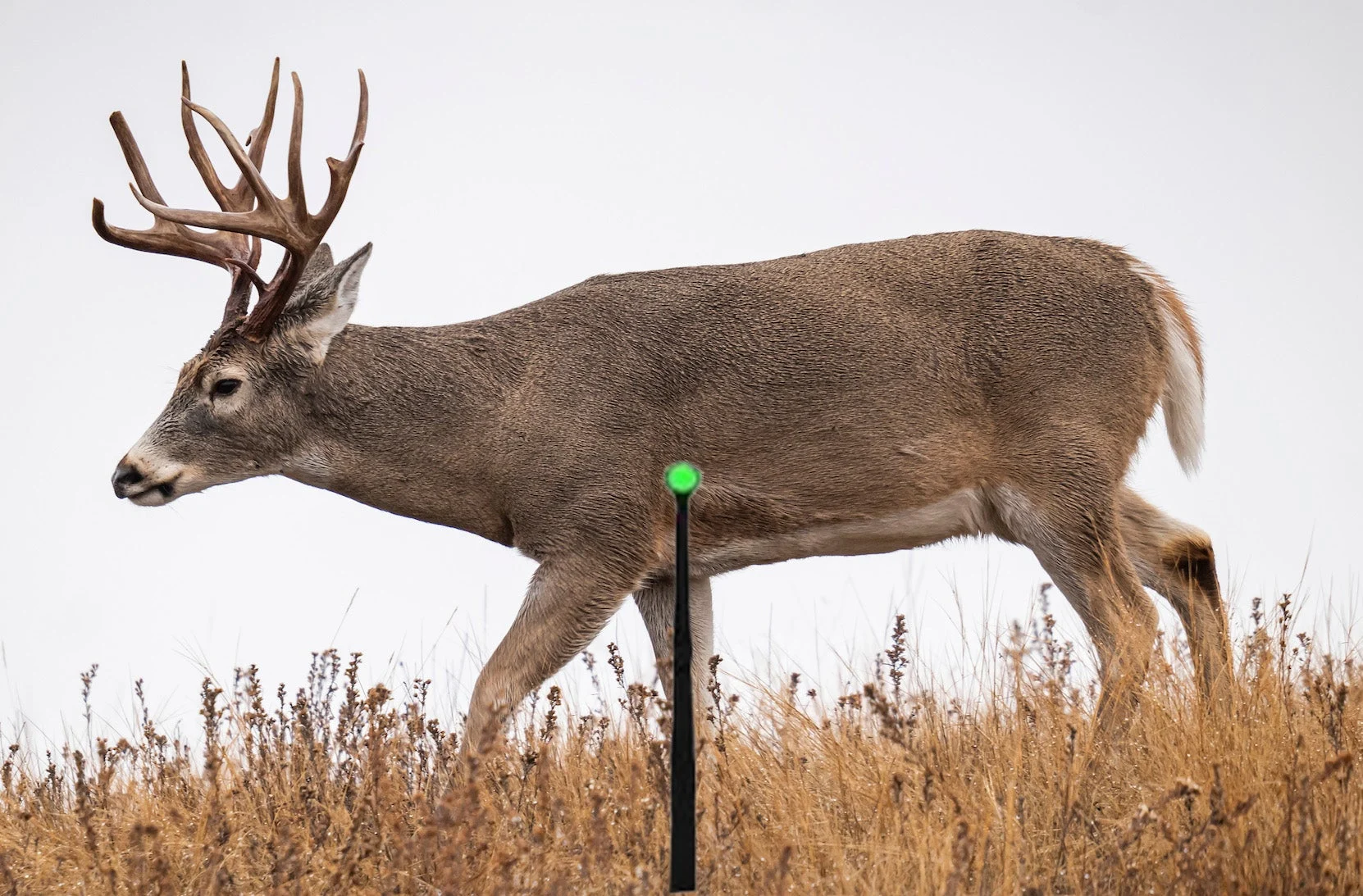
When looking for where to shoot a deer crossbow safely, your primary target is the vital zone located in the lower third of the chest cavity, just behind the front shoulder. Striking this area ensures a quick, ethical, and humane harve...
When looking for where to shoot a deer crossbow safely, your primary target is the vital zone located in the lower third of the chest cavity, just behind the front shoulder. Striking this area ensures a quick, ethical, and humane harvest while minimizing the risk of a lost animal or a dangerous tracking scenario.
Contents
Mastering crossbow accuracy requires more than simply adjusting your scope and pulling the trigger in the backyard. Because modern crossbows fire bolts at velocities ranging from 300 to over 500 feet per second, hunters often assume they can punch through heavy bone at longer distances. However, ethical and safe crossbow hunting hinges on profound anatomical knowledge, rigorous safety protocols, equipment understanding, and a clear recognition of your effective personal range.
Anatomy of a Whitetail: Understanding the Vital Zone
Before stepping into the woods or an elevated stand, every crossbow hunter must understand the internal anatomy of a deer. Unlike large-game hunting with high-powered rifles that can rely on hydrostatic shock to anchor an animal, crossbow hunting relies on hemorrhage. A razor-sharp mechanical or fixed-blade broadhead must pass through both lungs or the heart to induce rapid blood loss and unconsciousness.
The ideal target zone is roughly the size of a paper plate, situated directly behind the shoulder blade.
| Zone | Description & Lethality |
|---|---|
| Heart / Lungs (The Sweet Spot) | Lower 1/3 of chest, behind shoulder. High lethality, rapid harvest. |
| Upper Shoulder / Heavy Bone | Heavy bone mass, scapula, and humerus. High risk of deflection, poor penetration. |
| Quartering-Away | Angle shot entering behind the near shoulder, exiting forward. Highly effective. |
| Quartering-To | Extremely high risk. Enters through front bone, misses vital organs. Avoid entirely. |
| Gut Shot (Paunch) | Rear abdominal cavity. Slow, painful, difficult tracking outcome. Avoid entirely. |
The Heart and Lungs
The lungs occupy the vast majority of the upper and middle chest cavity, protected by the ribcage. The heart sits low in the chest, directly between the front legs. When a broadhead pierces both lungs, the chest cavity fills with air and blood, causing the deer to collapse within seconds to a couple of minutes.
Why Avoid the Shoulder Blade?
Novice hunters sometimes aim for the center of a deer's body, which aligns directly with the heavy scapula (shoulder blade) and humerus bones. While modern crossbows are exceptionally powerful, striking the thick shoulder bone can significantly reduce penetration. This often results in a non-lethal flesh or bone wound, forcing a grueling tracking effort and causing unnecessary suffering to the animal.
Shot Angles and Trajectories
Your physical orientation relative to the deer dictates where you should aim. Changing angles alter the path the bolt must travel to reach the vitals.
The Broadside Shot
The broadside shot is the gold standard for crossbow hunters. When a deer stands perpendicular to your position, the entire chest cavity is exposed. Aim one-third up from the bottom of the chest cavity, directly vertical to the back of the front leg. This places your arrow squarely through both lungs, bypassing heavy leg bones entirely.
The Quartering-Away Shot
A quartering-away angle occurs when the deer is angled away from you. This is widely considered the second-best shot presentation.
- The Aim Point: You must aim slightly further back than a broadside shot, visualizing the exit wound exiting out the opposite, front shoulder.
- The Mechanics: The broadhead enters behind the ribcage and travels forward through the diaphragm, liver, and at least one lung.
The Quartering-To Shot
Never take a quartering-to shot with a crossbow. When a deer is facing partially toward you, the heavy shoulder and upper leg bones block the path to the vital organs. Even if your bolt penetrates the muscle, it will likely deflect or fail to reach the heart and lungs, leading to a disastrous outcome.
Elevated Stand vs. Ground Blind Safety and Ballistics
Hunting from an elevated treestand changes the geometry of your shot compared to shooting from ground level. This geometric shift requires careful compensation to maintain safety and accuracy.
The Treestand Physics Dilemma
When you elevate yourself 15 to 20 feet above the ground, the straight-line distance to the target (hypotenuse) is longer than the horizontal distance. More importantly, shooting downward steepens the entry angle.
- Adjusting Your Aim: If you aim at the exact same spot on a deer's side from a treestand as you would from the ground, your entry wound will be high, and your exit wound may miss the lower lung and heart entirely.
- The Solution: Aim slightly higher on the entry side so that the downward trajectory exits out the lower opposite chest cavity, ensuring a two-hole bleed.
Ground Blind Considerations
Ground blinds offer concealment, but they introduce a critical mechanical hazard unique to crossbows: limb clearance.
- Limb Strike Hazard: A crossbow's limbs flex outward and backward when fired. If your bow is resting against a blind window frame, your hand is wrapped over the rail, or your cables catch on a chair arm, the violent release of energy can shatter the stock, send the bow violently backward, or cause severe injury to your fingers and hands.
- Always Check Clearance: Before settling into a ground blind, shoulder your crossbow and cycle through potential shooting windows, ensuring a minimum of several inches of clearance around the entire perimeter of the limbs and cam system.
Essential Crossbow Safety Rules
Safety with a crossbow extends beyond accurate marksmanship. Because crossbows remain cocked and loaded for extended periods, strict mechanical discipline is required.
Finger and Thumb Placement
This is the single most common cause of catastrophic injury in crossbow usage. Crossbow strings travel at immense speeds with hundreds of pounds of tension. If your thumb or fingers creep above the flight deck or barrel rail, the string will sweep them away upon release, resulting in severe lacerations, broken bones, or amputation.
- Look for crossbows equipped with integrated safety wings or barrel guards.
- Never place your forward hand anywhere above the stock's grip guard.
Safe Cocking and Decocking Protocols
- Manual vs. Crank Cocking: Whenever possible, use a rope cocking aid or an integrated mechanical crank. A rope cocking aid ensures even distribution of tension across the bowstring, preventing dry-fire risks and reducing physical strain.
- Never Dry-Fire: Firing a crossbow without a bolt loaded releases all the kinetic energy directly into the limbs, cams, and string instead of transferring it to a projectile. This frequently shatters the crossbow, throwing shrapnel toward the user's face and hands.
- Safe Decocking: Never attempt to manually pull the string back to decock a modern high-poundage crossbow. If your model does not feature a safe-decocking button, always discharge the bolt safely into a designated portable target block at the end of your hunt.
Equipment Readiness and Range Limitations
An ethical shot depends heavily on the condition of your equipment and knowing your physical limitations.
Broadhead Selection and Tuning
- Use fixed-blade or mechanical broadheads that are specifically rated for high-velocity crossbows.
- Broadheads with heavy blade deployment mechanisms can fail or plane wildly if launched at speeds exceeding 400 fps without proper matching.
- Always practice with the exact same weight and model of broadhead you plan to hunt with. Field points fly differently than broadheads due to wind resistance on the blades.
Establishing Maximum Effective Range
While modern crossbows can theoretically group bolts at 60, 70, or 80 yards in optimal backyard conditions, hunting introduces variables like wind, animal movement, and adrenaline.
- The 40-Yard Rule: Most ethical hunters restrict their maximum hunting range to 40 yards or less.
- Why Distance Matters: Deer can "jump the string." At longer distances, the sound of the crossbow reaching the deer's ears allows it to drop its body and crouch before the bolt arrives, turning what should have been a heart shot into a gut shot.
Frequently Asked Questions
Where is the best place to shoot a deer with a crossbow?
The best place to shoot a deer is the lower third of the chest cavity, directly behind the front shoulder blade. This targets both lungs and/or the heart, providing a quick, humane, and ethical harvest with a wide margin for error regarding bone deflection.
Can a crossbow penetrate a deer's shoulder bone?
While some modern high-poundage crossbows can punch through a shoulder blade, it is a high-risk shot. Heavy bone slows the bolt down dramatically, often preventing a complete pass-through, resulting in poor blood trails and a difficult tracking process. Always aim behind the shoulder.
What angle should I avoid when shooting a deer with a crossbow?
You should completely avoid quartering-to shots and direct head-on or tail-on shots. These angles present heavy skeletal barriers or obstructed paths to the vital organs, drastically increasing the risk of wounding the animal without securing a recovery.
How far can you accurately shoot a deer with a crossbow?
Most experienced crossbow hunters limit their ethical range to 40 yards. While bows can hit targets farther away, deer can react to the sound of the shot and move before the bolt arrives, leading to poor hit placement at extended distances.
What happens if you dry-fire a crossbow?
Dry-firing a crossbow—releasing the string without a bolt loaded—transfers the massive stored energy directly into the bow's limbs, cams, and string. This frequently shatters the equipment, ruins the bow, and can cause severe physical injury to the shooter from flying debris.
Conclusion and Next Actions
Knowing where to shoot a deer crossbow safely requires balancing anatomical knowledge, precise shot angle evaluation, and strict equipment discipline. Prioritize broadside and quartering-away presentations, keep your effective range within comfortable limits, and always verify your finger placement before every shot. Before heading out into the field, spend time at the range practicing with your hunting broadheads from simulated elevated or blind positions to ensure absolute confidence when the moment arrives.
Image Gallery