The Definitive Guide to the Cast of The Legend of Korra in 2026
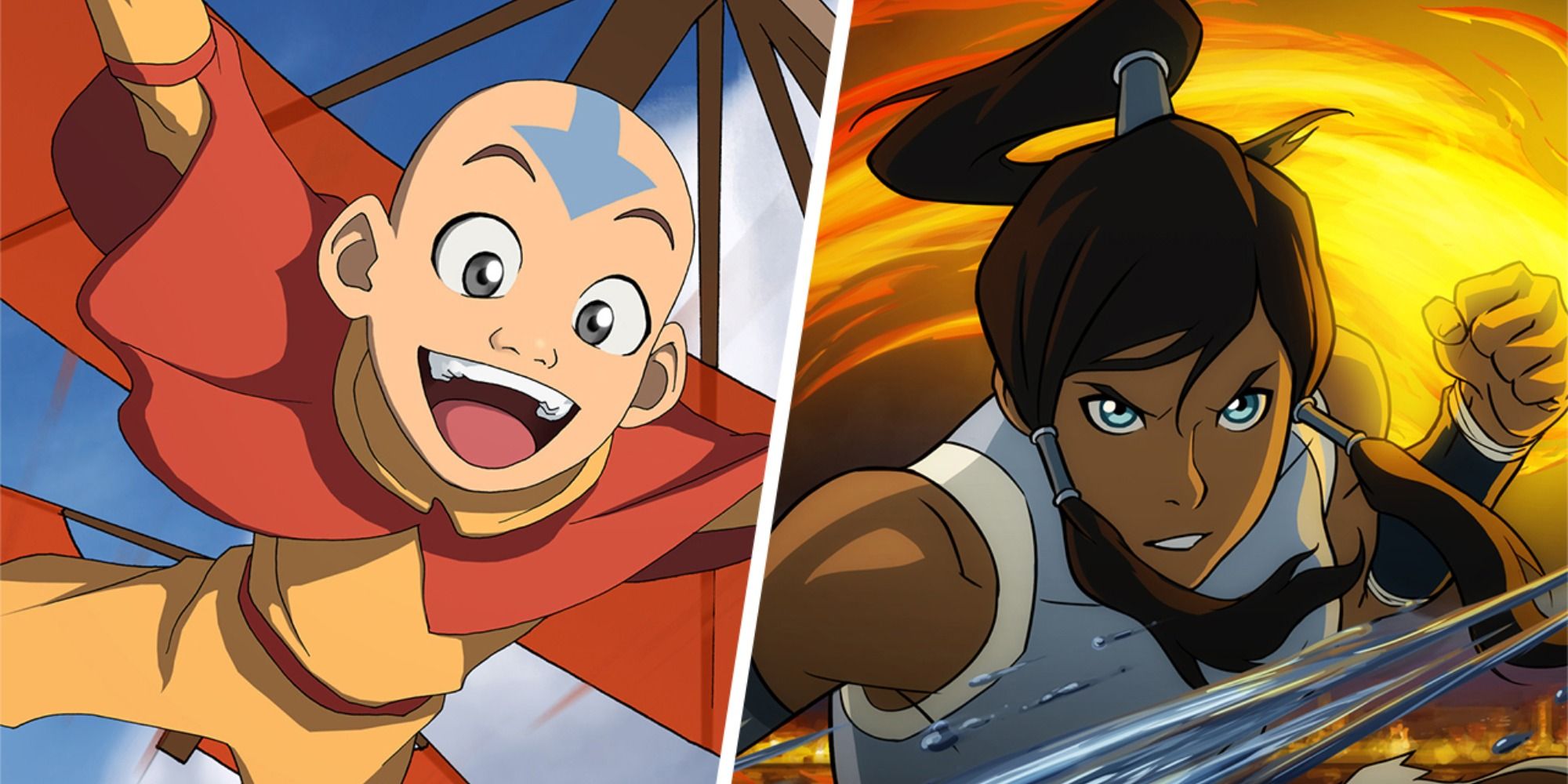
The Legend of Korra features a sprawling ensemble of voice talent, anchored by Janet Varney as the title character, Korra. The series serves as the sequel to Avatar: The Last Airbender and utilizes a diverse cast of professional voice...
The Legend of Korra features a sprawling ensemble of voice talent, anchored by Janet Varney as the title character, Korra. The series serves as the sequel to Avatar: The Last Airbender and utilizes a diverse cast of professional voice actors to bring the complex, modern industrial-era setting of Republic City to life throughout its four-season run.
Contents
Understanding the Production Context and Vocal Ensemble
The voice-acting industry for animation has evolved significantly since the series premiere in 2012. As of 2026, the legacy of The Legend of Korra remains a benchmark for character-driven narrative and vocal performance in Western animation. The casting process for the show was uniquely focused on capturing the nuanced, shifting emotional maturity of its lead protagonist, moving from a headstrong teenager to a battle-hardened spiritual bridge.
The production team, led by creators Bryan Konietzko and Michael Dante DiMartino, emphasized a blend of established industry veterans and emerging talent. This strategic selection ensured that the chemistry between the "Team Avatar" members felt authentic, balancing comedic timing with the heavy themes of geopolitical instability, political extremism, and spiritual evolution prevalent in the show’s four "Books."
Detailed Cast Roster and Character Roles
The following table outlines the primary cast members who provided the voices for the core protagonists and antagonists across the series' timeline.
| Character Name | Voice Actor | Primary Character Arc Role |
|---|---|---|
| Korra | Janet Varney | The Avatar, protagonist, spiritual growth |
| Mako | David Faustino | Firebender, detective, pragmatic protector |
| Bolin | P.J. Byrne | Earthbender, lavabender, comedic relief |
| Asami Sato | Seychelle Gabriel | Engineering genius, industrialist, tactician |
| Tenzin | J.K. Simmons | Airbending master, mentor, spiritual guide |
| Lin Beifong | Mindy Sterling | Chief of Police, stoic authority figure |
| Varrick | John Michael Higgins | Eccentric inventor, political opportunist |
Deep Dive into Core Character Performances
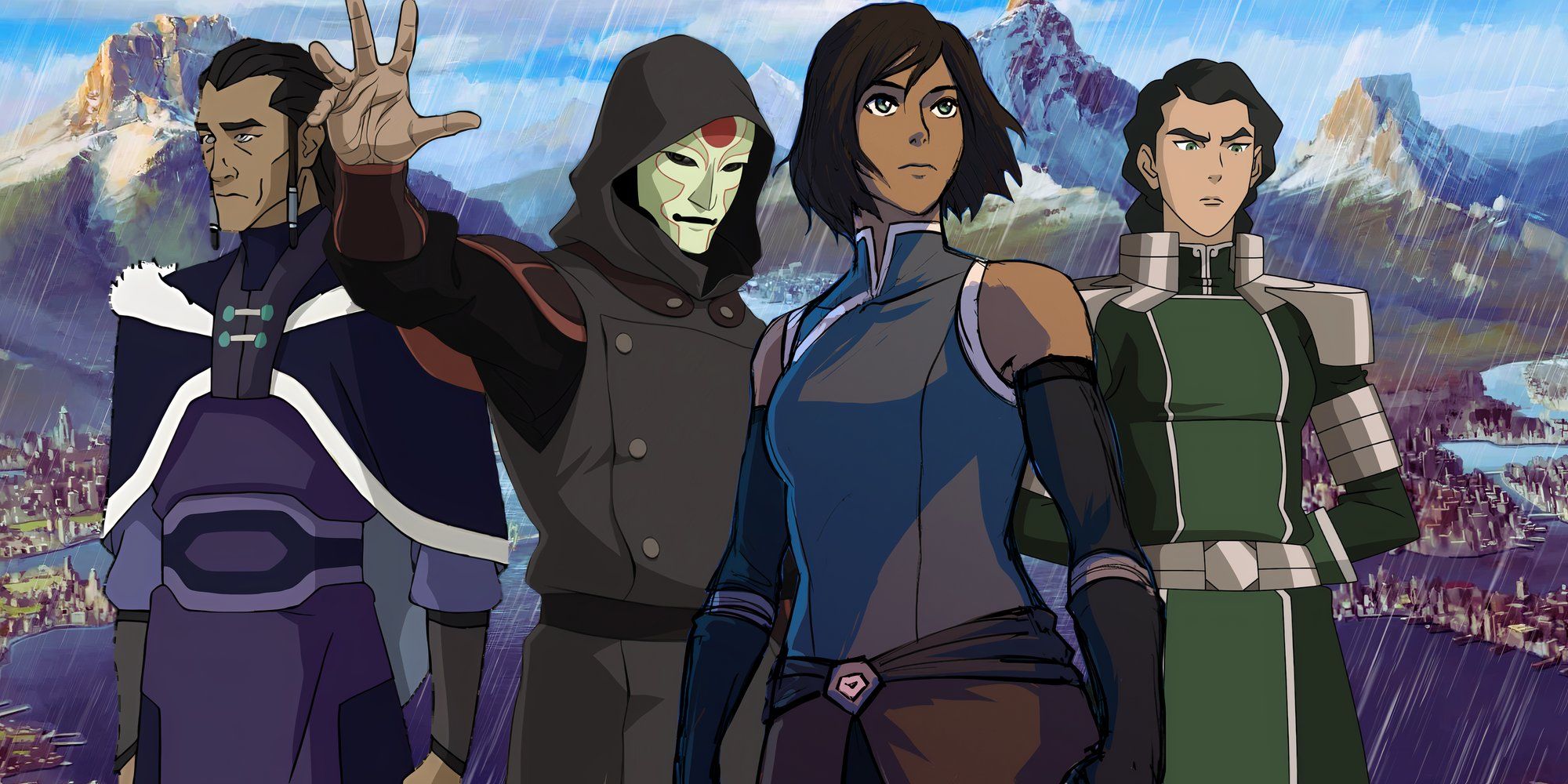
The success of The Legend of Korra is largely attributed to the consistency and depth of these performances. Janet Varney’s portrayal of Korra is widely lauded for its evolution; her vocal delivery in Book One reflects the raw, impatient energy of a youth, while by Book Four, her delivery conveys a weary, compassionate wisdom.
J.K. Simmons, providing the voice for Tenzin, brought a gravitas that grounded the series. His performance was critical for bridging the gap between the original series and the new generation. The chemistry between Seychelle Gabriel (Asami) and the rest of the cast provided the necessary emotional anchor, particularly during the show’s more introspective character-focused episodes.
Supporting Cast and Legacy Performances
Beyond the primary four, the supporting cast featured notable figures who lent distinct textures to the world of Republic City. These performances were instrumental in creating the "world-building through dialogue" that defines the series:
- General Iroh (voiced by Dante Basco): A nod to the original series’ history, providing a sense of continuity.
- Suyin Beifong (voiced by Anne Heche): Delivered a performance marked by complexity and strained maternal dynamics.
- Zaheer (voiced by Henry Rollins): His performance is considered a masterclass in calm, philosophical antagonism, contrasting sharply with the more manic villains of the early seasons.
Impact of Casting on Narrative Sophistication
In 2026, industry analysts and animation historians continue to cite The Legend of Korra as a masterclass in voice direction. The directive was not merely to provide dialogue, but to embody the specific bending styles—which were rooted in real-world martial arts—through vocal exertion and pacing.
Expert Insight on Vocal Direction
The recording sessions for The Legend of Korra were notorious for their intensity. Actors were often required to perform "effort sounds"—the grunts, shouts, and rhythmic breathing associated with bending—alongside their dialogue. This methodology created an immersive sonic landscape where the physical exertion of the character was mirrored in the vocal performance. The directors prioritized a "grounded reality," where the stakes felt immediate and the consequences felt permanent.
Comparative Analysis: Then and Now
While many animated series rely heavily on celebrity voice acting, The Legend of Korra prioritized acting range and character nuance over pure star power. This decision has allowed the show to age better than many of its contemporaries.
- The Legend of Korra Approach: Focus on voice-acting pedigree and long-term character development.
- Generic Modern Approach: Often relies on high-profile guest stars for marketing leverage, which can lead to disjointed performances.
By maintaining a consistent core group, the production ensured that as the animation quality transitioned through different studios—most notably Studio Mir and Studio Pierrot—the heart of the show remained intact.
Frequently Asked Questions
Who is the voice actor for Korra? The character Korra is voiced by Janet Varney. She provided the voice for the character throughout all four seasons of the series.
Did any actors from Avatar: The Last Airbender return? Yes, several actors from the original series made appearances in The Legend of Korra, most notably Dante Basco, who voiced Zuko in the original and General Iroh (Zuko’s grandson) in the sequel.
Why is J.K. Simmons' role as Tenzin important? J.K. Simmons provided a bridge between the old world and the new, offering a performance that balanced the heavy burden of legacy with the personal responsibility of teaching a new generation of airbenders.
How many main cast members are in the "Korra Team Avatar"? The core group, often referred to as "Team Avatar" or "The Krew," consists of four main members: Korra, Mako, Bolin, and Asami.
Is there a difference in acting style between the four Books? Yes, the vocal performances shift significantly. The directors pushed for a more volatile, energetic tone in the first two seasons, whereas the final two seasons required a more somber, reflective approach as the characters dealt with trauma and systemic political change.
Professional Engagement and Further Exploration
For those interested in the technical aspects of voice acting and production, the official archives of Nickelodeon’s production notes for The Legend of Korra provide a granular look at the recording sessions. Recognizing the role of casting in the narrative success of the series provides a deeper appreciation for the medium of animation as a collaborative art form. If you are conducting research into modern animation standards, comparing the character arcs of Korra and Tenzin remains one of the most effective ways to study the balance between legacy and innovation in character design.
Image Gallery