Recent Changes to Arch Canyon, Utah: Access, Rules, and Protection Status in 2026
As of 2026, the primary changes to Arch Canyon in Utah involve the full implementation of the Bears Ears National Monument Management Plan (MMP). This has resulted in stricter motorized access controls, a transition to tribal co-stewar...
As of 2026, the primary changes to Arch Canyon in Utah involve the full implementation of the Bears Ears National Monument Management Plan (MMP). This has resulted in stricter motorized access controls, a transition to tribal co-stewardship management, and new permit requirements designed to protect the canyon’s dense concentration of ancestral Puebloan cultural sites.
Contents
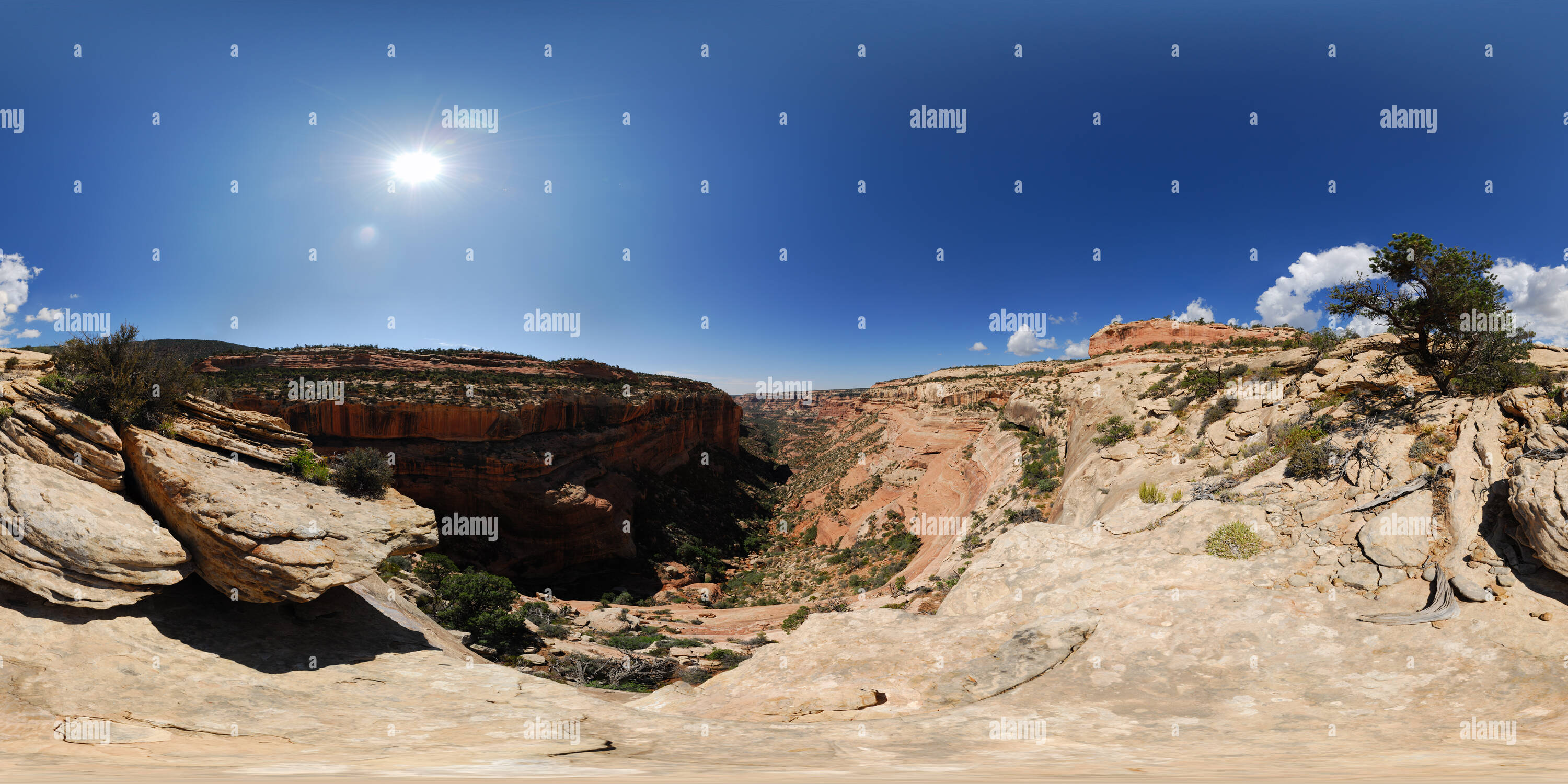
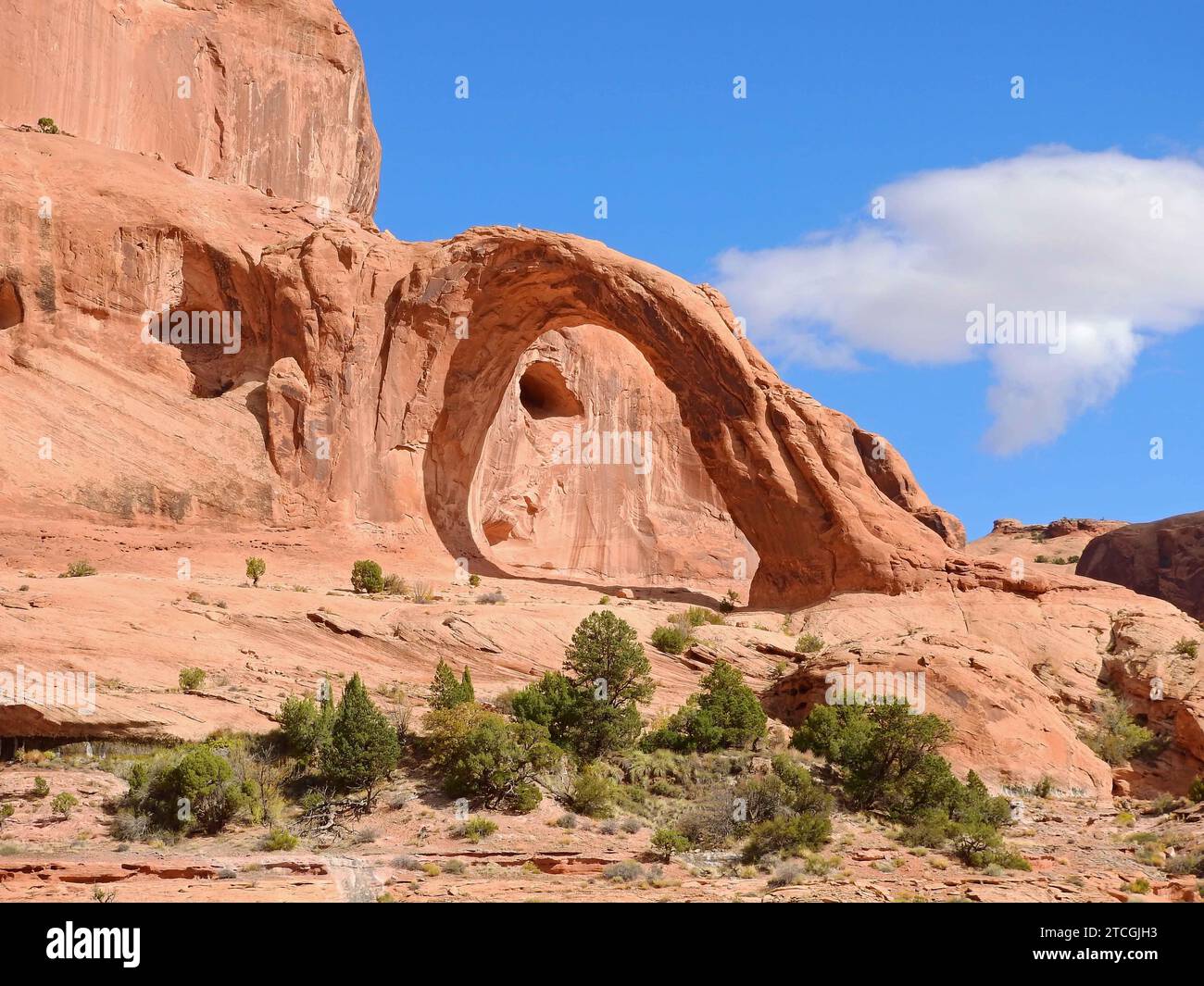
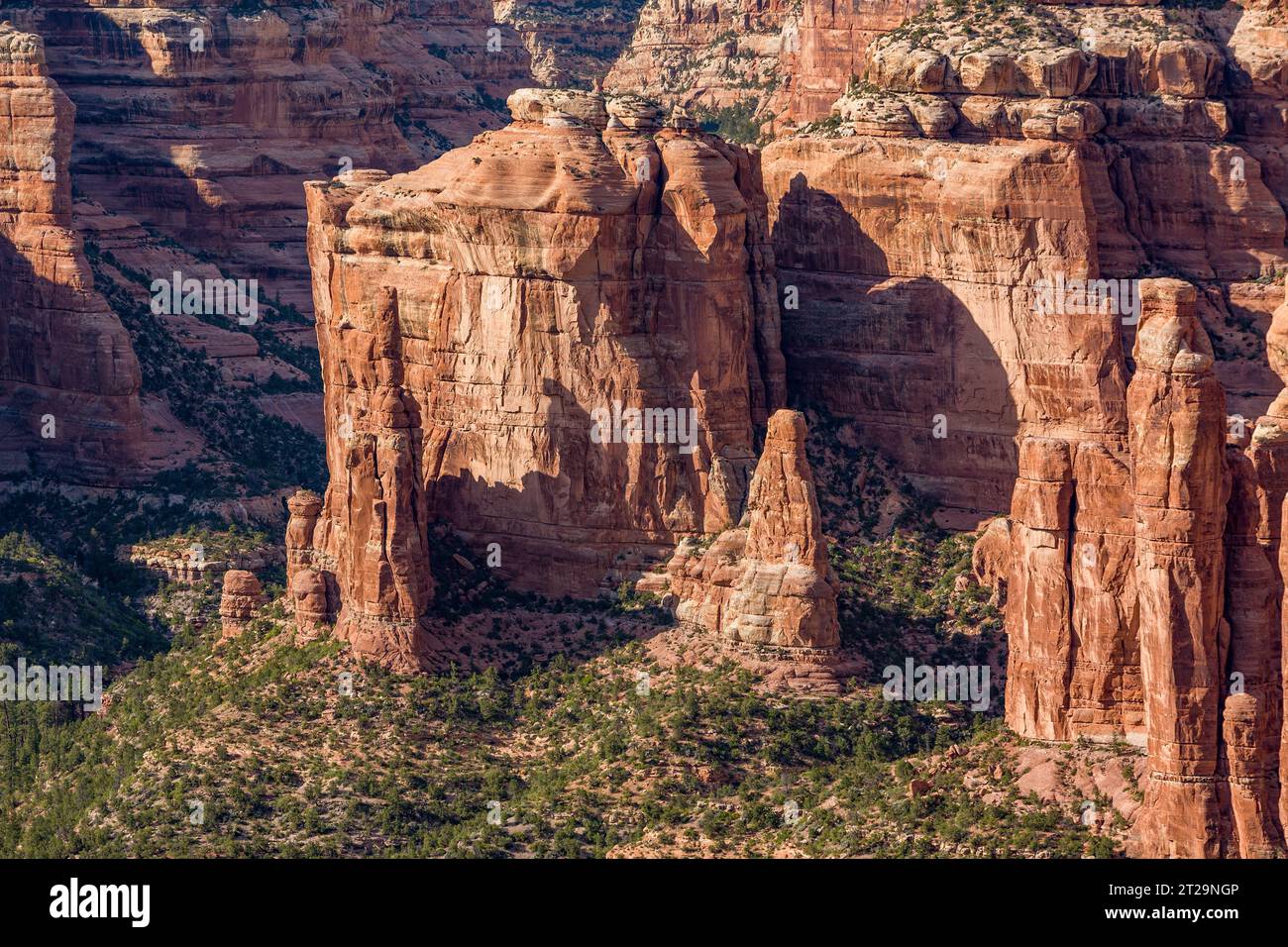
Located in San Juan County, Arch Canyon has long been a point of contention between motorized recreation enthusiasts and conservationists. The canyon stretches approximately 12 miles, cutting through dramatic red rock layers and housing significant archaeological sites like the Great House and various cliff dwellings. For decades, it was managed under a "multiple-use" philosophy that allowed high-volume Off-Highway Vehicle (OHV) traffic. However, the legal and administrative landscape has shifted significantly following the 2021 restoration of the Bears Ears National Monument boundaries and the subsequent 2024 Record of Decision (ROD) that now dictates activity in the region.
The Shift to the 2024-2026 Management Framework
The most significant change for Arch Canyon is its integration into the comprehensive management strategy for the Bears Ears National Monument (BENM). Following the 2021 Executive Order that restored the monument to 1.36 million acres, the Bureau of Land Management (BLM) and the U.S. Forest Service (USFS) engaged in a multi-year planning process.
By 2026, the "Preferred Alternative" from the 2024 Environmental Impact Statement (EIS) is the law of the land. This plan prioritizes the protection of "objects of antiquity" and "natural wonders" over traditional recreational use. For Arch Canyon, this means management is now guided by the Bears Ears Commission, a coalition of five Tribal Nations (Hopi, Navajo, Ute Indian Tribe, Ute Mountain Ute, and Zuni) working in tandem with federal agencies. This co-stewardship model has introduced "Traditional Ecological Knowledge" (TEK) into the daily operations of the canyon, leading to more restrictive measures regarding ground-disturbing activities and visitor behavior.
Motorized Access and Trail Restrictions
Historically, the Arch Canyon trail was a popular route for Jeeps and OHVs, often used to access the upper reaches of the canyon and view the arches and ruins. In 2026, the status of this trail has changed from "Open" to "Limited."
- Designated Routes Only: Motorized travel is strictly confined to the bottom of the wash on the designated trail. Any "pioneer" trails or unauthorized spurs created by users in previous decades have been decommissioned and are undergoing active restoration.
- Seasonal Closures: To protect the riparian ecosystem of Arch Canyon Creek—which supports sensitive bird species and rare "hanging gardens"—seasonal closures are now more frequent. These usually occur during the spring runoff and the peak nesting season for raptors (typically March through July).
- Group Size Limits: Motorized groups are now subject to size limitations to reduce the physical impact on the narrow canyon floor. Large-scale jamborees or commercial OHV tours now require Special Recreation Permits (SRPs) that are much harder to obtain than in the pre-2021 era.
Cultural Site Protection and "Visit with Respect"
Arch Canyon is home to some of the most significant archaeological sites in the Southwest, including the Arch Canyon Great House, located near the canyon mouth. The management changes in 2026 emphasize the "Visit with Respect" guidelines, which have evolved from voluntary suggestions to enforceable regulations.
- Physical Barriers: In several locations, subtle natural barriers (such as large boulders or dead-and-down timber) have been placed to prevent visitors from walking directly into sensitive room blocks or onto fragile midden heaps.
- Signage and Education: New interpretive signage, developed in collaboration with the Five Tribes, focuses on the spiritual and ancestral significance of the canyon rather than just its archaeological age.
- Increased Patrols: There is a noticeably higher presence of Law Enforcement Rangers and "Site Stewards." These individuals are tasked with enforcing the Archaeological Resources Protection Act (ARPA). Penalties for touching rock art, removing artifacts, or climbing on walls have been increased under the current management cycle.
Comparison of Management Eras in Arch Canyon
The following table outlines the specific differences in how Arch Canyon is managed today compared to the "Reduced Monument" era (2017–2021).
| Management Feature | 2017–2021 (Reduced Status) | 2026 (Restored & Managed) |
|---|---|---|
| Primary Authority | BLM Monticello Field Office | BLM/USFS with Bears Ears Commission |
| Motorized Status | Open/Multiple Use | Limited/Designated Routes Only |
| Permit System | No permit required for day use | Mandatory educational permit for key zones |
| Tribal Involvement | Consultative only | Active Co-Stewardship / TEK Integration |
| Riparian Protection | Minimal / General BLM guidelines | High / Seasonal closures and setbacks |
| Camping Rules | Dispersed (At-Large) | Designated sites or strictly set back from water |
Changes to Camping and Overnight Use
In previous years, dispersed camping was allowed throughout much of the Arch Canyon area. As of 2026, new rules have been implemented to protect the water quality of the perennial stream and the integrity of cultural sites.
Camping is now prohibited within 200 feet of any water source and 300 feet of any identified archaeological site. In the most heavily trafficked areas of the lower canyon, the BLM has transitioned to a "Designated Site" model. This means that instead of pulling over wherever there is a flat spot, campers must use pre-established sites marked with a brown post. These sites are often equipped with fire rings to prevent the spread of "charcoal blooms" and new fire scars on the canyon floor.
Furthermore, the "Pack It In, Pack It Out" rule has been upgraded to include human waste in certain high-use zones. Visitors are increasingly encouraged or required to use WAG bags (Waste Aggregation and Gellation) to prevent the contamination of the narrow canyon ecosystem.
Legal and Political Context
The status of Arch Canyon remains a subject of ongoing legal interest. The State of Utah filed a lawsuit (initially in 2022) challenging the President's authority under the Antiquities Act to create or restore large-scale monuments like Bears Ears. While the management plan is currently being enforced in 2026, the underlying legal battle continues to move through the federal court system.
Visitors should be aware that while the 2024 MMP is the current operating manual, specific trail designations can be subject to court-ordered stays or revisions. However, the federal government’s current stance is one of maximum protection, and those visiting the canyon should expect those rules to be strictly upheld by local rangers.
Environmental Impact and Riparian Recovery
One of the most visible changes in Arch Canyon over the last few years has been the recovery of the riparian zone. Under the new management guidelines, the reduction in unrestricted OHV use has allowed native vegetation—such as willows and cottonwoods—to stabilize the banks of the creek.
This environmental shift has a practical impact on visitors: the trail is often more "brushed in" than it was a decade ago. Those driving high-clearance vehicles should expect "Utah pinstriping" (scratches from vegetation) as the canyon returns to a more natural, less manicured state. The increased vegetation also means that the canyon stays cooler in the summer but can be more difficult to navigate on foot during high-water years.
Frequently Asked Questions
Do I need a permit to hike Arch Canyon in 2026? Currently, a day-use permit is required for hiking in Arch Canyon. These permits are primarily used for tracking visitor numbers and ensuring that every hiker has read the cultural protection guidelines. They can typically be obtained via Recreation.gov or at the Monticello BLM office.
Can I still drive a Jeep to the end of the Arch Canyon trail? Yes, but with caveats. You must stay strictly on the designated route. In 2026, the trail ends at a designated turnaround point before the wilderness boundary begins. Driving beyond this point or onto any side trails is a federal offense. High-clearance 4WD is mandatory; AWD vehicles are not recommended due to deep sand and frequent stream crossings.
Are there still ruins visible from the trail? Yes, several significant sites, including the Great House and various granaries, are visible from the main trail. However, some of the most sensitive sites have been removed from official maps provided by the BLM to prevent overcrowding. Visitors are encouraged to use binoculars to view cliff dwellings rather than attempting to climb up to them.
Is Arch Canyon part of a Wilderness Area? While the lower and middle sections of Arch Canyon are managed as part of the Bears Ears National Monument, the upper reaches transition into the Dark Canyon Wilderness. Once you cross the wilderness boundary, all motorized and mechanized transport (including bicycles) is strictly prohibited.
What is the best time of year to visit given the new rules? Late September through October is ideal. The summer monsoons usually subside, the heat is manageable, and the seasonal raptor closures have typically expired. If you visit in the spring, check the BLM Utah website for temporary closures related to nesting birds or high water levels.
Practical Recommendations for Visitors
If you are planning a trip to Arch Canyon in 2026, your first step should be to verify the current trail status through the BLM Monticello Field Office. The implementation of the Monument Management Plan means that rules can be updated annually based on the "adaptive management" clause in the ROD.
Secondly, ensure your vehicle is prepared for a remote backcountry environment. There is no cell service in Arch Canyon, and the nearest services are in Blanding or Monticello. Carry a satellite communication device and at least one full-size spare tire.
Finally, approach the canyon with a mindset of stewardship. The change in Arch Canyon from a recreation-first area to a cultural-first area reflects a broader shift in how public lands in the West are managed. By following the "Visit with Respect" principles—such as staying off walls, leaving artifacts where they lie, and keeping dogs on leashes—you help ensure that the canyon remains open to the public in the face of ongoing legal and environmental pressures.
Image Gallery