Mold Remediation in Haverhill: A Comprehensive Overview
Mold remediation in Haverhill involves a systematic process of identifying, containing, and removing fungal growth from residential or commercial properties. Given the region’s humid climate and historic building stock, professional se...
Mold remediation in Haverhill involves a systematic process of identifying, containing, and removing fungal growth from residential or commercial properties. Given the region’s humid climate and historic building stock, professional services prioritize moisture control and adherence to IICRC S520 standards to restore structural integrity and ensure long-term indoor air quality for occupants.
Contents
The Local Context: Why Haverhill Properties Require Specialized Care
Haverhill, Massachusetts, presents a unique set of environmental challenges for property owners. Situated along the Merrimack River, the city experiences significant seasonal humidity and a relatively high water table, particularly in low-lying neighborhoods such as Riverside and parts of Bradford. As we navigate 2026, these geographical factors continue to play a primary role in the prevalence of indoor mold growth.
The architectural landscape of Haverhill further complicates the issue. The city is home to a vast array of historic Victorian homes, colonial structures, and repurposed industrial mill buildings. While these structures offer significant aesthetic and historical value, they often lack the sophisticated vapor barriers and ventilation systems found in modern construction. Older basements with fieldstone foundations are particularly susceptible to hydrostatic pressure, leading to persistent dampness that serves as a catalyst for Stachybotrys chartarum (black mold) and other fungal varieties.
Professional remediation in this area is not merely about cleaning a surface; it is about understanding the intersection of local climate patterns and aging building envelopes. Effective mold management must address the root cause—typically a combination of exterior water intrusion and interior condensation—before the physical removal of spores can be considered a permanent solution.
Identifying Mold Growth in Merrimack Valley Homes
Recognizing the need for remediation early can prevent minor issues from evolving into significant structural liabilities. In Haverhill, mold issues often manifest in ways that are specific to the type of property.
Visual and Olfactory Indicators
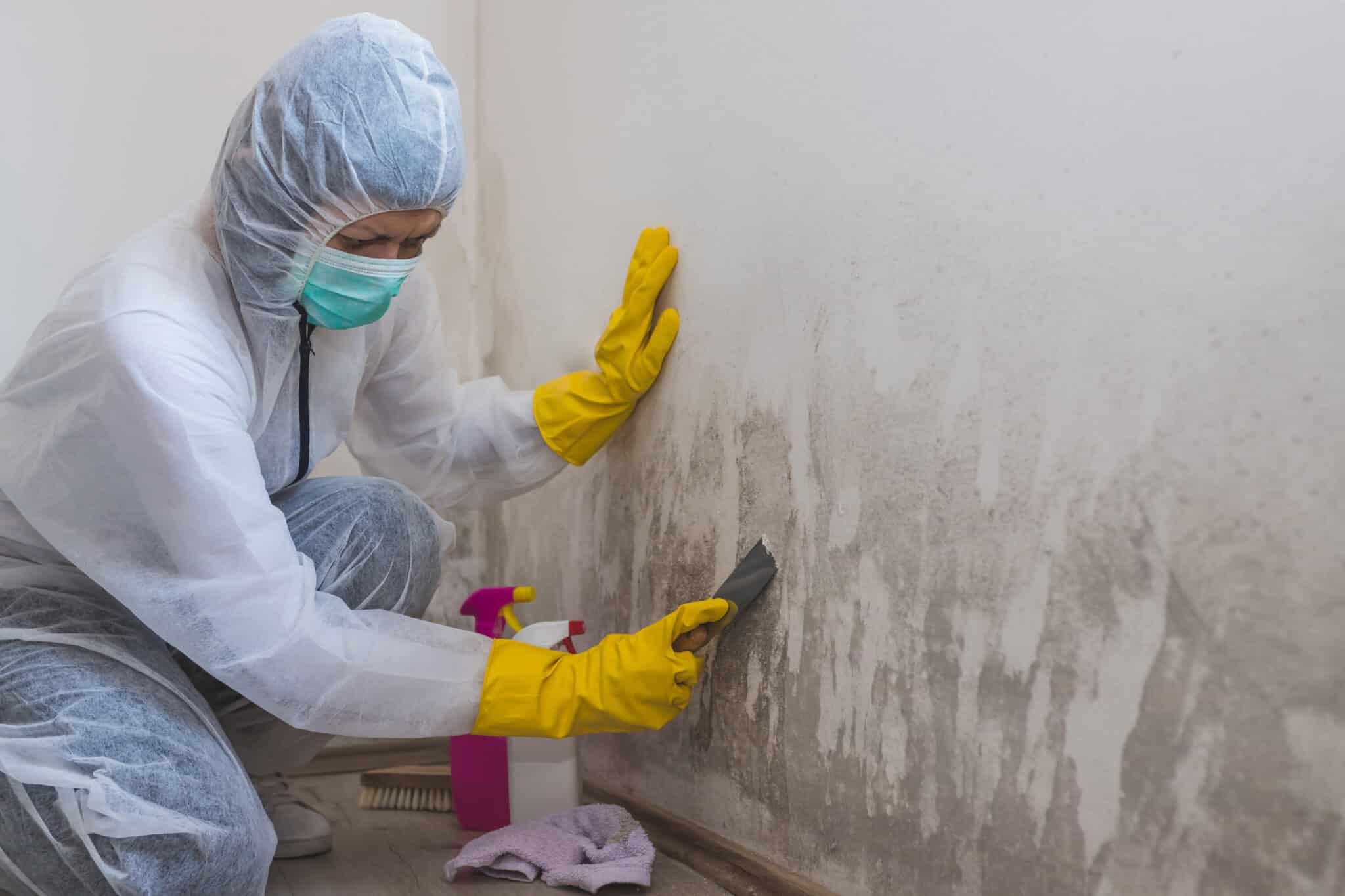
The most obvious sign of mold is visible growth, which may appear as fuzzy patches, streaks, or discolorations in shades of black, green, gray, or white. In Haverhill’s historic lofts, mold is frequently discovered behind drywall or under floorboards where moisture has been trapped. Beyond visual evidence, a persistent "musty" or "earthy" odor is a definitive indicator of microbial volatile organic compounds (mVOCs). These gases are produced during the mold's metabolic process and often signal hidden growth within wall cavities or HVAC systems.
Health and Environmental Triggers
Occupants may experience unexplained respiratory issues, persistent allergies, or skin irritation that improves when they are away from the property. While mold affects individuals differently, those with pre-existing conditions like asthma or compromised immune systems are at higher risk. If a property has recently experienced a "basement backup" or roof leak—common during the heavy spring rains characteristic of the Merrimack Valley—a professional inspection is warranted even if mold is not yet visible.
The Professional Remediation Process
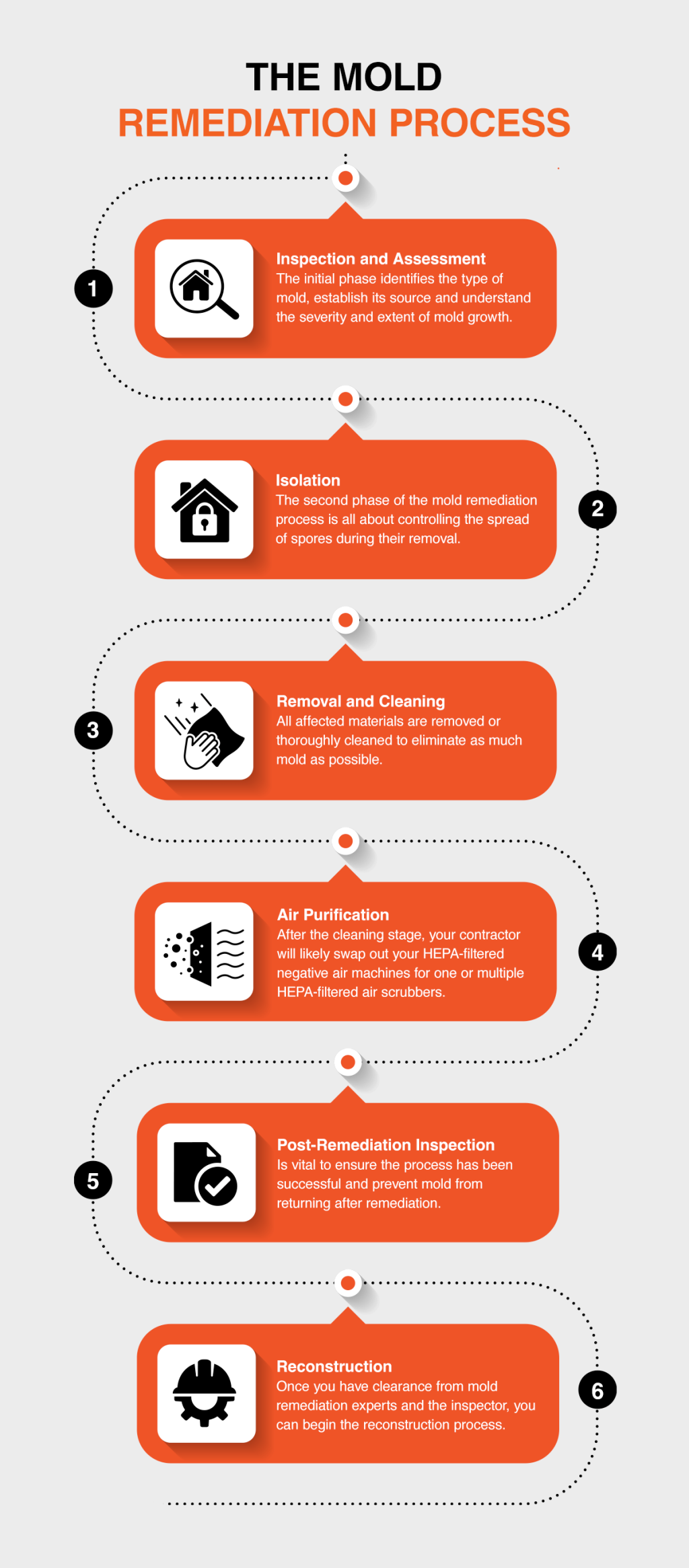
Professional mold remediation is a highly regulated field that follows a specific sequence to ensure that mold spores are not inadvertently spread throughout the building during the cleaning process. As of 2026, most reputable contractors in Haverhill adhere to the standards set by the Institute of Inspection, Cleaning and Restoration Certification (IICRC).
1. Assessment and Moisture Mapping
Before any physical work begins, a certified industrial hygienist or a remediation specialist conducts a thorough assessment. This involves more than just looking for mold; it requires "moisture mapping" using infrared cameras and moisture meters to locate the source of dampness. In Haverhill, this often reveals leaking pipes within walls or groundwater seepage through old foundations.
2. Containment and Negative Air Pressure
Once the scope of the work is defined, the affected area must be isolated. Technicians use heavy-duty polyethylene sheeting to create a physical barrier between the "hot zone" and the rest of the property. To prevent cross-contamination, Negative Air Machines (NAMs) equipped with HEPA filters are utilized. These machines pull air from the containment area and exhaust it outside, ensuring that any spores disturbed during removal do not settle in unaffected rooms.
3. HEPA Air Filtration
Throughout the remediation, air scrubbers run continuously. These devices are designed to capture 99.97% of particles as small as 0.3 microns. This step is critical because mold spores are microscopic and easily become airborne when growth is disturbed.
4. Removal and Antimicrobial Treatment
The method of removal depends on the surface:
- Porous Materials: Items like drywall, insulation, and carpeting that have significant mold growth are typically non-salvageable and must be removed and disposed of as "controlled waste."
- Semi-Porous Materials: Structural wood and framing can often be saved through abrasive cleaning methods such as HEPA vacuuming, wire brushing, or "media blasting" (using dry ice or soda).
- Non-Porous Materials: Metal, glass, and hard plastics can usually be cleaned and sanitized using EPA-registered antimicrobial solutions.
5. Cleaning and Post-Remediation Verification (PRV)
After the physical mold is removed, all surfaces within the containment zone are HEPA vacuumed and wiped down. A final "clearance test" is often conducted by an independent third party. This involves air sampling to ensure that the spore count inside the containment area is lower than or equal to the outdoor ambient air levels.
Regulatory Guidelines and Safety Standards
In the Commonwealth of Massachusetts, there is currently no specific state license required for mold remediation contractors, unlike the strict licensing for asbestos or lead abatement. However, the Massachusetts Department of Public Health (DPH) provides extensive guidelines for indoor air quality.
To ensure safety and efficacy, Haverhill residents should prioritize contractors who hold certifications from recognized bodies such as the American Council for Accredited Certification (ACAC) or the IICRC. These organizations require rigorous training and adherence to the S520 Standard and Reference Guide for Professional Mold Remediation. Furthermore, any chemical used during the process must be registered with the Environmental Protection Agency (EPA) and applied according to the manufacturer’s label to prevent secondary chemical sensitivities among residents.
Estimated Costs and Project Timelines in Haverhill
The cost of mold remediation in the Haverhill area varies significantly based on the location of the growth, the accessibility of the space, and the volume of material that must be replaced.
| Remediation Scope | Typical Square Footage | Estimated Cost Range (2026) | Estimated Duration |
|---|---|---|---|
| Minor (Attic/Closet) | < 100 sq. ft. | $1,200 – $3,500 | 1–2 Days |
| Moderate (Basement/Crawlspace) | 100 – 500 sq. ft. | $3,500 – $8,000 | 3–5 Days |
| Major (Whole Home/Multiple Floors) | > 500 sq. ft. | $8,000 – $25,000+ | 1–2 Weeks |
| HVAC/Ductwork Cleaning | Entire System | $1,500 – $4,000 | 1 Day |
Note: These figures represent remediation costs only. Structural repairs, such as replacing drywall or flooring, may incur additional expenses.
Selecting a Remediation Specialist in the Merrimack Valley
Given the potential for high costs and health implications, selecting the right contractor is a critical step for Haverhill property owners. It is widely recommended to avoid companies that offer both "free testing" and "remediation services," as this can create a conflict of interest.
Essential Credentials
When interviewing a contractor, verify the following:
- Pollution Liability Insurance: Standard general liability insurance often excludes mold. A reputable contractor must carry specific "Pollution Coverage" to protect the homeowner if spores are spread during the job.
- IICRC Certification: Specifically, look for the Applied Microbial Remediation Technician (AMRT) designation.
- Local References: Ask for references from recent projects in Haverhill or neighboring Methuen and Lawrence to ensure they understand the local building styles.
Prevention and Long-Term Maintenance
Remediation is a temporary fix if the underlying moisture problem is not addressed. To prevent the recurrence of mold in Haverhill homes, owners should implement a multi-faceted maintenance strategy:
- Humidity Control: Keep indoor relative humidity below 50% year-round. In Haverhill’s summers, this often requires industrial-grade dehumidifiers in basements.
- Gutter and Downspout Maintenance: Ensure that water is diverted at least 6 to 10 feet away from the foundation. The heavy snowmelt and autumn leaf fall in Massachusetts frequently clog gutters, leading to foundation seepage.
- Insulation and Ventilation: Proper attic ventilation prevents "ice damming" in the winter, a common cause of roof leaks and subsequent mold growth in Haverhill’s older homes.
- Sump Pump Reliability: Given the high water table in certain city districts, installing a sump pump with a battery backup is a necessary precaution against basement flooding.
Frequently Asked Questions
Can I clean mold myself using bleach?
Bleach is generally ineffective for remediating mold on porous surfaces like wood or drywall. While it may kill surface growth, the water content in bleach can actually soak into the material, feeding the mold roots (mycelium) and allowing it to return quickly. Professional remediation uses specialized surfactants and antimicrobials that penetrate the surface without adding excess moisture.
Does homeowners insurance cover mold remediation in Massachusetts?
Coverage for mold varies significantly between policies. Most standard homeowner insurance policies only cover mold remediation if it is the result of a "covered peril," such as a sudden pipe burst. Mold resulting from long-term seepage, high humidity, or lack of maintenance is typically excluded. It is advisable to review your policy's "fungus/mold" endorsement with an agent.
How long does the mold remediation process take?
For a typical Haverhill basement or attic, the process usually takes between three and five days. This includes the setup of containment, the actual cleaning, and the necessary "dry-time" for antimicrobials and sealants to set before the final air clearance testing.
Is it safe to stay in the house during remediation?
In many cases, yes, provided that proper containment is established. However, if the mold is widespread or the HVAC system is contaminated, it may be recommended for occupants—especially children, the elderly, or those with respiratory issues—to vacate the premises until a final clearance is achieved.
What is the difference between mold "removal" and mold "remediation"?
"Removal" is a literal term referring to the physical act of taking mold out of a building. "Remediation" is a more comprehensive term that includes assessment, containment, removal, and, crucially, addressing the moisture source to prevent a recurrence. Professionals perform remediation to ensure the environment is returned to a normal fungal ecology.
Final Recommendation for Haverhill Residents
If you suspect mold growth in your Haverhill property, the first action should be to address any active water leaks immediately. Once the water source is controlled, contact a certified professional for an initial inspection. Do not attempt to scrub large areas of mold without proper containment, as this can release millions of spores into your living space, complicating the cleanup and potentially impacting your health. Prioritize contractors who provide detailed, written protocols following IICRC S520 standards to ensure your property is restored safely and effectively.
Image Gallery