Powerlift Foundation Repair and Crawlspace Services Explained
Powerlift foundation repair and crawlspace services provide specialized structural stabilization using proprietary steel piering systems. These services address settlement, heaving, and moisture-related damage by transferring a buildin...
Powerlift foundation repair and crawlspace services provide specialized structural stabilization using proprietary steel piering systems. These services address settlement, heaving, and moisture-related damage by transferring a building's weight from unstable surface soils to deeper, load-bearing strata. In 2026, these solutions remain the industry standard for permanent residential and commercial structural correction.
Contents
Understanding Foundation Failure: Why Specialized Repair is Necessary
Foundation failure is rarely a result of the building materials themselves but is almost always caused by the soil beneath the structure. In regions with high clay content, soil undergoes significant volume changes based on moisture levels. During periods of heavy rain, clay expands, exerting upward "heave" on the slab. Conversely, during droughts—which have become increasingly volatile through 2026—the soil shrinks and pulls away from the foundation, leaving voids.
When these voids occur, the foundation loses its uniform support. Gravity takes over, and the concrete begins to settle or "sink" into the gaps. This movement manifests in visible ways: diagonal cracks in drywall, doors that no longer latch, windows that stick, and separation between the chimney and the exterior siding. If left unaddressed, this settlement can compromise the structural integrity of the entire building, leading to expensive secondary damage to plumbing and roofing systems.
Powerlift services are designed to bypass these unstable soil layers entirely. By using deep-driven steel piers, the system finds a stable "strata"—usually bedrock or very dense, compacted soil—that does not change volume with the weather. This process transitions the house from a "floating" foundation to a "piled" foundation, providing long-term security.
The Powerlift System: Proprietary Engineering and Piering Technology
The core of the Powerlift methodology lies in its proprietary equipment and synchronized lifting technology. Unlike traditional "shimming" or concrete pressed-piling methods, which often rely on the weight of the house to push down a concrete cylinder, Powerlift utilizes high-strength steel.
Steel Push Piers vs. Helical Piers
Powerlift typically employs two types of piering systems depending on the specific needs of the structure and the local geology:
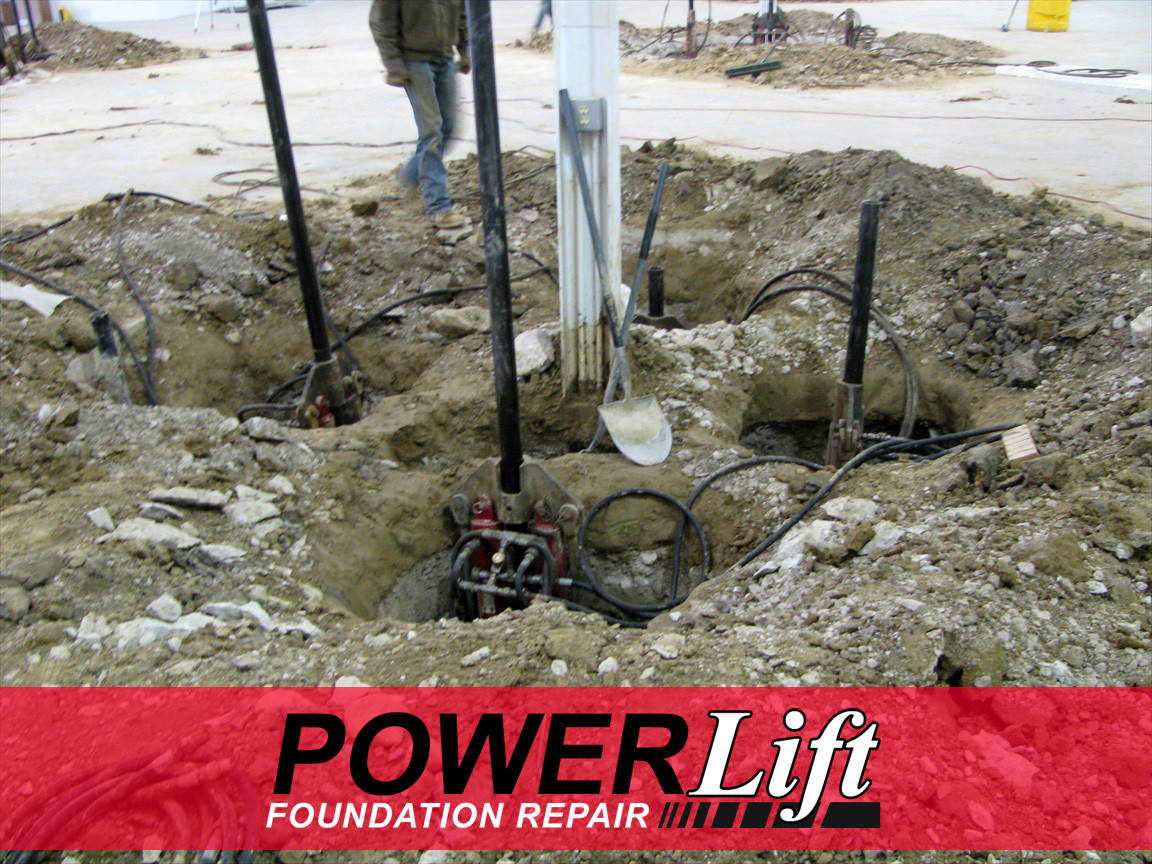
- Steel Push Piers: These are driven into the ground using the weight of the structure as a reactive force. Hydraulics force the steel pipe segments down through a heavy-duty bracket attached to the foundation footer. The pier is driven until it hits "refinement" or "refusal," meaning it has reached a layer of earth capable of supporting the specified load.
- Helical Piers: These piers feature screw-like plates at the bottom. Instead of being pushed, they are rotated into the ground using a high-torque hydraulic motor. Helical piers are ideal for lighter structures (like porches or single-story additions) or in areas where the soil lacks the density to provide resistance for push piers.
The technical advantage of the Powerlift approach is the Synchronized Lifting System. In 2026, precision is paramount. Rather than lifting one corner at a time—which can cause "stair-step" cracking in the masonry—Powerlift uses a manifold system that distributes hydraulic pressure across multiple piers simultaneously. This ensures the entire wall or section of the foundation rises evenly, minimizing stress on the building's frame.
Comprehensive Crawlspace Services: Beyond Stabilization
Crawlspace foundations present a unique set of challenges compared to slab-on-grade homes. Because the area beneath the floor joists is open, it is susceptible to both structural settlement and environmental degradation. Powerlift’s crawlspace services are bifurcated into structural support and moisture management.
Structural Crawlspace Supports
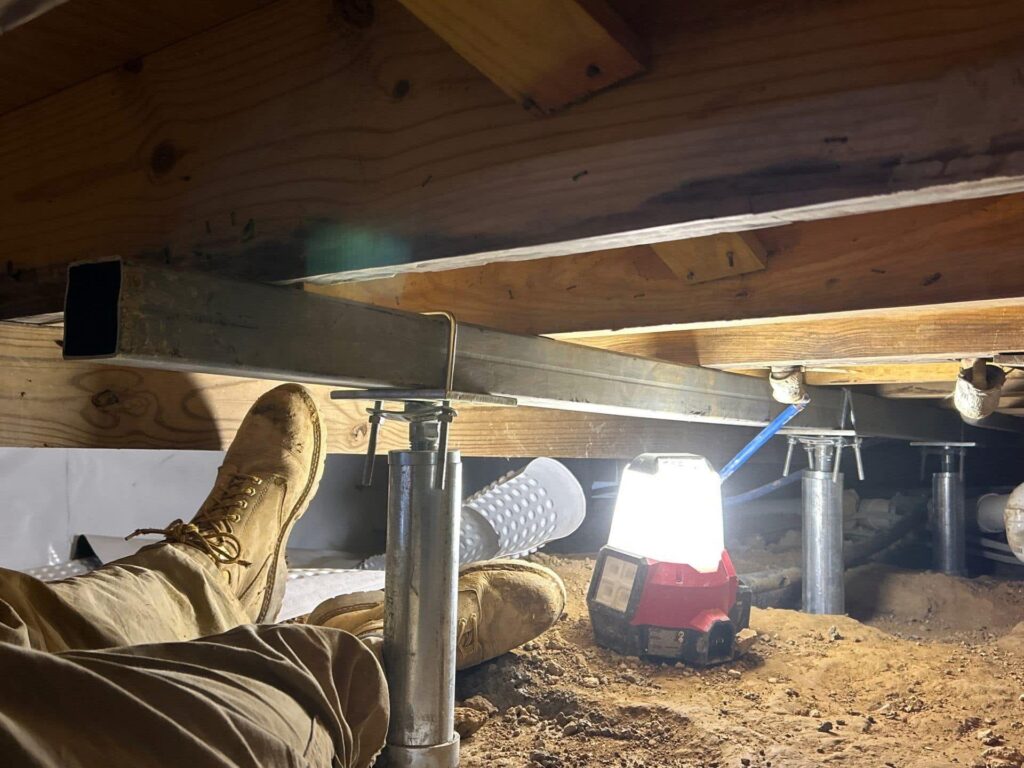
In many older homes, the interior floor joists are supported by wooden posts or concrete blocks resting on shallow footings. Over time, these interior supports sink, leading to "spongy" or uneven floors. Powerlift addresses this by installing adjustable steel crawlspace jacks. These jacks are placed on engineered footings and can be tightened to precisely level the floor above. Unlike wood, these steel supports will not rot, shift, or succumb to pest infestations.
Encapsulation and Moisture Management
The "Stack Effect" is a well-documented phenomenon where air from the crawlspace is drawn upward into the living areas of the home. If the crawlspace is damp, moldy, or infested with pests, that air quality is compromised. Furthermore, excessive moisture leads to wood rot in the sill plates and joists.
Powerlift’s encapsulation services involve:
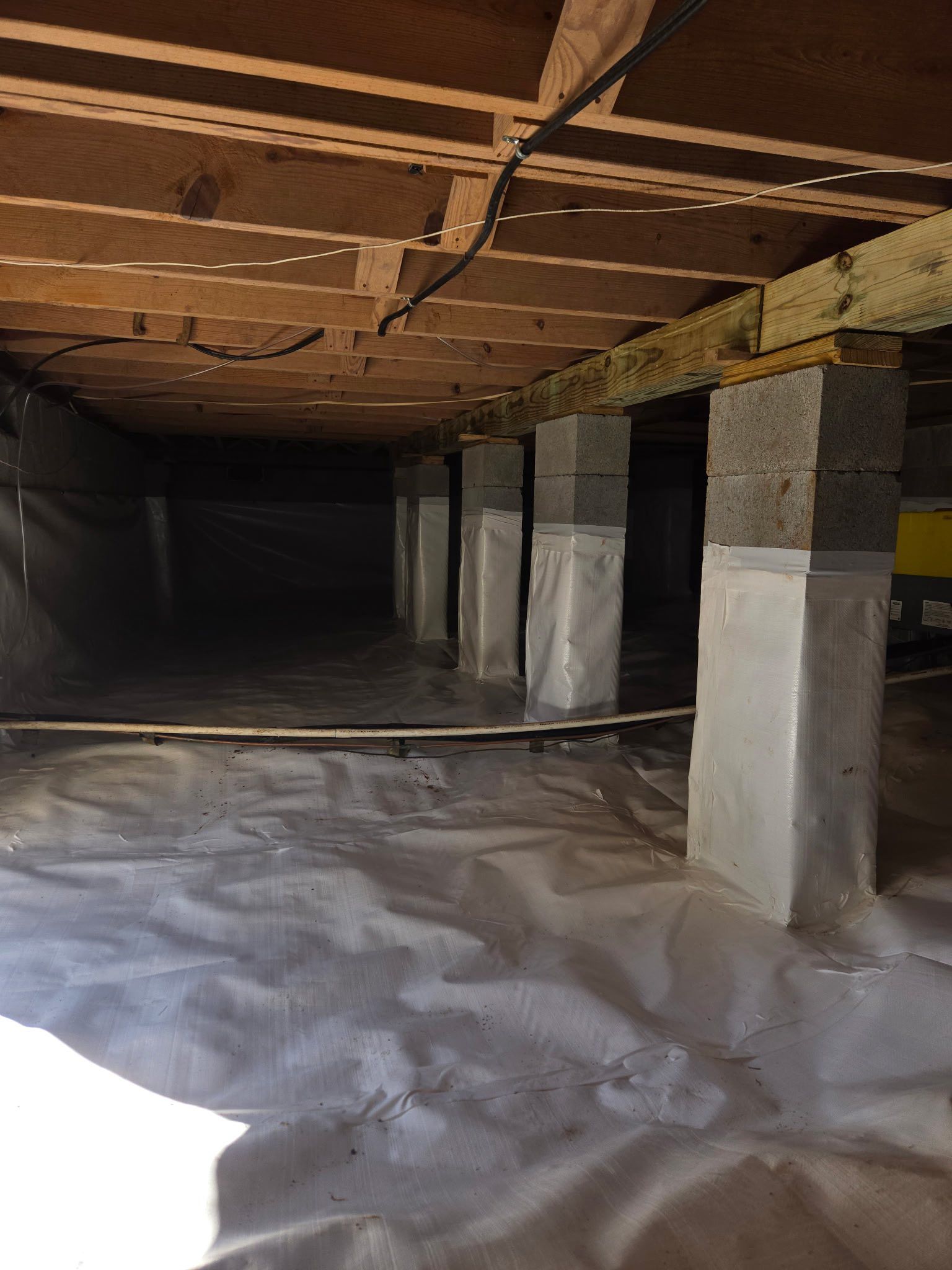
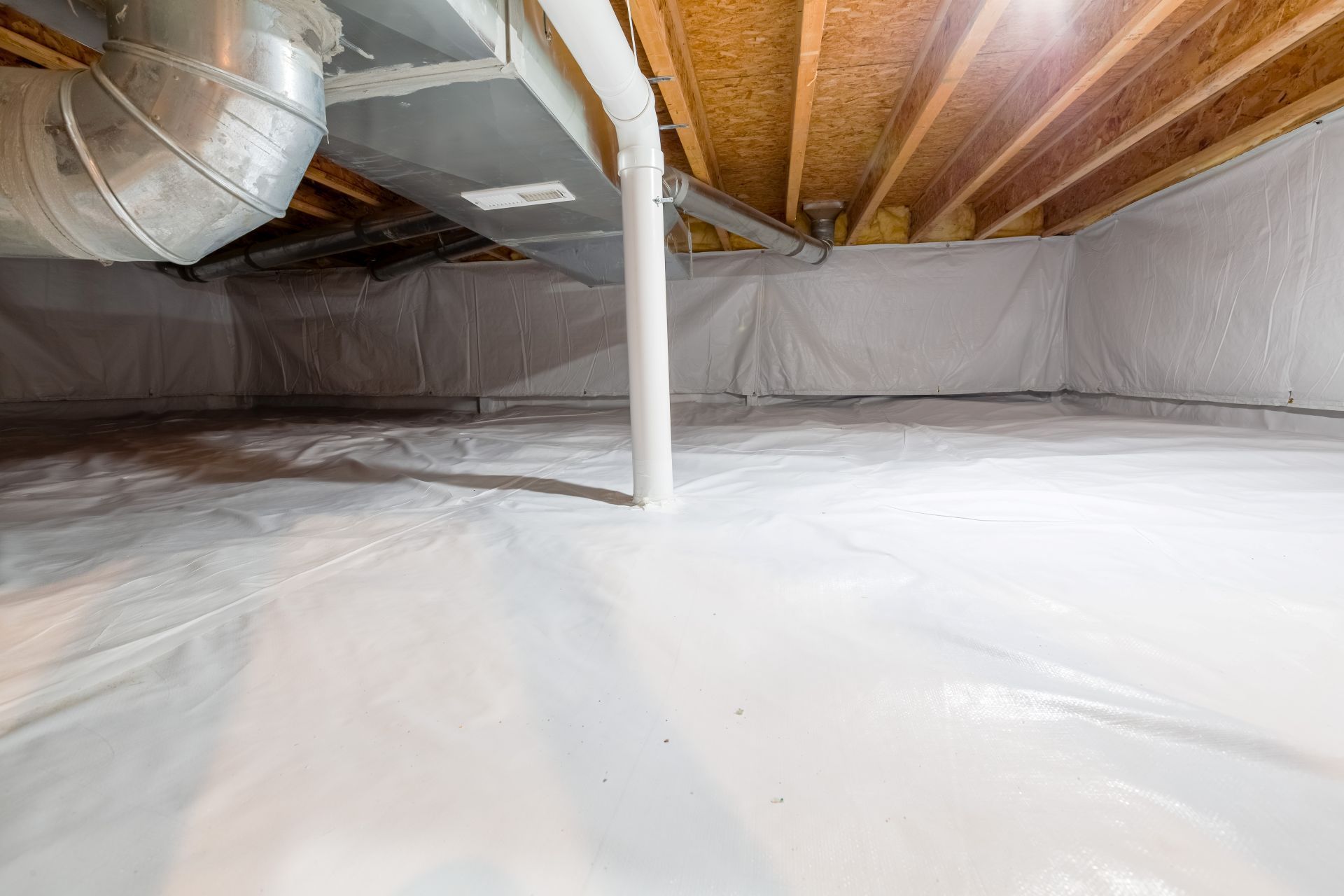
- Vapor Barrier Installation: Laying a heavy-duty, reinforced polyethylene liner over the ground and up the foundation walls to block ground moisture.
- Dehumidification: Installing industrial-grade dehumidifiers specifically designed for low-clearance areas to maintain a consistent relative humidity (usually below 55%).
- Drainage Solutions: Installing interior French drains or sump pumps to move liquid water away from the crawlspace before it can pool.
The Step-by-Step Powerlift Repair Process
Engaging in foundation repair can be a daunting prospect for homeowners. Understanding the technical sequence helps set expectations for the duration and impact of the project.
- Diagnostic Evaluation: A technician uses a digital floor level (often a ZipLevel) to map the elevation changes across the structure. This creates a "contour map" of the settlement.
- Excavation: At each pier location (typically every 6 to 8 feet along the affected area), a small hole is hand-dug to expose the foundation footer. This minimized excavation protects landscaping.
- Bracket Attachment: A heavy-duty steel bracket is secured to the concrete footer. This bracket serves as the anchor point for the hydraulic rams.
- Driving the Piers: Steel segments are driven through the bracket into the earth. Each segment is welded or sleeved to the next until the pier reaches the load-bearing strata.
- The Lift: Once all piers are in place, they are connected to the hydraulic pump. The structure is carefully lifted toward its original designed elevation.
- Securing and Backfilling: The piers are permanently locked into the brackets. The excavated soil is replaced and compacted, and any displaced concrete (such as in a driveway or sidewalk) is patched.
Costs, Warranties, and Long-Term Value in 2026
As of 2026, the cost of foundation repair is viewed as a critical investment in property equity. While prices vary by region and the depth of the stable strata, homeowners can expect a range based on the scope of the work.
| Service Type | Estimated Cost Range (2026) | Primary Benefit |
|---|---|---|
| Push Pier Installation | $1,500 – $2,500 per pier | Permanent stabilization of exterior walls. |
| Helical Pier Installation | $1,800 – $3,000 per pier | Ideal for new construction or light-load areas. |
| Crawlspace Encapsulation | $5,000 – $15,000 (total) | Improved air quality and rot prevention. |
| Interior Support Jacks | $800 – $1,400 per jack | Leveling of sagging interior floors. |
| Polyurethane Injection | $150 – $300 per foot | Filling voids and leveling flatwork (driveways). |
A defining feature of Powerlift services is the transferable lifetime warranty. This is a crucial document during real estate transactions. In 2026, many mortgage lenders and home inspectors require proof of foundation stabilization before approving a sale. Having a piering system backed by a reputable company ensures that the structural integrity of the home is guaranteed for the life of the structure, not just the current owner.
Common Pitfalls and Troubleshooting
Homeowners often wait too long to address foundation issues, fearing the cost. However, delayed action often leads to "secondary settlement," where the plumbing lines beneath the house snap due to the shifting concrete. If you notice a sudden increase in your water bill or a "sewer smell" in the yard, it may be a sign that foundation movement has already compromised your utility lines.
Another common mistake is opting for "total replacement" of the foundation. In almost every scenario, piering is more cost-effective and less disruptive than the "excavate and replace" method. Replacing the concrete without addressing the underlying soil instability simply means the new concrete will eventually settle just like the old concrete did.
FAQs
How long does a typical Powerlift repair take?
Most residential foundation repairs can be completed in 3 to 5 days. Crawlspace encapsulation may add another 2 days depending on the size of the home. Because the work is primarily performed on the exterior of the house, residents typically do not need to vacate the premises during the process.
Will the cracks in my brick close up during the lift?
In many cases, yes. As the foundation is returned to its original position, vertical and diagonal cracks in masonry often "zip" back together. However, it is important to note that while the structure is stabilized, some cosmetic tuck-pointing or drywall repair may still be necessary to achieve a perfect finish.
Does homeowners insurance cover Powerlift foundation repair?
Generally, no. Most standard homeowners insurance policies exclude foundation repair unless the damage was caused by a specific covered peril, such as a burst pipe or a vehicle impact. Settlement caused by soil compaction or expansion is typically considered a maintenance issue. However, always consult your policy or agent for specific coverage details.
What is the difference between mudjacking and Powerlift piering?
Mudjacking (or polyjacking) involves injecting a grout or foam under a slab to fill voids and lift it. While effective for driveways and sidewalks, it is not a structural solution for a home’s perimeter walls. Powerlift piering is a deep-foundation solution, whereas mudjacking is a surface-level fix.
Is the steel used in the piers susceptible to rust?
The steel piers used by Powerlift are typically galvanized or made of high-thickness carbon steel. Because they are driven deep into the earth where oxygen levels are low, the rate of corrosion is extremely slow. These systems are engineered to last well over 100 years, far exceeding the typical lifespan of the home itself.
Final Recommendation
If you suspect foundation or crawlspace issues, the first step should be a professional structural evaluation. Look for signs of "differential settlement"—where one part of the house is moving while another remains stationary. In 2026, the technology behind Powerlift piering remains the most reliable method for neutralizing the effects of expansive clay soils. Prioritize contractors who offer synchronized lifting and transferable warranties to ensure your home remains a stable asset for decades to come.
Image Gallery