How to Complete the AAA Life Insurance Beneficiary Designation Form
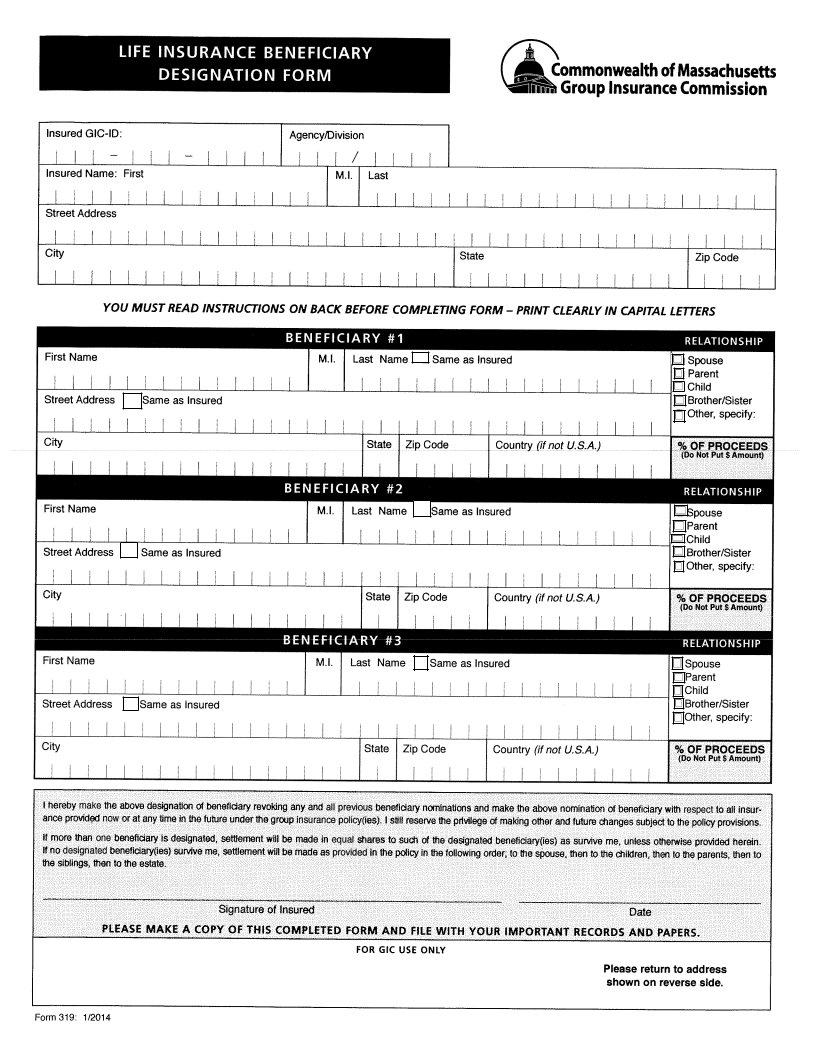
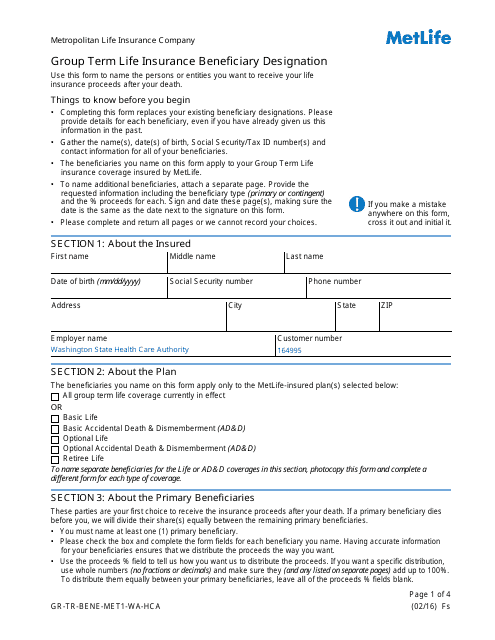
To complete the AAA Life Insurance Beneficiary Designation Form, record your policy number and personal details, identify primary and contingent beneficiaries with their full legal names, Social Security numbers, dates of birth, and ex...
To complete the AAA Life Insurance Beneficiary Designation Form, record your policy number and personal details, identify primary and contingent beneficiaries with their full legal names, Social Security numbers, dates of birth, and exact percentage shares totaling 100% per tier. Sign and date the document, obtaining spousal consent if living in a community property state.
Contents
Understanding the AAA Life Insurance Beneficiary Designation Form
The AAA Life Insurance Beneficiary Designation Form is a binding legal document that dictates how the death benefit of your AAA life insurance policy will be distributed upon your passing. Administered by the AAA Life Insurance Company, this document overrides instructions left in a standard will or general estate plan. Maintaining an accurate, fully completed form ensures that policy proceeds are disbursed quickly, directly, and without unnecessary probate delays or legal disputes among surviving family members.
Whether you are establishing a new policy, adjusting your estate plan after a marriage or divorce, welcoming a child, or simply conducting a periodic financial review in 2026, accurately completing this document is critical. Failing to complete all required fields, making mathematical errors in percentage allocations, or omitting necessary signatures can cause administrative holds, delays in claim payments, or potentially lead to funds being directed to your estate where they may be subject to creditor claims and probate court fees.
Disclaimer: This guide is provided for informational and educational purposes only and does not constitute legal, tax, or financial advice. For complex estate planning scenarios, special needs trusts, or contested family situations, consult a qualified estate attorney or tax professional.
Prerequisites and Information Needed Before Filling Out the Form
Before sitting down to complete the AAA Life Insurance Beneficiary Designation Form, gathering all necessary legal and identifying information for yourself and your intended beneficiaries will prevent errors and ensure a smooth submission process.
Prerequisite Checklist for AAA Form
Policy Identification:
- AAA Life Insurance Policy Number(s)
- Insured's Full Legal Name, Address, & SSN/TIN
Beneficiary Details (Primary & Contingent):
- Full Legal Names (No nicknames or maiden-only names)
- Social Security Numbers (SSN) or Tax ID Numbers (TIN)
- Dates of Birth (MM/DD/YYYY)
- Current Residential Addresses & Phone Numbers
- Relationship to the Insured (e.g., Spouse, Child, Trust)
- Pre-determined Percentage Allocation (Must equal 100%)
Legal & Special Documentation (If Applicable):
- Trust Name, Date of Agreement, & Trustee Name/EIN
- UTMA/UGMA Custodian Details for Minor Children
- Spousal Consent Signature (if living in Community Property State)
Having these details organized prior to writing on the paper form or filling out the electronic PDF minimizes scribbles, cross-outs, and conflicting data—all of which can cause AAA Life Insurance underwriters to reject the form.
Step-by-Step Guide to Completing the Form
The AAA Life Insurance Beneficiary Designation Form is divided into several structured sections. Each section serves a distinct regulatory and administrative purpose. Follow these steps carefully to ensure complete compliance with company guidelines.
Section 1: Policy and Owner Identification
The top section of the form establishes which policy is being modified and verifies the identity of the policy owner.
- Policy Number: Enter your complete AAA Life Insurance policy number. If you hold multiple policies with AAA Life and intend to update all of them, list each policy number clearly or complete separate forms if instructed by your account representative.
- Insured’s Name: Print the full legal name of the person whose life is covered by the policy (First Name, Middle Initial, Last Name).
- Policy Owner’s Name: If the policy owner is someone other than the insured (for example, a spouse or a third-party trust), print the owner's full legal name. If the insured and the owner are the same person, write "Same."
- Owner’s Contact Information: Provide the owner’s current mailing address, primary contact phone number, email address, and Social Security Number (SSN) or Tax Identification Number (TIN). AAA Life uses these details to verify authenticity before applying changes to the account.
Section 2: Designating Primary Beneficiaries
Primary beneficiaries are first in line to receive the policy death benefit upon the death of the insured.
- Full Legal Name: Print the exact legal name for each beneficiary. Avoid using nicknames, informal abbreviations, or initials (e.g., write "Elizabeth Smith" rather than "Beth Smith"). If designating a married individual, use their current legal surname.
- Relationship to Insured: State how the beneficiary is related to the insured person (e.g., Spouse, Son, Daughter, Brother, Business Partner).
- Social Security Number / Tax ID: Providing an accurate SSN or TIN is essential. This allows AAA Life Insurance to verify the individual's identity and process payouts rapidly without requiring extensive search efforts.
- Date of Birth: Enter the beneficiary’s date of birth in the format
MM/DD/YYYY. - Mailing Address & Phone Number: Include complete street addresses, city, state, zip code, and contact numbers.
- Percentage Share (%): Assign a specific percentage of the total benefit to each primary beneficiary. The sum of all primary beneficiary percentages must equal exactly 100%. Do not use dollar amounts (e.g., "$50,000"), as changing policy cash values or face amounts over time can create ambiguities. Write clear percentages such as
50%to Person A and50%to Person B.
Section 3: Designating Contingent Beneficiaries
Contingent beneficiaries (also referred to as secondary beneficiaries) receive the life insurance proceeds only if all named primary beneficiaries pass away before the insured person.
- Complete All Required Fields: Just as with primary beneficiaries, provide the full legal name, relationship, SSN/TIN, date of birth, address, and phone number for each contingent beneficiary.
- Assign Percentages: Assign explicit percentage shares to each contingent beneficiary. The total percentage for all contingent beneficiaries combined must also equal exactly 100%.
- Independent Tiers: Remember that contingent percentages operate independently of primary percentages. Primary allocations must sum to 100%, and contingent allocations must sum to 100%. Do not divide the 100% total between primary and contingent tiers.
Section 4: Special Allocations (Trusts, Estates, and Minors)
When naming entities other than individual adult persons, specialized formatting rules apply to ensure the designation is legally valid.
Naming a Revocable or Irrevocable Trust
If you wish to direct proceeds into a trust, do not simply write the trustee's name. Use the formal legal title of the trust.
- Format: Provide the full legal name of the trust, the date the trust agreement was executed, and the name of the active trustee.
- Example: "The John Doe Revocable Living Trust dated January 15, 2022, John Doe Trustee."
- Tax ID: Include the Taxpayer Identification Number (EIN or SSN) associated with the trust.
Naming Minor Children
In most jurisdictions, insurance companies cannot pay life insurance death benefits directly to a minor child under the age of majority (18 or 21, depending on state law). If a minor is named directly without legal provisions, the state court may appoint a legal guardian to manage the funds, resulting in unnecessary court costs and legal fees.
To avoid this, policyholders often designate a custodian under the Uniform Transfers to Minors Act (UTMA) or Uniform Gifts to Minors Act (UGMA):
- Example: "Jane Smith, as custodian for Michael Doe under the [State Name] Uniform Transfers to Minors Act."
- Specify the state whose governing laws apply to the custodianship.
Naming Your Estate
While you can designate "Estate of the Insured" as a beneficiary, financial advisors and estate planners generally discourage this setup unless specific strategy demands it. Directing funds to an estate subjects the death benefit to probate proceedings, delays distribution, and opens the proceeds to claims from outstanding debts and creditors.
Section 5: Signature, Spousal Consent, and Authorization
The final section validates the changes requested on the document.
- Owner Signature & Date: The policy owner must sign and date the form in ink (or provide a verified digital signature if submitting through the official AAA electronic portal).
- Irrevocable Beneficiary Signatures: If your policy has a previously designated irrevocable beneficiary, that individual must also sign the form agreeing to any change in benefit distribution.
- Spousal Consent (Community Property States): If you reside in a community property state and wish to name someone other than your legal spouse as a primary beneficiary for more than 50% of the benefit, your spouse may be legally required to sign a consent waiver on the form.
Beneficiary Types and Legal Structures Compared
Choosing how to structure your designations depends on your personal financial goals, legal setup, and family dynamics. The table below compares the primary options available on the AAA Life form.
| Designation Type | Primary Purpose | Key Information Required | Main Advantage | Potential Risk / Limitation |
|---|---|---|---|---|
| Primary Beneficiary | Direct, first-line recipient of policy proceeds. | Full Legal Name, SSN, DOB, Address, Relationship, Percentage Share. | Direct payout without probate delays; clear immediate transfer of wealth. | If the primary beneficiary predeceases the insured without updates, funds fall to contingent level. |
| Contingent Beneficiary | Backup recipient if all primary beneficiaries predecease the insured. | Full Legal Name, SSN, DOB, Address, Relationship, Percentage Share. | Prevents policy proceeds from defaulting to probate court if primary passes first. | Receives zero proceeds if at least one primary beneficiary survives the insured. |
| Trust Designation | Payout to a legal trust managed by a trustee for specific instructions. | Full Trust Name, Execution Date, Name of Trustee, Trust EIN/TIN. | Maximum control over how and when money is disbursed (e.g., staggered age payouts). | Requires legal creation and potential setup costs for a formal trust agreement. |
| Minor Child via UTMA/UGMA | Payout held by a legal custodian until the minor reaches adulthood. | Name of Custodian, Name of Minor, Applicable State UTMA/UGMA Statute. | Avoids expensive court-appointed guardianship while protecting minor's inheritance. | Funds transfer unconditionally to the beneficiary upon reaching the state statutory age (18 to 25). |
| Estate of the Insured | Payout goes to the deceased's general legal estate. | Explicit wording: "Estate of [Insured Name]". | Serves as a catch-all if no living relatives exist or for specific debt settlement strategies. | Subject to probate delays, legal fees, public court records, and creditor claims. |
Community Property Laws and Spousal Rights
State legal frameworks play a major role in how life insurance proceeds are allocated. If you live in a community property state, life insurance policies purchased during a marriage with community income are legally considered joint marital assets.
Recognized Community Property States
The primary community property states include:
- Arizona
- California
- Idaho
- Louisiana
- Nevada
- New Mexico
- Texas
- Washington
- Wisconsin
(Note: Puerto Rico also observes community property rules, and states like Alaska, Tennessee, and Kentucky offer opt-in community property trusts).
Spousal Consent Rules
If you reside in one of these states and wish to designate a third party—such as a sibling, child from a prior marriage, or charity—to receive more than 50% of the policy proceeds, AAA Life Insurance requires your spouse to complete and sign the Spousal Consent portion of the beneficiary designation form.
If you fail to obtain required spousal consent:
- The designation may be deemed invalid or legally contested upon your death.
- The surviving spouse may retain a legal claim to up to 50% of the death benefit under state law regardless of what is written on the form.
How to Submit Your Completed Form to AAA Life Insurance
Once you have verified all percentages, confirmed SSNs, and signed the form, you must deliver it to AAA Life Insurance for official processing. AAA Life offers multiple processing channels.
Submission Methods for AAA Life Form
METHOD 1: ONLINE E-SERVICES PORTAL (Fastest)
- Log into your account at the official AAA Life portal.
- Navigate to "Policy Services" -> "Update Beneficiaries".
- Upload a scanned, signed PDF copy of the form.
METHOD 2: MAIL DELIVERY
- Address: AAA Life Insurance CompanyAttn: Policyowner Services17900 N. Laurel Park DriveLivonia, MI 48152
METHOD 3: FAX SUBMISSION
- Send completed form to AAA Life Customer Service:Fax Number: 1-734-779-2096 (Verify on current form header)
Verification and Processing Time
- Confirmation Letter: After submitting, AAA Life will review the form for administrative completeness. Upon approval, you will receive an official written confirmation or electronic notification confirming that your beneficiary record has been updated.
- Processing Window: Standard processing typically takes 5 to 10 business days. Do not assume changes are active until you receive formal confirmation from AAA Life Insurance.
- Keep a Copy: Always retain a clean, signed duplicate copy of your submitted form alongside your permanent estate planning documents and policy contracts.
Common Mistakes to Avoid
Submitting an incomplete or miscalculated form can delay claim settlement or result in litigation. Avoid these standard errors when filling out the AAA Life beneficiary form:
- Percentages That Do Not Equal 100%: A common mistake is assigning 33% to three children, leaving an unallocated 1%. Ensure primary allocations equal exactly 100% (e.g., 34%, 33%, 33%) and contingent allocations equal exactly 100%.
- Dollar Amount Allocations: Never write specific monetary amounts like "$25,000 to Person A." Policy balances, interest accruals, or partial loans change the net payout. Always use whole percentages.
- Informal Names or Nicknames: Writing informal names like "Grandma Sue" or "Bobby Miller" creates identity ambiguity. Use full legal names corresponding with official government-issued identification (e.g., "Robert Edward Miller").
- Failing to Update After Major Life Events: Divorce, remarriage, births, or the death of a named beneficiary require an immediate form review. In many jurisdictions, divorce does not automatically revoke a former spouse's beneficiary status on a private life insurance contract unless state statute or a divorce decree explicitly mandates it.
- Missing Spousal Signature: Omitting the required spousal consent in community property states will trigger rejection of the update or cause contested claims later.
- Unclear "Per Stirpes" Designations: If you intend for a deceased beneficiary's share to pass down to their surviving children (lineal descendants), you must explicitly select or write the legal phrase "Per Stirpes" alongside the beneficiary designation, provided AAA Life permits that election on the form.
Frequently Asked Questions
Can I complete the AAA Life Insurance beneficiary form online?
Yes. Policyholders can log into the AAA Life Insurance Member Portal (eServices), access their account documents, fill out the electronic beneficiary designation form, and submit it electronically or upload a signed PDF scan.
What happens if I do not name a contingent beneficiary?
If your primary beneficiary passes away before you and you have not designated a contingent beneficiary (or updated your primary designation), the policy proceeds will typically default to your estate upon your death. This subjects the funds to probate proceedings, delays distribution, and opens the payout to estate creditors.
Can I name a non-relative as a beneficiary on my AAA life insurance policy?
Yes. You can designate non-relatives, partners, friends, registered charities, or business entities as beneficiaries. However, insurance companies require that an insurable interest or clear legal direction exists at policy inception. When updating existing beneficiaries, you are generally free to allocate funds as you choose, subject to spousal consent laws in community property states.
Does a will override a completed AAA Life Insurance beneficiary form?
No. Life insurance policies are non-probate contractual assets. The beneficiary designation form on file with AAA Life Insurance at the time of the insured's death legally supersedes any conflicting instructions written in a last will and testament.
How often should I review and update my beneficiary form?
It is best practice to review your AAA Life beneficiary designations every 2 to 3 years, or immediately following significant life events such as marriage, divorce, the birth or adoption of a child, a major change in personal finances, or the death of a previously named beneficiary.
Next Steps and Final Checklist
To finalize your AAA Life Insurance Beneficiary Designation Form and ensure your loved ones are protected without administrative delays, complete the following final actions:
- Obtain your official AAA Life Insurance Policy Number from your policy declaration page or online portal.
- Collect full legal names, Social Security numbers, dates of birth, and addresses for all intended primary and contingent beneficiaries.
- Calculate percentage distributions for each beneficiary tier, confirming that primary beneficiaries total 100% and contingent beneficiaries total 100%.
- If designating a minor, establish an appropriate UTMA/UGMA custodial statement or name a formal trust structure.
- Ensure the policy owner signs and dates the form in ink or through authorized digital signature.
- If living in a community property state and designating someone other than your spouse for over 50% of proceeds, obtain your spouse’s signature in the consent section.
- Submit the completed form to AAA Life Insurance via their online eServices portal, secure fax, or certified mail.
- Store a copy of the completed form in your personal records alongside your life insurance policy contract.
Image Gallery