Comprehensive Guide to Navigating ABC Capital Investment and Financial Strategy
ABC Capital Investment represents a strategic intersection within modern financial services, encompassing institutional capital allocation, private wealth structures, and market-oriented advisory frameworks. For investors, business own...
ABC Capital Investment represents a strategic intersection within modern financial services, encompassing institutional capital allocation, private wealth structures, and market-oriented advisory frameworks. For investors, business owners, and portfolio managers evaluating opportunities under this banner, understanding the mechanics of capital deployment, regulatory constraints, and asset diversification is essential for long-term financial stability.
Contents
Navigating the landscape of modern investment firms requires a rigorous evaluation of fiduciary responsibilities, fee structures, risk profiles, and historical performance. Whether you are assessing an institutional fund manager, a boutique advisory firm, or corporate financial services, a structured approach to due diligence helps mitigate volatility and align portfolios with specific liquidity and growth objectives.
Understanding the Landscape of ABC Capital Investment
The modern investment ecosystem is built on a foundation of diverse financial products, ranging from traditional equity portfolios to alternative asset classes such as private equity, venture capital, and real estate investment trusts (REITs). When analyzing entities operating under designations like ABC Capital Investment, stakeholders must first differentiate between retail-facing wealth management, institutional asset management, and proprietary trading or private lending operations.
Institutional asset management typically involves pooling funds from multiple investors—such as pension funds, endowments, and high-net-worth individuals—to achieve economies of scale and diversified exposure. In contrast, boutique capital investment firms often specialize in targeted market niches, offering customized portfolio construction, direct equity investments, or mezzanine debt financing.
Evaluating any financial institution begins with examining its regulatory posture, licensing credentials, and jurisdictional compliance. In major financial markets, oversight bodies such as the Securities and Exchange Commission (SEC) in the United States or equivalent international regulators mandate rigorous transparency regarding assets under management (AUM), fee disclosures, and potential conflicts of interest. Investors should always verify registration status through official regulatory databases before committing capital.
Core Services and Investment Vehicles
Capital investment firms generally structure their offerings around specific risk-return parameters tailored to client mandates. Understanding these vehicles ensures that capital is deployed in alignment with liquidity horizons and risk tolerance.
Equity and Fixed-Income Portfolios
Traditional public market strategies form the bedrock of many capital investment portfolios. These include actively managed or passively indexed equity funds designed for capital appreciation, alongside fixed-income instruments—such as corporate bonds, municipal bonds, and government treasuries—designed to generate predictable income streams and capital preservation.
Alternative Assets and Private Equity
Beyond public markets, sophisticated capital investment strategies frequently incorporate alternative assets to reduce overall portfolio correlation. These vehicles include:
- Venture Capital: Funding early-stage, high-growth startups in exchange for equity ownership.
- Private Equity: Acquiring controlling stakes in mature private companies or executing leveraged buyouts (LBOs) to restructure operations and enhance profitability.
- Real Estate Syndications: Direct or indirect investment in commercial, industrial, or residential properties designed to capture rental yield and long-term appreciation.
Structured Finance and Advisory Services
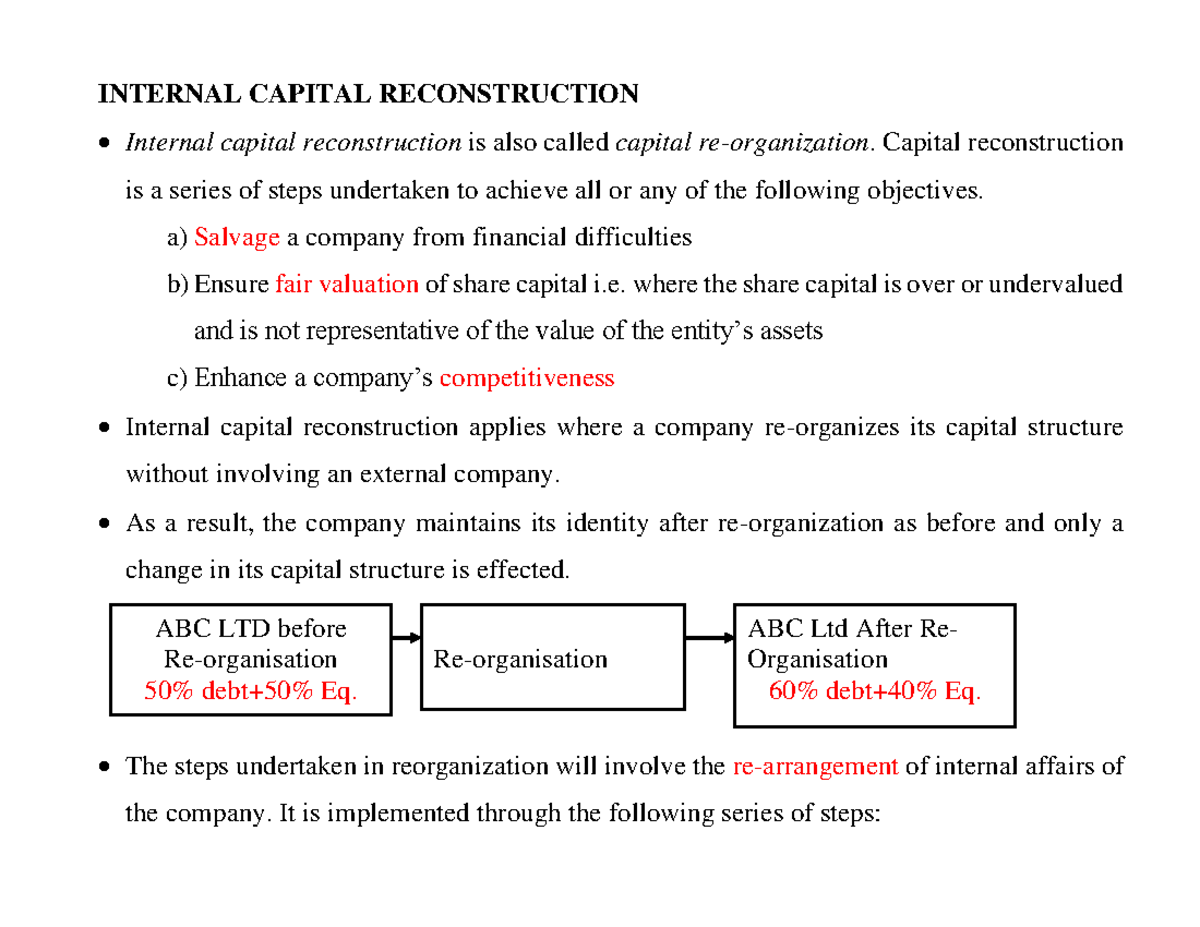
Many capital firms also provide advisory services for corporate restructuring, mergers and acquisitions (M&A), and debt refinancing. These services help businesses optimize their capital structures, balancing the cost of debt against equity dilution to maximize shareholder value.
Evaluating Risk, Return, and Cost Structures
Before engaging with any investment manager or capital deployment strategy, stakeholders must conduct a comprehensive cost-benefit and risk analysis. Financial markets inherently involve uncertainty, and capital preservation must be balanced against yield generation.
Fee Architectures and Transparency
Investment management fees can significantly impact net returns over long investment horizons. Common fee models include:
- Assets Under Management (AUM) Fee: A fixed percentage (typically ranging from 0.50% to 2.00% annually) charged against the total portfolio value.
- Performance Fees: A share of investment profits (often structured around the "2 and 20" model common in hedge funds and private equity, denoting a 2% management fee and 20% of profits above a specified hurdle rate).
- Transaction and Custodial Fees: Costs associated with buying, selling, and holding securities through third-party custodians.
Risk Management Frameworks
A credible capital investment operation maintains robust risk management protocols. These include Value at Risk (VaR) modeling, stress testing under adverse macroeconomic scenarios, strict portfolio rebalancing rules, and adherence to diversification guidelines to avoid overexposure to single sectors or asset classes.
| Feature / Metric | Traditional Public Equity Funds | Private Equity / Alternative Funds | Fixed-Income Portfolios |
|---|---|---|---|
| Primary Objective | Long-term capital appreciation | High growth / enterprise restructuring | Capital preservation & income |
| Liquidity Horizon | Daily liquidity (open-ended) | Illiquid (5 to 10+ year lockups) | Varies (daily to maturity date) |
| Typical Fee Structure | 0.50% - 1.50% AUM fee | 1.5% - 2% management + 20% performance | 0.25% - 0.75% AUM fee |
| Regulatory Oversight | High (Public market disclosures) | Moderate-to-High (Private placement rules) | High (Regulated debt markets) |
Strategic Steps for Engaging with Capital Investment Firms
Initiating a relationship with a capital investment provider requires a structured, multi-step due diligence process. Skipping these steps can expose investors to operational risks, hidden fees, or unaligned investment mandates.
- Define Financial Objectives and Constraints: Establish clear parameters regarding your target rate of return, maximum acceptable drawdown, tax considerations, and liquidity requirements.
- Conduct Background and Regulatory Checks: Review the firm's regulatory filings, compliance history, and disciplinary disclosures through official channels like FINRA’s BrokerCheck or SEC Investment Adviser Public Disclosure (IAPD) systems.
- Review Historical Performance and Track Record: Examine audited performance metrics across different market cycles. Ensure comparisons are made against appropriate benchmark indexes rather than unverified claims.
- Analyze Fee Disclosures and Legal Agreements: Carefully read Form ADV Part 2A (Firm Brochure) and private placement memorandums (PPMs) to understand all direct and indirect costs, hurdle rates, and exit penalties.
- Establish Ongoing Governance and Reporting: Set expectations for regular portfolio reporting, tax documentation delivery, and periodic review meetings with your designated portfolio manager or financial advisor.
Disclaimer: The information provided in this article is for educational and informational purposes only and does not constitute financial, legal, or professional investment advice. Financial markets involve substantial risk of loss, and past performance is not indicative of future results. Consult with a qualified, licensed financial professional before making significant capital allocations.
Frequently Asked Questions
What is the primary role of a capital investment firm?
A capital investment firm pools, manages, and deploys capital into various financial instruments, businesses, or assets with the objective of generating financial returns for its investors while managing associated risks.
How do alternative investments differ from traditional public market investments?
Alternative investments—such as private equity, real estate, and venture capital—are typically characterized by lower liquidity, higher minimum investment thresholds, and potentially higher return profiles due to their private market nature and operational involvement in underlying assets.
What should I look for when reviewing a firm's Form ADV?
Form ADV Part 2A provides vital details regarding a firm's business practices, fee schedules, potential conflicts of interest, disciplinary history, and the educational and professional backgrounds of its key personnel.
How can I verify the legitimacy of an investment advisor or capital firm?
You can verify an advisor's credentials and regulatory status by searching public regulatory databases such as the SEC's Investment Adviser Public Disclosure database or FINRA BrokerCheck for U.S.-based entities.
What are common pitfalls to avoid when deploying investment capital?
Common mistakes include failing to diversify across asset classes, underestimating the impact of management and performance fees on long-term compound returns, committing to illiquid assets without adequate emergency reserves, and neglecting thorough regulatory due diligence.
How do economic conditions impact capital investment strategies?
Macroeconomic factors such as interest rate fluctuations, inflation, geopolitical events, and regulatory shifts directly influence asset valuations, borrowing costs, and sector performance, requiring active portfolio adjustments and risk management.
Next Actions for Investors
To operationalize these insights, begin by auditing your current asset allocation and liquidity requirements. If you are evaluating a specific capital investment opportunity or advisory firm, request their Form ADV and audited performance records immediately. Schedule a consultation with an independent certified financial planner (CFP) or tax attorney to review any complex private placement agreements before transferring funds.
Image Gallery