The Evolution of BuzzFeed Personality Quizzes in 2026: Trends, Psychology, and Engagement
BuzzFeed personality quizzes are interactive, digital assessments designed to categorize users into specific personas or outcomes based on their answers to a series of subjective questions. In 2026, these quizzes have evolved from simp...
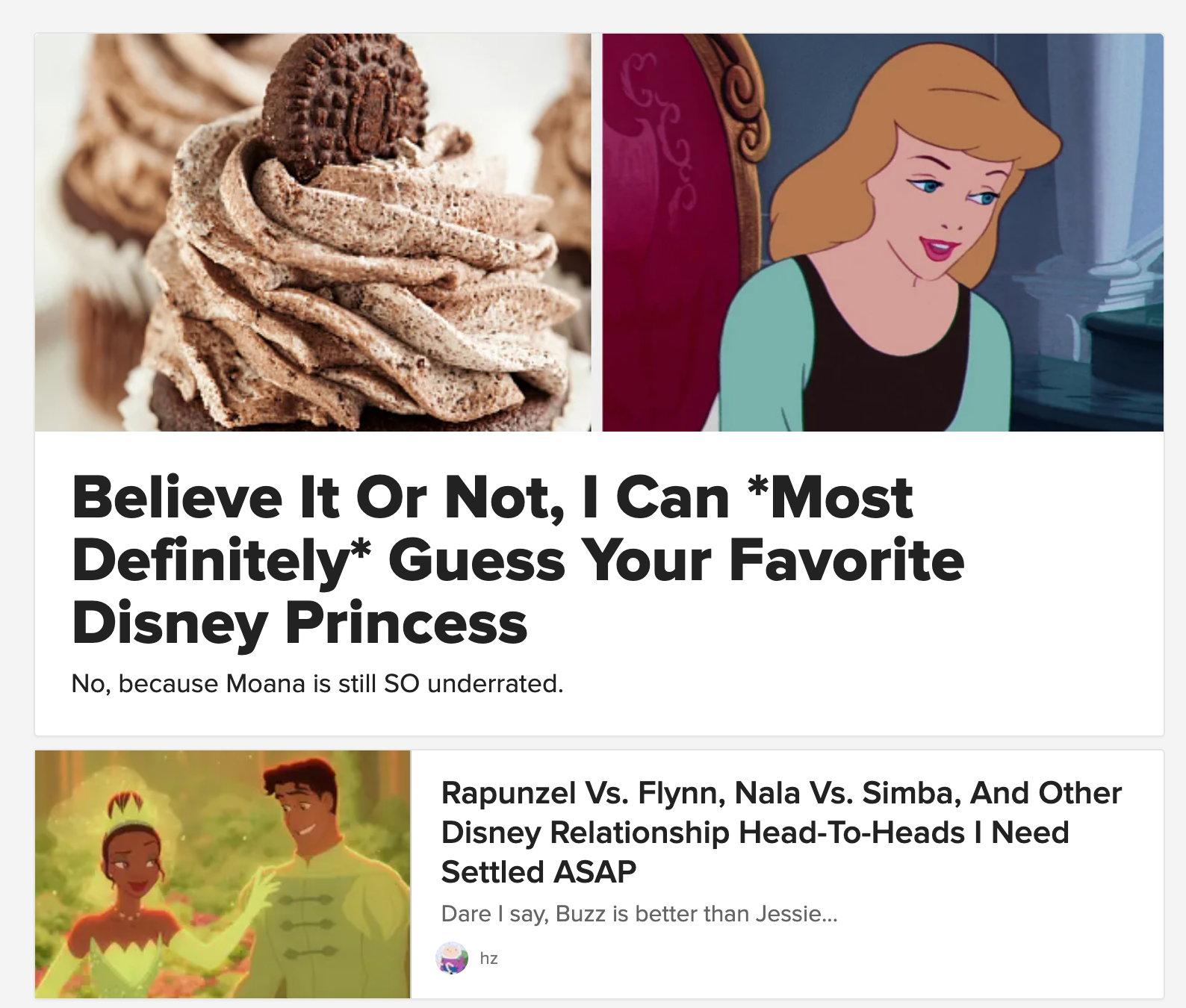
BuzzFeed personality quizzes are interactive, digital assessments designed to categorize users into specific personas or outcomes based on their answers to a series of subjective questions. In 2026, these quizzes have evolved from simple "Which Disney Character Are You?" templates into hyper-personalized, AI-driven experiences that dominate social media feeds and serve as a primary vehicle for self-expression and digital community building.
Contents
The landscape of internet culture in 2026 continues to be shaped by the desire for quick, shareable validation. While the platform has branched into various media formats, the "personality quiz" remains its most potent tool for engagement. These quizzes use psychological triggers to encourage users to explore their own identities, making them a staple of both casual entertainment and sophisticated digital marketing strategies.
The Psychological Hook: Why Personality Quizzes Thrive in 2026
The enduring success of the BuzzFeed personality quiz is not accidental; it is rooted in deep-seated psychological principles that remain relevant in 2026. The primary driver is the "Barnum Effect" (or Forer Effect), where individuals believe that generic personality descriptions apply specifically to them. By providing results that feel tailored and affirmative, BuzzFeed creates an emotional connection with the user.
In 2026, this has been amplified by the "Validation Loop." When a user receives a result that aligns with their desired self-image—such as being labeled "The Creative Visionary" or "The Loyal Friend"—they are neurologically incentivized to share that result on social platforms. This act of sharing serves two purposes: it reinforces the user's identity to their social circle and provides BuzzFeed with a viral distribution channel that costs nothing in traditional advertising spend.
The Role of Social Identity
Modern internet users utilize quizzes to signal membership in specific subcultures. Whether it is identifying with a particular aesthetic, a decade of nostalgia, or a specific fandom, the result of a quiz acts as a digital badge. In the 2026 social media ecosystem, these results are often integrated directly into profile bios or shared via augmented reality stories, making the quiz a fundamental component of one's online persona.
How BuzzFeed Personality Quizzes Have Changed: The 2026 Landscape
The technical framework of BuzzFeed quizzes has undergone a massive transformation. In the early days, these were simple branching logic structures. Today, the 2026 iteration leverages advanced algorithms and Generative AI to create a more immersive experience.
- AI-Generated Outcomes: Unlike the static results of the past, many 2026 quizzes use AI to generate unique, long-form descriptions of the user's personality based on their specific combination of answers, ensuring that no two users get the exact same text.
- Dynamic Questioning: The questions themselves now adapt in real-time. If a user’s first three answers suggest a preference for high-energy activities, the subsequent questions pivot to narrow down whether that energy is athletic, social, or creative.
- Multimedia Integration: 2026 quizzes are no longer just text and static images. They incorporate short-form video loops, interactive sliders, and spatial audio cues to make the "selection" process more tactile and engaging.
- Platform Interoperability: Quizzes are now frequently embedded directly within messaging apps and spatial computing environments, allowing users to take them without ever leaving their primary digital workspace.
Comparative Analysis of BuzzFeed Quiz Formats
In 2026, the term "personality quiz" covers several distinct sub-formats. Understanding these differences is crucial for both creators and users looking for specific types of entertainment or data.
| Quiz Type | Core Objective | Technical Complexity | Typical Share Rate |
|---|---|---|---|
| The Classic Identity Quiz | Categorizes the user into a pre-defined persona (e.g., Hogwarts House). | Low to Medium | Very High |
| The AI-Hybrid Persona | Uses generative text to create a custom profile based on weighted variables. | High | Medium-High |
| The Checklist/Tally | Asks users how many items they relate to in a specific category. | Low | High |
| The Aesthetic Match | Pairs the user with a visual style or color palette based on mood. | Medium | High |
| The Predictor Quiz | Claims to "predict" a future event (e.g., your next vacation spot). | Medium | Medium |
Navigating the BuzzFeed Quiz Ecosystem in 2026
Finding the right content on BuzzFeed requires understanding the distinction between Staff-generated quizzes and Community-generated content. As of 2026, the volume of daily uploads makes the "For You" recommendation engine essential for users.
BuzzFeed Staff Quizzes
These are high-production value quizzes created by professional editors. They often feature high-quality photography, exclusive partnerships with movie studios or record labels, and the most sophisticated AI integrations. If you are looking for a quiz that feels like a "premium" experience or ties into a major cultural event (like the latest 2026 blockbuster release), the Staff section is the primary destination.
BuzzFeed Community Quizzes
The Community section is a democratic space where any user can create a quiz. This is where niche trends and "inside jokes" thrive. In 2026, the Community section is the birthplace of most viral trends. While the production quality varies, the creativity is often higher than in the staff section. Many successful digital creators use these quizzes as a way to engage their audience and gather first-party data on their followers' preferences.
Step-by-Step Guide to Creating a Viral Personality Quiz in 2026
Creating a quiz that resonates in the 2026 digital landscape requires a mix of psychological insight and technical execution. Follow this framework to maximize engagement and shareability.
- Define the "Universal Specific": The best quizzes focus on a topic that is universally understood but feels deeply personal. Instead of "What kind of cat are you?", try "What specific 3:00 AM snack matches your inner chaos?".
- Craft Compelling Results First: Professional quiz creators in 2026 always write the results before the questions. Ensure every result is detailed, mostly positive, and provides the user with something they want to tell others about themselves.
- Use High-Energy Visuals: In 2026, static images are often ignored. Use high-resolution GIFs, short-form video clips, or high-contrast graphics to keep the user's eyes moving down the page.
- Balance the Weighting: Ensure that every answer choice is tied to a specific result. A common mistake is having "dead-end" questions that don't actually impact the final outcome. In 2026, users are savvy enough to notice if their choices don't matter.
- Optimize for the "Result Share Card": The image and text that appear when someone shares their result on social media are the most important assets. Ensure the "Result Card" includes the user's persona in bold, legible text and a visually striking image that looks good in a feed.
The Business and Ethics of Quizzes: Data and Privacy in 2026
While personality quizzes are fun, they are also powerful tools for data collection. In 2026, strict regulations like the updated GDPR and various regional data privacy acts govern how platforms like BuzzFeed can use the information gathered from your quiz answers.
Data Collection Transparency
BuzzFeed utilizes "zero-party data"—information that users intentionally and proactively share. Every time you click "Pizza" over "Pasta," you are providing a data point. In 2026, this data is used primarily to personalize the advertisements you see and to train the recommendation algorithms that keep you on the site. Users should be aware that while the quizzes are "free," the currency being traded is often behavioral data.
Brand Partnerships
Many 2026 personality quizzes are "sponsored content." A clothing brand might sponsor a "Which Summer Style Are You?" quiz. In these cases, the quiz serves as a sophisticated filter to suggest specific products to the user based on their results. This is a highly effective form of native advertising because it provides value (entertainment) while simultaneously driving sales.
Troubleshooting Common Issues with 2026 Quizzes
Occasionally, users may encounter technical hurdles when taking or sharing quizzes. Because 2026 browsers and operating systems are highly focused on security, certain interactive elements can sometimes be blocked.
- Quiz Not Loading: This is often caused by aggressive ad-blockers or privacy-focused browsers that disable the scripts required for the quiz weighting to function. Try whitelisting the site or checking your "Interactive Content" settings.
- Results Not Sharing Properly: If your result card doesn't appear on social media, ensure that you have given the BuzzFeed app or website "Post" permissions. Sometimes, clearing your cache can resolve issues where old result data is being served.
- Inaccurate Results: If a quiz result feels completely wrong, it may be due to "neutral" answering. In 2026, many algorithms are designed to penalize middle-of-the-road answers to force a definitive persona. Try retaking the quiz with more extreme preferences.
The Future of BuzzFeed Personality Quizzes Beyond 2026
As we look past 2026, the trajectory of these quizzes points toward even greater immersion. We are already seeing the early stages of "Persistent Persona Profiles," where your quiz results across different topics are aggregated into a single, evolving digital identity. This "Super-Persona" could eventually be used to customize your experience across the entire internet, from the music Spotify recommends to the news articles that appear in your feed.
The BuzzFeed personality quiz has survived for over a decade because it taps into the fundamental human desire to be understood and to belong. Even as the technology moves from simple HTML to complex AI, that core motivation remains unchanged.
Frequently Asked Questions
Are BuzzFeed personality quizzes scientifically accurate? No, they are designed for entertainment purposes and do not use validated psychological metrics. While they may use elements of personality theory, they are not a substitute for professional psychological assessment or standardized testing.
How does BuzzFeed decide which quiz results I get? The platform uses a weighted point system where each answer choice is assigned a value toward one or more outcomes. In 2026, this is increasingly supplemented by AI models that analyze your click patterns and time spent on specific questions to refine the final persona.
Can I create my own BuzzFeed quiz for free in 2026? Yes, the BuzzFeed Community platform remains open to the public. Anyone can create an account and use the "Quiz Maker" tools to build their own personality or trivia quizzes, which can then be shared across the web or potentially featured on the BuzzFeed homepage.
Do I need an account to take a BuzzFeed quiz? No, most quizzes are accessible to guest users. However, having an account in 2026 allows you to save your results, track your "quiz history," and receive personalized recommendations based on your past activity.
Why are there so many quizzes about the 90s and 2000s? Nostalgia is a powerful emotional trigger that drives high engagement. BuzzFeed’s data consistently shows that quizzes tapping into "generational memories" have the highest share rates, leading to a high volume of content focused on past decades.
Image Gallery