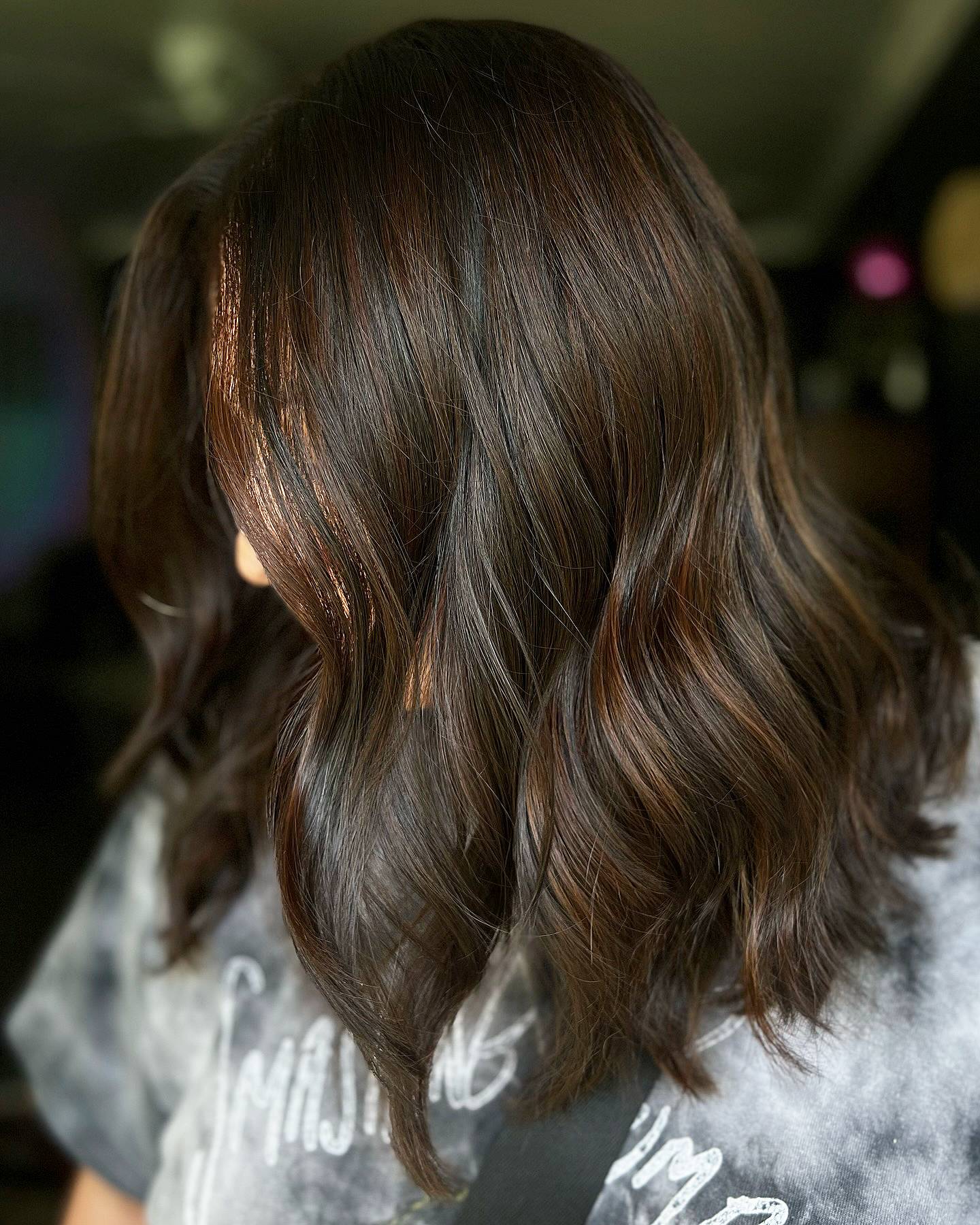
The Definitive Guide to Layers on Brown Hair in 2026
Adding layers to brown hair is a transformative hairstyling technique that introduces dynamic movement, strategic volume, and dimensional contrast to dark or medium tresses. By cutting varying lengths throughout the hair structure, pro...
Adding layers to brown hair is a transformative hairstyling technique that introduces dynamic movement, strategic volume, and dimensional contrast to dark or medium tresses. By cutting varying lengths throughout the hair structure, professional stylists can eliminate heavy bulk, enhance natural waves, and accentuate face-framing features without sacrificing overall length or rich color depth.
Contents
Choosing the right layered haircut for brown hair requires a careful assessment of your hair's natural texture, density, and face shape. Because brown hair—ranging from soft espresso and rich chestnut to deep chocolate and cool ash brown—absorbs and reflects light differently than lighter blondes, the placement of your layers dictates how highlights and lowlights catch the illumination. Whether you are aiming for subtle face-framing fringe, long cascading tiers, or a dramatic textured shag, understanding the technical fundamentals of layering ensures a polished, salon-quality finish that complements your daily styling routine.
Understanding Brown Hair Textures and Density for Layering
Before committing to a layered haircut, analyzing your hair's unique structural composition is essential. Brown hair possesses a wide spectrum of natural textures, from fine, pin-straight strands to thick, coarse coils. Each texture reacts differently to the removal of weight and the creation of graduation points.
Fine brown hair often lacks natural volume, appearing flat or limp when kept at a single, blunt length. Strategic, subtle long layers can eliminate heaviness at the ends, allowing the roots to lift and creating an illusion of thickness. Conversely, thick or coarse brown hair benefits immensely from internal texturizing and cascading layers. Without proper weight reduction, thick brown hair can form an undesirable triangular shape.
The natural undertones of brown hair also influence how layers are perceived. Warm chestnut and caramel brown tones naturally radiate warmth, making soft, blended layers look seamlessly integrated. Cool ash brown and deep espresso shades feature sharp light absorption, meaning precise, clean-cut geometry in the layering process prevents the hair from looking dull or heavy.
Popular Layering Techniques Tailored for Brown Tones
Modern hairstyling utilizes distinct layering methodologies to achieve specific aesthetic outcomes. Selecting the correct technique ensures your brown hair maintains structural integrity while achieving your desired silhouette.
Long Cascading Layers
Ideal for medium to long brown hair, cascading layers begin well below the collarbone. This technique removes minimal density from the top while providing graceful movement at the ends. It pairs exceptionally well with balayage or caramel babylights on a dark brown base, as the staggered lengths allow the dimensional color to weave naturally through the strands.
Face-Framing Shag and Butterfly Layers
For those seeking a bolder transition, the butterfly cut or modern shag incorporates shorter, sweeping layers around the cheekbones and jawline alongside longer interior structure. This style creates high-contrast volume on top while maintaining length in the back. On dark brown or chocolate locks, face-framing layers instantly brighten the complexion and draw attention to the eyes and cheekbones.
Short Choppy Layers
Short bobs and lobs (long bobs) on brown hair look remarkably chic when accented with choppy, textured ends. This approach removes bulk from the nape and sides, giving the hair an effortless, piecey finish that works exceptionally well with natural waves or air-dried textures.
Comparison of Layering Styles for Brown Hair
| Layer Style | Best Hair Texture | Maintenance Level | Primary Aesthetic Benefit |
|---|---|---|---|
| Long Cascading Layers | Medium to Thick, Straight/Wavy | Low to Moderate | Adds subtle movement and preserves overall length. |
| Face-Framing / Butterfly | Fine to Medium, Straight/Wavy | Moderate | Creates voluminous framing around the face and jawline. |
| Modern Shag | Medium to Coarse, Wavy/Curly | High | Maximizes texture, removes heavy bulk, and builds edge. |
| Textured Bob (Lob) | Fine to Thick, Straight/Wavy | Low | Modernizes blunt cuts with lightweight bounce. |
Step-by-Step Guide to Getting and Maintaining Layered Brown Hair
Achieving the ideal layered look involves a collaborative process between you and your stylist, followed by a dedicated at-home maintenance regimen to preserve the health of your brown tresses.
1. The Consultation and Assessment
Schedule a thorough consultation with a professional stylist. Discuss your daily styling habits, heat-styling frequency, and hair history. A skilled stylist will examine your hair elasticity and density to determine how short your shortest layers can safely go without causing frizz or compromising structural strength.
2. Precision Cutting and Weight Distribution
During the cut, the stylist will establish the baseline length before cutting interior or exterior layers using shears, razors, or texturizing scissors. For brown hair, precision is crucial; uneven cuts are often more visible against uniform dark or medium backgrounds than they are in highly highlighted blonde hair.
3. Professional Coloring Integration (Optional)
If you color your brown hair, consider adding subtle highlights, dimensional lowlights, or face-framing money pieces immediately after getting layers. Highlights catch on the newly separated ends, creating a multi-dimensional effect that emphasizes the depth of your layered cut.
4. At-Home Styling and Moisture Preservation
Darker brown hair often requires targeted moisture care to maintain its signature shine and reflective gloss. Use sulfate-free shampoos and hydrating masks regularly. When blow-drying or using hot tools, always apply a reliable thermal protectant to prevent split ends from fraying the delicate tips of your layers.
Pros and Cons of Adding Layers to Brown Hair
Evaluating the advantages and potential drawbacks helps ensure you make an informed decision aligned with your lifestyle.
Pros of Layered Brown Hair Enhanced Dimension: Layers break up solid blocks of brown color, allowing light to hit different levels and showcase undertones. Weight Reduction: Thick, heavy brown hair becomes significantly lighter, easier to manage, and faster to air-dry or style. Customizable Volume: Fine hair gains lift at the root and body throughout the lengths, preventing a flat appearance.
Cons of Layered Brown Hair Increased Maintenance: Shorter layers require regular trims every 6 to 8 weeks to prevent split ends and maintain shape. Styling Commitment: Layered cuts often require blow-drying with a round brush or using styling irons to look polished rather than unkempt. Frizz Potential: Coarse or curly brown hair with improper layers can experience increased frizz or difficult-to-manage flyaways.
Common Mistakes to Avoid When Layering Brown Hair
Navigating a haircut transformation requires avoiding specific pitfalls that frequently compromise the final result.
- Cutting Layers Too Short on Fine Hair: Over-layering fine brown hair strips away necessary density at the ends, leaving the bottom inches looking sparse and stringy.
- Ignoring Face Shape Proportions: Choosing a face-framing layer length that cuts off precisely at the widest part of the face can unintentionally widen facial features rather than flattering them.
- Skipping Thermal Protection: Layered ends are more susceptible to friction and heat damage. Skipping heat protectant leads quickly to ragged, frizzy ends that dull the richness of brown hair.
- Neglecting Regular Trims: Allowing layers to grow out unchecked alters the haircut's geometric balance, causing weight to shift awkwardly downward.
Frequently Asked Questions
Do layers make brown hair look thicker or thinner?
Layers can make brown hair look thicker or thinner depending on how they are cut. Strategic internal layers remove heavy bulk to make thick hair feel thinner and more manageable, while long, subtle layers add bounce and movement to make fine hair appear thicker and fuller.
How often do layered brown hairstyles need to be trimmed?
Layered brown hair typically requires a maintenance trim every 6 to 8 weeks. This frequent upkeep preserves the clean line of the layers, prevents split ends, and keeps the haircut looking intentional and fresh.
Are layers suitable for curly or wavy brown hair?
Yes, layers are exceptional for curly and wavy brown hair because they eliminate the dreaded pyramid shape by distributing volume evenly throughout the head. However, the cut must be performed by a stylist experienced in curly textures to ensure the curl pattern springs up correctly.
Can I get layers if my brown hair is prone to frizz?
You can get layers if you have frizz-prone hair, provided your stylist uses specialized cutting techniques to seal the ends and avoid excessive texturizing. Incorporating smoothing serums, anti-frizz hydrators, and regular deep-conditioning treatments keeps layered frizz under control.
How do highlights interact with layers on brown hair?
Highlights and layers complement each other perfectly by creating optical depth. The layers separate the hair strands, allowing the dimensional lighter tones to catch the light at different angles against your dark or medium brown base.
Conclusion and Next Steps
Adding layers to brown hair is a timeless, highly adaptable way to revitalize your look, enhance your natural texture, and showcase rich color dimensions. By understanding your hair density, selecting the correct cutting technique, and committing to proper moisture and maintenance routines, you can achieve a stunning, salon-fresh finish. Schedule a consultation with a professional hair stylist today to map out the ideal layered style tailored specifically to your facial structure and hair type.
Image Gallery