5 Small Toys for 3 Year Olds That Meet Safety Standards
Choosing age-appropriate toys for a three-year-old involves balancing developmental engagement with rigorous safety standards. Small toys must be large enough to avoid choking hazards—defined by the Consumer Product Safety Commission (...
Choosing age-appropriate toys for a three-year-old involves balancing developmental engagement with rigorous safety standards. Small toys must be large enough to avoid choking hazards—defined by the Consumer Product Safety Commission (CPSC) as objects that pass through a 1.25-inch diameter cylinder—and must be constructed from non-toxic, durable materials that withstand the wear and tear of toddler play.
Contents
Understanding Safety Standards for Toddler Toys
When selecting toys for a three-year-old, the primary objective is to mitigate risks associated with small parts, potential ingestion, and toxic materials. In the United States, the ASTM F963 "Standard Consumer Safety Specification for Toy Safety" serves as the benchmark for manufacturers. For a child under three years of age, products are scrutinized for small parts that could cause choking, sharp edges, and hazardous chemical compositions like phthalates or lead-based paints.
While three-year-olds have moved past the intense oral fixation stage of infancy, they remain curious explorers. Safety is not merely about size; it is about structural integrity. A toy that is technically "small" but made of brittle plastic can become a hazard if it breaks into smaller fragments during play. Always look for products marked with a "3+" age grade, but verify that the physical dimensions of the item are not so diminutive that they present an obstruction risk if placed in the mouth.
5 Recommended Small Toys for 3-Year-Olds
The following list identifies categories of toys that generally align with safety standards while providing the cognitive and motor skill development required for a three-year-old.
1. Chunky Wooden Puzzle Pieces
Wooden puzzles, specifically those with knobs or thick, chunky pieces, are excellent for fine motor development. Because the pieces are large—often exceeding the 1.25-inch safety threshold—they are unlikely to be choking hazards. Ensure the wood is finished with non-toxic, lead-free stains and that there are no splintering edges. High-quality puzzles feature solid wood construction that resists cracking.
2. Large-Format Plastic Snap-Together Blocks
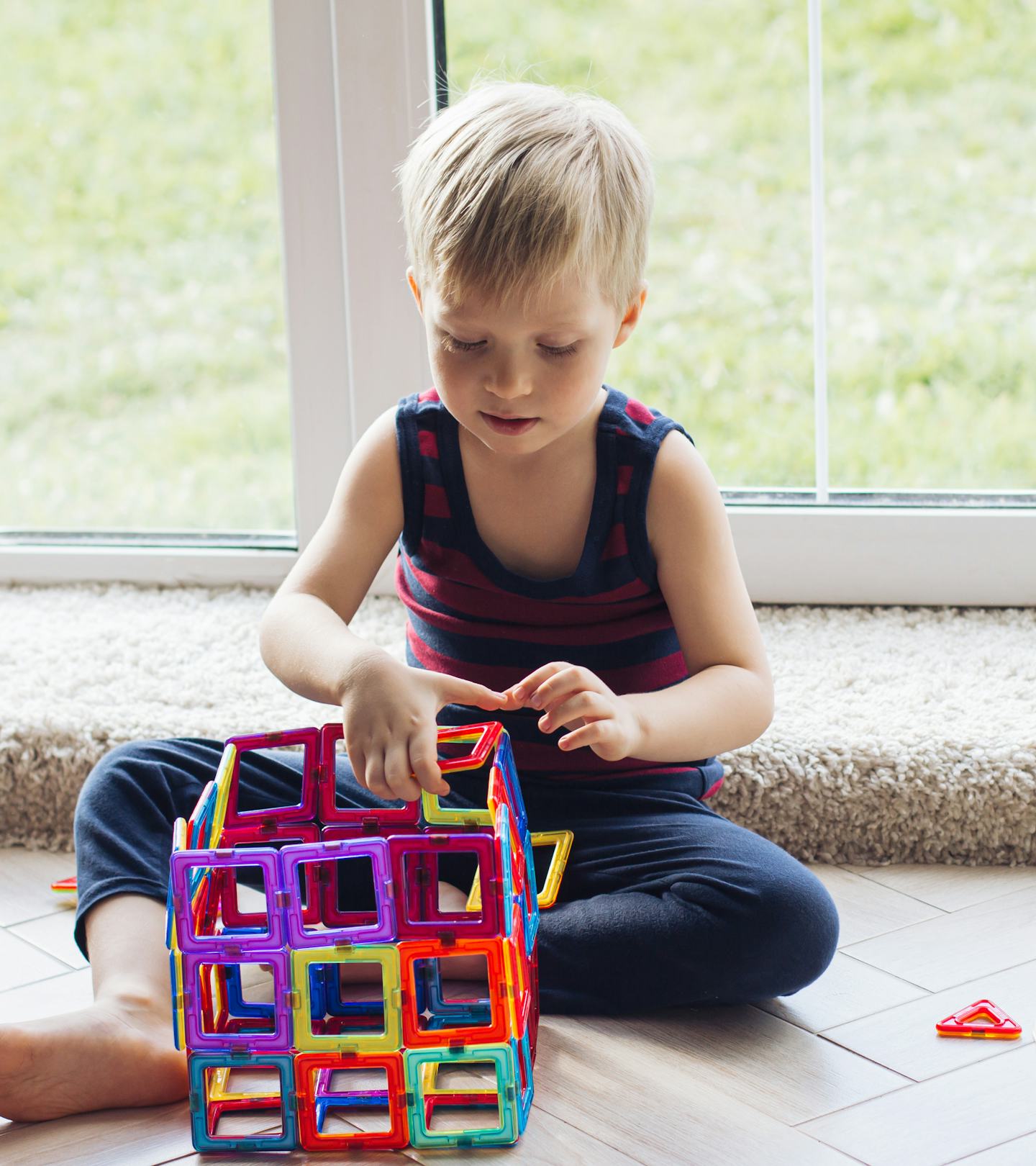
Unlike traditional construction sets that feature tiny, ingestible bricks, large-format snap-together blocks are designed specifically for small hands. These are typically manufactured from high-impact ABS plastic, which is resilient and non-toxic. When purchasing these, look for certification labels indicating compliance with CPSC regulations regarding chemical safety.
3. Weighted Fabric Bean Bags
Soft, fabric-based toys are often overlooked but serve as excellent sensory tools. Bean bags filled with non-toxic plastic pellets—rather than organic materials that could attract pests or cause allergic reactions—are safe when the stitching is reinforced. A "double-stitch" construction ensures that the internal filler remains contained even when subjected to active toddler play.
4. Grip-Friendly Rubberized Toy Vehicles
Small cars and trucks for three-year-olds should be made from a singular piece of durable, rubberized plastic. Avoid vehicles with removable wheels or small metal screws, as these components can detach and become choking hazards. A solid, molded construction minimizes the risk of the toy disintegrating under pressure.
5. Thick-Crayon Sculpting Sets
Art supplies for three-year-olds often come in smaller packages, but the physical items themselves (large-grip crayons or modeling dough tools) meet safety standards by being oversized. Non-toxic, washable materials are essential here. Ensure that all included accessories, such as stampers or rollers, have smooth, rounded edges to prevent accidental injury.
Safety Comparison and Verification Table
| Toy Category | Primary Safety Feature | Risk Mitigation Level | Durability |
|---|---|---|---|
| Wooden Puzzles | Large piece size | Very High | High |
| Snap-Together Blocks | Non-toxic ABS plastic | High | Very High |
| Fabric Bean Bags | Double-stitched seams | Medium | Medium |
| Rubberized Vehicles | Solid molded design | Very High | High |
| Art Toolsets | Rounded edges/non-toxic | High | Medium |
Practical Verification for Parents
Before handing a toy to a child, parents should perform a physical assessment regardless of the manufacturer's age label. Start by inspecting for "as-manufactured" loose parts. If the toy has buttons, eyes, or fabric tags, ensure they are securely attached. A "tug test" is a standard method for verification: pull firmly on any protruding parts to ensure they do not detach.
Furthermore, check the manufacturer's history regarding recalls. In 2026, you can access the CPSC’s online database by searching for the product brand or model name. A recall history does not necessarily imply a current danger, but it demonstrates the manufacturer's quality control standards. Always prioritize items that explicitly state compliance with ASTM F963.
Navigating Developmental Requirements
At three years old, children are transitioning from parallel play to cooperative interaction. Small toys that facilitate this—such as vehicles for racing or blocks for building together—support social development. However, these toys must be used under adult supervision. The "safety standard" is a baseline; it does not replace the need for parental monitoring, especially when a child is exploring a new toy for the first time.
Frequently Asked Questions
What is the specific diameter that qualifies a toy part as a choking hazard? The CPSC defines any part that fits entirely within a cylinder 1.25 inches in diameter and 2.25 inches in length as a potential choking hazard for children under three. Always ensure any small, loose toy piece exceeds these dimensions.
Does an "ASTM F963" label guarantee a toy is 100% safe? No label can guarantee total safety. The ASTM F963 standard provides a framework for testing physical, mechanical, and chemical safety, but environmental factors, wear and tear, and individual child behavior also play a role in risk.
Are wooden toys inherently safer than plastic toys? Not necessarily. While wood is often free of certain chemicals found in some plastics, it can splinter if the quality is poor. Both wooden and plastic toys require the same level of scrutiny regarding size, structural integrity, and finish (paints/sealants).
How often should I inspect my child’s toys? Perform a basic inspection of high-use toys once a month. Look for loose parts, cracks in plastic, or frayed fabric. If a toy is damaged, remove it from the play area immediately, even if it met safety standards when it was purchased.
Can I trust "online-only" boutique toy brands? Online-only brands must adhere to the same federal safety standards as large retail brands. Verify the product information page for safety certifications. If a listing lacks clear information about materials or testing standards, it is safer to choose a well-documented alternative.
Next Steps for Toy Selection
When shopping for your child, treat the toy label as a starting point. Prioritize items made from non-toxic materials with solid, one-piece construction. Before the first play session, conduct your own manual inspection to ensure no components are loose. If you have any doubt about a toy’s stability or quality, choose a different item that allows for safer, more open-ended play.
Image Gallery