The Death of Oliver Cromwell: Historical Account, Immediate Aftermath, and Posthumous Execution
Oliver Cromwell, the Lord Protector of the Commonwealth of England, Scotland, and Ireland, died on September 3, 1658, at Whitehall Palace in London, most likely from a combination of septicaemia resulting from a kidney infection and se...
Oliver Cromwell, the Lord Protector of the Commonwealth of England, Scotland, and Ireland, died on September 3, 1658, at Whitehall Palace in London, most likely from a combination of septicaemia resulting from a kidney infection and severe malaria. His passing plunged the nascent republican regime into political instability, culminating in the restoration of the Stuart monarchy less than two years later and the infamous posthumous desecration of his corpse.
Contents
Chronology of the Final Illness
To understand the death of Oliver Cromwell, historians must examine the final weeks of his life, which were marked by physical decline, personal grief, and mounting political strain. Cromwell had been in failing health for several years, suffering from a recurring strain of malaria—then commonly referred to as "ague"—and symptoms indicative of kidney stones and urinary tract infections.
By the late summer of 1658, his condition deteriorated rapidly. The situation was compounded by the profound emotional blow of the death of his favorite daughter, Elizabeth Claypole, on August 6, 1658. Cromwell spent weeks by her bedside at Hampton Court, neglecting his own physical needs as she suffered through a painful terminal illness. Shortly after her death, Cromwell traveled to Whitehall Palace, where his health collapsed entirely.
Contemporary physicians noted intermittent fevers, severe fatigue, and an inability to retain fluids or pass urine comfortably. On August 30, a violent storm swept across England, which royalists later interpreted as a portent of divine judgment and parliamentarians viewed as a cosmic marker of a great leader's passing. By September 2, Cromwell was largely unresponsive. He lapsed into a coma and died in the early hours of Friday, September 3, 1658, the anniversary of his great military victories at Dunbar (1650) and Worcester (1651).
Medical Analysis and Causes of Death
Modern medical historians have analyzed contemporary physician notes and autopsy records—to the extent that post-mortem examinations were conducted in the seventeenth century—to determine the precise cause of death.
Sepsis and Urinary Tract Pathology
The primary driver of Cromwell’s mortality was likely a severe infection of the urinary tract. Historical descriptions note that he suffered from gravel and stone in his kidneys and bladder, conditions that caused agonizing pain and frequently led to blockages. A persistent urinary obstruction inevitably introduces bacteria into the bloodstream, leading to urosepsis, organ failure, and death.
Malaria (The Ague)
Cromwell contracted malaria during his military campaigns in Ireland and Scotland during the late 1640s and early 1650s. The disease remained latent in his system, flaring up periodically. The combination of chronic malarial fevers and an acute bacterial infection overwhelmed an immune system already weakened by stress and fifty-nine years of strenuous campaigning.
Political Vacuum and the Succession
Cromwell’s death immediately triggered a crisis of governance. Under the Humble Petition and Advice of 1657, Cromwell had been granted the right to nominate his successor. On his deathbed, or shortly before, he designated his eldest surviving son, Richard Cromwell, to take over the office of Lord Protector.
The Rise and Fall of Richard Cromwell
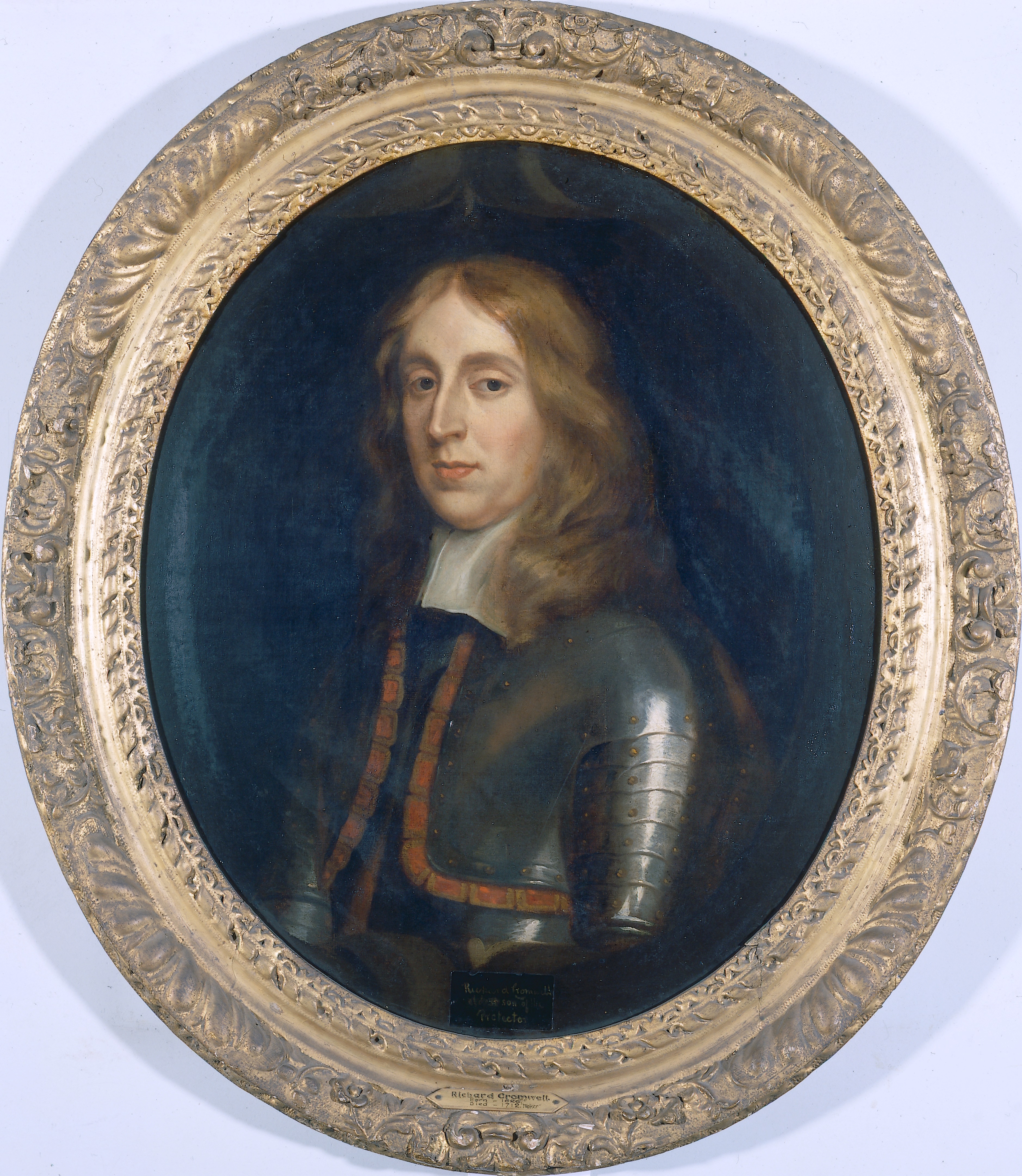
Richard Cromwell lacked his father’s military prestige, political ruthlessness, and deep-rooted support within the New Model Army. While "Tumbledown Dick," as he was colloquially nicknamed, initially assumed power smoothly, he quickly found himself sidelined by senior military commanders who resented civilian control.
Without Oliver’s commanding presence to bridge the gap between Parliament and the armed forces, the Protectorate fractured. Richard was forced to resign in May 1659, leading to a period of political chaos that ultimately convinced military leaders like General George Monck that the only path to stability was the restoration of the traditional monarchy.
Comparison of Key Figures in the 1658 Succession Crisis
| Individual | Role During Cromwell's Final Days | Immediate Action After Death | Subsequent Fate |
|---|---|---|---|
| Oliver Cromwell | Lord Protector of the Commonwealth | N/A (Deceased September 3, 1658) | Buried in Westminster Abbey; later exhumed and posthumously executed. |
| Richard Cromwell | Designated Successor / Son | Assumed the office of Lord Protector. | Deposed in 1659; lived decades in exile and quiet retirement. |
| General George Monck | Military Commander in Scotland | Maintained a powerful army base in the north. | Orchestrated the restoration of King Charles II in 1660. |
| John Thurloe | Secretary of State / Spymaster | Managed the immediate transition of state communications. | Briefly arrested, later retired from public political life. |
The Funeral and Burial at Westminster Abbey
Cromwell’s death was marked by an extravagant state funeral modeled closely on the traditional burials of English monarchs. His body was embalmed, wrapped in lead, and placed in a wooden coffin.
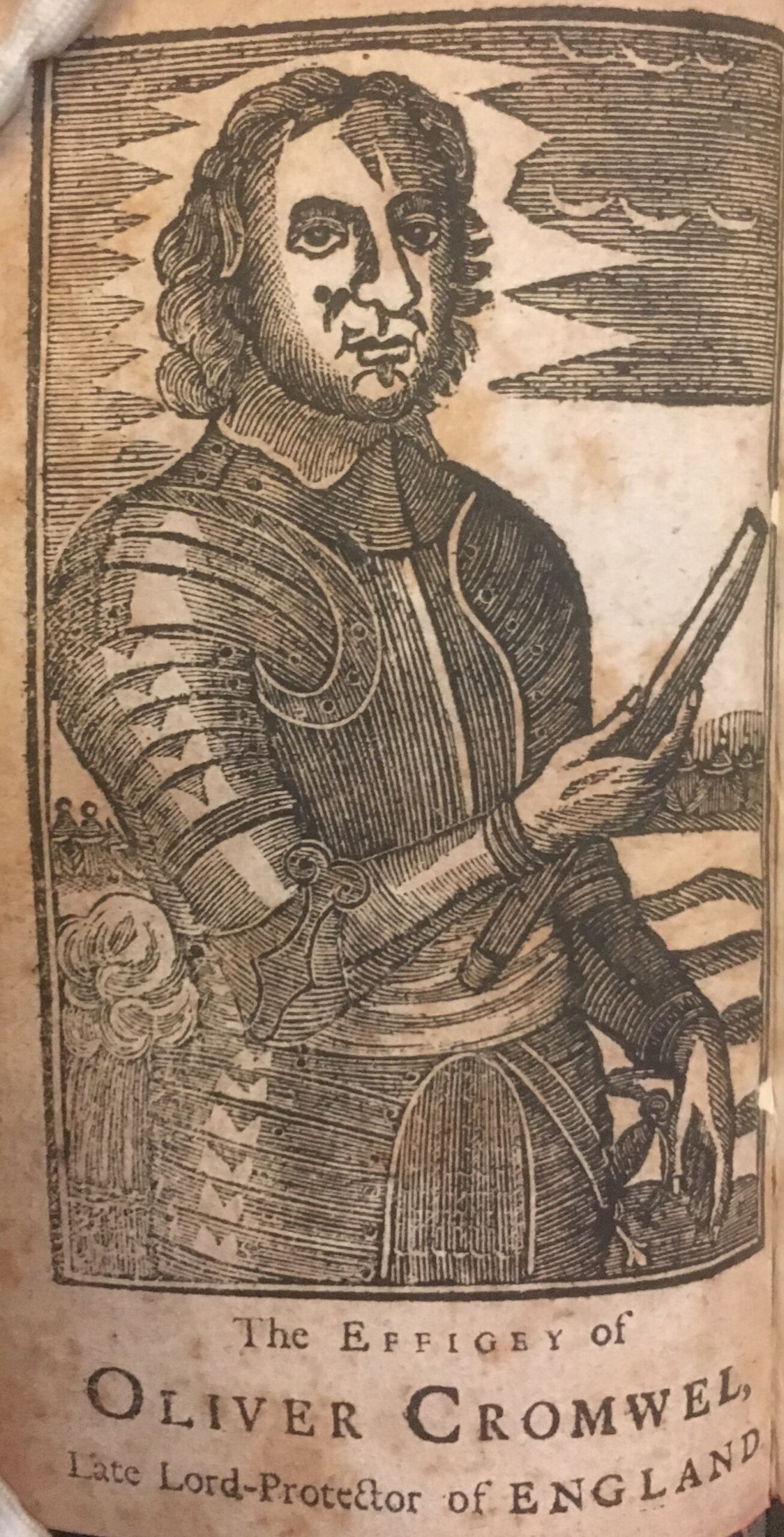
On November 23, 1658, a lavish procession carried an effigy of Cromwell—dressed in velvet, ermine, and purple robes, holding a scepter and orb—through the streets of London to Westminster Abbey. The expense of the ceremony was immense, reflecting the regime's desire to project permanence and royal-adjacent legitimacy. He was interred in Henry VII’s Chapel within Westminster Abbey, resting alongside other monarchs and statesmen of the realm.
Posthumous Execution and Desecration
Cromwell’s rest in Westminster Abbey was short-lived. Following the restoration of the monarchy in May 1660, King Charles II and the Cavalier Parliament sought retribution for the execution of Charles I in 1649. Because Oliver Cromwell had already died, Parliament ordered a symbolic and macabre act of judicial vengeance.
Exhumation
On January 26, 1661—twelfth-night anniversary of the execution of Charles I—Cromwell’s body, along with those of his son-in-law Henry Ireton and fellow regicide John Bradshaw, was exhumed from Westminster Abbey.
Tyburn Gallows and Posthumous Hanging
The rotting corpses were dragged through the streets of London on a sledge to Tyburn gallows. There, the bodies were hanged from sunrise until late afternoon in a public ritual of humiliation.
Head on a Pole
After the hanging, the executioners severed the heads from the bodies. The headless bodies were thrown into a pit beneath the gallows, while Cromwell’s head was mounted on a spiked pole atop Westminster Hall, where it remained on public display for over twenty years as a warning to potential republicans and regicides.
The head eventually blew down during a gale late in the seventeenth century, entered private collections, and was finally buried with traditional religious rites at Sidney Sussex College, Cambridge, in 1960.
Frequently Asked Questions
What was the official cause of Oliver Cromwell's death?
Contemporary physicians attributed his death to a combination of a severe malarial fever (the ague) and a kidney infection complicated by kidney stones, which ultimately resulted in fatal septicaemia.
Where was Oliver Cromwell originally buried?
Cromwell was originally given a state funeral and buried in Westminster Abbey within Henry VII’s Chapel in November 1658. His remains were removed in 1961 following the restoration of the monarchy.
Why was Oliver Cromwell's body exhumed after his death?
After the Stuart monarchy was restored under Charles II in 1660, Parliament ordered the exhumation, posthumous execution, and decapitation of Cromwell as punishment for his role as a regicide in the trial and execution of King Charles I.
What happened to Oliver Cromwell's head after it was removed?
Cromwell's head was mounted on a spike above Westminster Hall until the 1680s. After falling from the pole, it passed through various private antiquarian collections before being permanently buried at Sidney Sussex College in 1960.
How did Cromwell's death affect the English Commonwealth?
His death removed the central unifying figure of the republican government. His son and successor, Richard Cromwell, lacked military backing and was forced to abdicate within months, paving the way for the restoration of the monarchy in 1660.
Next Actions and Further Reading
For researchers and history enthusiasts seeking to explore this topic further, primary source documents such as the State Papers Domestic for the Protectorate era offer detailed accounts of his final illness. Visitors to London can examine parliamentary records at The National Archives in Kew or explore the contemporary artifacts housed in the collections of the British Library and the Museum of London.
Image Gallery