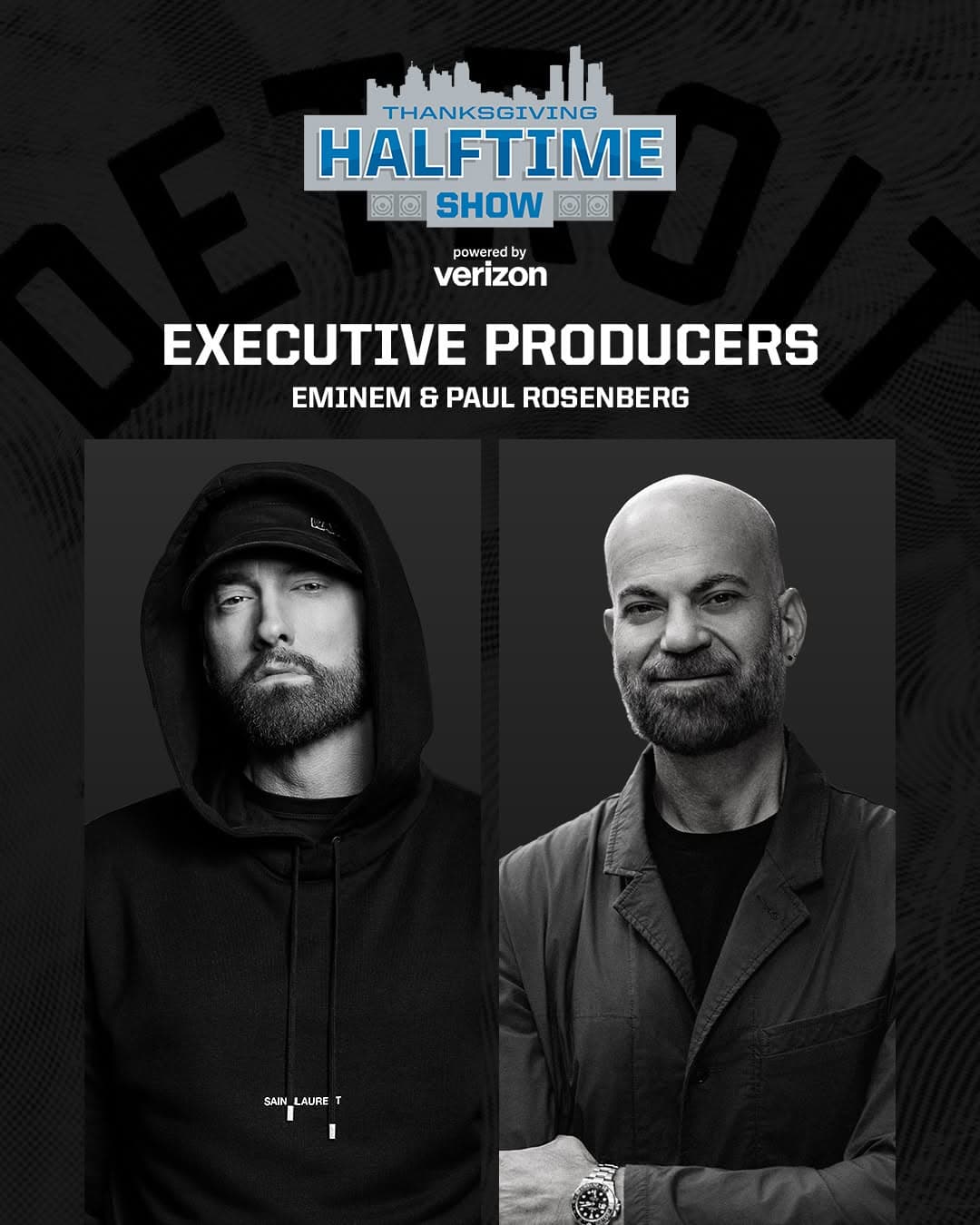
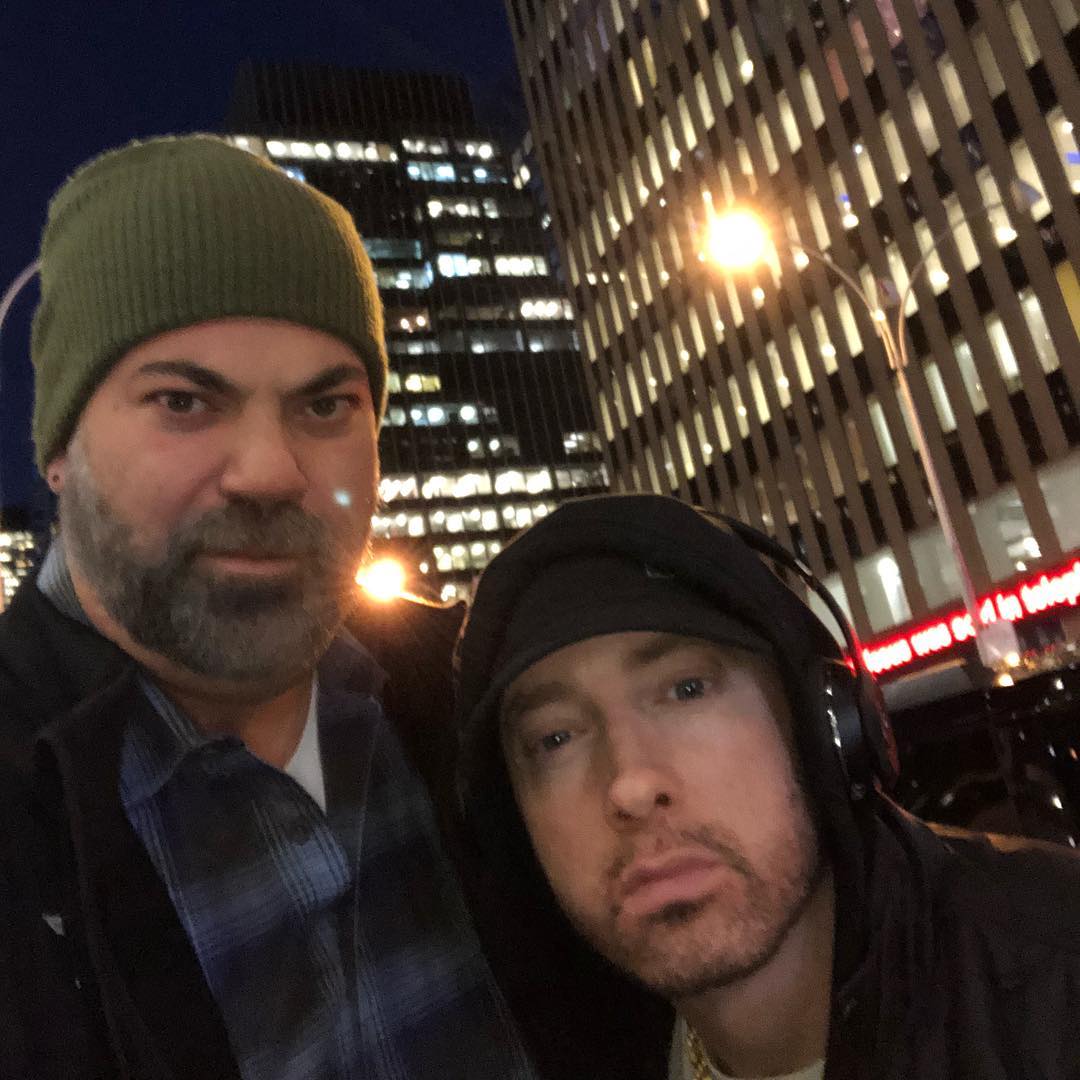
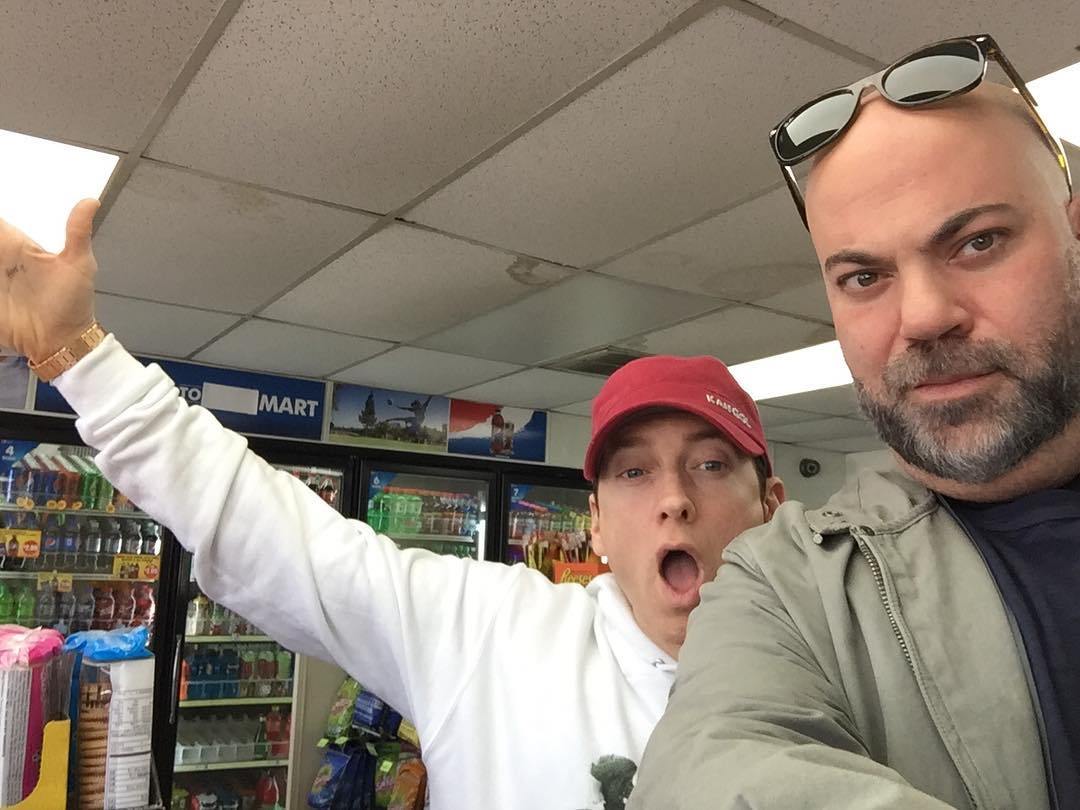
The Professional Partnership of Eminem and Paul Rosenberg: An Overview
The relationship between Eminem, born Marshall Mathers, and Paul Rosenberg is one of the most enduring and commercially successful business partnerships in modern hip-hop history. Beginning in the mid-1990s, their collaboration evolved...
The relationship between Eminem, born Marshall Mathers, and Paul Rosenberg is one of the most enduring and commercially successful business partnerships in modern hip-hop history. Beginning in the mid-1990s, their collaboration evolved from a struggling artist and a budding attorney into a global media enterprise, anchored by their shared stewardship of Shady Records and the management of Eminem’s career trajectory.
Contents
Origins and Early Collaboration
The foundation of the partnership dates back to the mid-1990s in Detroit, Michigan. Marshall Mathers was an emerging rapper seeking professional guidance, while Paul Rosenberg was a young attorney practicing law with a focus on music and entertainment. Their initial meeting occurred during a period when Eminem was attempting to gain traction following his debut album, Infinite (1996), which saw limited commercial success.
Rosenberg recognized Mathers’ technical lyrical ability and raw potential early on. He began providing legal counsel, which soon expanded into holistic career management. This pivot was significant because it established a model of artist-manager transparency that contrasted with the often opaque practices of the music industry at the time. By 1997, Rosenberg was instrumental in orchestrating the steps that would lead to Eminem’s signing with Dr. Dre’s Aftermath Entertainment, a pivotal move that launched the The Slim Shady LP (1999) era.
The Structuring of Shady Records
A cornerstone of their professional longevity is the formation of Shady Records in 1999. Created as a joint venture, the label served as a vehicle not only for Eminem’s discography but also for the development of other artists, such as D12, 50 Cent, and Obie Trice.
The division of labor within the partnership became a defining trait:
- Eminem: Focused primarily on the creative output, production oversight, and lyrical substance.
- Paul Rosenberg: Handled the legal frameworks, distribution negotiations, corporate branding, and logistical operations.
This separation of powers allowed for a high degree of specialization. Rosenberg navigated the complex landscape of label politics and intellectual property, while Eminem remained insulated to focus on his craft. This structure proved resilient, weathering shifts in the music industry, from the era of physical media dominance to the rapid transition into digital streaming and viral marketing.
Strategic Career Management and Media Expansion
Beyond the record label, Rosenberg’s management style has focused on maintaining Eminem’s cultural relevance while navigating the volatility of public perception. This involved careful orchestration of media appearances, film projects—most notably 8 Mile (2002)—and the strategic licensing of music.
One of the most distinct aspects of their relationship is how it has been integrated into the art itself. Eminem has famously included “skits” on almost every studio album featuring Rosenberg playing the role of his manager. These skits—which often involve simulated phone conversations regarding album timelines, public controversies, or legal warnings—have served as an informal narrative device, offering fans a glimpse into the internal pressures and humor of their professional dynamic.
Comparative Analysis of Roles
The success of their partnership relies on distinct, non-overlapping functions within the entertainment ecosystem. The following table delineates the roles each entity has played in the longevity of their shared business ventures.
| Function | Eminem (Marshall Mathers) | Paul Rosenberg |
|---|---|---|
| Creative Direction | Primary songwriter, producer, artist. | Advisor on marketability and timing. |
| Legal/Business | Intellectual property creator. | Contract negotiations, litigation, royalties. |
| Label Operations | A&R and talent scouting partner. | CEO, corporate structure, distribution. |
| Public Image | Content-based persona development. | Reputation management and PR strategy. |
| Relationship Lens | Subject of the artist-manager narrative. | The grounded anchor and organizational lead. |
Challenges and Evolution of the Industry
The music industry has undergone a total transformation since the inception of their partnership in 1997. In the early 2000s, the focus was on high-volume CD sales and radio play. By the 2020s, the metrics for success shifted toward streaming data, social media engagement, and the curation of digital-first legacies.
Rosenberg’s ability to pivot alongside these trends has been central to Eminem’s continued chart performance. During his tenure as the CEO of Def Jam Recordings (2018–2020), Rosenberg continued to manage Eminem, demonstrating his capacity to balance executive duties for a major label while maintaining his commitment to his primary client. This adaptability has ensured that Eminem remains a top-tier performer in a market where many of his contemporaries have lost their commercial foothold.
Addressing Common Questions
How did Paul Rosenberg initially become involved in Eminem’s career? Rosenberg met Eminem when he was working as an entertainment attorney in the mid-1990s. Recognizing Eminem’s unique lyrical proficiency, he transitioned from a purely legal role to that of a manager, helping him secure deals during a period of high professional risk.
Are the "Paul" skits on Eminem’s albums real? While the skits are scripted and stylized for the albums, they are based on the actual professional dynamic between the two. They represent the high-stakes communication involved in managing a global superstar, blending real-world industry pressures with a comedic, theatrical element.
Does Paul Rosenberg still manage Eminem in 2026? Yes. Despite Rosenberg’s previous stint as an executive at Def Jam, he remains the primary manager for Eminem, overseeing his continued musical output and business ventures.
How has the business model of Shady Records changed over the years? The label evolved from a traditional hit-driven music distributor in the early 2000s to a more selective entity that focuses on legacy management and the development of specific, high-profile projects, reflecting the broader contraction of the traditional record label model.
What is the significance of the "Rosenberg" persona in the fan community? The persona has become a bridge between the artist and the audience. By allowing fans to hear the "manager" side of the operation, the relationship feels more grounded and humanized, turning a standard corporate relationship into a recognized part of the Eminem brand identity.
Strategic Conclusion
The partnership between Eminem and Paul Rosenberg functions as an outlier in the music industry, defined by three decades of continuous growth. For those examining their career trajectory, the key takeaway is the importance of a clear division between artistic creative output and professional administration. Their ability to adapt their business structure to the shifting technological landscape—while maintaining a consistent personal rapport—remains a standard for effective artist management. Future analysis of their work should focus on the transition of legacy artists into the streaming-dominated market of the late 2020s.
Image Gallery