The Legacy of Marc Summers: How He Defined the Golden Era of Nickelodeon
Marc Summers is the definitive architect of the "messy" television era, serving as the face of Nickelodeon during its most transformative decade. Through his work on Double Dare, he shifted the paradigm of children’s entertainment from...
Marc Summers is the definitive architect of the "messy" television era, serving as the face of Nickelodeon during its most transformative decade. Through his work on Double Dare, he shifted the paradigm of children’s entertainment from passive viewing to high-energy, physical participation, all while privately managing a severe Obsessive-Compulsive Disorder (OCD) diagnosis that made his slime-filled career a testament to personal resilience.
Contents
In the landscape of 2026, looking back at the trajectory of children's television, few figures loom as large as Marc Summers. He was not merely a host; he was the primary ambassador for a brand that told children they were the center of the universe. From the premiere of Double Dare in 1986 to his later success as a producer and Food Network staple, Summers established a blueprint for host-audience interaction that remains the gold standard for youth-oriented media.
The Architect of Chaos: Marc Summers and the Birth of Double Dare
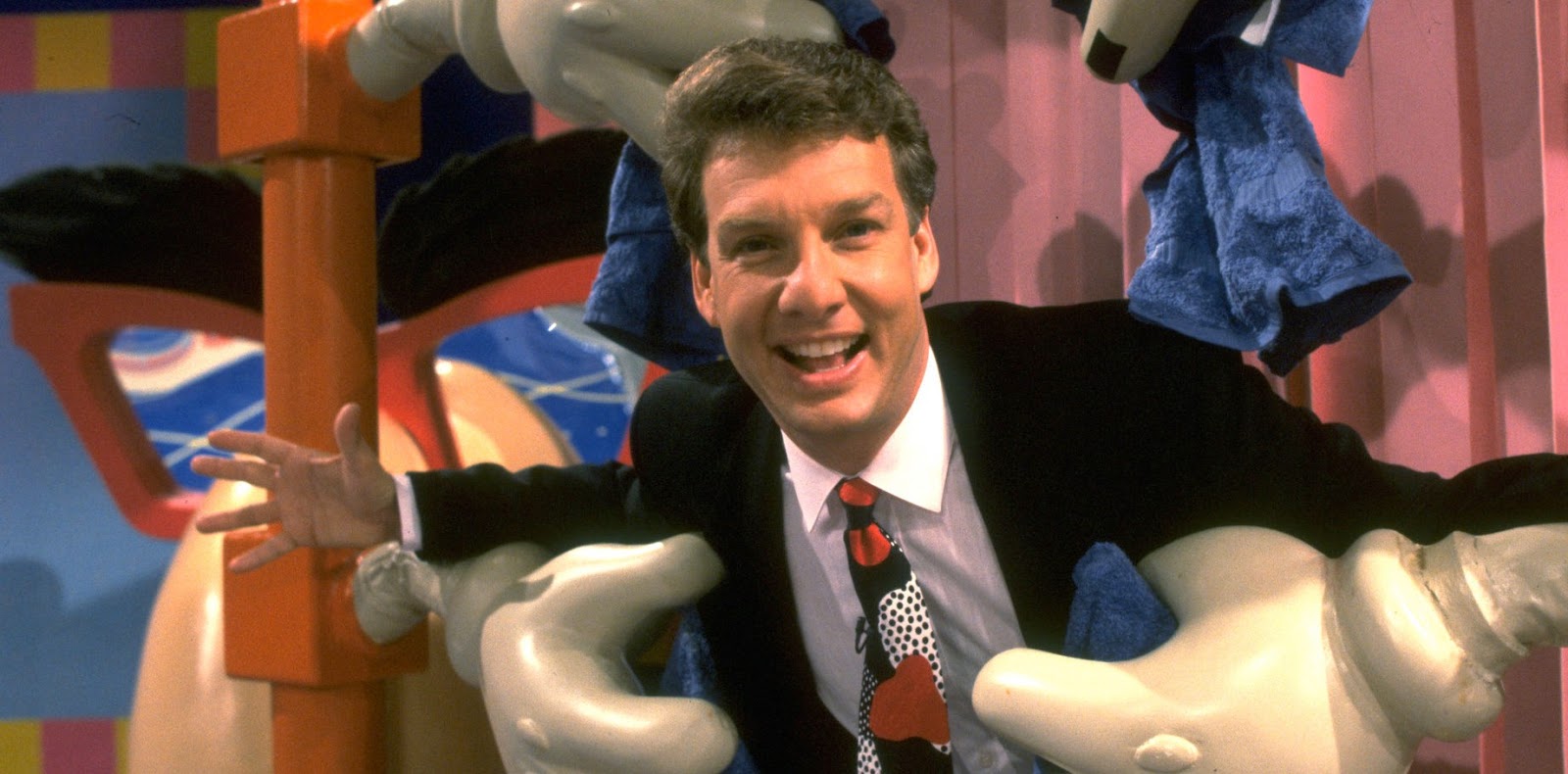
When Nickelodeon launched Double Dare in 1986, the network was still finding its identity. It was a fledgling cable channel competing against established Saturday morning cartoons and educational programming. Marc Summers, a former magician and stand-up comedian, brought a unique blend of professional polish and infectious enthusiasm that bridged the gap between traditional broadcasting and the "wild" aesthetic Nickelodeon wanted to cultivate.
Double Dare was revolutionary because it introduced "The Mess." Before this era, children’s television was largely tidy, moralistic, and adult-driven. Summers presided over an arena where kids were encouraged to dive into giant vats of whipped cream, slide through "chocolate" sauce, and search for orange flags hidden inside oversized noses.
The success of the show was not accidental. Summers understood the mechanics of the game show better than almost anyone in the industry. He treated the contestants with respect—never talking down to them—while maintaining the frantic pace required to keep young viewers engaged. This balance helped Double Dare become the first cable show to ever crack the top 10 in national syndication ratings, effectively putting Nickelodeon on the map and securing its future as the "First Network for Kids."
Beyond the Slime: The Evolution of a Media Mainstay
While Double Dare remains his most iconic credit, the legacy of Marc Summers is defined by his versatility. In the early 1990s, he transitioned into hosting What Would You Do?, a hidden-camera and audience-participation show that further cemented his role as the master of ceremonies for Nickelodeon’s golden age. This program leaned even harder into the unpredictability of live-action entertainment, utilizing "The Pie Slide" and various "Wall of Stuff" challenges.
Summers’ ability to pivot is perhaps best demonstrated by his transition to the Food Network in the early 2000s. As the host of Unwrapped, he tapped into a different kind of nostalgia, exploring the origins of classic American snacks and candies. This role introduced him to a new generation and allowed him to showcase his skills as a storyteller and interviewer.
Behind the scenes, his influence was even more profound. Through Marc Summers Productions, he became a powerhouse producer, most notably launching Restaurant: Impossible with Robert Irvine. His career trajectory provides a masterclass in longevity within the entertainment industry, moving from the person in front of the camera to the creative force behind the scenes, ensuring that his "legacy" wasn't just a 1980s time capsule but a continuous contribution to the medium.
The Hidden Struggle: Marc Summers and Obsessive-Compulsive Disorder
Perhaps the most compelling chapter of the Marc Summers story is the one the cameras didn't see during the height of his Nickelodeon fame. In 1995, Summers went public on Dateline NBC with his diagnosis of Obsessive-Compulsive Disorder (OCD). For a man who spent his days surrounded by slime, goo, and intentional messes, the revelation was a shock to the public and a milestone for mental health awareness.
His OCD was not a minor quirk; it was a debilitating condition that required him to follow strict rituals and maintain an intense need for order and cleanliness. The irony of his career was palpable: the "King of Mess" was privately terrified of the very substances that made him famous.
Summers’ decision to be open about his struggle in the mid-90s—a time when mental health was rarely discussed openly in Hollywood—transformed him into an advocate. He showed that a diagnosis did not have to limit one’s career potential. By managing his condition through therapy and medication, he proved that one could literally face their worst fears (in his case, physical filth) and thrive. This vulnerability added a layer of depth to his legacy, moving him from a "TV personality" to a symbol of perseverance for millions of viewers.
The Cultural Impact of the "Nickelodeon Aesthetic"
The "Nickelodeon Summers" era created a specific visual and tonal language that still influences media in 2026. This aesthetic was characterized by bright primary colors, high-energy soundtracks, and a total lack of pretension. Summers was the gatekeeper of this world.
He helped institutionalize "The Slime" as a rite of passage. Getting slimed became a badge of honor, a sign that you were part of the "in" crowd that understood the joy of being a kid. This cultural shift moved children's media away from the "lecture" format of the 70s toward a participatory, visceral experience.
| Program | Years Active | Marc Summers' Role | Cultural Impact |
|---|---|---|---|
| Double Dare | 1986–1993 | Host | Defined the "messy" game show genre; first major Nick hit. |
| What Would You Do? | 1991–1993 | Host | Pioneered interactive, hidden-camera challenges for kids. |
| Unwrapped | 2001–2011 | Host | Transitioned "kid energy" into adult-friendly food nostalgia. |
| Restaurant: Impossible | 2011–2023 | Executive Producer | Shifted focus to high-stakes reality TV production. |
| The Life and Slimes... | 2024–2026 | Performer/Subject | Live stage show detailing his mental health and TV journey. |
Marc Summers in 2026: An Enduring Career and Mentorship
As we look at the entertainment landscape in 2026, Marc Summers remains an active and influential figure. His podcast, Marc Summers Unwrapped (and its various iterations), continues to feature deep-dive interviews with fellow icons of the 80s and 90s, while his live stage show, The Life and Slimes of Marc Summers, has toured extensively, blending memoir with the theatricality of the game shows that made him famous.
Beyond his own projects, Summers has become a mentor to a new generation of hosts and producers. In an era where "influencer" content often mimics the fast-paced, high-energy style of early Nickelodeon, Summers’ insights into audience engagement are more relevant than ever. He frequently speaks at industry events about the importance of authenticity—a trait he maintained even when he was hiding his personal struggles.
His legacy is also cemented in the way he handled his "post-Nickelodeon" life. Unlike many child-star-adjacent figures who struggled with the transition to adulthood, Summers leaned into his history while constantly reinventing his future. This resilience has made him a beloved figure at nostalgia conventions like "90s Con," where he routinely meets fans who credit him with making their childhoods feel seen and celebrated.
Common Mistakes in Interpreting His Legacy
When discussing Marc Summers, fans often make the mistake of pigeonholing him solely as a "game show host." To truly understand his legacy, one must look at the broader industry impacts:
- Overlooking Production Credits: Many don't realize he was a major producer behind the scenes of several Food Network hits. His business acumen is as significant as his on-camera charisma.
- Underestimating the OCD Impact: It wasn't just a "fun fact." His struggle with OCD was a central conflict of his life that dictated how he worked, how he traveled, and how he interacted with the world.
- Assuming the "Mess" was Unstructured: Double Dare looked like chaos, but Summers has often explained in interviews that the show was a "clockwork operation" with intense safety protocols and precise timing. His professionalism was what allowed the chaos to happen.
Frequently Asked Questions
What made Marc Summers different from other kid show hosts?
Marc Summers brought a "straight man" energy to absurd situations. Unlike hosts who acted like clowns, Summers acted like a professional broadcaster who just happened to be standing in the middle of a food fight. This grounded the show and made the stakes feel real for the kids participating.
How did Marc Summers handle his OCD while on the set of Double Dare?
It was incredibly difficult. He has often shared that he would change clothes multiple times a day and had to mentally compartmentalize the mess. He focused on the "performance" to get through the segments, but the moment the cameras stopped, his symptoms would often resurface.
Is Marc Summers still involved with Nickelodeon today?
While he is no longer a full-time employee, he maintains a close relationship with the brand. He has appeared in various "Double Dare" reunions and anniversary specials, and he remains a consultant and elder statesman for the network’s legacy projects.
What is the most famous part of his legacy?
Undoubtedly, the "Physical Challenge" and the "Double Dare Obstacle Course." These segments redefined what physical play looked like on television and inspired an entire genre of obstacle-course-based entertainment, from Global Guts to modern shows like American Ninja Warrior.
Where can I see Marc Summers’ work today?
In 2026, many of his classic Nickelodeon episodes are available on major streaming platforms under "Nick Rewind" sections. His podcast is available on all major audio platforms, and he continues to perform his live autobiographical show in various cities.
Final Recommendation for Fans and Historians
To fully appreciate the legacy of Marc Summers, one should look beyond the highlights of people getting slimed. Start by watching early episodes of Double Dare to see his impeccable timing, then move to his 1995 Dateline interview to understand his personal hurdles. Finally, explore his work as a producer to see how he helped shape the modern "transformation" reality TV genre. His career is a rare example of how personal authenticity, combined with a relentless work ethic, can create a lasting cultural impact that spans generations.
Image Gallery