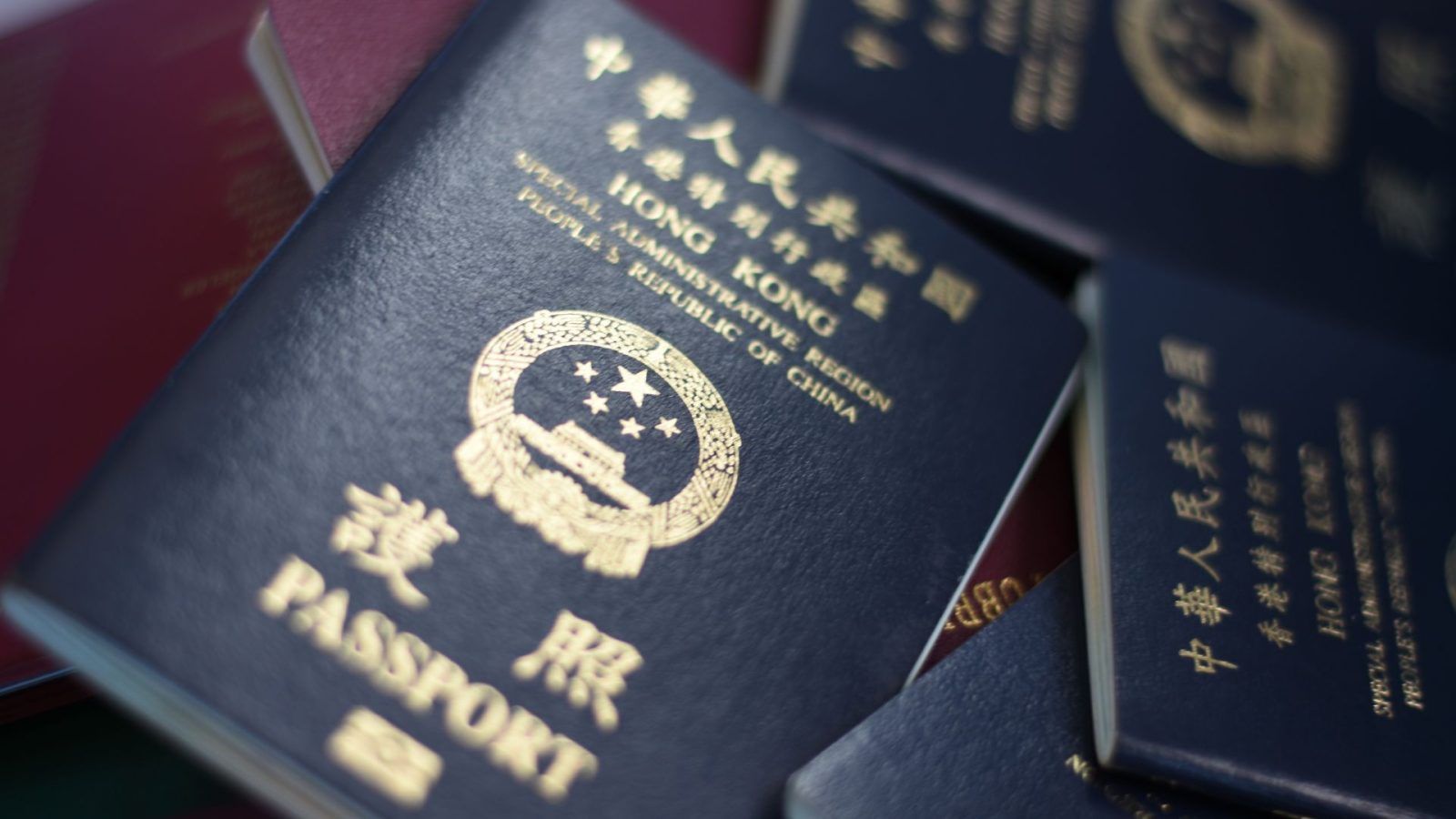
Understanding Why You Don't Need a Visa to Visit Hong Kong in 2026
For many travelers, you don’t need a visa to visit Hong Kong because the Hong Kong Special Administrative Region (HKSAR) maintains one of the world's most liberal entry policies. Citizens from over 170 countries and territories can ent...
For many travelers, you don’t need a visa to visit Hong Kong because the Hong Kong Special Administrative Region (HKSAR) maintains one of the world's most liberal entry policies. Citizens from over 170 countries and territories can enter Hong Kong for tourism or business purposes visa-free for periods ranging from 7 to 180 days, provided they meet basic entry requirements.
Contents
Hong Kong’s status as a global financial hub and a premier tourism destination is built upon its accessibility. Unlike Mainland China, which has its own distinct visa regulations, Hong Kong operates under the "One Country, Two Systems" principle. This allows the HKSAR government to manage its own immigration controls, facilitating easier access for international visitors, investors, and short-term business travelers.
As we look at the travel landscape in 2026, understanding the nuances of this visa-free access is essential for a seamless trip. While "visa-free" means you do not need to apply for a formal visa sticker at a consulate before your journey, it does not exempt you from immigration inspections, specific entry permits for certain nationalities, or the prohibition on taking up employment during your stay.
The Foundations of Hong Kong’s Visa-Free Policy
The core of Hong Kong's immigration strategy is to encourage the free flow of people to support its service-oriented economy. By allowing vast numbers of nationalities to enter without a prior visa, Hong Kong remains a competitive gateway to Asia. However, the duration of your visa-free stay is strictly determined by your nationality (specifically, the passport you hold).
Categorization of Stay Durations
The Hong Kong Immigration Department (ImmD) categorizes visa-free access into four primary tiers. These durations are subject to periodic review, but as of 2026, the general structure remains consistent:
- 180 Days: This is the most generous tier, primarily reserved for British citizens (National Overseas and Full British Citizens).
- 90 Days: This category includes most Western European nations, the United States, Canada, Australia, New Zealand, Japan, South Korea, and many South American countries (such as Brazil and Argentina).
- 30 Days: This applies to several Southeast Asian nations (like Indonesia, Thailand, and the Philippines), as well as some Middle Eastern and Eastern European countries.
- 14 Days or 7 Days: Typically reserved for specific jurisdictions where immigration controls are tighter for historical or security reasons.
The Distinction Between Tourism and Business
It is a common misconception that "visa-free" only applies to vacationers. In Hong Kong, visa-free entry covers "Visitor" status. This status includes both tourism and specific business activities. Under the current 2026 guidelines, a visitor can participate in:
- Attending meetings, seminars, or conferences.
- Signing contracts or participating in tenders.
- Examining or supervising the installation of equipment or goods.
- Attending short-term trade fairs (without selling goods to the public directly).
However, if you intend to join a local company, start a business that requires your physical presence as an employee, or engage in any form of paid or unpaid work, you must apply for a specific Employment or Investment Visa before arrival.
Critical Entry Requirements and Documentation
Even if you don't need a visa to visit Hong Kong, you must still satisfy the immigration officer at the port of entry. Entering visa-free is a privilege, not an absolute right, and being prepared with the correct documentation is vital for 2026 travelers.
Passport Validity
The most frequent reason for travel disruption is insufficient passport validity. Hong Kong generally requires that your passport be valid for at least one month beyond the period of your intended stay. However, most airlines and many international travel standards recommend (and sometimes enforce) a six-month validity rule. If your passport is nearing its expiration date, it is highly recommended to renew it before booking your flight to Hong Kong to avoid being denied boarding by the carrier.
Proof of Onward or Return Travel
Immigration officers may ask to see proof that you intend to leave Hong Kong. This usually takes the form of a confirmed flight ticket to your home country or another destination. If you are planning to enter Mainland China or Macau after Hong Kong, having those travel arrangements (ferry tickets, high-speed rail bookings, or visas for the next destination) ready is essential.
Financial Solvency
While rarely checked for travelers from major economies, the law permits immigration officers to ask for proof that you have "sufficient funds" to cover your stay without working. This can be demonstrated via credit cards, bank statements, or digital banking apps.
Arrival Cards and Digital Integration
By 2026, Hong Kong has further integrated digital immigration processes. While the traditional paper "Arrival Card" was the norm for decades, many travelers now use digital declaration forms or the e-Channel system. If you are a frequent visitor, you may be eligible to use the e-Channel (automated gates), which drastically reduces wait times at Hong Kong International Airport and the land border crossings.
Special Cases: Pre-arrival Registration (PAR)
Some nationalities do not need a "visa" in the traditional sense but must complete a Pre-arrival Registration (PAR). This is a crucial distinction. For example, Indian nationals must successfully complete an online PAR before they can board a flight to Hong Kong.
Indian Nationals and the PAR System
The PAR for Indian nationals is a free online process. Once successful, the traveler must print the "Notification Slip" on A4 paper. This slip, combined with a valid passport, allows for a 14-day visa-free stay. If the PAR is unsuccessful, the traveler must apply for a standard visit visa directly through the Hong Kong Immigration Department, a process that can take four weeks or more.
Taiwan Residents
Residents of Taiwan also use a specific Pre-arrival Registration system unless they hold a "Mainland Travel Permit for Taiwan Residents" (often called a "Tai Bao Zheng"). If using the PAR, it allows for a 30-day stay and is valid for two months.
Visa-Free Access vs. Mainland China Requirements
A significant point of confusion for international travelers is the relationship between Hong Kong and Mainland China. If you are visiting Hong Kong visa-free, this does not grant you entry into Mainland China.
| Feature | Hong Kong (HKSAR) | Mainland China |
|---|---|---|
| Visa Policy | Independent; 170+ nations visa-free. | Managed by PRC; most nations require a visa. |
| Duration | Up to 180 days (for UK). | Usually 30-90 days per entry with visa. |
| Entry Point | HK International Airport, Land Borders (Shenzhen), Ferries. | Major International Airports, Land/Sea Ports. |
| Currency | Hong Kong Dollar (HKD). | Renminbi (CNY/RMB). |
| Internet Access | Unrestricted. | Regulated (Great Firewall). |
If you plan to take the High-Speed Rail from West Kowloon Station in Hong Kong to Shenzhen, Guangzhou, or Beijing, you will undergo Mainland Chinese immigration checks within the station. You must have a valid Chinese Visa or belong to a nationality that enjoys visa-free entry to the Mainland (which is a much smaller list than Hong Kong's).
Common Mistakes to Avoid
- Overstaying: Hong Kong is very strict about overstays. Even overstaying by one day can result in a fine, a recorded "warning," and potential difficulties for future entries. Always check the "permitted to remain until" date stamped in your passport or printed on your entry slip.
- Working on a Visitor Status: As mentioned, "business" activities are limited to meetings and conferences. Performing actual labor, even for a few days, without an employment visa is a criminal offense in the HKSAR.
- Invalid Travel Documents: Using a "Travel Document" that is not a standard national passport (such as certain types of emergency passports or refugee documents) often requires a pre-arranged visa, even if your nationality is usually visa-free.
- Neglecting the "Landing Slip": When you clear immigration in Hong Kong, you are usually given a small, square piece of thermal paper (the Landing Slip) instead of a passport stamp. This slip contains your name, passport number, and the date your stay expires. Do not lose this; you may need it for hotel check-ins or if you are asked for ID by the police.
Frequently Asked Questions
Can I visit Macau from Hong Kong visa-free?
Most nationalities that enter Hong Kong visa-free can also enter Macau visa-free. However, the lists are not identical. Macau has its own immigration department. If you leave Hong Kong to visit Macau for a day trip and then return to Hong Kong, you will be processed as a "new entry" into Hong Kong, and your visa-free stay period will usually reset.
What should I do if I want to stay longer than my visa-free period allows?
If you need to extend your stay for legitimate reasons (e.g., medical emergency or unexpected business delays), you must apply for an extension at the Extension Section of the Immigration Department in Wan Chai. This should be done at least seven days before your current stay expires. There is a processing fee, and approval is not guaranteed.
Is transit through Hong Kong considered a "visit"?
If you are transiting through Hong Kong International Airport and do not pass through immigration (staying in the sterile airside zone), you do not need a visa or a PAR, regardless of nationality (with very few exceptions for specific high-risk countries). However, if you intend to "enter" the city to stay at a hotel or sightsee during a long layover, the standard visa-free rules apply.
Do I need a visa if I am arriving by cruise ship?
The same visa-free rules apply to arrivals by sea at the Kai Tak Cruise Terminal or the Ocean Terminal. If your nationality requires a visa for Hong Kong, you must have it before the ship docks.
Can I fly to Hong Kong without a return ticket?
While you might not be asked for it at the Hong Kong border, many airlines will refuse to let you board your flight if you do not have a return or onward ticket. This is because the airline is legally responsible for flying you back if you are denied entry.
Practical Recommendation for 2026 Travelers
Before you depart for Hong Kong, always perform a final check on the Hong Kong Immigration Department (ImmD) official website. Immigration policies can shift based on global health protocols or bilateral diplomatic changes. Ensure your passport has at least two blank pages for entry slips and that you have a digital or printed copy of your return flight. If you are an Indian national or a Taiwan resident, complete your Pre-arrival Registration at least one week before your flight to account for any technical delays or the need for a manual visa application if the PAR is denied.
Image Gallery