SEO Promotion Explained: Strategy, Execution, and Long-Term Value
SEO promotion encompasses the deliberate strategies, technical adjustments, and content enhancements used to improve a website’s organic visibility within search engine results pages. By optimizing on-page elements, technical infrastru...
SEO promotion encompasses the deliberate strategies, technical adjustments, and content enhancements used to improve a website’s organic visibility within search engine results pages. By optimizing on-page elements, technical infrastructure, and off-site authority signals, organizations secure sustainable traffic without relying on paid advertising budgets.
Contents
Understanding the Core Mechanics of Search Engine Optimization
To comprehend SEO promotion, one must first understand how modern search engines operate. Engines deploy automated web crawlers—frequently referred to as bots or spiders—to discover, download, and index web pages. When a user enters a query, algorithms evaluate hundreds of ranking signals to deliver the most relevant, authoritative, and user-friendly results in fractions of a second.
Search engine optimization transforms raw web content into an accessible format that these algorithms can easily parse and rank. Rather than paying for individual clicks, website owners invest time and resources into aligning their digital properties with search engine quality guidelines. This approach prioritizes user experience, structural clarity, and topical authority, resulting in enduring visibility that compounds over time.
While paid search campaigns disappear the moment a budget is exhausted, organic search optimization builds a persistent digital foundation. A well-optimized page can attract targeted visitors for months or even years after publication, provided it continues to answer user intent effectively and remains technically sound.
The Three Pillars of SEO Promotion
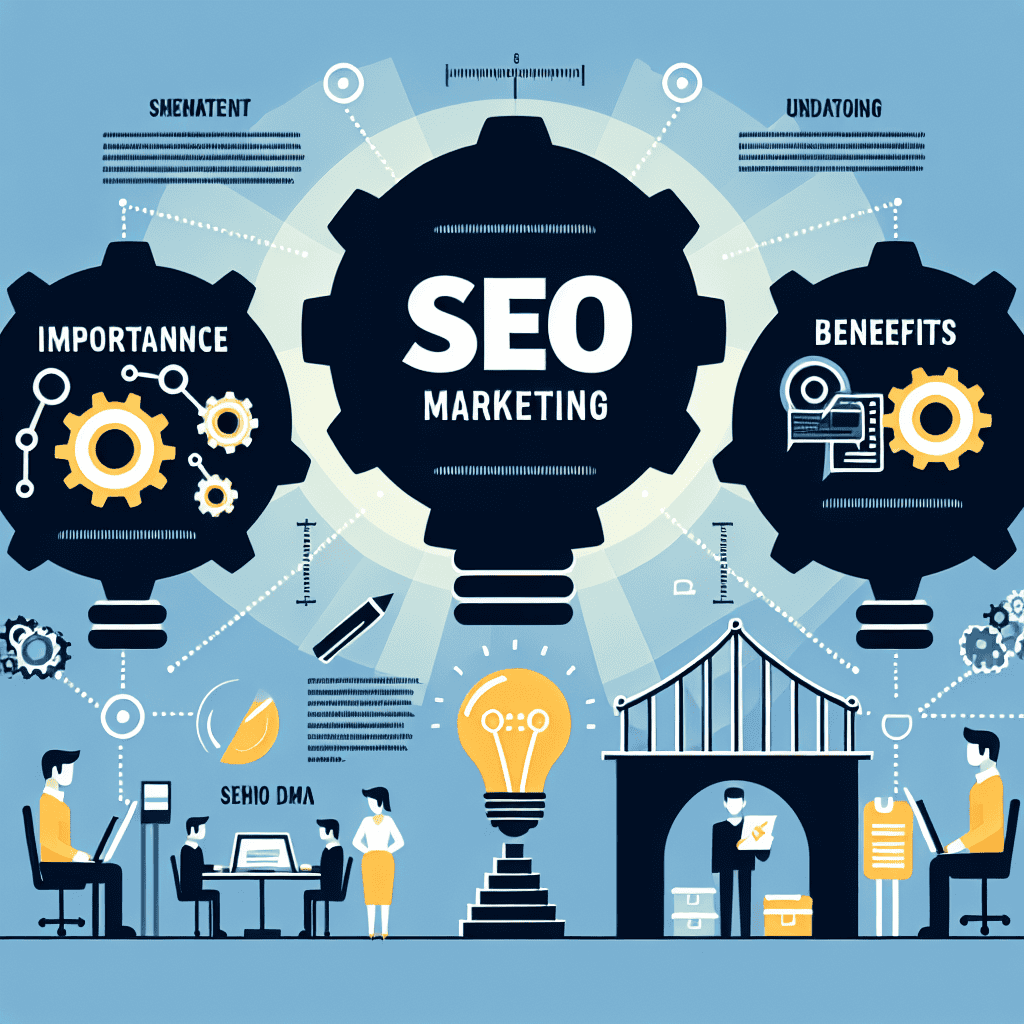
A successful promotional strategy relies on three foundational pillars: technical SEO, on-page SEO, and off-page SEO. Each pillar addresses a distinct aspect of how search engines evaluate and rank websites. Neglecting any single component can severely limit a site's performance, regardless of how exceptional its content might be.
| SEO PROMOTION PILLARS | ||
|---|---|---|
| Technical SEO | On-Page SEO | Off-Page SEO |
| Site Speed | Keyword Targeting | Backlink Acquisition |
| Crawlability | Content Quality | Brand Mentions |
| Mobile Friendliness | Title Tags | Social Authority Signals |
| Secure Protocols | Internal Linking | Digital PR Outreach |
Technical SEO Foundations
Technical optimization ensures that search engine bots can access, crawl, render, and index a website efficiently. Without a solid technical foundation, valuable content may remain undiscovered by search engine algorithms.
- Site Architecture and URL Structure: Logical hierarchies help users and crawlers navigate a site intuitively. Clean, descriptive URLs provide immediate context regarding page topics.
- Core Web Vitals and Speed: Page load times significantly impact user experience and rankings. Optimization involves compressing images, leveraging browser caching, and minimizing unnecessary JavaScript execution.
- Mobile Responsiveness: Because search engines utilize mobile-first indexing, sites must deliver a seamless experience across smartphones, tablets, and desktop computers.
- Security Protocols: Implementing HTTPS encryption protects user data and serves as a confirmed minor ranking signal for major search engines.
On-Page SEO and Content Optimization
On-page SEO involves refining individual web pages to rank higher and earn more relevant traffic. This pillar focuses on aligning textual and visual content with user intent and search engine preferences.
Publishers must conduct thorough keyword research to understand the specific terms, phrases, and questions their target audience uses. However, keyword stuffing—the practice of unnaturally repeating phrases—is penalized by modern algorithms. Instead, writers use semantic variations and natural language patterns.
Content must demonstrate expertise, authoritativeness, and trustworthiness (often abbreviated in the industry as E-E-A-T). Informative, original, and comprehensive articles naturally satisfy user intent, reducing bounce rates and encouraging longer dwell times, both of which signal quality to search engines.
Off-Page SEO and Authority Building
Off-page SEO encompasses activities conducted outside the boundaries of the primary website to influence its rankings within search engine result pages. The most critical component of off-page optimization is backlink acquisition.
When an authoritative, reputable website links to your content, it acts as a digital vote of confidence. Search engines view high-quality backlinks as evidence that the linked content is valuable and trustworthy. Strategic off-page promotion involves digital public relations, guest contributions, industry networking, and resource link building.
Comparing Paid Search and SEO Promotion
Choosing how to allocate digital marketing resources requires a clear understanding of the differences between organic search promotion and paid advertising (PPC).
| Feature | SEO Promotion | Paid Search (PPC) |
|---|---|---|
| Time to Results | Months (typically 3 to 6+) | Immediate upon campaign launch |
| Cost Structure | Upfront investment in labor/content; clicks are free | Pay-per-click; costs recur continuously |
| Sustainability | High; traffic persists after initial work | Low; traffic stops when budget ends |
| Click-Through Rate | Higher user trust in organic results | Lower trust; clearly marked as sponsored |
| Maintenance | Ongoing monitoring, updates, and optimization | Continuous bid management and ad refreshing |
Organizations frequently utilize a hybrid model, deploying paid search campaigns to capture immediate traffic and test keyword viability while building a robust, long-term organic SEO promotion strategy.
Step-by-Step Execution of an SEO Strategy
Implementing an effective optimization campaign requires a structured, methodical approach. Skipping foundational phases often leads to wasted effort and delayed results.
- Auditing the Existing Digital Presence: Evaluate current organic traffic, technical errors, broken links, and keyword rankings using industry-standard analytics tools.
- Conducting Keyword and Competitor Research: Identify high-value search queries with realistic competition levels. Analyze what top-ranking competitors are doing successfully and find content gaps to exploit.
- Optimizing Technical Infrastructure: Fix crawl errors, improve site speed, implement structured data markup (Schema), and ensure mobile compatibility.
- Developing High-Intent Content: Create comprehensive, original content tailored to user search intent. Ensure proper formatting with clear header tags (H2, H3) and descriptive
Common Pitfalls and Troubleshooting
Even experienced marketers occasionally encounter obstacles during SEO promotion campaigns. Recognizing and correcting these missteps prevents prolonged ranking drops.
Over-optimization is a frequent error. Using exact-match keywords excessively across anchor texts, meta tags, and body paragraphs can trigger algorithmic penalties. Content should always prioritize human readability over algorithmic manipulation.
Another common issue is ignoring technical decay. As websites evolve, broken links, redirect chains, and orphaned pages accumulate. Conducting regular technical audits ensures that search engine crawlers can navigate the site without encountering dead ends or server errors.
Finally, failing to align content with true search intent wastes valuable resources. If a user searches for an informational guide, serving a commercial product page will result in immediate bounces. Reviewing top-ranking search results before writing ensures content matches user expectations precisely.
Frequently Asked Questions
How long does it take to see results from SEO promotion?
Significant results typically require three to six months of consistent optimization. Search engines need time to discover, crawl, evaluate, and re-index updated web pages. Highly competitive industries may require longer timelines, whereas niche markets with lower competition can sometimes see ranking improvements within weeks.
Is technical SEO more important than content?
Neither is more important; they function interdependently. Technical SEO ensures that search engines can access and read your website, while content provides the value that satisfies user intent and earns rankings. A technically flawless site with empty or unhelpful content will not rank, just as exceptional content hidden behind broken links and slow servers will fail.
Do meta tags still matter for search rankings?
Title tags and
How do search algorithms evaluate website authority?
Algorithms evaluate authority primarily through the quantity and quality of inbound links pointing to a site, alongside brand mentions across the web. E-E-A-T (Experience, Expertise, Authoritativeness, and Trustworthiness) guidelines also play a major role, especially for websites addressing financial, medical, or legal topics.
Can I manage SEO promotion myself, or do I need an agency?
Basic on-page and technical optimizations can be managed independently using free analytics tools and content management systems. However, large-scale technical migrations, enterprise link building, and complex competitive markets often benefit from the specialized expertise of professional SEO agencies or consultants.
Next Actions for Website Owners
To begin improving your organic visibility today, conduct a preliminary technical audit of your website to identify glaring speed issues or crawl errors. Follow this by reviewing your top five traffic-generating pages to ensure their content directly satisfies user intent and includes clear, descriptive headings. Consistent, methodical execution across technical, on-page, and off-site pillars remains the most reliable path to enduring search engine visibility.
Image Gallery