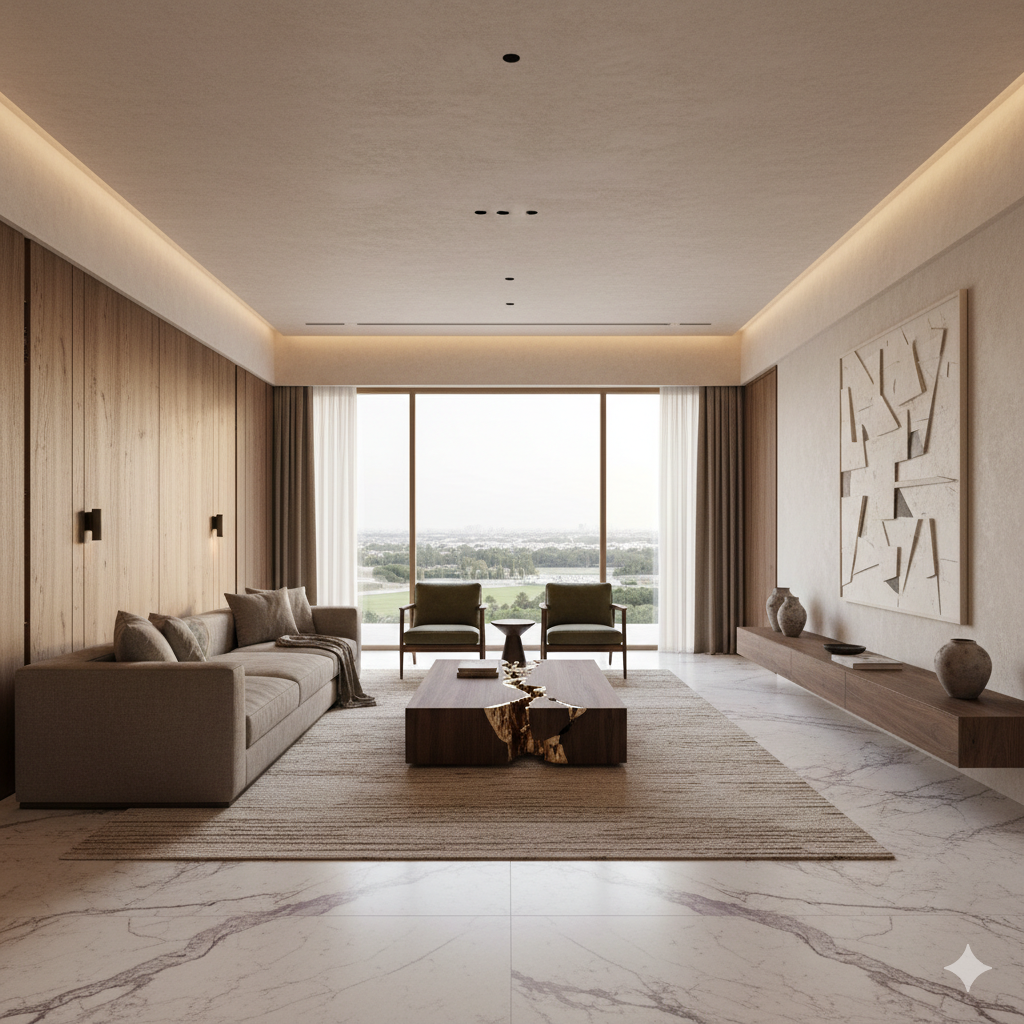
Jean Berhow: A Quiet Revolution in Sustainable Interior Design
Jean Berhow’s "quiet revolution" is an influential movement in interior design that prioritizes long-term ecological health and human wellness over fleeting aesthetic trends. By integrating non-toxic, regenerative materials with high-e...
Jean Berhow’s "quiet revolution" is an influential movement in interior design that prioritizes long-term ecological health and human wellness over fleeting aesthetic trends. By integrating non-toxic, regenerative materials with high-end craftsmanship, Berhow has shifted the industry away from "fast furniture" toward a model of restorative luxury that emphasizes material transparency, ethical sourcing, and environmental longevity.
Contents
The landscape of interior design in 2026 has been fundamentally reshaped by the principles Jean Berhow championed over the last decade. Often referred to as a "quiet revolution," her approach does not rely on flashy eco-labels or performative greenwashing. Instead, it focuses on the invisible elements of a home: the chemical composition of finishes, the carbon footprint of the supply chain, and the psychological impact of biophilic proportions. This shift represents a transition from viewing sustainability as an "add-on" feature to treating it as the foundational requirement of luxury living.
The Philosophy of the Quiet Revolution
At the heart of Jean Berhow’s work is the belief that a home should function as a living ecosystem. For too long, the interior design industry focused on the "visual envelope"—how a room looks in a photograph—rather than how it feels to inhabit or its impact on the planet. Berhow’s "quiet" approach is rooted in the idea that the most profound changes are often the ones we cannot see but can certainly feel.
This revolution is built on three primary pillars: Material Purity, Ethical Craftsmanship, and Design for Longevity. Unlike the high-impact, high-waste cycles of traditional interior decorating, Berhow’s methodology requires a deep understanding of where a product comes from, how it was made, and where it will go at the end of its life cycle. In 2026, these principles have moved from the niche periphery to the center of high-end residential and commercial design.
Material Purity and the Rejection of Toxins
One of the most significant contributions Berhow has made to the industry is her rigorous standard for material purity. Standard modern interiors are often filled with Volatile Organic Compounds (VOCs), flame retardants, and "forever chemicals" like PFAS. These substances off-gas into the indoor environment, contributing to "Sick Building Syndrome" and long-term health issues.
Berhow’s quiet revolution advocates for a return to primary materials. This includes:
- Mineral-based finishes: Moving away from acrylic paints toward lime wash and clay plasters that are naturally antimicrobial and breathable.
- Organic textiles: Utilizing GOTS-certified linens, wools, and organic cottons that are processed without heavy metals or toxic dyes.
- Solid wood construction: Replacing medium-density fiberboard (MDF) and particle board—which often use formaldehyde-based glues—with solid, sustainably harvested timber.
By focusing on these materials, Berhow creates spaces that are chemically inert, ensuring that the "quiet" nature of the design extends to the air quality itself.
Technical Specifications of Sustainable Luxury
To understand the depth of this revolution, one must look at the technical requirements Berhow applies to her projects. Sustainability in this context is not just about using recycled glass; it is an engineering challenge. It involves calculating the embodied carbon of every furniture piece and ensuring that every element meets strict environmental certifications without compromising on the tactile quality expected in luxury design.
Comparison of Design Methodologies
The following table illustrates the differences between traditional high-end design and the sustainable model popularized by Jean Berhow.
| Feature | Traditional High-End Design | Berhow’s Sustainable Model |
|---|---|---|
| Material Sourcing | Aesthetics and cost-driven; global shipping. | Localism prioritized; low carbon footprint. |
| Indoor Air Quality | Often high VOCs from synthetic finishes. | Zero-VOC, mineral-based, breathable finishes. |
| Furniture Life Cycle | 5–10 year trend cycles; difficult to recycle. | 50+ year lifespan; biodegradable or circular. |
| Textile Treatment | Chemical stain resistances (PFAS) common. | Natural fibers; mechanical finishing techniques. |
| Adhesives | Formaldehyde-based resins and glues. | Natural resins; mechanical joinery (mortise/tenon). |
| Aesthetic Goal | Visual impact and trend alignment. | Timelessness and sensory wellness. |
The Role of Biophilic Design in Wellness
Berhow’s revolution is as much about the human psyche as it is about the environment. Biophilic design—the practice of connecting occupants to nature within the built environment—is a cornerstone of her work. However, she avoids the cliché of simply adding potted plants to a room. Instead, she utilizes "fractal patterns" found in nature, natural light modulation, and organic geometries to reduce cortisol levels and improve cognitive function.
In 2026, the data supporting these design choices is irrefutable. Studies have shown that environments utilizing Berhow’s principles can improve sleep quality and reduce stress. By using materials like cork, stone, and untreated wood, she introduces "haptic variety" into a home, which engages the sense of touch in a way that synthetic materials cannot. This "quiet" sensory engagement is a key component of the restorative home.
Circularity and the End-of-Life Concept
A major problem in interior design is the waste generated when a homeowner decides to "refresh" their space. Traditional furniture and fixtures often end up in landfills because they are made of composite materials that cannot be separated. Berhow addresses this through the concept of Circular Design.
She advocates for "Design for Disassembly." This means pieces are constructed so they can be easily repaired, reupholstered, or broken down into their base elements for recycling. In her projects, she often sources antique or vintage pieces, which she views as the ultimate form of sustainable furniture. By giving new life to an 18th-century oak table or a mid-century modern chair, she reduces the demand for new raw materials and honors the craftsmanship of the past.
The Importance of Localism
The "Quiet Revolution" also emphasizes the importance of the local artisan. Shipping a marble table from one continent to another carries a massive carbon cost. Berhow’s approach involves identifying local stone quarries, timber mills, and textile weavers. This not only supports local economies but also ensures that the materials used are geologically and culturally appropriate for the location of the project.
In 2026, this "hyper-local" sourcing has become a status symbol. Luxury is no longer defined by how far a material traveled to get to you, but by the story of the craftsperson who made it and the transparency of the supply chain.
Practical Steps for Implementing Berhow's Principles
Implementing a quiet revolution in one's own space does not require a complete overhaul. It begins with a shift in the procurement mindset. Instead of purchasing multiple low-cost items, the focus moves toward acquiring a single, high-quality piece that will last a lifetime.
- Conduct a Toxicity Audit: Identify the largest sources of VOCs in your home, such as old synthetic carpets or pressed-wood furniture, and prioritize their replacement with natural alternatives.
- Prioritize Natural Fibers: When choosing upholstery or window treatments, opt for 100% natural fibers like hemp, linen, or wool. These materials are more durable and do not shed microplastics into the home.
- Invest in Solid Wood: Avoid furniture made with veneers or MDF. Look for solid wood construction with traditional joinery, which can be refinished and repaired for decades.
- Adopt a "Less but Better" Mindset: Focus on negative space. A sustainable interior is often one that is not overcrowded, allowing each high-quality element to breathe and serve its purpose effectively.
Challenges and Economic Considerations
While the benefits of the quiet revolution are clear, there are challenges to its widespread adoption. The primary hurdle is the initial cost. High-quality, non-toxic materials and artisanal labor are more expensive than mass-produced alternatives. However, Berhow argues that this is a false economy.
When the "total cost of ownership" is calculated—including the health costs of poor air quality and the replacement costs of low-quality furniture—the sustainable approach is often more economical over a 20-year period. In 2026, many insurance companies and green-lending institutions have begun to recognize the value of these "healthy homes," offering better rates for properties that meet these high environmental standards.
Frequently Asked Questions
What makes Jean Berhow's approach different from standard "Green Design"?
Standard green design often focuses on energy efficiency or the use of recycled materials (like recycled plastic). Berhow’s "quiet" approach goes deeper, focusing on the elimination of all synthetic chemicals, the psychology of the space, and the radical longevity of the furniture. It is as much about human health and timeless aesthetics as it is about the carbon footprint.
How do I know if a material is truly non-toxic?
Look for specific third-party certifications rather than generic "eco-friendly" labels. Key certifications include GOTS (Global Organic Textile Standard) for fabrics, Greenguard Gold for low emissions, and FSC (Forest Stewardship Council) for wood. Additionally, check for Declare labels, which act like a "nutrition label" for building materials, listing every ingredient used.
Is sustainable interior design only for modern or minimalist styles?
No. The principles of the quiet revolution can be applied to any aesthetic, from traditional to maximalist. The "quiet" refers to the integrity of the materials and the lack of environmental harm, not the visual style. A richly decorated room with antique rugs, solid wood antiques, and lime-washed walls is a perfect example of Berhow’s sustainable luxury.
Can I achieve a sustainable interior on a budget?
The most sustainable (and budget-friendly) action you can take is to buy nothing new. Sourcing high-quality vintage or secondhand items is the core of sustainable design. When you do buy new, focus your budget on the items you touch most frequently, such as your mattress or sofa, where material purity has the greatest impact on your health.
What is "off-gassing," and why does it matter?
Off-gassing is the release of airborne chemicals, such as VOCs, from manufactured products like paint, carpets, and furniture. These chemicals can linger for years and are linked to respiratory issues and headaches. Berhow's use of natural, mineral-based finishes eliminates this problem at the source.
How has the design industry changed by 2026 because of these ideas?
By 2026, transparency has become the industry standard. Most high-end furniture manufacturers now provide detailed "material passports" for their products. The focus has shifted from "fast design" to "heirloom design," where the goal is to create spaces that will remain functional and beautiful for generations.
Practical Recommendation
For those looking to transition their living environment toward the standards set by Jean Berhow, the most effective next step is to focus on the "Breathable Envelope." Start by repainting high-traffic rooms with mineral-based lime wash or clay paint. This single change significantly improves indoor air quality and introduces a sophisticated, tactile texture to the walls. Once the air quality is addressed, move toward replacing synthetic textiles with organic fibers. By focusing on these fundamental layers first, you establish a healthy foundation that defines the "quiet revolution" in your own home.
Image Gallery