Navigating Zillow STL: Comprehensive Real Estate Insights for St. Louis in 2026
Zillow STL serves as an essential digital gateway for real estate buyers, sellers, and renters navigating the dynamic property market of the St. Louis metropolitan area. This platform aggregates hyper-local listings, historical valuati...
Zillow STL serves as an essential digital gateway for real estate buyers, sellers, and renters navigating the dynamic property market of the St. Louis metropolitan area. This platform aggregates hyper-local listings, historical valuations, and predictive analytics to help market participants evaluate neighborhoods across St. Louis City and St. Louis County.
Contents
Understanding the St. Louis Real Estate Ecosystem Through Digital Platforms
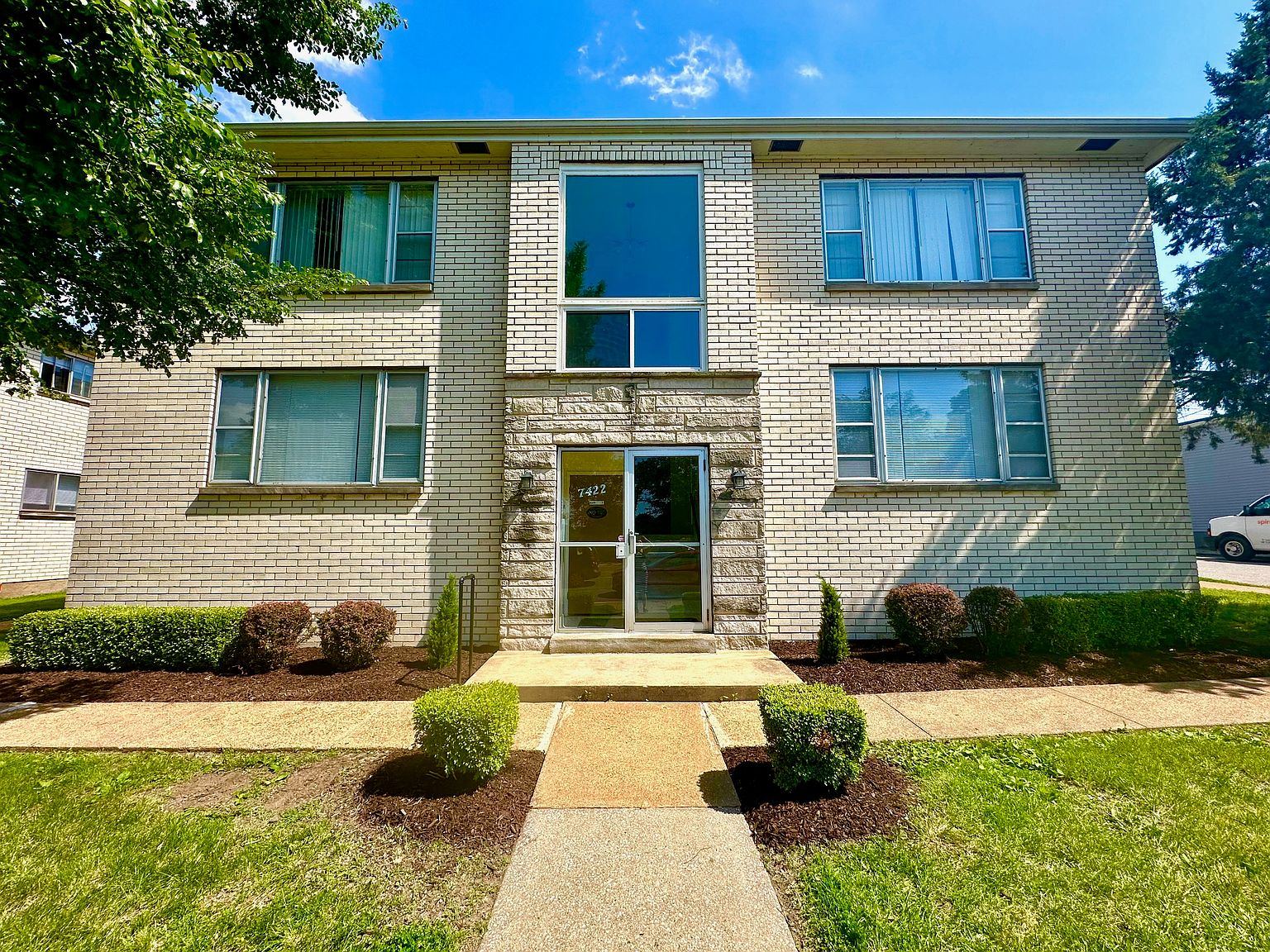
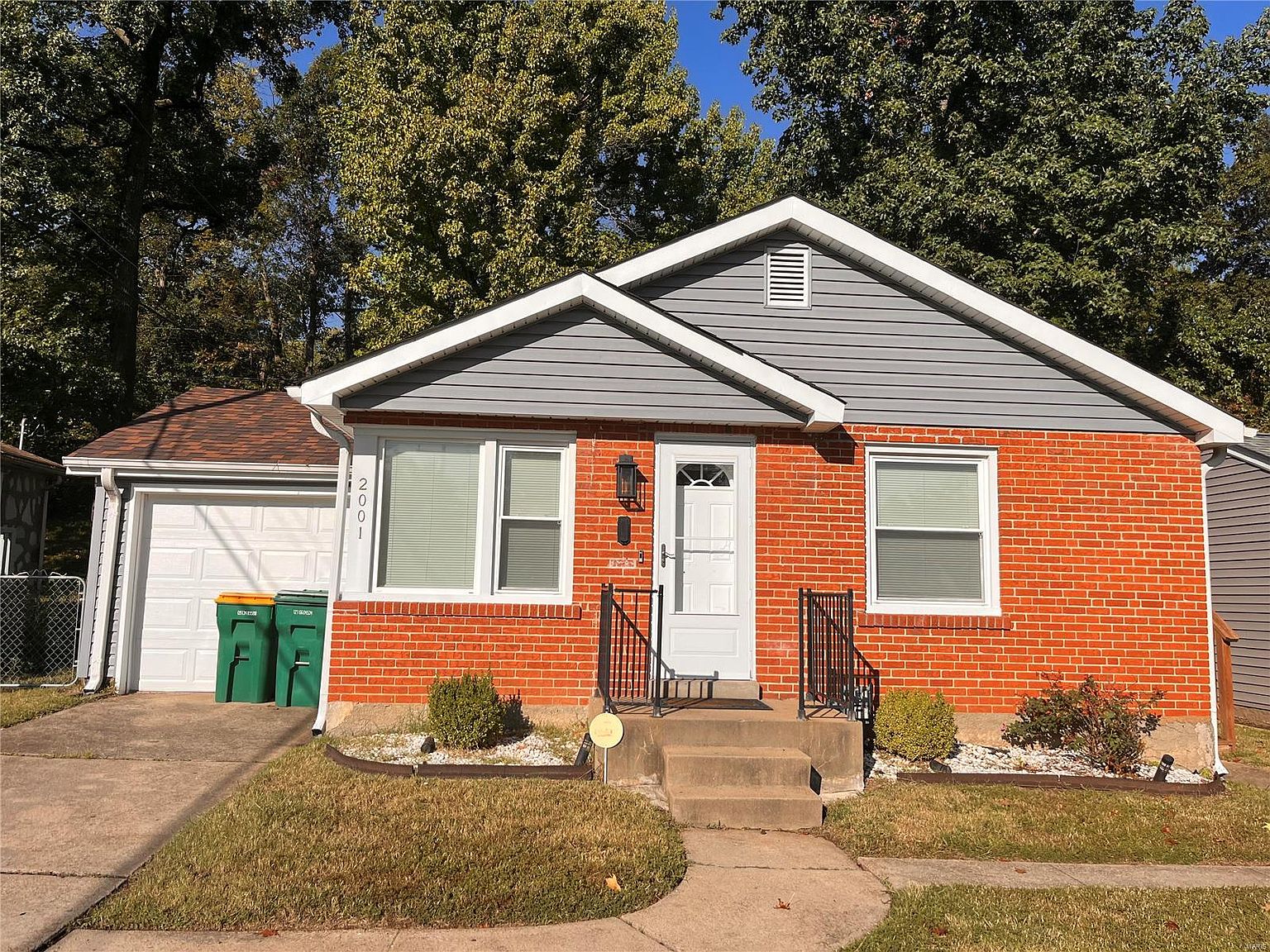
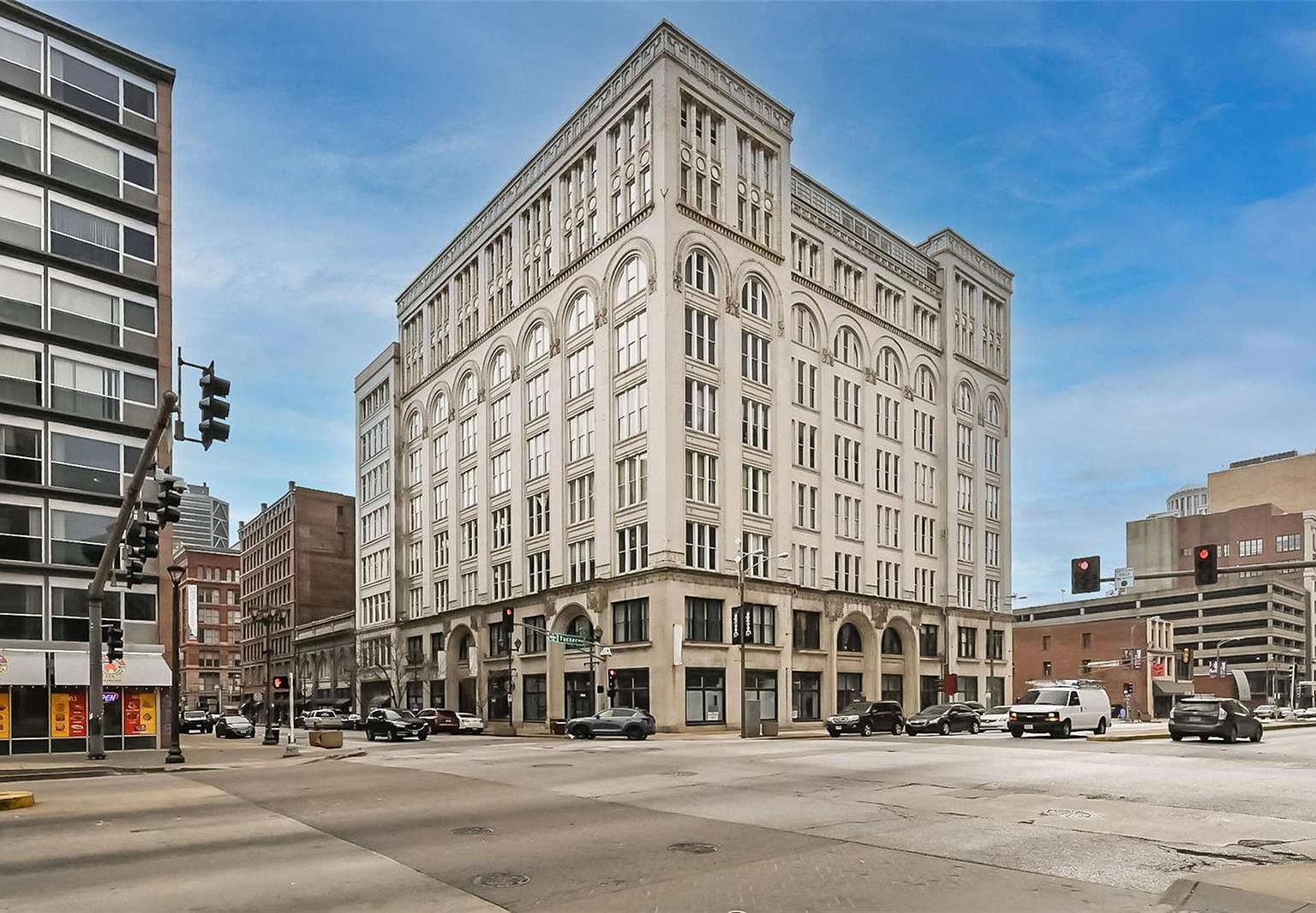
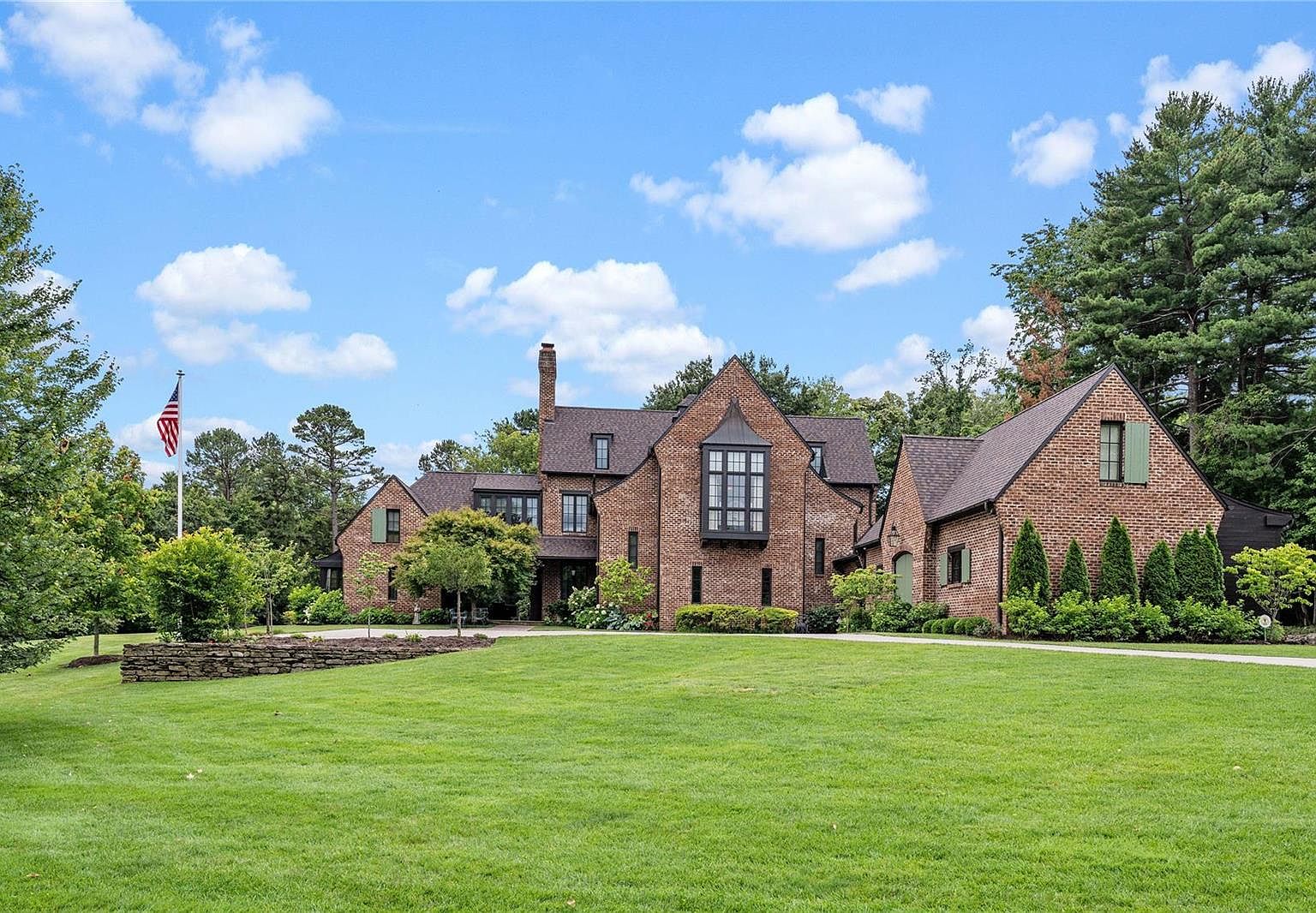
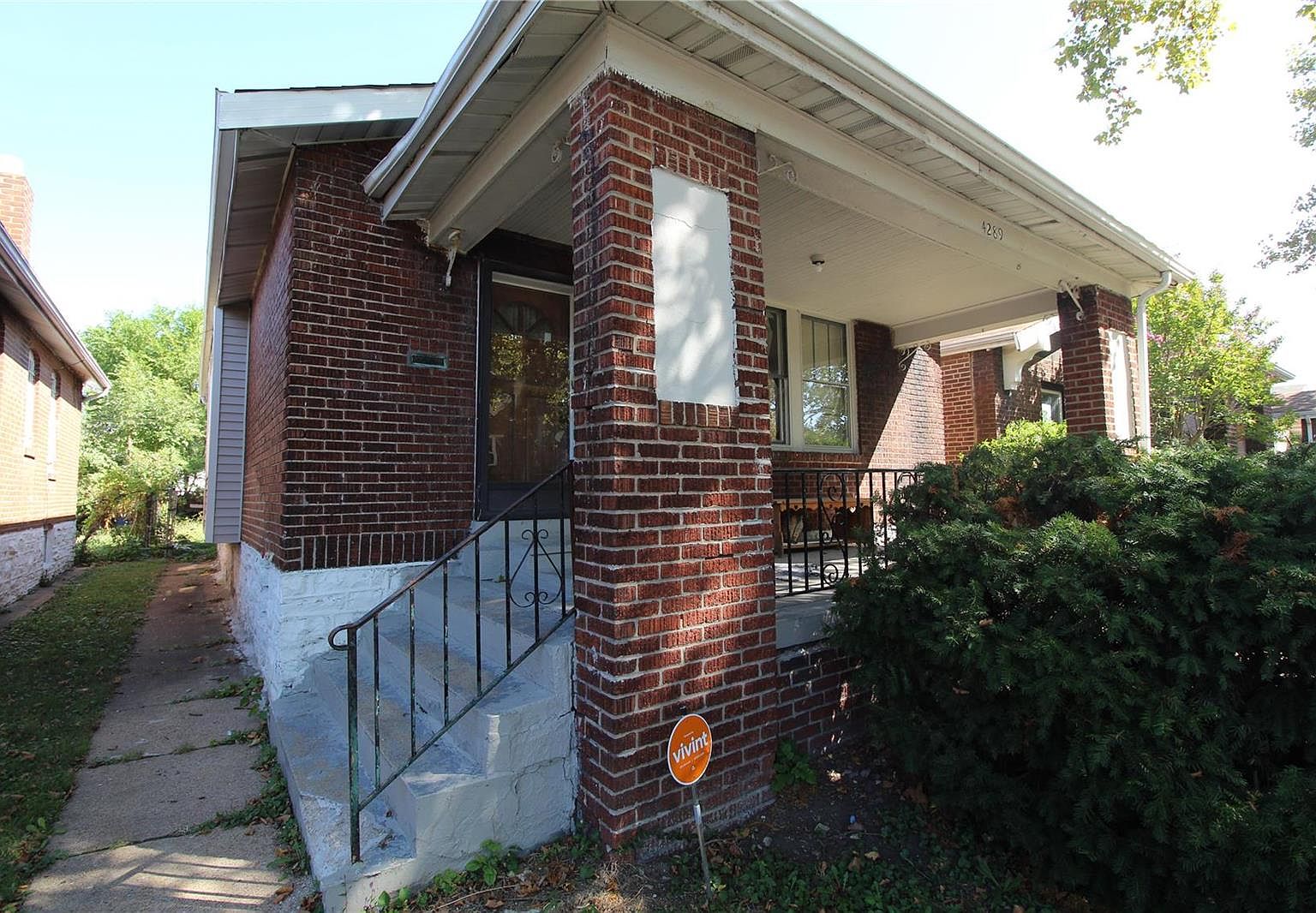
The St. Louis real estate market possesses distinct regional characteristics that require careful analysis beyond standard national housing metrics. When users search for properties on platforms like Zillow within the St. Louis (STL) footprint, they encounter a diverse architectural landscape ranging from historic brick-and-mortar homes in South City to modern new constructions in St. Charles County.
Navigating this terrain effectively requires understanding how digital property tools interpret local market fundamentals. The St. Louis metropolitan statistical area (MSA) spans both Missouri and Illinois, creating distinct municipal tax structures, school district boundaries, and zoning laws that significantly impact property values. Platforms like Zillow aggregate these variables into searchable data points, though buyers and sellers must look closer at regional nuances to make informed decisions.
Decoding Zillow Metrics and Valuation Models in STL
Automated valuation models (AVMs), commonly known on Zillow as the Zestimate, utilize proprietary algorithms to estimate market values. In St. Louis, the accuracy of these models can vary widely based on specific neighborhood characteristics and inventory turnover rates.
Factors Influencing Local Property Valuations
- Architectural Age and Integrity: St. Louis features a high concentration of historic homes, including classic Foursquares, American Craftsman bungalows, and multi-family brick two-flats. AVMs often struggle to quantify the value of preserved historic millwork, tuckpointing quality, or updated structural integrity.
- Micro-Neighborhood Boundaries: In St. Louis, property values can shift dramatically within a matter of blocks. Crossing a municipal boundary can alter property tax rates and municipal earnings taxes, directly influencing buyer purchasing power and long-term appreciation.
- School District Performance: Educational ratings heavily dictate demand in suburban corridors like Clayton, Ladue, Parkway, and Rockwood, compared to city districts operating under different accreditation systems.
- Flood Plain Proximity: Given the proximity of the Mississippi and Missouri rivers, specific pockets of St. Louis County and St. Louis City require mandatory flood insurance, a factor that alters total monthly housing costs regardless of the listing price.
Strategic Guide: How to Use Zillow for St. Louis Homebuying
Finding the right property in the Gateway City involves a systematic approach to digital filtering and on-the-ground verification. Utilizing Zillow's search architecture effectively prevents common pitfalls associated with regional property hunting.
- Establish Precise Geographic Parameters: Utilize the boundary draw tool on Zillow to target specific St. Louis neighborhoods, such as Tower Grove South, the Central West End, Dogtown, or suburban municipalities like Kirkwood and Webster Groves, rather than relying solely on the broad "St. Louis" city tag.
- Filter by Historic and Structural Criteria: Use keyword filters to isolate properties with specific updates, such as updated plumbing and electrical systems, which are critical considerations for St. Louis's historic housing stock.
- Analyze Price-per-Square-Foot Trends: Compare the target property's price per square foot against recent closed sales within the same school attendance zone or neighborhood association.
- Monitor Tax and Assessment History: Review the county assessor records linked within the listing details to evaluate historical property tax escalations and verify current assessment values.
- Schedule Professional Inspections: Once an offer is formulated using digital comparables, engage a local St. Louis inspector familiar with common regional issues, such as cast-iron sewer lateral failures and basement moisture intrusion.
Comparative Overview of St. Louis Real Estate Search and Listing Platforms
While Zillow remains a dominant portal for consumer-facing real estate discovery, buyers and sellers in St. Louis frequently utilize a mix of platforms to cross-reference data. The table below outlines how Zillow compares to alternative tools available in the St. Louis market.
| Platform / Tool | Primary Function | Data Source / MLS Integration | Best Used For | Regional Accuracy Strengths |
|---|---|---|---|---|
| Zillow STL | Consumer search, Zestimates, agent matching | MLS feeds (MARIS), public records | Initial home discovery and trend tracking | Excellent user interface for mapping neighborhood boundaries and filtering amenities. |
| MARIS (Mid America Regional Information Systems) | Direct MLS database for licensed professionals | Direct broker inputs | Real-time contract status and raw listing data | Absolute authority on active, pending, and closed status updates. |
| Redfin STL | Brokerage-backed consumer search | Direct MLS feeds | Low-commission listing and rapid tour scheduling | Provides direct MLS data updates with frequent synchronization cycles. |
| St. Louis County / City Assessor Portals | Public tax records and historical ownership | Municipal government databases | Verifying legal ownership, tax history, and lot dimensions | Ultimate source of truth for property tax burdens and legal descriptions. |
Pros and Cons of Relying on Zillow for St. Louis Property Transactions
Evaluating real estate platforms requires an objective look at their operational advantages and inherent limitations when applied to the local St. Louis market.
Advantages
- Extensive Inventory Visibility: Aggregates listings from the Mid America Regional Information Systems (MARIS), ensuring users see the vast majority of available properties.
- User-Friendly Interface: Advanced filtering capabilities allow buyers to sort homes by price, square footage, school ratings, and specific property features effortlessly.
- Historical Data Access: Provides immediate visibility into past sales prices, tax histories, and historical listing photos for comparative analysis.
Disadvantages
- Lagging Status Updates: Properties under contract or recently sold may occasionally show as active due to data syndication delays from the local MLS.
- Algorithm Variance: Zestimates can sometimes miscalculate values in historic or rapidly gentrifying St. Louis neighborhoods where recent renovations outpace historical algorithmic baselines.
- Third-Party Lead Generation: Inquiries on listings are frequently routed to premier agents who may not be the actual listing agent or neighborhood expert.
Common Mistakes to Avoid When Using Zillow in St. Louis
Navigating the St. Louis property market via digital portals can lead to miscalculations if users rely solely on automated data. Avoiding these common errors ensures a more secure transaction process.
- Mistaking Zestimates for Appraisals: Relying on the Zestimate to determine offer prices without factoring in immediate structural needs, such as foundation repair common in older St. Louis basements, can lead to overpaying.
- Ignoring Municipal Regulations: Failing to research specific municipal occupancy permit requirements. Many St. Louis County municipalities and St. Louis City require a municipal occupancy inspection and code compliance check prior to closing or tenant occupancy.
- Overlooking Sewer Lateral Programs: Neglecting to check whether the property is covered by a municipal sewer lateral insurance program, which protects homeowners from expensive lateral collapses common in older urban corridors.
- Misinterpreting School Boundaries: Assuming all properties with a St. Louis mailing address fall within specific high-performing districts, when municipal borders frequently carve up school assignments across invisible lines.
Frequently Asked Questions About Zillow STL
Are all St. Louis MLS listings automatically displayed on Zillow?
Yes, the vast majority of active listings from MARIS syndicate to Zillow, though minor delays can occur during status changes like pending or sold updates. Zillow displays these listings alongside For Sale By Owner (FSBO) and foreclosure properties.
How accurate is the Zestimate for homes in St. Louis City versus County?
Accuracy varies based on neighborhood homogeneity. Suburban areas with uniform subdivisions generally yield more accurate Zestimates, whereas historic urban neighborhoods with highly customized renovations often require professional appraisals for true market valuation.
Can I make an offer on a St. Louis home directly through Zillow?
While Zillow provides tools to connect with buyer's agents and submit inquiries, legally binding purchase offers must be drafted and submitted through licensed real estate agents using standard Missouri or Illinois contract forms.
What should I check regarding St. Louis sewer systems when viewing a listing?
Buyers should always verify the condition of the private sewer lateral connecting the home to the main public line. Many St. Louis municipalities require a sewer lateral inspection, and repair costs can range from a few thousand dollars to extensive excavation expenses.
How do St. Louis property taxes affect my monthly payment calculations on Zillow?
Zillow's mortgage calculator estimates property taxes based on historical county data, but buyers should manually verify exact millage rates with the specific St. Louis County or St. Louis City assessor office to prevent unexpected escrow adjustments.
Optimizing Your St. Louis Real Estate Journey
Leveraging digital tools like Zillow provides a powerful starting point for understanding inventory and market trends across the St. Louis metropolitan area. Combine these digital insights with local professional guidance, thorough municipal compliance checks, and detailed physical inspections to secure a successful property transaction in the Gateway City.
Image Gallery