Comprehensive Guide to Accurate Pill Identification and Safety Standards
Accurate pill identification is essential for patient safety, medication adherence, and emergency response. It involves examining physical characteristics such as imprint codes, color, shape, and scoring to determine the exact drug, st...
Accurate pill identification is essential for patient safety, medication adherence, and emergency response. It involves examining physical characteristics such as imprint codes, color, shape, and scoring to determine the exact drug, strength, and manufacturer using verified clinical databases and regulatory frameworks updated through 2026.
Contents
Understanding the Anatomy of a Prescription Pill
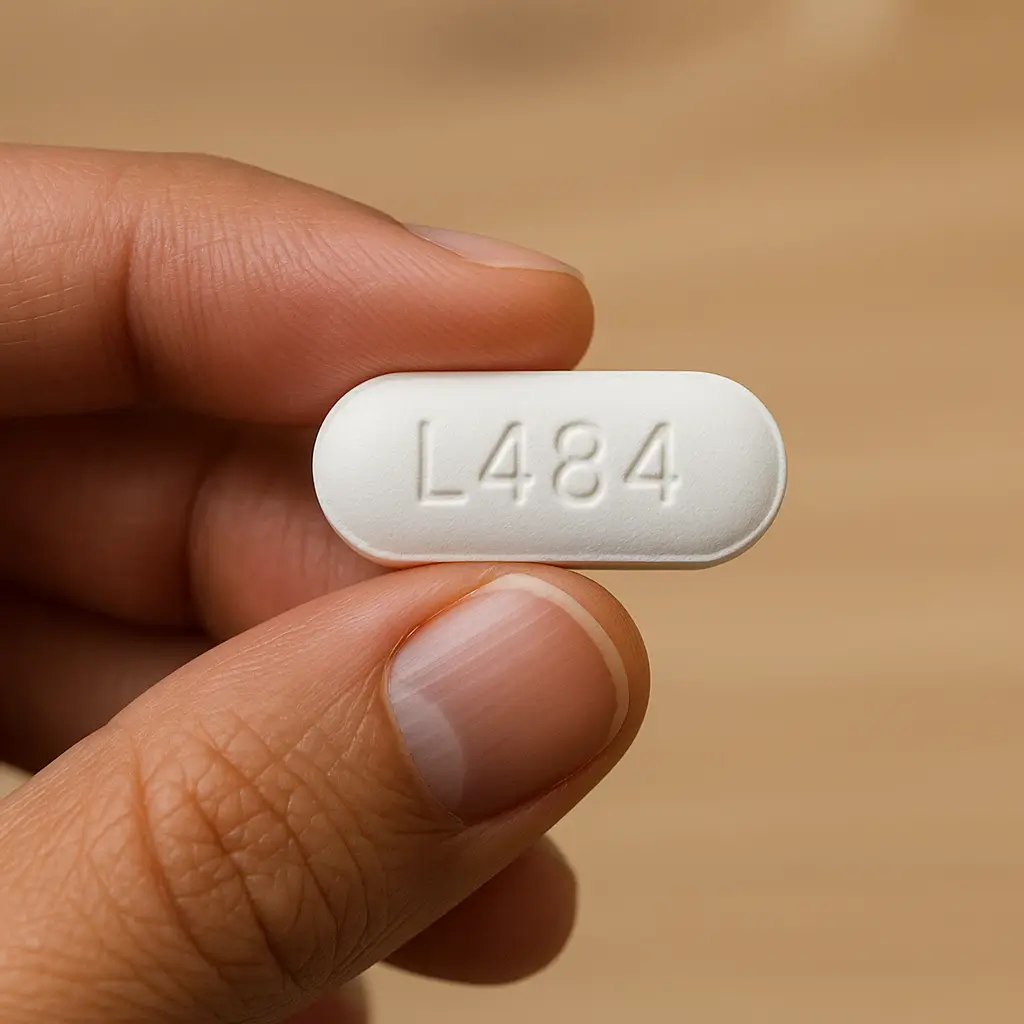
Before attempting to identify an unknown medication, it is critical to understand the standardized physical markers stamped or molded onto solid dose pharmaceutical products. Regulatory bodies like the United States Food and Drug Administration (FDA) require manufacturers to make solid oral dosage forms uniquely identifiable. These design elements prevent medication errors, streamline clinical workflows, and protect public health.
The primary visual components used for pharmaceutical verification include:
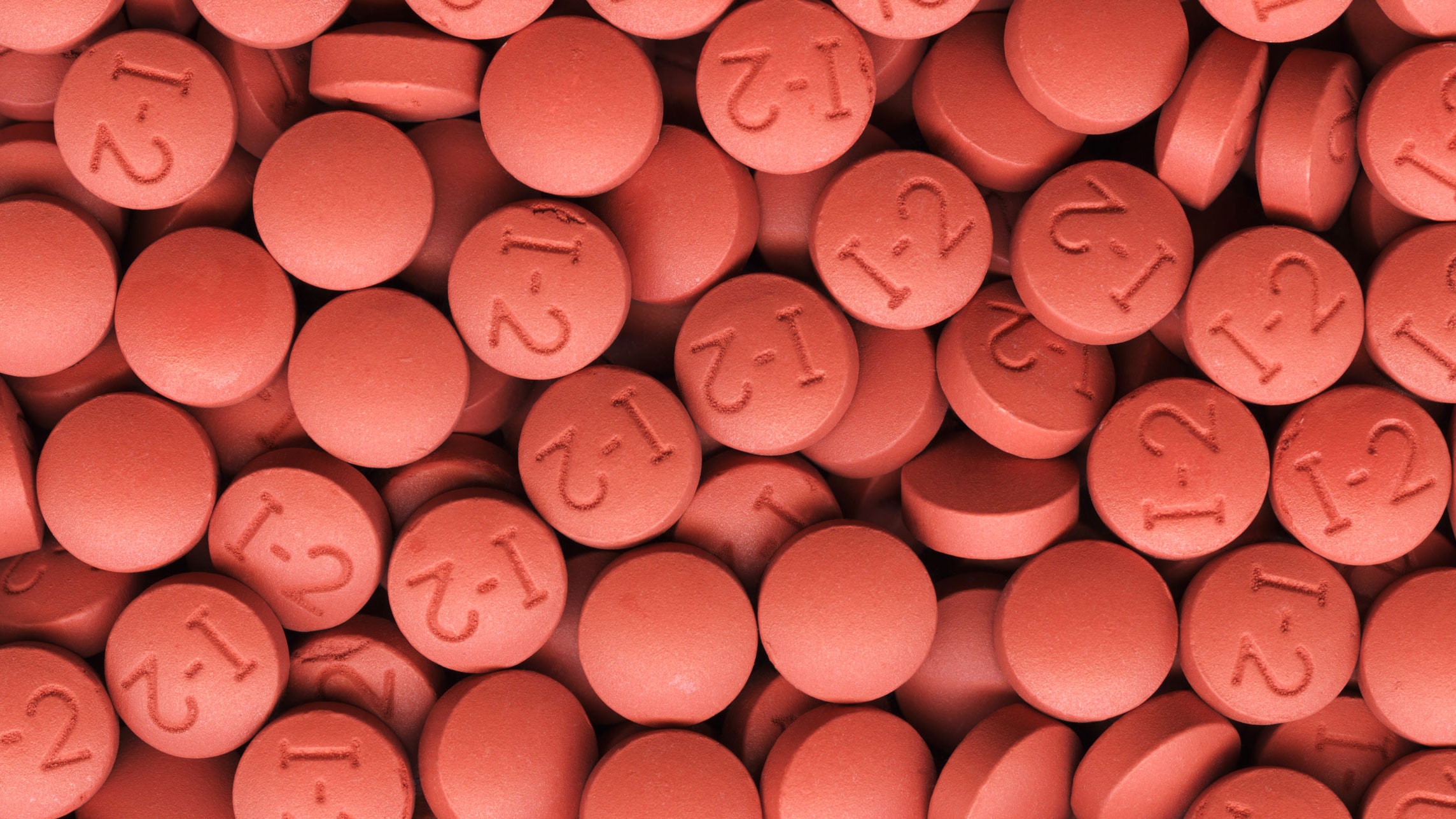
- Imprint Codes: Alphanumeric sequences printed or debossed onto the surface of the tablet or capsule. These represent specific National Drug Code (NDC) segments or proprietary manufacturer identifiers.
- Color and Tint: The primary pigmentation of the drug product. Multi-colored capsules or tablets often differentiate the active pharmaceutical ingredients (APIs) or release mechanisms.
- Shape and Form: Geometric configurations such as round, oval, capsule-shaped (caplet), triangle, pentagon, or specialized polygon forms.
- Score Lines: Grooves or indentations running across the face of a tablet, designed to facilitate splitting the dose, though many modern medications should never be split.
- Coatings and Texture: Film coatings, enteric coatings, or sugar coatings that modify drug release or mask bitter tastes.
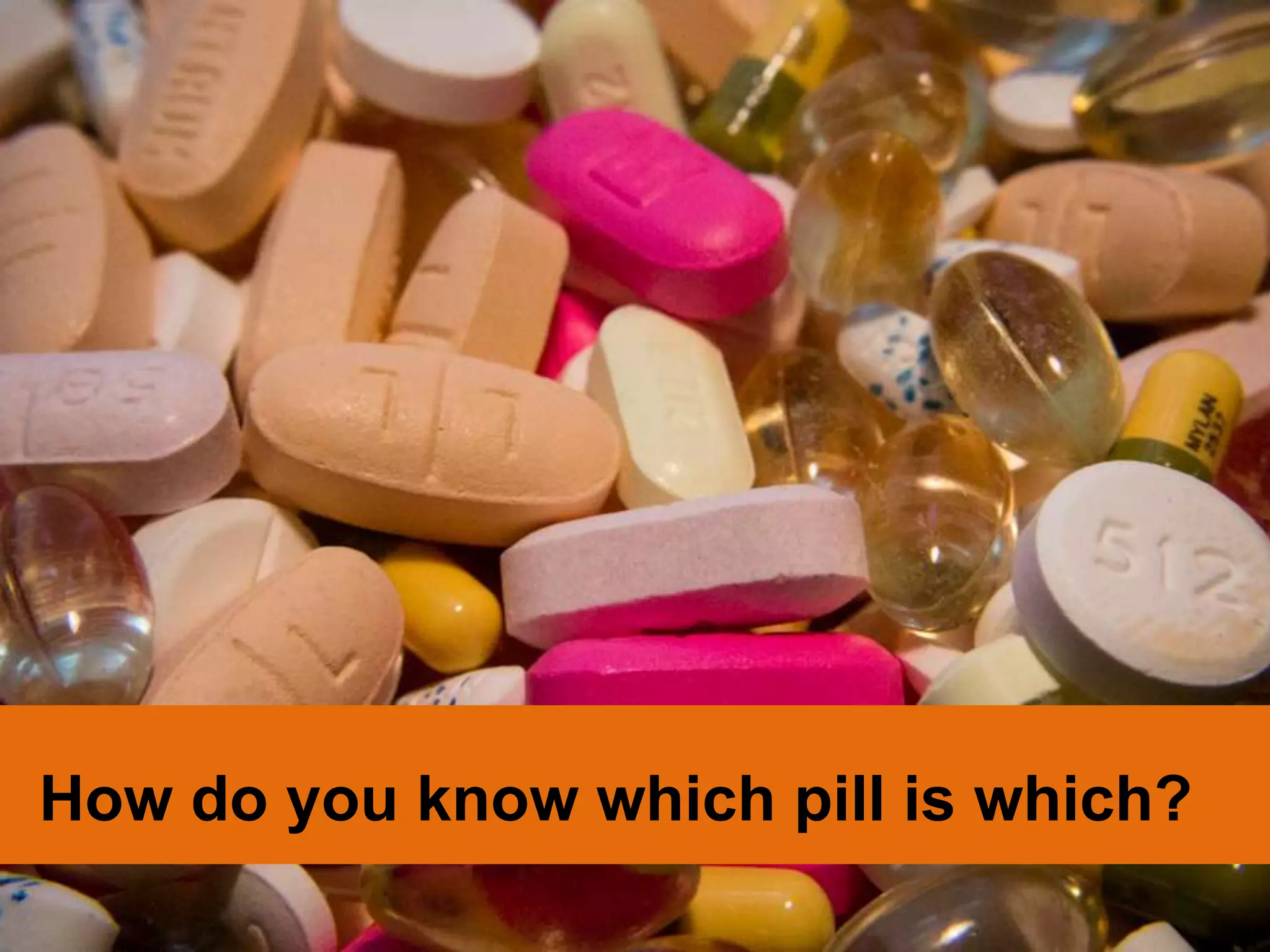
Relying on color and shape alone is a dangerous practice that frequently leads to misidentification. Hundreds of different medications share identical shades of white, yellow, or pink, and many possess standard round or oval profiles. The alphanumeric imprint code remains the single most reliable data point for definitive identification.
Prerequisites and Safety Protocols for Handling Unknown Substances
Handling unverified pharmaceuticals carries inherent biological and chemical risks. Improper exposure to potent compounds, cytotoxic agents, or controlled substances can lead to accidental toxicity, absorption through the skin, or legal liability.
Strict safety protocols must be observed whenever an unidentified pill is encountered in a clinical, residential, or public setting:
- Use Barrier Protection: Always wear nitrile or latex-free gloves when handling loose tablets or capsules to prevent transdermal absorption of active ingredients.
- Avoid Direct Inhalation or Ingesting: Never crush, break, or smell unknown powders or tablets, as aerosolized particles can irritate respiratory membranes or cause systemic toxicity.
- Secure Containment: Place the physical specimen into a clean, airtight, rigid plastic or glass container to preserve the imprint code and prevent environmental degradation from light or moisture.
- Document Context: Record where the substance was found, the quantity, and whether it was discovered loose or inside a labeled prescription container.
- Maintain Chain of Custody: In institutional, pediatric, or elder-care environments, log the retrieval time and secure the container in a locked drug cabinet until professional verification occurs.
Clinical Safety Warning: Never consume, administer, or discard an unidentified medication without professional verification from a licensed pharmacist, toxicologist, or poison control center. Ingesting an unknown pharmaceutical can cause severe adverse drug events, allergic anaphylaxis, or fatal overdose.
Step-by-Step Methodology for Professional Pill Identification
Executing a systematic verification process ensures zero margin for error when matching a physical pharmaceutical to its official database entry. Pharmacists and healthcare providers follow a standardized workflow to cross-reference visual data with official regulatory compendia.
Visual Inspection -> Imprint Extraction -> Database Query -> Cross-Verification -> Clinical Documentation
Phase 1: Visual Assessment and Magnification
Examine both sides of the solid oral dosage form under bright, neutral lighting. Utilize a pharmaceutical magnifying glass or a specialized inspection loupe with at least 5x to 10x magnification. Note whether the imprint is debossed (etched into the surface) or embossed (raised above the surface), as well as any secondary logos, symbols, or company trademarks.
Phase 2: Alphanumeric Decoding
Record the exact sequence of letters and numbers. Pay close attention to ambiguous characters, such as differentiating the letter "O" from the number "0", or the letter "I" from the number "1". If the imprint is worn or partially eroded, list all visible fragments in exact order from left to right or top to bottom based on the primary score line.
Phase 3: Secondary Feature Integration
Filter your search parameters by combining the imprint code with secondary physical attributes. Enter the primary color, shape, and presence of score lines. This multi-variable filtering process eliminates false positives generated by shared imprint codes across different manufacturing entities.
Phase 4: Authoritative Database Cross-Reference
Input the compiled data into verified medical search engines. Reliable digital compendia include the National Library of Medicine's DailyMed database, the FDA Orange Book, and professional clinical decision support systems like Lexicomp or Micromedex.
Phase 5: Verification and Final Confirmation
Compare the database imagery and physical specifications line-by-line with the physical specimen. Verify the exact strength, salt form (e.g., hydrochloride vs. tartrate), and manufacturer name. If any discrepancies exist between the physical pill and the database entry, treat the substance as unverified.
Comparative Analysis of Pill Identification Methods
Different identification methods offer varying degrees of accuracy, speed, and regulatory reliability. Selecting the appropriate resource depends on the user's technical expertise and clinical urgency.
| Identification Method | Primary Data Source | Accuracy Level | Speed | Professional Suitability | Regulatory Compliance |
|---|---|---|---|---|---|
| Official Clinical Databases (DailyMed, FDA) | Direct FDA submissions & manufacturer data | Very High (99.9%) | Moderate | High (Clinicians, Pharmacists) | Fully Compliant |
| Specialized Pharmacy Software (Lexicomp, Micromedex) | Peer-reviewed clinical drug compendia | Very High (99.9%) | Fast | High (Medical Professionals) | Fully Compliant |
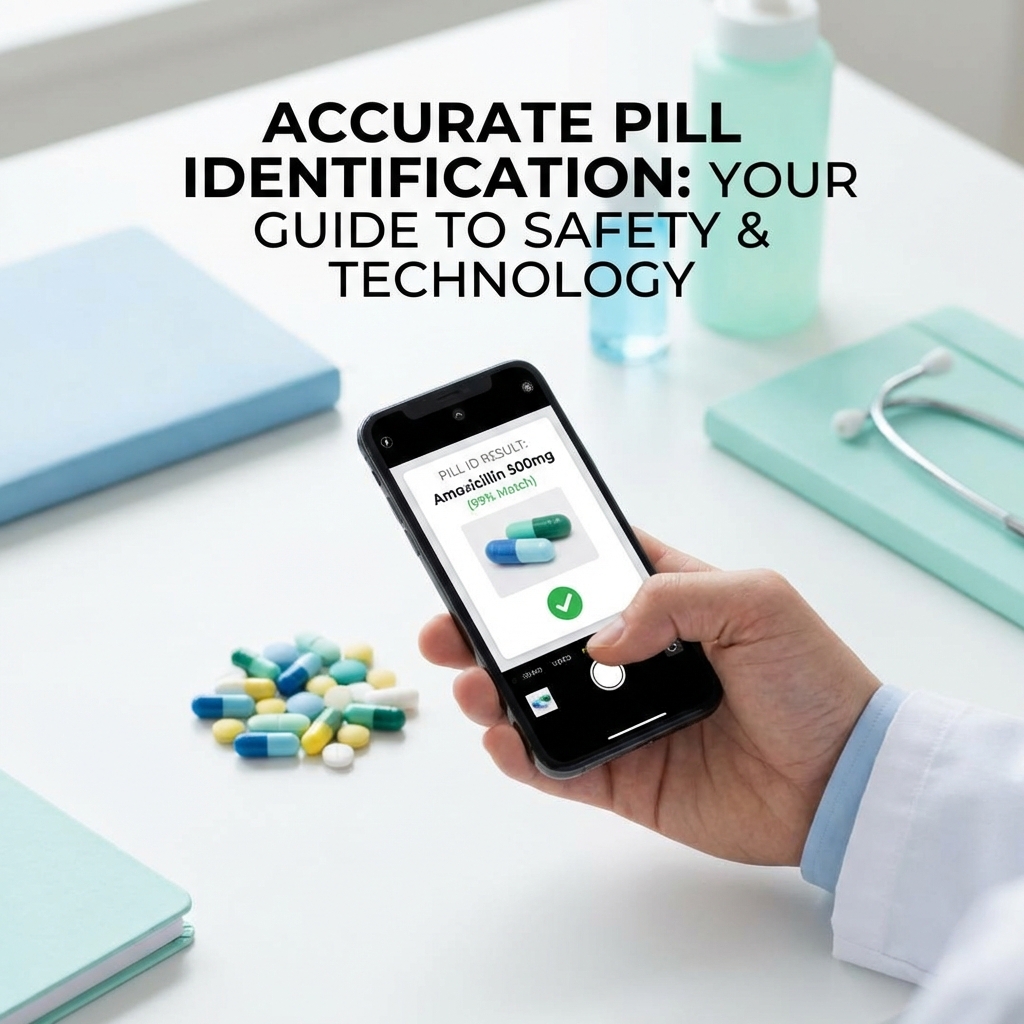
| Consumer Pill Finder Apps | Aggregated commercial databases | Moderate to High | Fast | Moderate (General Public) | Variable Verification |
| Visual Search Engines (General Web Search) | Unverified user-uploaded images | Low to Moderate | Instant | Low (High Error Risk) | Non-Compliant |
| Direct Pharmacist Consultation | Physical inspection & National Drug Codes | Absolute (100%) | Fast | High (All Users) | Fully Compliant |
Limitations, Risks, and Legal Considerations
Relying solely on visual pill identification tools carries inherent clinical risks and legal boundaries. Understanding these limitations prevents misdiagnosis and regulatory non-compliance in professional healthcare settings.
- Counterfeit and Subpotent Products: Illicitly manufactured counterfeit medications frequently mimic legitimate pharmaceutical imprints with alarming precision. Visual identification cannot detect chemical adulteration, incorrect active ingredient dosages, or the presence of dangerous synthetic additives like illicit fentanyl.
- Compounded and Generic Variations: Generic medications from different manufacturers may share identical active ingredients and strengths but feature entirely different imprints, shapes, and inactive excipients. Furthermore, compounded medications prepared by specialized pharmacies rarely feature standard commercial imprints.
- Physical Degradation: Exposure to extreme heat, humidity, or light can cause tablets to discolor, warp, or crack, obliterating crucial imprint codes and altering the chemical stability of the drug.
- Regulatory Liability: Healthcare providers who administer medications based solely on consumer-grade visual identification without verifying the original prescription container or scanning the national drug code expose themselves to significant liability regarding medication administration errors.
Troubleshooting Common Pill Identification Challenges
When standard identification pathways fail, systematic troubleshooting techniques can resolve ambiguous cases without compromising safety.
- Incomplete or Erased Imprints: If half of an imprint code is missing due to a broken tablet or surface wear, never guess the missing characters. Search the partial string in professional databases using wildcard filters if supported, or consult a local retail or hospital pharmacist who can utilize mass spectrometers or high-resolution optical comparator tools.
- Foreign or International Pharmaceuticals: Medications sourced outside the domestic regulatory jurisdiction (such as medications brought across international borders) frequently lack United States NDC imprints. These require consulting international reference guides, such as the British National Formulary (BNF) or the World Health Organization international pharmacopeia standards.
- Generic Substitution Discrepancies: If a patient receives a monthly refill from a different generic manufacturer, the physical appearance will change completely even though the active pharmaceutical ingredient is identical. Always check the pharmacy dispensing label on the exterior of the prescription bottle rather than relying on visual memory of previous fills.
- Excipient Color Variations: Inactive ingredients (dyes and binders) can vary between manufacturing lots. If an established medication changes color or texture between refills, contact the dispensing pharmacist immediately to confirm whether the manufacturer changed its formulation.
Frequently Asked Questions About Pill Identification
What is the most accurate way to identify an unknown pill?
The most accurate method is locating the alphanumeric imprint code stamped on the tablet and cross-referencing it with official databases like the FDA's DailyMed or consulting a licensed pharmacist directly. Never rely solely on color or shape.
Can I identify a pill without an imprint code?
Identifying a pill without an imprint code is extremely difficult and often impossible through visual means alone. Many non-imprinted tablets include over-the-counter vitamins, foreign pharmaceuticals, or illicitly manufactured substances that require professional laboratory chemical analysis.
Are consumer pill identifier apps reliable?
Consumer apps can provide helpful preliminary leads, but they should not be treated as absolute clinical certainties. Always verify app results against official regulatory databases or confirm the identity with a board-certified pharmacist.
What should I do if I find an unidentified pill in my home?
Place the pill in a sealed, rigid container while wearing protective gloves to prevent accidental exposure. Contact your local pharmacist, poison control center, or municipal medication disposal program for safe handling and disposal instructions.
Why do different generic versions of the same drug look different?
Different pharmaceutical manufacturers use distinct inactive ingredients, binding agents, color dyes, and pressing machinery. While the active chemical ingredient and therapeutic strength remain legally identical, the visual appearance varies entirely.
How do I know if a pill has expired or degraded?
Physical signs of degradation include severe discoloration, crumbling, powdery residue inside a sealed container, unusual odors, or fused tablets. If a medication shows these signs, its chemical potency may be compromised, and it should be replaced.
Practical Recommendations for Safe Medication Management
Establishing robust administrative habits prevents medication mix-ups and ensures seamless identification across clinical and home environments.
- Never mix different medications inside a single storage bottle or weekly pill organizer, as this destroys their individual imprint context and invites accidental dosing errors.
- Retain original pharmacy packaging complete with the prescription label, National Drug Code (NDC), and dispensing date whenever possible.
- Maintain an updated digital or printed medication list detailing the exact brand name, generic name, prescribed strength, dosing frequency, and visual description of every active prescription you take.
- Consult your healthcare provider or dispensing pharmacist immediately if you notice any unexpected physical changes in your regular medication supply.
Final Expert Advisory: When absolute certainty is required regarding a pharmaceutical substance, bypass visual estimation entirely and request a formal verification review by a licensed clinical pharmacist equipped with verified reference compendia.
Image Gallery